
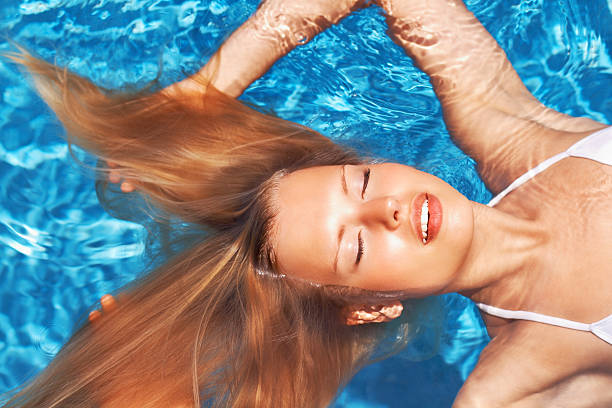
Something is refreshing about swimming. Whether you’re squeezing in a few laps before work, relaxing at the beach during vacation, or spending an afternoon at the pool with your kids, it feels like a reset button for both body and mind.
Your hair, however, may tell a different story.
If you’ve ever noticed your hair feeling rough, unusually tangled, or strangely dry after swimming, you’re definitely not imagining it. Chlorine, saltwater, sun exposure, and even repeated washing can leave hair looking dull and feeling fragile.
The good news? You don’t have to stop swimming to keep your hair healthy.
A thoughtful hair care routine after swimming can help protect moisture, reduce damage, and keep your hair looking shiny whether you swim once a month or several times each week.
Let’s walk through exactly what your hair needs before, during, and after every swim.
Why Swimming Can Leave Hair Feeling Dry
Hair is surprisingly delicate.
Every strand is covered by tiny overlapping layers called the cuticle. Think of them like roof shingles protecting everything underneath. When these layers stay smooth, hair reflects light beautifully and feels soft.
Swimming changes that.
Pool chemicals, saltwater, UV rays, and heat can lift the cuticle, allowing moisture to escape. Once that happens, hair often becomes:
- Dry
- Brittle
- Frizzy
- Tangled
- More likely to break
If your hair is colour-treated, chemically processed, or naturally curly, you may notice these effects even faster.
Chlorine vs. Saltwater: Which Is Worse?
People often blame chlorine, and for good reason, but saltwater deserves attention too.
Chlorine
Chlorine disinfects pools by killing bacteria, but it doesn’t know the difference between bacteria and the natural oils protecting your hair.
Frequent exposure can:
- Strip away natural oils
- Dry out the hair shaft
- Increase breakage
- Fade hair color
- Make hair feel stiff
Blonde hair sometimes develops a green tint after repeated swimming. Surprisingly, chlorine isn’t usually the direct cause. Tiny amounts of copper in pool water can stick to hair, creating the green appearance.
Saltwater
Ocean water feels natural, but it’s still drying.
Salt pulls moisture away from hair through osmosis, leaving strands rougher than usual.
That doesn’t mean you should avoid the beach. It simply means your hair needs extra hydration afterwards.
Sun Exposure
Here’s the thing.
Most people remember sunscreen for their skin but forget their hair.
UV rays gradually weaken proteins inside the hair shaft, especially when combined with chlorine or saltwater. The result is faded colour, dryness, split ends, and loss of elasticity.
Your Hair Type Matters More Than You Think
Not everyone’s swimming routine should look the same.
Straight Hair
Straight hair spreads natural oils more easily, but chlorine can quickly leave it limp and flat.
Focus on lightweight moisturising products.
Wavy Hair
Waves often lose definition after swimming.
A leave-in conditioner and lightweight curl cream help restore texture without weighing hair down.
Curly Hair
Curly hair naturally struggles to retain moisture.
Swimming often exaggerates dryness, making deep conditioning especially important.
Coily Hair
Coily textures benefit from rich hydration before and after swimming.
Protective styles like braids or twists also reduce tangles.
Color-Treated Hair
Colour molecules gradually wash away with repeated chlorine exposure.
Look for sulfate-free shampoos designed specifically for colored hair.
Before You Swim: Preparation Makes a Huge Difference
Honestly, this might be the most overlooked part of swim hair care.
Healthy hair starts before you even get into the water.
1. Wet Your Hair First
Hair acts like a sponge.
If it’s already soaked with clean water, it absorbs less chlorinated or salty water.
It’s one of the easiest protective tricks available.
2. Apply Leave-In Conditioner
A leave-in conditioner creates a light barrier between your hair and pool chemicals.
It also reduces tangles afterwards.
3. Wear a Swim Cap
No swim cap keeps every drop of water out.
Still, it significantly reduces exposure and friction.
Silicone swim caps generally offer more protection than latex versions.
4. Tie Long Hair Loosely
A low braid or loose bun helps minimise tangles.
Avoid tight ponytails that create unnecessary tension.
The First 15 Minutes After Swimming Matter
Many people wait until they get home.
That’s understandable, but your hair benefits from immediate care.
If possible:
- Rinse thoroughly with clean water
- Gently squeeze out excess water
- Avoid letting chlorine dry on your hair for hours
This simple habit removes much of the chemical residue before it has time to continue drying your strands.
The Perfect Hair Care Routine After Swimming
Now let’s put everything together.
Step 1: Rinse Thoroughly
Use lukewarm water.
Hot water may feel relaxing, but it removes even more moisture.
Spend at least one or two minutes rinsing thoroughly.
Step 2: Use a Gentle Shampoo
If you swim occasionally, a moisturising shampoo usually works well.
Frequent swimmers may prefer a clarifying swimmer’s shampoo once weekly to remove mineral buildup.
Using a strong clarifying shampoo every day can make hair even drier.
Step 3: Never Skip Conditioner
Conditioner isn’t optional after swimming.
It restores lubrication between hair fibres, making detangling much easier.
Leave it on for several minutes before rinsing.
Step 4: Detangle Gently
Wet hair stretches more easily.
Instead of pulling through knots:
- Use a wide-tooth comb
- Start at the ends
- Work upward gradually
Your future self will thank you.
Step 5: Apply Leave-In Conditioner
This adds another layer of hydration while helping protect hair during the rest of the day.
Many leave-in products also help reduce frizz.
Step 6: Let Hair Dry Naturally When Possible
Heat styling immediately after swimming isn’t ideal.
If you need to use a blow dryer, apply a heat protectant first and choose the lowest practical heat setting.
Weekly Recovery Treatments
Even a great daily routine benefits from weekly repair.
Deep Conditioning
Once each week, apply a rich hair mask.
Leave it on for 15–30 minutes.
Hair often feels noticeably softer afterwards.
Protein Treatments
Hair is mostly made of keratin.
Occasional protein treatments strengthen weakened strands.
However, too much protein can leave hair stiff.
Balance protein with moisture.
Scalp Care
Healthy hair begins at the scalp.
A gentle scalp massage during shampooing encourages circulation while helping remove product buildup.
Common Swimming Hair Care Mistakes
Even good intentions sometimes backfire.
Here are some habits worth avoiding.
Waiting Too Long to Wash
The longer chlorine stays on your hair, the longer it continues drying your strands.
Washing Too Aggressively
Scrubbing vigorously creates friction and breakage.
Gentle cleansing works better.
Skipping Conditioner
This one deserves repeating.
Conditioner helps restore moisture that swimming removes.
Brushing Wet Hair Roughly
Wet strands are more vulnerable.
Take your time.
Using Heat Every Time
Hair already experiences stress from swimming.
Daily heat styling adds another layer.
Whenever possible, give your hair a break.
A Simple Routine for Busy People
Life gets busy.
Between work meetings, lectures, school pickups, and grocery runs, spending an hour on hair care isn’t realistic.
Here’s a streamlined routine.
Before swimming
- Wet hair
- Apply leave-in conditioner
- Wear a swim cap if possible
After swimming
- Rinse immediately
- Shampoo if needed
- Condition
- Leave-in conditioner
- Air dry whenever practical
That’s it.
The whole process can take less than fifteen minutes.
Ingredients Worth Looking For
Reading ingredient labels doesn’t have to feel overwhelming.
Some ingredients consistently perform well after swimming.
Glycerin
Draws moisture toward the hair.
Aloe Vera
Helps soothe dryness while adding lightweight hydration.
Coconut Oil
Reduces protein loss in many hair types.
Argan Oil
Adds shine while softening rough strands.
Shea Butter
Excellent for thick, curly, or coily hair needing extra nourishment.
Hydrolyzed Keratin
Temporarily strengthens weakened areas of the hair shaft.
What About Kids?
Children often spend hours in the pool during summer.
Their hair benefits from the same routine:
- Wet hair before swimming
- Use a swim cap when possible
- Rinse immediately afterwards
- Wash gently
- Condition well
- Detangle carefully
Making it part of the family routine helps everyone remember.
Frequently Asked Questions
Should I wash my hair after every swim?
Yes. Even a quick rinse is better than leaving chlorine or saltwater sitting on your hair. If you swim daily, choose a gentle shampoo and follow with a moisturising conditioner.
Can swimming cause hair loss?
Swimming itself doesn’t usually cause hair loss. However, repeated dryness and breakage may make hair appear thinner. Good hydration and gentle handling help reduce breakage.
Is coconut oil good before swimming?
Yes. A small amount can create a light protective barrier, although applying too much may make a swim cap slip.
How often should swimmers deep condition their hair?
Most people benefit from deep conditioning once a week. Frequent swimmers or people with curly, coily, or chemically treated hair may need two treatments weekly.
Why does my hair feel sticky after swimming?
Mineral deposits, chlorine residue, or product buildup may be the cause. A swimmer’s shampoo or occasional clarifying shampoo can help remove the residue.
Final Thoughts
Swimming is one of the healthiest activities you can enjoy. It supports your heart, eases stress, strengthens muscles, and offers a welcome break from a busy schedule. Your hair doesn’t have to suffer because you enjoy the water.
The secret isn’t an expensive collection of products or an elaborate routine. It’s consistency. Wet your hair before swimming, rinse it afterwards, replace the moisture that’s been lost, and treat your hair gently while it recovers.
Those simple habits add up over time.
Whether you’re swimming laps before the office, heading to the beach with friends, or cheering on your children from the shallow end before joining them in the water, a little care after every swim helps your hair stay soft, resilient, and healthy through every season.