
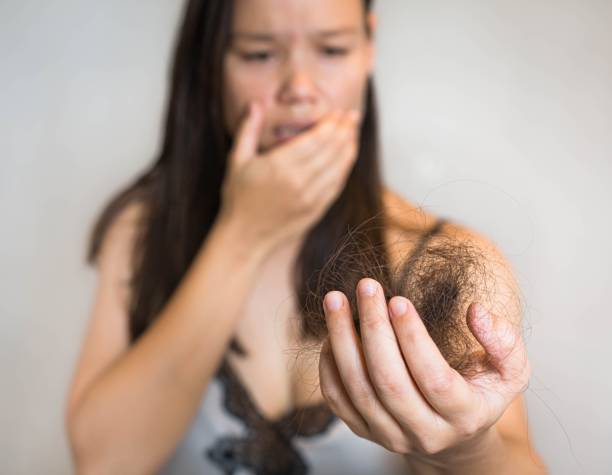
Few things are as unsettling as seeing extra strands of hair in your brush, on your pillow, or circling the shower drain. One day everything seems normal. Then suddenly you’re wondering whether you’ve always shed this much hair, or whether something has changed.
If you’ve found yourself counting hairs after washing your hair or checking your hairline in every mirror you pass, you’re not alone.
Hair loss is one of the most common beauty and health concerns affecting people of every age. Students juggling exams, busy professionals managing deadlines, new mothers adjusting to life with a baby, and anyone dealing with major life changes can all experience unexpected hair shedding.
The good news? Hair fall doesn’t always mean you’re going bald. In fact, many causes of hair loss are temporary and treatable once you understand what’s happening.
Let’s break it down.
First Things First. Is Hair Falling Out Every Day Normal?
Yes. Surprisingly normal.
Most healthy people lose 50 to 100 hairs every day. Those hairs are simply making room for new ones.
You probably notice more shedding after:
- Washing your hair
- Brushing long hair
- Wearing ponytails
- Skipping wash days
- Running your fingers through your hair
That doesn’t automatically mean you’re losing more hair. Sometimes you’re simply seeing several days’ worth of naturally shed strands all at once.
Here’s the thing: normal shedding becomes concerning when the hair doesn’t seem to grow back, your ponytail feels thinner, or you’re noticing widening parts, bald patches, or visible scalp.
Understanding the Hair Growth Cycle
Think of your scalp like a garden.
Not every plant grows at the same time. Hair behaves similarly.
Each strand follows its own schedule through four phases.
Anagen (Growing Phase)
This stage lasts between 2 and 7 years.
Around 85–90% of your hair is usually here.
Longer growing phases generally mean longer hair.
Catagen (Transition Phase)
This short stage lasts only a few weeks.
Hair stops growing and prepares to shed.
Telogen (Resting Phase)
Hair rests quietly for several months.
Nothing dramatic happens here.
Exogen (Shedding Phase)
Eventually, the old hair falls out.
A brand-new strand begins growing underneath.
Problems arise when too many hairs enter the shedding phase at once or when new hairs struggle to replace the old ones.
So, Why Is My Hair Falling Out?
There isn’t one answer.
Hair is surprisingly sensitive. It responds to physical health, emotional stress, hormones, nutrition, sleep, medications, even the weather.
Let’s look at the biggest reasons.
1. Stress Can Push Hair Into Early Shedding
You know those weeks when life feels like one long to-do list?
Deadlines.
Family responsibilities.
Exams.
Financial worries.
Poor sleep.
Your body notices all of it.
A major stressful event can trigger telogen effluvium, where many hairs shift into the resting phase earlier than usual.
The frustrating part?
Hair often starts falling two to three months after the stressful event.
That means people sometimes don’t connect the dots.
The encouraging news is that stress-related shedding usually improves once the body recovers.
2. Hormonal Changes Can Shake Things Up
Hormones influence nearly every stage of hair growth.
Changes during pregnancy often make hair appear thicker because fewer hairs shed.
Then comes postpartum life.
Many new mothers notice dramatic shedding around three months after giving birth.
It can feel alarming.
Honestly, handfuls of hair in the shower are enough to make anyone panic.
Fortunately, postpartum shedding is extremely common and usually settles within six to twelve months.
Other hormone-related causes include:
- PCOS
- Menopause
- Thyroid disorders
- Starting or stopping birth control
- Hormonal imbalances
3. Genetics Plays a Bigger Role Than Many Realise
Sometimes the answer isn’t something you’ve done.
It’s written into your genes.
Pattern hair loss affects both men and women.
Men often develop a receding hairline or thinning at the crown.
Women usually notice:
- A wider centre part
- Overall thinning
- Reduced hair volume
- Less density around the crown
This type of hair loss tends to happen gradually.
4. Your Diet Matters More Than Your Shampoo
Hair isn’t essential for survival.
When your body lacks nutrients, it prioritises your heart, brain, and other vital organs.
Hair growth moves down the list.
Low levels of certain nutrients can contribute to shedding, including:
- Iron
- Vitamin D
- Zinc
- Protein
- Vitamin B12
- Folate
Crash diets are another common trigger.
Rapid weight loss often shocks the body enough to interrupt the normal hair cycle.
If you’re trying to eat healthier, slow and steady usually benefits your hair as much as the rest of your body.
5. Tight Hairstyles Can Literally Pull Hair Out
That sleek ponytail may look amazing.
Your hair follicles might disagree.
Repeated tension from:
- Tight braids
- High ponytails
- Cornrows
- Extensions
- Heavy wigs
- Tight buns
can lead to traction alopecia.
At first, the damage may be reversible.
Over time, however, constant pulling can permanently damage follicles.
Switching up hairstyles regularly gives your scalp a chance to recover.
6. Heat and Chemicals Can Weaken Hair
Hair colouring isn’t the enemy.
Neither are flat irons.
The problem usually comes from overdoing them.
Repeated exposure to:
- Bleach
- Relaxers
- Frequent coloring
- High heat styling
- Harsh chemical treatments
can weaken the hair shaft.
This often causes breakage rather than true hair loss.
That’s an important distinction.
Hair breaking halfway down the strand isn’t the same as hair falling from the root.
7. Certain Medical Conditions Can Cause Hair Loss
Sometimes hair fall is your body’s early warning signal.
Conditions linked to hair loss include:
- Thyroid disease
- Autoimmune disorders
- Lupus
- Iron-deficiency anaemia
- Severe infections
- Chronic illnesses
One autoimmune condition, alopecia areata, can cause sudden round bald patches.
Because these conditions require medical treatment, unexplained hair loss should never be ignored.
8. Medications Sometimes Have Unexpected Side Effects
Hair loss isn’t always caused by illness.
Sometimes it’s the treatment.
Certain medications may contribute to shedding, including some used for:
- High blood pressure
- Depression
- Blood thinning
- Acne
- Chemotherapy
- Hormone therapy
Never stop prescribed medication without speaking to your healthcare provider.
9. Your Scalp Might Be the Real Problem
Healthy hair starts with a healthy scalp.
If your scalp is constantly itchy, inflamed, flaky, or painful, hair growth can suffer.
Conditions like:
- Dandruff
- Psoriasis
- Fungal infections
- Seborrheic dermatitis
can interfere with healthy follicles.
Treating the scalp often improves the environment needed for stronger hair growth.
10. Yes, Seasonal Hair Shedding Exists
You know what?
Many people notice increased shedding during late summer or autumn.
Researchers are still studying why this happens.
Possible explanations include:
- Changes in daylight
- Hormonal shifts
- Natural hair cycling
- Environmental stress
Seasonal shedding is usually temporary.
Hair Loss Looks Different in Women and Men
Although the causes often overlap, the patterns can be quite different.
Women often notice:
- Wider hair part
- Less volume
- Increased shedding
- Thinning around the crown
Men often notice:
- Receding hairline
- Thinning temples
- Bald spot at the crown
- Gradual pattern baldness
Recognising your pattern helps narrow down possible causes.
When Should You See a Doctor?
A little shedding isn’t usually a concern.
You should book an appointment if you notice:
- Sudden heavy hair loss
- Bald patches
- Painful scalp
- Persistent itching
- Hair falling out in clumps
- Thinning eyebrows or eyelashes
- Hair loss lasting longer than six months
- Fatigue, weight changes, or other symptoms alongside shedding
Earlier evaluation often means more treatment options.
How Hair Loss Is Diagnosed
Doctors don’t simply glance at your hair and guess.
They’ll often ask questions about:
- Recent illnesses
- Pregnancy
- Diet
- Stress
- Medications
- Family history
Depending on your symptoms, they may recommend:
- Blood tests
- Thyroid testing
- Iron studies
- Vitamin level checks
- Hormone testing
- Scalp examination
- Occasionally, a scalp biopsy
The goal isn’t just treating the hair, it’s finding the reason behind the shedding.
What Actually Helps Stop Hair Fall?
There’s no single miracle product.
Despite what social media promises, healthy hair usually responds best to a combination of consistent care and treating the underlying cause.
Eat enough protein
Hair is mostly made of keratin, a protein.
Include foods like eggs, fish, beans, Greek yoghurt, tofu, chicken, or lentils.
Correct nutrient deficiencies
Only take supplements if a deficiency has been confirmed or your healthcare provider recommends them.
More isn’t always better.
Be kinder to your hair
Small changes matter:
- Reduce excessive heat styling.
- Avoid overly tight hairstyles.
- Use a wide-tooth comb on wet hair.
- Limit harsh bleaching sessions.
- Don’t brush aggressively.
Manage stress
No, stress management won’t magically stop hair fall overnight.
But regular sleep, exercise, mindfulness, and taking real breaks can support overall recovery, especially if stress triggered the shedding.
Treat scalp conditions
Persistent dandruff, itching, or inflammation deserves attention.
Healthy follicles thrive in a healthy scalp environment.
Consider proven treatments
Depending on the cause, your healthcare provider may recommend:
- Topical minoxidil
- Prescription medications
- Corticosteroid injections for certain autoimmune conditions
- Platelet-rich plasma (PRP) therapy in selected cases
- Hair transplantation for advanced, stable pattern hair loss
The right treatment depends on the diagnosis. What’s effective for one person may not help another.
Hair Growth Myths That Refuse to Go Away
Let’s clear up a few common misconceptions.
Myth: Cutting your hair makes it grow faster.
No.
Hair grows from the follicles beneath your scalp, not from the ends.
Myth: Shampoo causes hair loss.
Usually not.
Shampoo simply washes away hairs that were already ready to shed.
Myth: Oiling your scalp guarantees faster growth.
Scalp oils can improve dryness and reduce breakage in some people, but they don’t magically create new follicles or reverse genetic hair loss.
Myth: Brushing 100 strokes every night is healthy.
Over-brushing can actually increase breakage.
Gentle is better.
Frequently Asked Questions
How much hair loss is too much?
Losing around 50–100 hairs daily is considered normal. If you’re noticing persistent excessive shedding, visible thinning, or bald patches, it’s worth seeking medical advice.
Can stress alone cause hair loss?
Yes. Significant physical or emotional stress can trigger telogen effluvium, although the shedding often starts several weeks or months after the stressful event.
Does washing hair every day make it fall out?
No. Washing doesn’t increase true hair loss. It simply removes hairs that have already completed their growth cycle.
Can hair grow back after falling out?
Often, yes. Hair frequently regrows after temporary causes such as stress, illness, childbirth, or nutrient deficiencies are addressed. Genetic hair loss may require ongoing treatment to slow progression and encourage regrowth.
Which vitamin is best for hair growth?
There’s no single “best” vitamin for everyone. Hair health depends on overall nutrition. Iron, vitamin D, zinc, vitamin B12, and adequate protein are common areas to check when deficiencies are suspected.
Final Thoughts
Hair is deeply tied to how many of us see ourselves, so it’s understandable that extra shedding can feel worrying. Still, hair loss isn’t a diagnosis by itself; it’s a symptom with many possible explanations. Sometimes the cause is temporary, like stress after a demanding semester or the months following childbirth. Other times, it points to genetics, hormones, nutritional gaps, or an underlying medical condition that deserves attention.
The key is to notice patterns rather than panic over a few extra strands. Give your hair gentle care, nourish your body well, and don’t ignore changes that persist or worsen. If the shedding continues for several months, comes with bald patches, or is accompanied by other symptoms, a healthcare professional or dermatologist can help identify the cause and recommend treatments backed by evidence.
Healthy hair rarely changes overnight, and neither does recovery. Patience, consistency, and the right diagnosis often make the biggest difference.