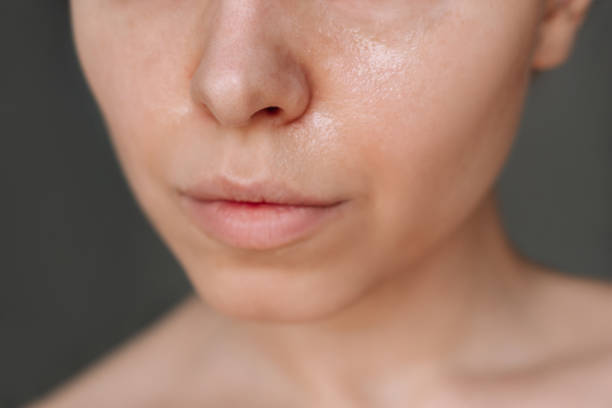
There are few things more frustrating than leaving the house with fresh, clean skin—only to catch your reflection two hours later and notice your forehead shining like a mirror.
If you’ve ever blotted your face with a tissue during a lecture, before an important meeting, or halfway through your workday, you’re definitely not alone. Oily skin is one of the most common skincare concerns across every age group. Teenagers experience it. Busy professionals struggle with it during stressful weeks. New moms notice changes after pregnancy. Even people in their 30s and 40s sometimes wonder why their skin suddenly seems oilier than ever.
The good news? Oily skin isn’t your enemy.
Actually, that’s one of the biggest surprises in skincare.
The oil your skin produces, called sebum, plays an important role in keeping your skin healthy. The challenge begins when your skin produces more than it needs. That’s when clogged pores, acne, enlarged pores, and an unwanted shine often appear.
So why does it happen?
Let’s break it down.
First Things First: What Is Oily Skin?
Oily skin simply means your sebaceous glands produce more sebum than your skin requires.
Sebaceous glands are tiny oil-producing glands attached to your hair follicles. They’re found almost everywhere on your body except your palms and the soles of your feet.
Think of them as your skin’s natural moisturiser factory.
Sebum helps:
- Keep skin soft
- Prevent excessive water loss
- Protect against environmental damage
- Support a healthy skin barrier
Without enough sebum, skin becomes dry, flaky, and more easily irritated.
Too much, though? That’s where problems begin.
Extra oil mixes with dead skin cells, sweat, sunscreen, and pollution. The result can be clogged pores, blackheads, whiteheads, and acne.
Your Skin Isn’t Trying to Annoy You, It’s Doing Its Job
Here’s something many people don’t realise.
Your skin isn’t producing oil because it’s “dirty.”
It’s responding to signals from inside and outside your body.
Imagine your skin as a busy office building.
Hormones are the managers.
Sebaceous glands are the employees.
Sebum is the product they’re making.
Sometimes management sends too many production orders.
The workers simply follow instructions.
That’s why oily skin often has much more to do with biology than with hygiene.
So, Why Is My Skin So Oily?
There isn’t one answer.
Usually, several factors work together.
1. Genetics: You May Have Been Born With It
Honestly, genetics does a lot of the heavy lifting here.
If your parents had oily skin, enlarged pores, or persistent acne, there’s a good chance you’ll experience similar concerns.
Your genes influence:
- Size of sebaceous glands
- Number of oil glands
- Hormone sensitivity
- Skin thickness
- Pore size
Unfortunately, you can’t change your DNA.
Fortunately, you can manage how your skin behaves.
2. Hormones Are Often the Biggest Driver
Hormones control oil production more than almost anything else.
Androgens, especially testosterone, stimulate sebaceous glands.
This doesn’t only affect men.
Women produce androgens too.
Hormonal shifts commonly happen during:
- Puberty
- Pregnancy
- After childbirth
- Menstrual cycles
- Perimenopause
- Menopause
- Polycystic Ovary Syndrome (PCOS)
Have you ever noticed your skin becomes oilier just before your period?
That’s not your imagination.
It’s a well-known hormonal pattern.
3. Hot, Humid Weather Makes Everything Feel Worse
Summer and oily skin aren’t exactly friends.
Heat increases sweating.
Humidity makes oil linger on the skin instead of evaporating quickly.
Together, they create that sticky feeling many people dislike.
If you live somewhere warm or humid, your skin may appear much oilier, even if your oil production hasn’t changed dramatically.
That’s one reason skincare routines often need seasonal adjustments.
4. Washing Your Face Too Much Can Backfire
Here’s a contradiction that catches many people off guard.
Cleaning your face helps reduce excess oil.
Cleaning it too often can actually make things worse.
When harsh cleansers strip away your skin’s natural oils, your skin may respond by producing even more sebum.
It’s a bit like watering a plant.
Too little isn’t good.
Too much isn’t either.
A gentle cleanser twice a day is enough for most people.
5. Your Skincare Products Might Be Working Against You
Sometimes the products meant to solve oily skin actually keep the cycle going.
Common mistakes include:
- Alcohol-heavy toners
- Harsh scrubs
- Strong soaps
- Heavy pore-clogging creams
- Skipping moisturiser completely
That last one surprises people.
Moisturizer?
For oily skin?
Yes.
When skin becomes dehydrated, it may compensate by producing additional oil.
The answer isn’t avoiding moisturiser.
It’s choosing one that’s lightweight and non-comedogenic.
6. Stress Has a Bigger Impact Than You Think
Busy week at work?
University exams?
Looking after toddlers who haven’t slept?
Stress affects much more than your mood.
Stress hormones can stimulate oil production and increase inflammation, creating the perfect environment for breakouts.
You know what?
That’s one reason people often notice acne appearing right before important presentations or major life events.
7. Does Diet Cause Oily Skin?
This question comes up all the time.
The honest answer is…not directly.
Research hasn’t shown that greasy foods make your skin greasy.
Eating fries doesn’t send oil straight to your forehead.
However, some studies suggest diets high in refined carbohydrates and foods with a high glycemic index may contribute to acne in some people.
For certain individuals, dairy may also play a role.
Everyone responds differently.
Instead of eliminating dozens of foods overnight, pay attention to patterns.
A food journal can sometimes reveal useful clues.
8. Sleep Matters More Than Most People Realize
Poor sleep doesn’t automatically create oily skin.
But sleep affects hormone regulation, stress levels, inflammation, and skin repair.
After several nights of poor sleep, your skin may appear duller, oilier, and more prone to blemishes.
Healthy skin isn’t built only in your bathroom.
A lot of the work happens while you’re asleep.
How Do You Know If You Actually Have Oily Skin?
You probably have oily skin if several of these sound familiar:
- Your face becomes shiny within a few hours of cleansing.
- Makeup slides off quickly.
- Sunscreen feels greasy by midday.
- You frequently develop blackheads.
- Your pores appear larger, especially around the nose.
- You blot your face regularly.
- Acne appears mainly in the T-zone.
If only your forehead and nose become oily while your cheeks stay comfortable, you may actually have combination skin instead.
Oily Skin Myths Worth Forgetting
Myth 1: Oily skin doesn’t need moisturiser.
False.
Hydration and oil are different things.
Your skin can be oily and dehydrated simultaneously.
Myth 2: Scrubbing harder removes oil.
Not really.
Aggressive scrubbing irritates skin and may damage the skin barrier.
Gentle cleansing works better.
Myth 3: The sun dries out oily skin.
Temporarily, maybe.
Long term, excessive sun exposure damages the skin barrier and increases the risk of premature aging and skin cancer.
Daily sunscreen still matters.
Myth 4: People with oily skin age badly.
Ironically, many dermatologists observe the opposite.
Because oily skin often retains moisture better, fine lines may appear later than in naturally dry skin.
That doesn’t mean wrinkles never happen, but oily skin does have a few unexpected advantages.
A Simple Routine That Actually Works
Complicated routines aren’t always better.
Consistency wins.
Morning
- Gentle cleanser
- Niacinamide serum (optional)
- Lightweight moisturizer
- Broad-spectrum SPF 30 or higher sunscreen
Evening
- Remove sunscreen and makeup.
- Cleanse gently.
- Apply treatment products if needed.
- Moisturize.
Simple.
Repeat.
Your skin usually appreciates consistency more than constant experimentation.
Ingredients That Oily Skin Usually Loves
Niacinamide
Helps improve the appearance of enlarged pores and supports the skin barrier.
Salicylic Acid (BHA)
One of the best ingredients for oily, acne-prone skin.
It travels into pores, helping dissolve excess oil and dead skin cells.
Clay
Clay masks absorb temporary excess oil.
Using one once or twice weekly can leave skin feeling fresher without daily stripping.
Retinoids
Retinoids encourage healthy skin cell turnover and can improve acne over time.
Results take patience.
Several weeks, or even months, are completely normal.
Hyaluronic Acid
Despite the name, it isn’t an exfoliating acid.
It’s a humectant that helps attract water to the skin.
Hydrated skin often feels more balanced.
Ingredients to Be Careful With
Some ingredients aren’t bad, but stronger isn’t always better.
Use carefully:
- High concentrations of alcohol
- Overly abrasive scrubs
- Strong essential oils
- Multiple exfoliating acids at once
More products don’t automatically mean better skin.
Sometimes they simply mean an irritated skin barrier.
Lifestyle Habits That Can Help
Small habits add up.
Try these:
- Wash pillowcases regularly.
- Clean your phone screen often.
- Avoid touching your face throughout the day.
- Remove makeup before sleeping.
- Stay hydrated.
- Manage stress where possible.
- Sleep consistently.
- Wear breathable fabrics during hot weather.
None of these habits works like magic.
Together, though, they can make a noticeable difference over time.
When Should You See a Dermatologist?
Sometimes oily skin needs more than an over-the-counter routine.
Consider seeing a dermatologist if:
- Acne becomes painful or cystic.
- Breakouts leave scars.
- Products haven’t helped after three months.
- Oil production suddenly changes dramatically.
- You suspect hormonal conditions such as PCOS.
- Your skin becomes persistently red, irritated, or inflamed.
Professional treatment can include prescription retinoids, hormonal therapies, topical medications, or other targeted options based on your skin’s needs.
Frequently Asked Questions
Can oily skin become dry?
Yes.
Oil and hydration are different. Your skin can produce excess oil while lacking enough water, leaving it both shiny and dehydrated.
Is oily skin permanent?
Not necessarily.
Hormones, age, climate, pregnancy, medications, and lifestyle changes can all affect oil production over time.
Why is my nose oilier than the rest of my face?
The nose is part of the T-zone, which naturally contains more sebaceous glands than many other areas of the face.
Does drinking more water reduce oily skin?
Not directly.
Drinking enough water supports overall health and normal skin function, but it won’t switch off oil production.
Is blotting paper bad for oily skin?
No.
Blotting papers remove surface oil without disturbing makeup and can be a handy way to reduce shine during the day.
Final Thoughts
If your skin feels oily all the time, it’s easy to think you’re doing something wrong. Most of the time, you’re not.
Your skin is following signals from your genes, hormones, environment, and daily habits. While you can’t control every one of those factors, you can build a routine that works with your skin instead of constantly fighting it.
Remember, oily skin isn’t automatically unhealthy skin. In fact, it often has strengths that people with dry skin wish they had, including a stronger natural barrier and, for many, fewer early fine lines.
The goal isn’t to eliminate every trace of oil. Your skin needs some of it. The real aim is balance, keeping excess shine, clogged pores, and breakouts under control while protecting your skin’s natural defences.
Stick with gentle, consistent care, be patient with new products, and don’t be discouraged if results take a few weeks. Healthy skin rarely changes overnight, but steady habits usually pay off. Over time, you’ll learn what your skin responds to, and that knowledge is often the most valuable skincare product of all.