
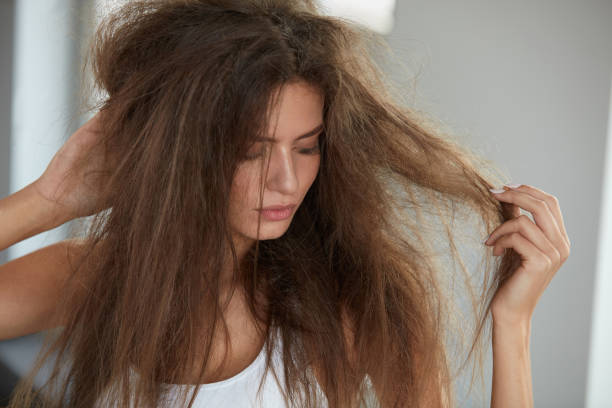
You wash your hair. You condition it. Maybe you even use a serum before rushing out the door.
Yet somehow, it still feels rough, frizzy, dull, or almost crunchy by the afternoon.
Sound familiar?
Dry hair is one of the most common hair concerns among students, young professionals, busy parents, and practically anyone trying to balance work, family, and life. The frustrating part is that dry hair rarely has just one cause. Sometimes it’s the weather. Sometimes it’s your styling routine. Other times, your hair is quietly asking for something your body isn’t getting.
The good news? Dry hair usually improves once you understand why it’s happening.
Let’s walk through what dry hair actually is, why it happens, and the simple habits that can help your hair feel softer, healthier, and much easier to manage.
First Things First: What Does “Dry Hair” Actually Mean?
Healthy hair isn’t naturally oily all the way down the strand.
Instead, your scalp produces sebum, a natural oil that coats the hair and helps seal in moisture. As that oil travels from the roots toward the ends, it protects each strand from becoming brittle.
Here’s the catch.
The longer your hair is, the harder it becomes for those natural oils to reach the tips. That’s one reason people with shoulder-length or long hair often complain about dry ends while their scalp feels perfectly normal or even oily.
Dry hair happens when the hair shaft doesn’t have enough moisture or struggles to hold onto it.
When that protective layer is damaged, moisture escapes more easily. The result?
- Rough texture
- Frizz
- Split ends
- Tangles
- Breakage
- Dull appearance
- Hair that feels stiff instead of soft
Think of your hair like a sponge.
A healthy sponge stays flexible because it contains water. Leave it out in the sun for days, and it becomes hard and brittle. Hair behaves in much the same way.
Is It Really Dry Hair or Something Else?
Before trying every moisturising shampoo on the shelf, it’s worth asking another question.
Is your hair actually dry?
Sometimes people confuse dry hair with damaged hair. The two often overlap, but they’re not the same.
Dry hair lacks moisture.
Damaged hair has structural changes caused by heat, chemicals, or physical stress.
Hair can also feel rough because of:
- Product buildup
- Hard water minerals
- Protein overload
- Environmental pollution
That’s why simply adding more conditioner doesn’t always solve the problem.
Why Is My Hair Dry? The Most Common Causes
There isn’t one universal answer, but several factors tend to appear again and again.
1. Washing Your Hair Too Often
Clean hair feels nice.
Over-clean hair? Not so much.
Every shampoo removes dirt, sweat, pollution, and some of your scalp’s natural oils.
If you’re washing daily with a strong cleansing shampoo, especially if your hair isn’t very oily, you may be stripping away more moisture than your scalp can replace.
This is especially common among people who exercise daily or work in hot climates.
That doesn’t mean you should stop washing altogether.
Instead, think about balance.
Many people with dry hair do well washing two to three times each week, although very oily scalps may need more frequent cleansing.
2. Heat Styling Is Quietly Drying Your Hair
Flat irons.
Curling wands.
Blow dryers.
Hot brushes.
They’re convenient, and they absolutely work. But repeated heat slowly weakens the hair’s outer layer.
Once that protective cuticle becomes damaged, moisture escapes much faster.
Signs of heat damage include:
- Straw-like texture
- Split ends
- Loss of shine
- Increased tangles
- Hair snapping instead of stretching
If heat styling is part of your routine, lowering the temperature even slightly can make a noticeable difference over time.
3. Hair Colouring and Chemical Treatments
Hair dye works by opening the cuticle so colour molecules can enter the strand.
Bleaching takes this even further.
The lighter you go, the more protein and moisture your hair tends to lose.
Relaxers, perms, and chemical straightening treatments also change the internal structure of the hair.
The result?
Hair often becomes more porous, meaning it absorbs moisture quickly, but loses it just as fast.
4. Weather Plays a Bigger Role Than You Think
Hair reacts to the environment almost like skin does.
During colder months, indoor heating and dry air reduce humidity.
During summer, strong sunlight and UV exposure gradually damage the hair’s protective surface.
Wind adds friction.
Saltwater pulls moisture from the hair.
Swimming pools introduce chlorine, which can leave hair feeling rough if it isn’t rinsed promptly afterwards.
Your seasonal hair routine probably shouldn’t stay the same all year.
5. Your Hair Type Naturally Matters
Curly and coily hair often feels drier than straight hair.
That’s perfectly normal.
Natural scalp oils have a much longer, more winding path to travel around curls.
By the time they reach the ends, there may not be much oil left.
This is why textured hair often benefits from richer creams, leave-in conditioners, and regular deep conditioning.
Straight hair, meanwhile, usually distributes oils more evenly.
6. Product Buildup Can Fool You
Here’s something people don’t always expect.
Hair can feel dry because there’s too much product on it.
Silicones, heavy oils, dry shampoo residue, and styling sprays can coat the hair shaft.
That coating may stop water and conditioning ingredients from reaching the strand effectively.
Ironically, your hair may feel dry even though it’s covered with products.
Using a clarifying shampoo occasionally can help remove stubborn buildup.
7. Hard Water
If you’ve moved recently and your hair suddenly feels rough, your water supply might deserve some attention.
Hard water contains minerals such as calcium and magnesium.
These minerals can collect on the hair, making it feel dull, stiff, and harder to moisturise.
Many people notice improvement after installing a shower filter or occasionally using a clarifying treatment designed for mineral buildup.
8. Not Getting Enough Nutrients
Hair isn’t essential for survival.
Your body knows that.
When nutrients are limited, your body gives priority to vital organs before hair.
Several nutrients help support healthy hair:
- Protein
- Iron
- Zinc
- Vitamin D
- Biotin (only when deficient)
- Omega-3 fatty acids
- Vitamin A in appropriate amounts
- Vitamin E
A balanced diet generally provides what healthy hair needs, but persistent nutritional deficiencies can affect hair texture and growth.
9. Stress and Lack of Sleep
Stress doesn’t only affect your mood.
Long periods of physical or emotional stress can influence hair growth cycles.
While stress doesn’t directly remove moisture from individual strands, it often leads to habits that contribute to dryness:
- Skipping meals
- Poor sleep
- Less water intake
- More heat styling
- Less consistent hair care
It’s interesting how often hair reflects what’s happening elsewhere in life.
10. Certain Medical Conditions
Sometimes dry hair has a medical explanation.
Conditions that may contribute include:
- Thyroid disorders
- Nutritional deficiencies
- Hormonal changes
- Certain inherited hair conditions
- Some medications
If your hair suddenly becomes extremely dry along with significant hair loss, fatigue, weight changes, or skin changes, it’s worth discussing with a healthcare professional.
Small Habits That Quietly Make Dry Hair Worse
Some habits seem harmless because they’re so common.
Yet over weeks and months, they add up.
These include:
- Using very hot water
- Rubbing hair aggressively with a towel
- Brushing wet hair roughly
- Tight hairstyles every day
- Sleeping on rough cotton pillowcases
- Skipping conditioner
- Constantly touching your hair
- Applying heat without a protectant
None of these habits alone ruins your hair.
Together? They certainly can.
What Helps Dry Hair Feel Soft Again?
Now for the encouraging part.
Hair doesn’t usually change overnight, but it often responds surprisingly well to consistent care.
Choose a Gentle Shampoo
Look for shampoos made for dry or damaged hair.
They generally contain milder cleansing ingredients that remove dirt without stripping every bit of natural oil.
If your scalp isn’t oily, daily shampooing may not be necessary.
Never Skip Conditioner
Conditioner isn’t optional if your hair tends to be dry.
It smooths the cuticle, reduces friction, improves shine, and helps lock in moisture.
Focus on the mid-lengths and ends rather than the scalp.
Add a Weekly Deep Conditioning Treatment
Think of deep conditioning as giving your hair a longer drink of water.
Many masks contain moisturising ingredients that stay on the hair longer than regular conditioners.
Even once each week can make a noticeable difference.
Reduce Heat Where You Can
You don’t have to give up your blow dryer forever.
Simply lowering the temperature, allowing partial air drying first, or taking occasional heat-free days can reduce ongoing damage.
Heat protectant sprays also help reduce moisture loss during styling.
Trim Split Ends
Here’s the thing.
Split ends don’t repair themselves.
Hair products may temporarily smooth them, but trimming prevents splits from travelling farther up the strand.
Regular trims help hair appear healthier even if you’re growing it longer.
Protect Hair While Sleeping
A satin or silk pillowcase reduces friction overnight.
People with curly or textured hair often notice fewer tangles and less morning frizz after making this simple switch.
Some prefer wrapping hair loosely in a silk scarf before bed.
Ingredients Worth Looking For
Shopping for hair products can feel overwhelming.
Marketing claims are everywhere.
Instead of focusing on flashy labels, check the ingredient list.
Helpful moisturising ingredients include:
- Glycerin
- Aloe vera
- Panthenol
- Shea butter
- Coconut oil
- Argan oil
- Jojoba oil
- Squalane
- Ceramides
- Hyaluronic acid in leave-in formulas
Protein ingredients like hydrolysed keratin or wheat protein can also strengthen damaged hair, but balance matters.
Too much protein without enough moisture can sometimes leave hair feeling stiff.
What About Natural Remedies?
People often ask whether kitchen ingredients can restore dry hair.
Some can temporarily improve softness.
Examples include:
- Coconut oil before shampooing
- Avocado hair masks
- Olive oil on dry ends
- Honey mixed into conditioning masks
These treatments mainly help reduce moisture loss rather than permanently repairing damaged strands.
They’re useful additions, not miracle cures.
Hair Care Looks Different for Different Hair Types
Straight Hair
Focus on lightweight hydration.
Heavy oils can make straight hair appear greasy even when the ends remain dry.
Wavy Hair
Balance is everything.
Too much moisture can flatten waves, while too little encourages frizz.
Leave-in conditioners often work well.
Curly Hair
Curly hair usually benefits from richer moisturising products.
Layering a leave-in conditioner with a cream or lightweight oil can help maintain softness between wash days.
Coily Hair
Coily hair naturally needs more moisture because natural oils have the hardest journey from scalp to ends.
Regular deep conditioning, gentle cleansing, and protective styling can all support healthier-looking hair.
Common Myths About Dry Hair
Myth: Oily Hair Can’t Be Dry
Actually, it can.
An oily scalp and dry ends often exist together.
Myth: Hair Oil Adds Moisture
Not exactly.
Most oils help seal moisture inside the hair rather than supplying moisture themselves.
Applying oil to already dry hair without adding water or conditioner first may not give the results you’re hoping for.
Myth: Cutting Hair Makes It Healthier
Hair grows from the scalp, not the ends.
Trimming doesn’t change growth rate.
It simply removes damaged sections so the remaining hair looks healthier.
Myth: Expensive Products Always Work Better
Price doesn’t always reflect performance.
A well-formulated affordable conditioner may outperform a luxury product that isn’t suited to your hair type.
Consistency often matters more than cost.
When Should You See a Healthcare Professional?
Dry hair alone usually isn’t an emergency.
Still, you should seek medical advice if you notice:
- Sudden severe dryness
- Hair falling out in large amounts
- Bald patches
- Persistent scalp itching
- Redness or pain
- Flaking that doesn’t improve
- Changes alongside fatigue or unexplained weight changes
These symptoms can sometimes point toward underlying health conditions that deserve proper evaluation.
Frequently Asked Questions
Can drinking more water fix dry hair?
Hydration supports overall health, but simply drinking more water won’t immediately moisturise existing hair strands. A healthy hair care routine is still important.
Why are my hair ends dry but my roots oily?
Natural scalp oils often don’t travel all the way to the ends, especially if your hair is long, curly, or chemically treated.
Does air conditioning dry out hair?
It can contribute by reducing humidity in indoor environments, especially when exposure is frequent.
Is frizz always caused by dryness?
Not always.
Humidity, hair texture, damage, and static can all contribute. Dryness is simply one common factor.
How long does it take to improve dry hair?
Many people notice small improvements within a few weeks after adopting a gentler routine. Hair that has been heavily damaged by bleach or repeated heat styling may take several months to look and feel noticeably healthier.
The Bottom Line
Dry hair is frustrating, but it’s also surprisingly common and, in many cases, manageable.
More often than not, it’s the result of several small factors working together rather than one dramatic cause. Heat styling, weather, frequent washing, colouring, product buildup, nutrition, and even daily routines all play a part.
The encouraging news is that healthier hair doesn’t usually require an overflowing bathroom shelf. Gentle cleansing, consistent conditioning, less heat, occasional deep treatments, and a little patience can go a long way.
If your hair suddenly changes, becomes extremely brittle, or the dryness comes with significant hair loss or other symptoms, don’t ignore it. A conversation with a healthcare professional can help identify any underlying issue.
Your hair doesn’t need to be perfect to be healthy. It simply needs the care that matches its texture, lifestyle, and everyday challenges, and once you find that balance, softer, stronger hair often follows.