Walk through almost any beauty aisle or scroll through a few hair care videos online, and you’ll notice one ingredient that never seems to disappear: aloe vera.
It’s been part of beauty traditions for centuries, yet it still finds its way into modern shampoos, conditioners, leave-in sprays, scalp serums, and hair masks. That kind of staying power usually means there’s something worthwhile behind the hype.
But here’s the thing. Aloe vera isn’t magic. It won’t suddenly make your hair grow six inches overnight or repair years of heat damage in one weekend. Still, it can become one of the most helpful ingredients in a healthy hair routine when you know what it actually does.
Whether you’re dealing with dry curls, an itchy scalp, oily roots, or hair that simply feels tired after a busy week, aloe vera offers gentle support without being harsh or complicated.
Let’s take a closer look.
Why Aloe Vera Has Become a Hair Care Classic
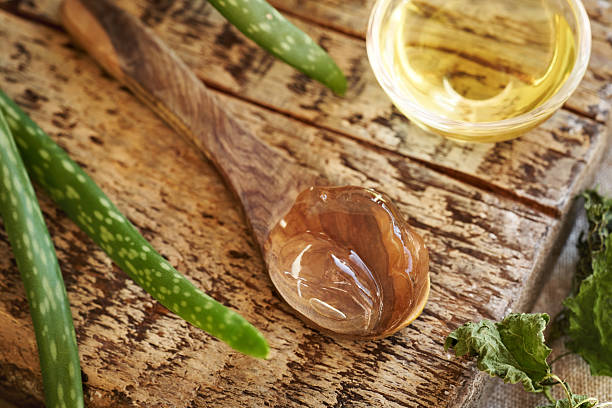
Aloe vera comes from the thick leaves of the aloe plant, where a clear, cooling gel is stored. That gel contains mostly water, but it’s also packed with naturally occurring vitamins, amino acids, minerals, sugars, and antioxidants.
Its biggest strength isn’t that it’s loaded with one miracle ingredient.
Instead, it’s the combination of hydration, soothing compounds, and lightweight conditioning that makes it appealing for nearly every hair type.
Think of aloe vera like giving your scalp and hair a tall glass of water after spending hours in the sun. It won’t fix every problem, but it often helps everything feel healthier.
What’s Actually Inside Aloe Vera?
The gel contains a variety of naturally occurring compounds, including:
- Vitamins A, C, and E
- Several B vitamins
- Amino acids
- Calcium
- Magnesium
- Zinc
- Potassium
- Plant sugars that attract moisture
- Antioxidants
These nutrients mainly support scalp health rather than changing the structure of the hair itself.
That’s an important distinction.
Hair is made mostly of keratin, which is already dead once it grows out of the scalp. Aloe vera cannot rebuild damaged strands from the inside. What it can do is improve moisture, reduce friction, calm irritation, and create an environment where healthy hair is more likely to grow.
Healthy Hair Starts with a Healthy Scalp
People often spend hundreds of dollars on expensive shampoos while forgetting the part where hair actually grows.
The scalp.
Imagine trying to grow flowers in dry, irritated soil. Even the strongest seeds would struggle.
Your scalp works much the same way.
When it’s balanced, clean, and comfortable, hair follicles can function more efficiently.
Aloe vera helps by:
- Adding lightweight hydration
- Soothing irritation
- Supporting the skin barrier
- Removing excess oil without stripping moisture
- Helping loosen flakes and buildup
That’s why many people notice their scalp feels fresher after regular aloe vera treatments.
Aloe Vera Benefits for Different Hair Types
One reason aloe vera is so popular is that it adapts surprisingly well to different hair textures.
Straight Hair
Straight hair often becomes oily quickly.
Since aloe vera feels light rather than greasy, it hydrates without making hair look flat.
Many people use it as a lightweight leave-in treatment instead of heavier creams.
Wavy Hair
Waves need moisture but can easily lose volume.
Aloe vera provides hydration while helping waves remain soft and bouncy.
Curly Hair
Curly hair naturally struggles to hold moisture.
Aloe vera works well beneath curl creams, helping curls stay hydrated without creating excessive buildup.
Coily Hair
Coily textures often need several moisturising products layered together.
Aloe vera can serve as the first moisture layer before oils and butters help seal everything in.
Color-Treated Hair
Bleached and colored hair usually becomes drier than untreated hair.
While aloe vera cannot repair chemical damage, it helps reduce dryness and improves softness between conditioning treatments.
Can Aloe Vera Help Hair Grow?
This is probably the biggest question people ask.
The honest answer?
Not directly.
There isn’t strong scientific evidence showing aloe vera speeds up hair growth on its own.
However, it may support healthier growth indirectly by:
- Reducing scalp irritation
- Improving moisture levels
- Minimizing breakage
- Helping maintain cleaner follicles
- Supporting overall scalp comfort
Sometimes people think their hair is growing faster after using aloe vera.
Often what’s really happening is they’re losing less hair to breakage.
Those are two different things.
Longer-looking hair isn’t always faster-growing hair.
Aloe Vera for Dry Hair
Dry hair usually lacks moisture, natural oils, or both.
Aloe vera adds water-based hydration without leaving behind a heavy residue.
That’s especially useful during:
- Summer heat
- Dry winter weather
- Frequent swimming
- Air-conditioned offices
- Long travel days
Busy professionals often spend hours indoors under heating or cooling systems that quietly dry out both skin and hair.
A weekly aloe treatment can help restore softness.
Can Aloe Vera Reduce Frizz?
Yes, to a degree.
Frizz often happens because dry hair absorbs moisture from humid air.
Hydrated strands are less likely to swell.
Aloe vera smooths the hair surface slightly while increasing moisture, making frizz easier to manage.
It won’t replace anti-frizz styling products on extremely humid days, but it can certainly help.
Aloe Vera for an Itchy Scalp
One of aloe vera’s strongest benefits is its soothing effect.
If your scalp feels tight, irritated, or uncomfortable, aloe vera’s cooling sensation may provide temporary relief.
People commonly use it after:
- Sun exposure
- Wearing protective styles
- Dry weather
- Sweat buildup
- Mild irritation
Persistent itching, however, should always be checked by a healthcare professional because infections, eczema, psoriasis, or allergies may require medical treatment.
Aloe Vera and Dandruff
Dandruff isn’t always caused by dryness.
Sometimes excess oil and a naturally occurring yeast on the scalp contribute to flaking.
Aloe vera may help reduce discomfort associated with mild dandruff because it:
- Helps hydrate dry skin
- Supports gentle cleansing
- Has natural soothing properties
For moderate or severe dandruff, medicated shampoos containing ingredients like ketoconazole or zinc pyrithione are generally more effective.
Can Aloe Vera Reduce Hair Breakage?
Absolutely, indirectly.
When hair stays moisturised, it’s less likely to snap during brushing or styling.
Aloe vera also improves slip, making detangling easier.
Less pulling.
Less snapping.
Healthier-looking lengths.
How to Use Aloe Vera on Your Hair
There isn’t one perfect method.
Different routines suit different needs.
As a Scalp Treatment
Massage fresh or pure aloe gel directly onto the scalp.
Leave it for about 20–30 minutes before shampooing.
Use once or twice each week.
As a Hair Mask
Spread aloe through damp hair from roots to ends.
Leave it for half an hour.
Rinse thoroughly.
Follow with conditioner if needed.
Mixed with Conditioner
Adding a small amount of aloe gel to your favourite conditioner can provide extra hydration.
Don’t mix large batches ahead of time, though. It’s better to combine them fresh before each use.
Leave-In Moisture
Apply only a tiny amount to damp hair.
Too much can leave strands feeling stiff once it dries.
Less really is more.
Easy DIY Aloe Vera Hair Treatments
Aloe + Coconut Oil
Best for:
- Dry hair
- Thick curls
- Heat damage
Mix:
- 2 tablespoons aloe vera gel
- 1 tablespoon coconut oil
Apply for 30 minutes before washing.
Aloe + Honey Mask
Honey attracts moisture naturally.
Together they create a deeply hydrating treatment.
Mix:
- 2 tablespoons aloe vera
- 1 tablespoon honey
Leave on for 20 minutes.
Aloe + Yoghurt Scalp Mask
Good for:
- Dry scalp
- Mild flakes
- Dull hair
Mix equal amounts and rinse thoroughly after about 20 minutes.
Fresh Aloe Vera or Store-Bought?
Fresh gel feels wonderfully natural, but it comes with a few downsides.
Fresh aloe:
Pros
- No added ingredients
- Rich texture
- Affordable if you have a plant
Cons
- Short shelf life
- Needs careful preparation
- Can spoil quickly
Store-bought gel:
Pros
- Convenient
- Longer-lasting
- Easy to travel with
Cons
- Some products contain alcohol, dyes, or unnecessary fragrance
Look for products where aloe vera appears near the top of the ingredient list and avoid formulas packed with drying alcohols if your hair is already dry.
Common Mistakes People Make
Even natural ingredients work best when used correctly.
Avoid these habits:
- Applying huge amounts of gel
- Leaving fresh aloe on for many hours
- Forgetting to rinse thoroughly
- Expecting overnight hair growth
- Ignoring allergic reactions
- Using spoiled fresh aloe
Consistency matters far more than using large quantities.
Is Aloe Vera Safe for Everyone?
Most people tolerate aloe vera well.
Still, allergies can happen.
Before applying it all over your scalp, perform a patch test by placing a small amount on the inside of your arm and waiting 24 hours.
Stop using it if you notice:
- Redness
- Burning
- Rash
- Swelling
- Severe itching
If you have a known allergy to aloe or related plants, avoid using it unless advised otherwise by a healthcare professional.
Frequently Asked Questions
Can I use aloe vera every day?
Yes, many people can use small amounts daily, especially as a lightweight leave-in. If your scalp starts feeling sticky or your hair develops buildup, reduce how often you use it.
Should aloe vera be applied to wet or dry hair?
Both work. Damp hair usually spreads the gel more evenly and helps with hydration.
Can aloe vera replace conditioner?
Not completely. Aloe vera adds moisture, while conditioners also smooth the hair cuticle and make detangling easier. Many people get the best results by using aloe vera alongside a good conditioner.
Does aloe vera help oily hair?
It can. Its lightweight texture provides hydration without making oily roots feel heavier, and it may help remove excess buildup during washing.
Can children use aloe vera on their hair?
Pure aloe vera is generally well tolerated, but it’s still wise to do a patch test first. For babies or children with skin conditions, check with a paediatrician or dermatologist before using new products.
Final Thoughts
Aloe vera has earned its place in hair care because it does a few simple things consistently well. It hydrates without feeling heavy, calms an irritated scalp, helps reduce breakage, and fits easily into almost any routine.
It’s also refreshingly realistic. While it won’t repair split ends or dramatically speed up hair growth, it can support the conditions that healthy hair needs over time. Think of it as part of a balanced routine rather than a miracle cure.
For students juggling classes, professionals spending long hours at work, and busy parents trying to squeeze self-care into a packed schedule, aloe vera offers something valuable: an affordable, low-maintenance way to care for both the scalp and the hair.
Healthy hair rarely comes from one product alone. Gentle cleansing, regular conditioning, a nutritious diet, protection from excessive heat, and patience all play a role. Aloe vera simply complements those habits, and sometimes, that’s exactly what your hair has been waiting for.
