Walk through almost any skincare aisle, and you’ll probably spot aloe vera somewhere on the label. Moisturisers, face masks, after-sun gels, shampoos, lip balms- it seems to be everywhere. That’s not exactly surprising. Aloe vera has been used for thousands of years, and unlike many beauty trends that come and go every few months, this one has managed to stick around.
Still, there’s a catch.
Some people talk about aloe vera as though it’s a miracle plant that can erase acne, smooth wrinkles overnight, heal every rash, and somehow replace an entire skincare routine. Others dismiss it as nothing more than fancy green water.
The truth sits comfortably in the middle.
Aloe vera offers real, science-backed benefits. It can calm irritated skin, support healing, add lightweight hydration, and make your skin feel more comfortable after too much time in the sun. At the same time, it has limits, and understanding those limits can save you money, frustration, and unrealistic expectations.
Whether you’re a busy professional trying to simplify your morning routine, a student managing breakouts between classes, or a parent squeezing skincare into five spare minutes, aloe vera deserves a closer look.
Let’s see what this famous plant actually brings to the table.
Meet Aloe Vera: More Than Just a Houseplant
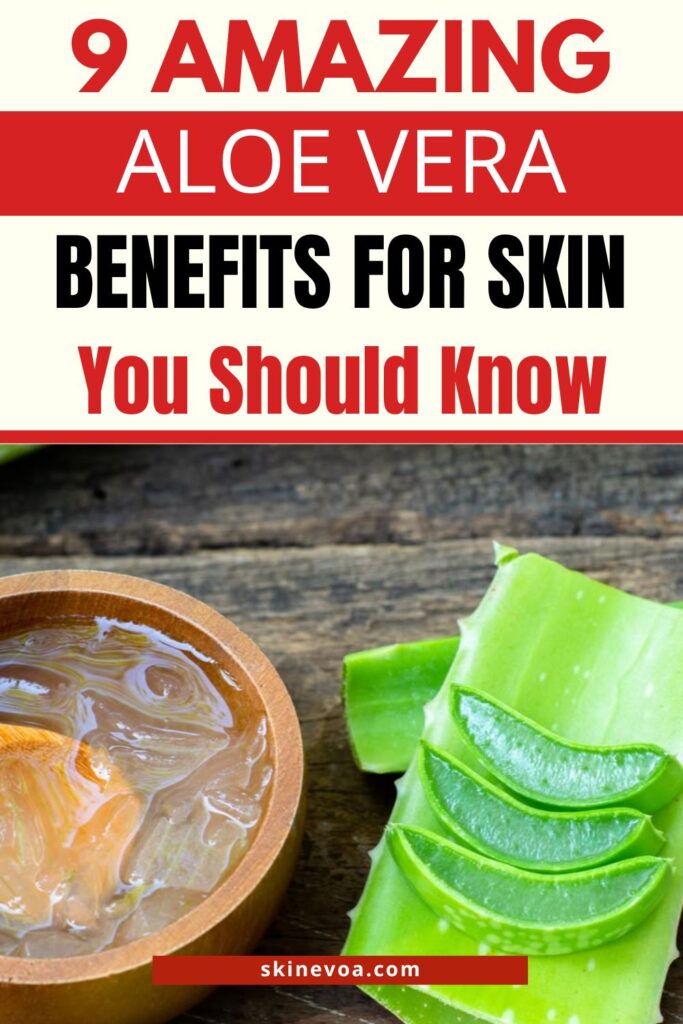
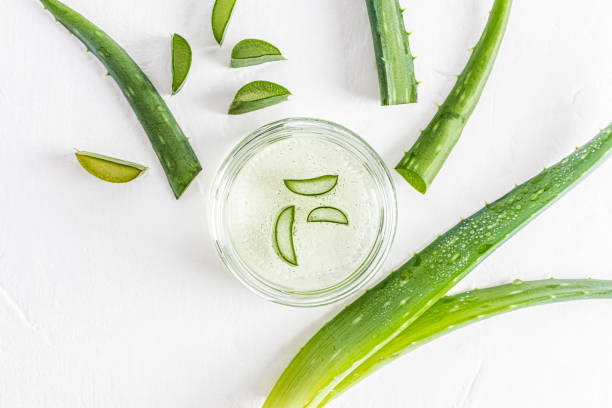
Aloe vera is a succulent that stores water inside thick, fleshy leaves. Slice one open, and you’ll find the clear gel that’s become the star ingredient in countless skincare products.
That gel is made up of about 99% water, but don’t let that fool you. The remaining 1% contains hundreds of naturally occurring compounds, including:
- Vitamins A, C, and E
- B vitamins
- Amino acids
- Enzymes
- Polysaccharides
- Minerals like zinc and magnesium
- Plant antioxidants
Many of these compounds help explain why aloe vera feels so soothing on stressed skin.
Interestingly, the gel and the yellow latex found just beneath the leaf’s outer skin are completely different substances. The gel is commonly used in skincare. The yellow latex contains compounds that can act as strong laxatives and isn’t something you want to casually apply or consume without proper guidance.
It’s an easy detail to miss, especially if you’re cutting fresh aloe straight from a plant.
Why Skin Loves Aloe Vera
Here’s the thing.
Healthy skin isn’t always about adding more products. Sometimes it’s about helping your skin stay calm enough to repair itself.
That’s where aloe vera often shines.
Lightweight Hydration Without the Greasy Feeling
People with oily or combination skin often skip moisturiser because they worry about looking shiny.
Ironically, dehydrated skin can sometimes produce even more oil.
Aloe vera delivers water to the skin without leaving behind a heavy layer of oils. That’s why it’s often found in lightweight gels designed for warm weather or humid climates.
If you’ve ever stepped outside during a hot afternoon and felt like your moisturiser was melting off your face, you already understand why lightweight hydration matters.
A Welcome Relief for Irritated Skin
Redness happens.
Maybe your skin reacted to a new exfoliant. Maybe you stayed outside longer than planned. Maybe winter heating left everything feeling dry and tight.
Aloe vera contains compounds that help soothe temporary irritation while supporting the skin’s natural barrier.
Many people notice that their skin feels cooler almost immediately after application. Part of that sensation comes from the gel’s high water content, but the plant’s naturally soothing compounds also play a role.
Sunburn Support But Not a Replacement for Sunscreen
This is probably aloe vera’s biggest claim to fame.
After spending too much time outdoors, aloe gel can help cool overheated skin and provide temporary comfort while your skin recovers.
That said, aloe vera doesn’t repair sun damage by itself.
Think of it like placing a cool cloth on a sore ankle. It helps you feel better, but it doesn’t erase the injury.
Daily sunscreen remains the most effective way to prevent sunburn, premature aging, and many forms of skin damage.
Can Aloe Vera Help Acne?
The answer is…sometimes.
Aloe vera isn’t an acne treatment on its own, but it can support acne-prone skin.
Its lightweight texture won’t clog pores, and its soothing properties may reduce the redness that often accompanies pimples.
Many dermatologists recommend products that combine aloe vera with ingredients like:
- Niacinamide
- Salicylic acid
- Benzoyl peroxide
- Azelaic acid
Why?
Because aloe vera helps offset some of the dryness these active ingredients can cause.
Instead of replacing proven acne treatments, aloe often works behind the scenes, making them easier to tolerate.
Supporting Small Wounds and Everyday Skin Recovery
Minor cuts, scrapes, shaving irritation, and small abrasions may heal more comfortably when kept clean and appropriately moisturised.
Research suggests aloe vera may encourage aspects of wound healing by maintaining moisture and supporting the skin’s repair process.
That doesn’t mean every wound belongs under an aloe gel.
Deep cuts, burns, infected wounds, or injuries requiring medical care should always be evaluated by a healthcare professional.
Can Aloe Vera Reduce Wrinkles?
Let’s be realistic.
No topical ingredient can stop aging.
Aloe vera also won’t erase deep expression lines.
However, hydrated skin naturally appears smoother, softer, and more radiant. Aloe’s antioxidants and moisturising effects may help reduce the appearance of fine dehydration lines, especially when paired with sunscreen and a well-rounded skincare routine.
Think of aloe as part of the supporting cast, not the entire production.
Don’t Forget Your Hair and Scalp
Aloe vera isn’t only for facial skincare.
Many shampoos and scalp treatments include it because it can:
- Add lightweight moisture
- Calm an itchy scalp
- Reduce dryness
- Make hair feel softer
- Improve comfort after washing
People with curly hair often appreciate aloe because it hydrates without leaving heavy buildup.
If your scalp tends to feel tight after shampooing, an aloe-based scalp serum might be worth trying.
What About Drinking Aloe Vera?
This trend comes and goes every few years.
Some wellness influencers claim aloe juice improves digestion, skin clarity, and overall health.
The evidence is much less convincing.
While purified aloe beverages may be safe for some people in moderation, drinking aloe isn’t a shortcut to glowing skin.
Your skin responds far more consistently to:
- Drinking enough water
- Eating fruits and vegetables
- Sleeping well
- Managing stress
- Wearing sunscreen
Those habits may sound less exciting than a trendy wellness drink, but they usually make the bigger difference.
Aloe Vera Has Limits, and That’s Okay
Here’s where expectations matter.
Aloe vera is helpful.
It just isn’t magical.
It won’t:
- Remove deep wrinkles
- Eliminate acne overnight
- Fade severe scars by itself
- Cure eczema
- Treat psoriasis on its own
- Reverse sun damage
- Replace prescription skincare
Sometimes marketing stretches the truth because “natural” sells.
Natural ingredients can absolutely be effective, but they still have boundaries.
Ironically, understanding those boundaries helps you appreciate what aloe actually does well.
Is Aloe Vera Safe for Everyone?
Generally, yes, but not always.
Some people develop allergic reactions, especially those sensitive to plants in the lily family.
Watch for:
- Itching
- Burning
- Rash
- Increased redness
- Swelling
Whenever you try a new skincare product, perform a patch test first.
If you’re using prescription acne medications, retinoids, or products for chronic skin conditions, talk with your healthcare provider before making major changes to your routine.
Fresh Aloe vs Store-Bought Products
Many people assume fresh aloe from a houseplant is automatically better.
Sometimes it is.
Sometimes it isn’t.
Fresh gel can be wonderfully soothing, but it spoils quickly and may contain traces of irritating latex if not prepared carefully.
Commercial products often provide:
- Better stability
- Longer shelf life
- Added preservatives for safety
- Consistent concentrations
- Extra moisturising ingredients
When shopping, look for aloe vera listed near the top of the ingredient list and avoid products packed with unnecessary fragrance if your skin is sensitive.
Easy Ways to Add Aloe Vera to Your Routine
You don’t need an elaborate routine.
In fact, aloe fits best into simple habits.
Consider using it:
Morning
Apply an aloe-based moisturiser before sunscreen if you prefer lightweight hydration.
After Exercise
Aloe gel can refresh skin after sweating, especially during warmer months.
After Shaving
Its cooling feel can reduce temporary discomfort and redness.
Evening
Use it after active ingredients like retinol or exfoliating acids if your skin feels slightly dry, provided the products are compatible with your routine.
After Sun Exposure
Apply chilled aloe gel after spending time outdoors, even if you didn’t burn, to help replenish moisture.
Common Myths About Aloe Vera
“Natural means completely safe.”
Not necessarily.
Natural ingredients can still trigger allergies or irritation.
“Aloe vera cures acne.”
It can support acne care, but it isn’t a standalone treatment for moderate or severe acne.
“More aloe is always better.”
Applying thick layers several times a day won’t necessarily improve results.
Consistency matters far more than quantity.
“Fresh aloe works for everyone.”
Fresh plants vary in quality, preparation, and purity.
Commercial formulations often provide more predictable performance.
Frequently Asked Questions
Can I use aloe vera every day?
Yes. Most people can safely use topical aloe vera daily as part of their skincare routine, provided they don’t experience irritation.
Is aloe vera good for oily skin?
Yes. Its lightweight texture hydrates without leaving a greasy finish, making it a popular choice for oily and combination skin types.
Can aloe vera remove dark spots?
Not on its own. It may support overall skin health, but ingredients like vitamin C, niacinamide, retinoids, and sunscreen have stronger evidence for improving uneven pigmentation over time.
Does aloe vera clog pores?
Pure aloe vera gel is generally considered non-comedogenic, though product formulations vary. Always check the full ingredient list.
Can I leave aloe vera on my face overnight?
Many people can, especially when using a well-formulated aloe gel or moisturiser. If you’re trying it for the first time, patch test first and discontinue use if irritation develops.
The Bottom Line
Aloe vera has earned its place in skincare, not because it’s a miracle ingredient, but because it consistently does a handful of things well. It provides lightweight hydration, helps soothe irritated skin, supports recovery after mild sun exposure, and pairs nicely with many proven skincare ingredients.
At the same time, it’s important to keep expectations realistic. Aloe vera won’t erase wrinkles overnight, cure chronic skin conditions, or replace treatments recommended by a healthcare professional. Think of it as a dependable supporting player rather than the star of every skincare concern.
For students balancing long days, busy professionals managing packed schedules, and parents who barely have time for a ten-step routine, aloe vera offers something valuable: simplicity. A quality aloe-based product can help keep skin comfortable without adding extra complexity to your day.
Healthy skin rarely comes from one miracle ingredient. More often, it comes from small, consistent habits, gentle cleansing, regular moisturising, daily sunscreen, enough sleep, good nutrition, and products that suit your skin’s needs. Aloe vera fits well into that picture, but it works best as part of the whole routine rather than the entire routine itself.