Few things can ruin a perfect day outdoors as quickly as a sunburn.
One minute you’re enjoying a beach picnic, cheering from the sidelines of a football match, walking across campus, or running errands. Hours later, your skin feels hot, tight, and surprisingly sore. By evening, even pulling on a T-shirt feels uncomfortable.
Almost everyone has been there.
The frustrating part? Sunburn often sneaks up on you. UV rays don’t announce themselves. There’s no warning alarm. The damage happens quietly, while you’re having fun or simply getting through your day.
Here’s the thing: sunburn isn’t simply a cosmetic problem. It’s your skin’s way of saying it has been injured.
The good news is that most sunburns are preventable. And if you do get burned, a few simple steps can make recovery much more comfortable while helping your skin heal properly.
Whether you’re a student walking between lectures, a busy professional commuting every day, or a parent spending weekends at the park with the kids, understanding how to protect your skin is one of the easiest investments you can make for your long-term health.
Let’s break it down.
What Exactly Is a Sunburn?
A sunburn is an inflammatory reaction that happens when your skin receives more ultraviolet (UV) radiation than it can safely handle.
Sunlight contains two main types of UV rays that affect your skin:
- UVA rays penetrate deeper into the skin and contribute to premature aging.
- UVB rays are mainly responsible for the redness and burning you notice after spending too much time in the sun.
Both types can damage skin cells and increase the risk of skin cancer over time. Even one severe sunburn can contribute to that risk later in life.
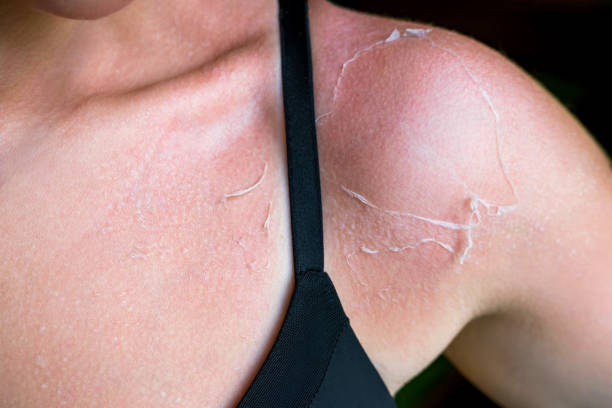
You might notice:
- Redness
- Warm skin
- Tenderness
- Pain when touched
- Swelling
- Blisters in more serious cases
- Peeling several days later
Symptoms often become worse 24 to 36 hours after exposure before they slowly improve over several days.
Why Sunburn Happens Faster Than Most People Expect
Many people assume they only need sunscreen at the beach.
Honestly, that’s one of the biggest misconceptions.
Sunburn can happen while:
- Driving
- Gardening
- Walking the dog
- Watching children’s sports
- Sitting at an outdoor café
- Hiking
- Cycling
- Waiting for public transport
Cloudy weather doesn’t necessarily protect you either. UV rays pass through clouds, and reflective surfaces such as water, sand, snow, and even concrete can increase exposure.
You may also burn faster because of:
- High altitude
- Midday sunshine
- Fair skin
- Certain medications that increase sun sensitivity
- Forgetting to reapply sunscreen
- Swimming or sweating
It’s often the combination of these factors, not just time outdoors, that catches people off guard.
Who Is Most at Risk?
Anyone can get sunburned, regardless of skin tone.
People with lighter skin usually burn more quickly, but darker skin tones can also experience sunburn and long-term UV damage. Sometimes the redness is simply harder to notice, making the burn easier to miss until tenderness develops.
Some groups should take extra care:
- Children
- Outdoor workers
- Athletes
- Beachgoers
- Hikers
- Gardeners
- People using retinoids or exfoliating acids
- Those taking medications that increase photosensitivity
If you’re following a skincare routine with ingredients like retinol or glycolic acid, daily sunscreen becomes even more important because these products can make skin more sensitive to sunlight.
Sunburn Prevention Isn’t Complicated
People often think preventing sunburn requires expensive skincare.
Not really.
Small habits usually matter far more than expensive products.
Wear Sunscreen Every Day
Dermatologists generally recommend a broad-spectrum sunscreen with SPF 30 or higher.
Broad-spectrum means protection against both UVA and UVB rays.
Apply sunscreen about 15 minutes before going outside, and don’t forget commonly missed areas like:
- Ears
- Neck
- Hands
- Feet
- Hairline
- Lips (use an SPF lip balm)
Reapply every two hours, and sooner if you’ve been swimming or sweating.
Dress for the Weather and the UV Index
Sometimes clothing protects better than sunscreen.
Consider:
- Wide-brim hats
- UV-blocking sunglasses
- Long-sleeved lightweight shirts
- Breathable fabrics with UPF ratings
This doesn’t mean dressing like it’s winter.
Modern sun-protective clothing is surprisingly comfortable, even in warm weather.
Seek Shade When You Can
If you’re outdoors between 10 a.m. and 4 p.m., UV rays are generally strongest.
Planning outdoor exercise early in the morning or later in the afternoon can significantly reduce sun exposure.
Check the UV Index
Many weather apps include the daily UV Index.
When it’s 3 or higher, extra sun protection is recommended.
It’s a simple habit that can save your skin, literally.
Picking a Sunscreen Doesn’t Have to Be Confusing
Walk into any pharmacy, and you’ll see dozens of options.
Sprays.
Lotions.
Mineral.
Chemical.
Tinted.
Sensitive skin formulas.
Water-resistant.
No wonder people feel overwhelmed.
Here’s a practical guide:
| Skin Type | Good Choice |
|---|---|
| Oily skin | Lightweight gel or fluid sunscreen |
| Dry skin | Moisturising cream sunscreen |
| Sensitive skin | Mineral sunscreen with zinc oxide or titanium dioxide |
| Active lifestyle | Water-resistant SPF 30–50 |
| Makeup users | Lightweight facial sunscreen that layers well |
The best sunscreen is usually the one you’ll actually use every day.
Consistency beats perfection.
Common Sun Protection Mistakes
Even people who wear sunscreen sometimes end up burned.
Why?
Usually because of small mistakes.
The most common ones include:
- Applying too little sunscreen
- Forgetting to reapply
- Missing the ears and neck
- Skipping sunscreen on cloudy days
- Assuming makeup with SPF is enough
- Using expired sunscreen
- Staying outside longer because sunscreen creates a false sense of security
Sunscreen is one layer of protection, not permission to spend unlimited time in intense sunlight.
So, You Got Sunburned. Now What?
First, don’t panic.
Most mild sunburns heal within several days.
The goal is to reduce inflammation while allowing the skin to repair itself.
Step One: Get Out of the Sun
It sounds obvious.
But many people stay outside after noticing redness.
The earlier you stop additional UV exposure, the better.
Step Two: Cool the Skin
Take:
- A cool shower
- A cool bath
- Or place a cool, damp cloth on the affected area
Avoid ice directly on the skin because it may cause additional irritation.
Step Three: Moisturise
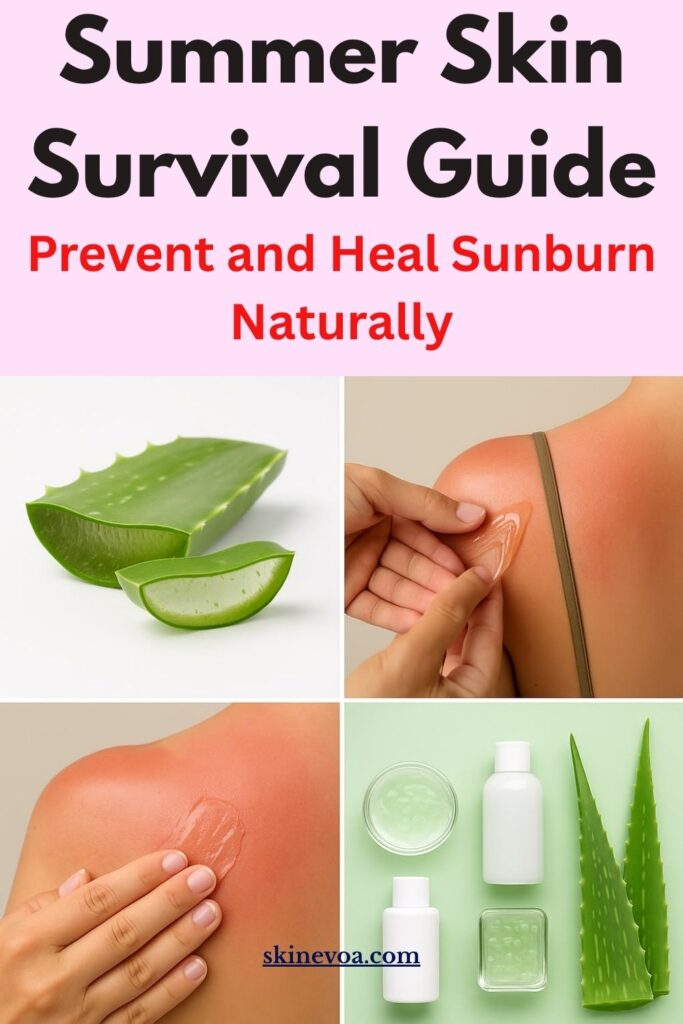
Once your skin is slightly damp after bathing, apply a fragrance-free moisturiser or aloe vera gel.
This helps reduce dryness while supporting the skin barrier.
Avoid products containing alcohol because they can dry the skin further.
Step Four: Drink Extra Fluids
Sunburn can draw fluid toward damaged skin, increasing the risk of dehydration.
Water is usually enough, though electrolyte-rich drinks may help if you’ve also been sweating heavily outdoors.
Step Five: Manage Pain
If needed, over-the-counter pain relievers such as ibuprofen or acetaminophen may help reduce discomfort, provided they’re appropriate for you and used as directed on the label.
Helping Your Skin Recover
Recovery isn’t about making peeling disappear overnight.
Skin simply needs time.
During healing:
- Continue moisturising regularly.
- Wear loose cotton clothing.
- Avoid additional sun exposure.
- Be gentle when washing.
- Skip harsh exfoliants.
- Avoid retinoids and strong acids until your skin has recovered.
You know what?
Peeling can look tempting.
Don’t pull it.
That peeling skin is part of your body’s natural repair process.
Things You Shouldn’t Do
Sometimes good intentions backfire.
Avoid:
- Popping blisters
- Scrubbing peeling skin
- Taking very hot showers
- Using harsh exfoliating products
- Applying heavily fragranced lotions
- Returning to intense sun exposure before healing
Blisters actually help protect damaged skin underneath. Leaving them intact lowers the risk of infection.
When Should You See a Doctor?
Most mild burns improve with home care.
However, seek medical attention if you experience:
- Large areas of blistering
- Severe swelling
- High fever
- Confusion
- Persistent vomiting
- Fainting
- Signs of infection such as pus or spreading redness
- Severe eye pain or vision changes
These symptoms may indicate a more serious burn or complications that need prompt evaluation.
The Long-Term Picture
Here’s where prevention really matters.
Sunburn isn’t just about a painful weekend.
Repeated UV exposure can contribute to:
- Fine lines
- Wrinkles
- Dark spots
- Uneven skin tone
- Loss of elasticity
- Skin cancers, including melanoma
The effects build gradually over years, which is why daily protection, even on ordinary workdays, makes such a difference.
Frequently Asked Questions
Can you get sunburned through clouds?
Yes. UV rays can penetrate clouds, so sunscreen is still important on overcast days.
Does darker skin need sunscreen?
Absolutely. While darker skin often has more natural protection against UV damage, it can still burn and develop long-term sun-related skin damage.
Is peeling a good sign?
Peeling means your skin is shedding damaged cells as it heals. It’s part of recovery, but avoid picking or peeling the skin yourself.
Can makeup replace sunscreen?
Usually not. Most people don’t apply enough makeup to achieve the labelled SPF. Wearing a dedicated sunscreen underneath is still recommended.
Is aloe vera enough to treat a sunburn?
Aloe vera may soothe discomfort and moisturise the skin, but it doesn’t reverse UV damage. Cooling the skin, staying hydrated, avoiding further sun exposure, and protecting the skin while it heals remain the foundation of recovery.
Final Thoughts
Sunburn is one of those health issues that’s easy to brush off, until you’re the one struggling to sleep because your shoulders feel like they’re radiating heat.
The encouraging part is that preventing it doesn’t require a complicated routine. A broad-spectrum sunscreen, protective clothing, a little shade during peak UV hours, and the habit of checking the daily UV Index go a long way.
If you do get burned, respond quickly. Cool the skin, moisturise gently, drink plenty of water, and give your body time to recover. Most mild sunburns heal well with supportive care, but severe burns deserve medical attention.
Healthy skin isn’t about avoiding the outdoors. It’s about enjoying sunshine with a bit of planning, so you can keep making memories without bringing home a painful reminder.