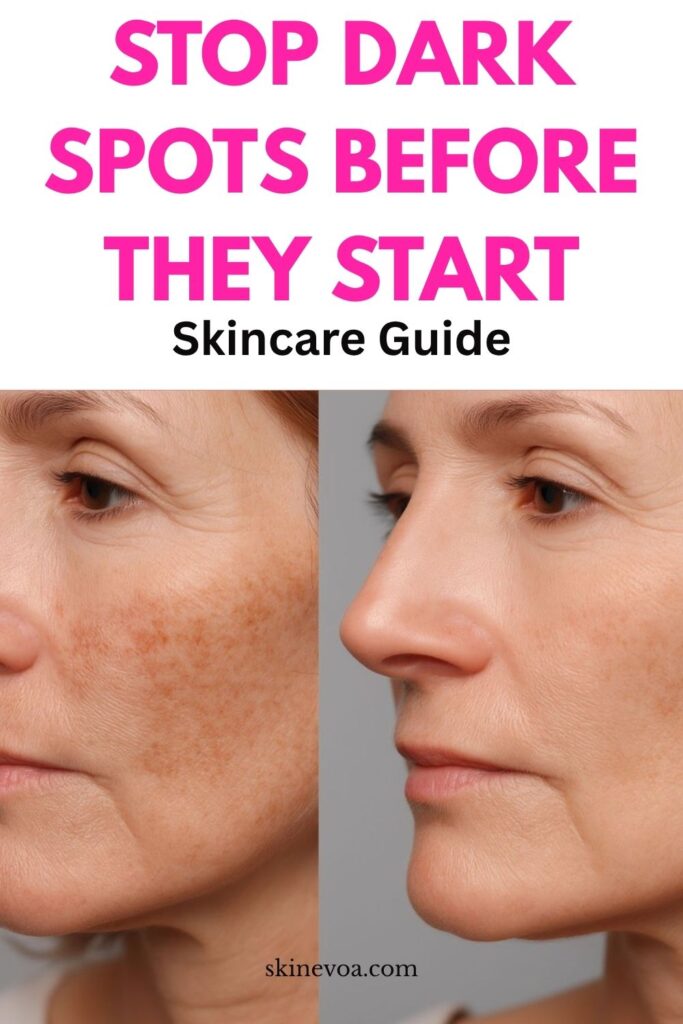

Have you ever spent a beautiful day outdoors only to notice a few weeks later that your skin seems darker in certain spots?
Maybe it’s a patch on your cheek. A cluster of tiny marks near your forehead. Or perhaps those old acne scars suddenly look more noticeable after a beach trip.
If that sounds familiar, you’re not imagining things.
Sun exposure is one of the biggest causes of dark spots, uneven skin tone, and long-lasting pigmentation. The frustrating part? The damage often doesn’t show up immediately. It can take days or even weeks before those stubborn spots become visible.
The good news is that preventing dark spots after sun exposure is much easier than trying to remove them later. Prevention saves time, money, and plenty of frustration.
Let’s talk about why these spots happen and, more importantly, what you can do to keep your skin looking healthy, bright, and even-toned.
What Are Dark Spots, Exactly?
Dark spots are areas of skin that produce excess melanin.
Melanin is the pigment responsible for your skin colour. When your skin experiences stress or injury, such as sun damage, it may produce more melanin in certain areas.
The result?
Small patches that appear darker than the surrounding skin.
You might hear dermatologists call these:
- Hyperpigmentation
- Sun spots
- Age spots
- Solar lentigines
- Post-inflammatory hyperpigmentation (PIH)
While they aren’t usually harmful, they can be difficult to fade once they develop.
That’s why prevention matters so much.
Why Does Sun Exposure Cause Dark Spots?
Here’s the thing: your skin sees sunlight differently than you do.
You might think of sunshine as warmth, summer vacations, and outdoor fun. Your skin sees ultraviolet radiation.
When UV rays hit the skin, melanocytes, the cells responsible for producing pigment, go into defence mode.
Think of melanin as your skin’s natural umbrella.
The body increases melanin production to protect deeper layers from damage. While this response is helpful, it can sometimes become uneven.
Instead of an even tan, you may end up with patches of excess pigmentation.
Over time, repeated exposure creates cumulative damage.
One afternoon outside won’t necessarily cause visible dark spots. But weeks, months, and years of exposure can gradually lead to discolouration.
Who Is Most Likely to Develop Sun-Induced Dark Spots?
Anyone can develop pigmentation issues.
However, certain people are more vulnerable.
Individuals With Medium to Deep Skin Tones
People with naturally higher melanin levels often experience post-inflammatory hyperpigmentation more frequently.
A small amount of irritation can trigger excess pigment production.
People With Acne-Prone Skin
Acne and sunlight are a troublesome combination.
UV exposure can darken existing acne marks, making them linger longer than expected.
Pregnant Women
Hormonal changes during pregnancy can increase melanin production.
This condition, known as melasma, often appears on the cheeks, forehead, or upper lip.
Those Using Certain Skincare Products
Retinoids, exfoliating acids, and some prescription medications can increase sensitivity to sunlight.
Without proper sun protection, pigmentation can become more likely.
The Hidden Connection Between Inflammation and Dark Spots
This is where things get interesting.
Most people think sun exposure alone causes pigmentation.
That’s only partly true.
Inflammation often plays a major role.
When skin becomes irritated, whether from acne, aggressive scrubs, allergic reactions, or even excessive heat, it becomes more prone to discolouration.
Now combine inflammation with UV exposure.
That’s when pigmentation tends to become more noticeable.
It’s a bit like spilling coffee on a white shirt and then leaving it in the sun. The stain doesn’t simply disappear; it often becomes more set.
Your skin behaves in a surprisingly similar way.
Your Daily Prevention Plan Starts Here
Let’s move from theory to action.
Because preventing dark spots after sun exposure is really about creating small habits that work together.
Wear Sunscreen Every Single Day
Yes, every day.
Even when it’s cloudy.
Even when you’re working from home.
Even when you’re only driving to work and back.
Ultraviolet rays can penetrate clouds and pass through windows.
Look for:
- SPF 30 or higher
- Broad-spectrum protection
- Water-resistant formulas for outdoor activities
Many dermatologists recommend SPF 50 for extended outdoor exposure.
Brands like La Roche-Posay, CeraVe, Eucerin, and EltaMD offer highly regarded options.
The important part isn’t finding the “perfect” sunscreen.
It’s wearing one consistently.
Reapply More Often Than You Think
Here’s a common mistake.
Many people apply sunscreen once in the morning and assume they’re protected all day.
Unfortunately, sunscreen gradually breaks down.
If you’re outdoors, reapply every two hours.
If you’re swimming or sweating heavily, reapply even sooner.
It sounds excessive until you realise that most pigmentation issues develop from repeated exposure over time.
Wear Protective Clothing
Sunscreen isn’t your only defence.
In fact, clothing often provides more reliable protection.
Consider:
- Wide-brimmed hats
- Sunglasses
- Long-sleeved lightweight shirts
- UV-protective clothing
A good hat can shield areas where pigmentation commonly appears, including the forehead, cheeks, and nose.
Sometimes the simplest solution really is the most effective.
Seek Shade During Peak Sun Hours
The strongest UV radiation typically occurs between 10 a.m. and 4 p.m.
That doesn’t mean you need to stay all day indoors.
It simply means being strategic.
Sit under an umbrella.
Walk on the shaded side of the street.
Take lunch breaks indoors when possible.
Small adjustments add up.
Skincare Ingredients That Help Prevent Dark Spots
Prevention isn’t only about blocking sunlight.
Certain ingredients can help regulate pigment production and support skin recovery.
Vitamin C
Vitamin C is one of the most researched skincare ingredients available.
It helps:
- Neutralise free radicals
- Brighten the complexion
- Support collagen production
- Reduce the appearance of uneven pigmentation
Think of it as a backup defence system working alongside sunscreen.
Not instead of sunscreen, alongside it.
That’s an important distinction.
Niacinamide
Niacinamide has become incredibly popular, and for good reason.
This versatile ingredient may help:
- Reduce redness
- Strengthen the skin barrier
- Improve uneven skin tone
- Minimise pigment transfer within the skin
Many people notice improvements after several weeks of consistent use.
Azelaic Acid
Azelaic acid is often recommended for individuals struggling with acne and pigmentation at the same time.
It helps calm inflammation while addressing discolouration.
For busy professionals and moms juggling a million responsibilities, multipurpose products can be a welcome shortcut.
Antioxidants
Environmental stressors don’t stop at sunlight.
Pollution, heat, and daily stress can contribute to skin damage.
Antioxidants help reduce oxidative stress and support overall skin health.
Popular options include:
- Vitamin E
- Green tea extract
- Ferulic acid
- Resveratrol
What To Do Immediately After Sun Exposure
Let’s say you’ve spent more time outside than planned.
Maybe your kids wanted one more hour at the park.
Maybe a work event ran longer than expected.
Now what?
Cool the Skin
A cool shower can help reduce heat and irritation.
Avoid very hot water, which may increase inflammation.
Hydrate Generously
Sun exposure can leave skin dehydrated.
Use a moisturiser containing ingredients such as:
- Hyaluronic acid
- Ceramides
- Glycerin
Healthy, hydrated skin tends to recover more efficiently.
Avoid Aggressive Exfoliation
This surprises many people.
When skin feels damaged, some people immediately reach for scrubs or strong acids.
That often makes matters worse.
Allow your skin time to recover before introducing intense treatments.
Continue Using Sunscreen
This sounds obvious, yet many people skip sunscreen after a mild sunburn.
The skin is already stressed.
Additional UV exposure only increases the risk of pigmentation.
Lifestyle Habits That Influence Skin Pigmentation
Skincare is important.
But it isn’t the whole story.
Your daily lifestyle affects your skin more than many marketing campaigns would have you believe.
Prioritize Sleep
Skin repair occurs primarily during sleep.
Consistently poor sleep may contribute to inflammation and slower recovery.
No serum can completely replace a good night’s rest.
Stay Hydrated
Hydration won’t magically erase pigmentation.
Still, properly hydrated skin functions better overall.
Aim for steady water intake throughout the day.
Eat Antioxidant-Rich Foods
Colourful fruits and vegetables provide nutrients that support skin health.
Examples include:
- Blueberries
- Strawberries
- Spinach
- Kale
- Sweet potatoes
- Bell peppers
Interestingly, some dermatologists refer to nutrition as “internal skincare.”
It’s not a replacement for sunscreen, but it can support healthier skin over time.
Manage Stress
Stress affects hormone levels, inflammation, and skin recovery.
Busy professionals often notice skin flare-ups during particularly demanding periods.
Coincidence?
Not always.
Chronic stress can influence multiple skin conditions, including pigmentation concerns.
Common Mistakes That Make Dark Spots Worse
Even people with good intentions sometimes sabotage their results.
Watch out for these common errors.
Skipping Sunscreen Indoors
UV rays can still reach your skin through windows.
Picking at Acne
Every squeezed blemish increases the risk of post-inflammatory hyperpigmentation.
Using Too Many Active Ingredients
More isn’t always better.
Overloading the skin can increase irritation.
Assuming One Treatment Will Fix Everything
Pigmentation management requires consistency.
There’s rarely a single miracle product.
Waiting Until Summer To Think About Sun Protection
Sun exposure occurs year-round.
Winter and cloudy days still matter.
When Should You See a Dermatologist?
Most dark spots improve gradually with proper care.
However, consider professional evaluation if:
- Spots change shape rapidly
- Pigmentation appears suddenly without explanation
- Over-the-counter products aren’t helping
- You suspect melasma
- The spots cause significant concern
A dermatologist can assess the underlying cause and recommend treatments tailored to your skin type.
Frequently Asked Questions
Can dark spots appear weeks after sun exposure?
Yes. Pigmentation often develops gradually and may not become noticeable immediately.
Does darker skin need sunscreen?
Absolutely.
While darker skin contains more melanin, it can still develop sun damage and hyperpigmentation.
Can vitamin C replace sunscreen?
No.
Vitamin C complements sunscreen but does not replace UV protection.
Are dark spots permanent?
Many dark spots fade over time, though some require professional treatment or long-term skincare strategies.
Can indoor light cause pigmentation?
Visible light and prolonged exposure near windows may contribute to pigmentation in some individuals, especially those prone to melasma.
Final Thoughts
Preventing dark spots after sun exposure isn’t about chasing perfection. It’s about consistency.
The small choices you make each day- applying sunscreen, wearing a hat, seeking shade, using protective skincare ingredients, and taking care of your overall health- can have a significant impact over time.
And that’s encouraging, isn’t it?
You don’t need an expensive ten-step routine or a bathroom shelf packed with products. You need habits that fit your lifestyle and that you can stick with even on busy mornings, school runs, work commutes, and weekend adventures.
Start with sunscreen. Add a few supportive skincare ingredients. Protect your skin when you’re outdoors.
Do that consistently, and you’ll give your skin its best chance to stay clear, healthy, and beautifully even-toned for years to come.