
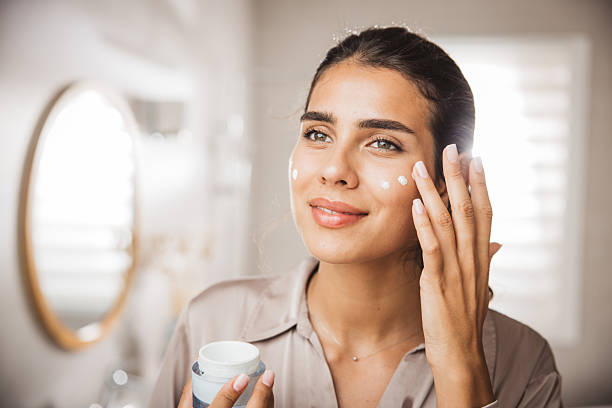
If you’ve ever searched for skincare online, you’ve probably seen routines with ten products, unfamiliar ingredients, and influencers promising “glass skin” in seven days.
It’s exciting, until it isn’t.
One minute you’re looking for a basic face wash. Ten minutes later you’re wondering whether you need peptides, ceramides, niacinamide, retinal, vitamin C, snail mucin, or all of them at once.
Here’s the thing.
Good skincare is usually much simpler than social media makes it seem.
Whether you’re a student juggling classes, a busy professional rushing between meetings, a new mom with five quiet minutes to herself, or someone who’s simply decided it’s finally time to take care of their skin, this guide will help you build a routine that actually makes sense.
No complicated chemistry degree required.
Just practical advice backed by dermatology, explained like a friend who’s spent years learning what works and what doesn’t.
First Things First: What Is Skincare?
Skincare isn’t about chasing perfection.
It’s about keeping your skin healthy enough to do its job.
Your skin is your body’s largest organ. Every single day it protects you from pollution, bacteria, UV radiation, harsh weather, and moisture loss. Think of it as your home’s roof. Most days you don’t think about it. But when something goes wrong, you notice immediately.
Healthy skin doesn’t have to be perfectly smooth.
It doesn’t have to be poreless.
It doesn’t have to glow every hour of every day.
Healthy skin simply feels comfortable, stays hydrated, recovers well, and has fewer problems over time.
Ironically, trying too hard often causes more issues than doing too little.
Before You Buy Anything. Know Your Skin Type
Imagine buying running shoes without knowing your shoe size.
That’s what skincare feels like when you skip figuring out your skin type.
Luckily, it’s easier than most people expect.
Oily Skin
Your face becomes shiny within a few hours after washing.
Common signs include:
- Enlarged pores
- Frequent breakouts
- Makeup sliding off
- Excess oil, especially around the forehead, nose, and chin
The upside?
Oily skin often develops wrinkles later than dry skin because natural oils help maintain moisture.
Dry Skin
Dry skin often feels tight after cleansing.
You may notice:
- Flaky patches
- Rough texture
- Dull appearance
- Fine lines appearing more noticeable
Dry skin doesn’t produce enough oil to protect itself comfortably.
Combination Skin
This is probably the most common skin type.
Your T-zone (forehead, nose, and chin) feels oily while your cheeks remain dry or normal.
It can feel confusing because different parts of your face need different levels of care.
Normal Skin
Lucky you.
Normal skin isn’t too oily or too dry.
That doesn’t mean it’s maintenance-free, though. Healthy habits still matter.
Sensitive Skin
Sensitive skin isn’t exactly a skin type; it’s more of a condition.
It may react with:
- Redness
- Burning
- Itching
- Stinging
- Unexpected irritation
Fragrance, alcohol, weather changes, or new products can all trigger reactions.
The Skin Barrier: Your Skin’s Invisible Shield
Honestly, this might be the most important concept beginners should understand.
Your skin barrier is the outermost layer of your skin.
Picture a brick wall.
The skin cells are the bricks.
Lipids, ceramides, cholesterol, and fatty acids act like the mortar holding everything together.
When that wall is healthy, moisture stays in.
Irritants stay out.
When it’s damaged, your skin starts sending distress signals:
- Redness
- Tightness
- Burning
- Dryness
- Increased sensitivity
- More breakouts than usual
Sometimes people think they’re “purging.”
Often they’re simply irritating their skin.
A healthy barrier makes every other skincare product work better.
The Beginner Routine That Actually Works
You know what?
You really only need four essentials.
That’s it.
Step 1: Cleanser
A cleanser removes:
- Dirt
- Sweat
- Excess oil
- Sunscreen
- Makeup
- Pollution
Choose a gentle cleanser.
Your face shouldn’t feel squeaky clean afterwards. That tight feeling usually means you’ve removed too much of your skin’s natural protection.
Step 2: Moisturiser
Many beginners skip moisturiser because they think oily skin doesn’t need it.
Actually
Oily skin still needs hydration.
When skin becomes dehydrated, it sometimes produces even more oil to compensate.
A good moisturiser helps support the skin barrier while reducing water loss throughout the day.
Step 3: Sunscreen
If skincare had a superhero, sunscreen would wear the cape.
Daily sunscreen helps prevent:
- Premature aging
- Hyperpigmentation
- Sunburn
- Uneven skin tone
- Some forms of skin cancer
Choose SPF 30 or higher and apply it every morning, even when it’s cloudy.
Yes, even if you work indoors near windows.
UV rays are surprisingly persistent.
Step 4: One Treatment (Eventually)
Notice the word eventually.
Don’t rush.
Spend at least three or four weeks using cleanser, moisturiser, and sunscreen consistently before adding active ingredients.
Consistency beats complexity almost every time.
Morning Routine: Five Minutes Is Enough
Morning skincare doesn’t need to be elaborate.
A simple routine looks like this:
- Cleanse (or rinse with water if appropriate for your skin)
- Apply antioxidant serum if you’re using one
- Moisturize
- Finish with sunscreen
Done.
You don’t need twelve layers.
Evening Routine: Repair Mode
Nighttime is when your skin naturally repairs itself.
Your evening routine might look like:
- Remove makeup
- Wash your face
- Apply treatment products
- Moisturize generously
If you wear heavy sunscreen or makeup, consider double cleansing.
That means using an oil-based cleanser first, followed by a gentle water-based cleanser.
Think of it like washing a greasy frying pan.
Water alone doesn’t remove everything.
Ingredients Beginners Should Know
Ingredient labels can look intimidating.
Let’s simplify them.
Hyaluronic Acid
Despite the name, it isn’t harsh.
It attracts water into the skin, helping it appear plumper and smoother.
Suitable for almost everyone.
Niacinamide
One of the most beginner-friendly ingredients available.
It may help reduce:
- Excess oil
- Redness
- Enlarged pores
- Uneven skin tone
It also supports the skin barrier.
Ceramides
Remember the brick wall analogy?
Ceramides are part of the mortar.
They’re fantastic for dry or sensitive skin.
Vitamin C
Vitamin C helps brighten skin while protecting against environmental damage.
Morning is usually the preferred time to use it, followed by sunscreen.
Retinol
Retinol deserves its popularity, but also some respect.
It can improve:
- Fine lines
- Acne
- Skin texture
- Pigmentation
However, beginners should start slowly.
One or two nights per week is often enough at first.
Salicylic Acid
Excellent for oily and acne-prone skin.
It penetrates pores to help dissolve excess oil.
Glycolic Acid
This exfoliating acid removes dead skin cells from the surface.
Used correctly, it improves texture and brightness.
Used too often?
It can leave your skin irritated.
Ingredients You Shouldn’t Throw Together Immediately
More isn’t always better.
Some combinations increase irritation, especially for beginners.
Examples include:
- Retinol with strong exfoliating acids on the same night
- Multiple exfoliating acids together
- Several new products introduced simultaneously
Instead, introduce one product every two or three weeks.
That way, if irritation happens, you’ll know the cause.
Common Beginner Mistakes
Almost everyone makes these mistakes.
Really.
Washing Too Often
Twice daily is usually enough.
More washing doesn’t necessarily mean cleaner skin.
Chasing Trends
Not every viral product deserves a place in your routine.
Some products become popular because they’re genuinely effective.
Others simply have great marketing.
Expecting Overnight Results
Skin cells renew gradually.
Real improvement usually appears after several weeks.
Patience matters.
Using Too Many Active Ingredients
This happens surprisingly often.
Someone buys vitamin C, retinol, glycolic acid, salicylic acid, and benzoyl peroxide, all in one shopping trip.
Their skin reacts.
Then they assume skincare doesn’t work.
Sometimes less truly is more.
Skipping Sunscreen
Imagine spending months improving pigmentation while UV exposure quietly creates new spots every day.
That’s what skipping sunscreen can do.
So, How Long Does Skincare Take?
This is probably the question everyone asks.
Here’s a rough guide:
- Hydration: a few days
- Barrier repair: two to six weeks
- Acne improvement: six to twelve weeks
- Hyperpigmentation: two to six months
- Anti-aging benefits: several months
Consistency matters more than expensive products.
Missing one day isn’t a disaster.
Missing most days slows progress.
A Beginner Routine Doesn’t Have to Be Expensive
Higher prices don’t always mean better formulas.
Many affordable brands produce excellent cleansers, moisturisers, and sunscreens.
Spend wisely.
If your budget is limited, prioritise:
- Gentle cleanser
- Moisturizer
- Sunscreen
Everything else can come later.
Think of skincare like building a house.
You don’t start with decorative lighting before pouring the foundation.
Your Skin Changes with the Seasons
Your routine shouldn’t stay the same all year.
During hot, humid months:
- Choose lightweight moisturisers
- Reapply sunscreen more often
- Cleanse after heavy sweating
During colder months:
- Switch to richer moisturisers
- Reduce exfoliation if skin feels tight
- Use gentle cleansers that don’t strip moisture
Little seasonal changes often make a noticeable difference.
Skincare Myths That Refuse to Go Away
“Natural products are always safer.”
Not necessarily.
Poison ivy is natural too.
Ingredients should be judged by evidence, not whether they came from a plant.
“You don’t need sunscreen indoors.”
Windows allow UVA rays to pass through.
If you’re near windows for long periods, sunscreen is still helpful.
“If it tingles, it’s working.”
Sometimes.
Often it simply means irritation.
Comfortable skin is usually happier skin.
“Expensive skincare works better.”
Sometimes yes.
Sometimes no.
Formula quality matters much more than the price tag.
Frequently Asked Questions
At what age should I start skincare?
A basic routine with cleanser, moisturiser, and sunscreen can begin during the teenage years. Active ingredients should be added only when there’s a clear need.
Can I skip moisturiser if I have oily skin?
Generally, no. Oily skin still benefits from hydration, especially if you’re using acne treatments.
Should I exfoliate every day?
Most beginners don’t need daily exfoliation. One to three times a week is usually enough, depending on the product and your skin’s tolerance.
Why is my skin breaking out after starting a new routine?
It could be irritation, a temporary purge from certain active ingredients, or a product that doesn’t suit your skin. Introduce new products one at a time to help identify the cause.
Do I need separate products for morning and night?
Not necessarily. Many people use the same cleanser and moisturiser both morning and evening. The biggest difference is that sunscreen belongs in the daytime routine, while stronger treatment products are often better suited for the evening.
Final Thoughts
Starting skincare can feel overwhelming, but it doesn’t have to stay that way.
The most effective routine isn’t the one with the most products. It’s the one you’ll actually follow. A gentle cleanser, a moisturiser that suits your skin, and sunscreen every morning create a strong foundation for healthy skin. From there, you can gradually add targeted treatments if you have concerns like acne, dark spots, or fine lines.
Give your skin time to adapt. Resist the temptation to change products every week because of a trending video or a glowing review. Skin responds to consistency far better than constant experimentation.
Healthy skin is a long-term project, not a weekend challenge. Small habits, repeated day after day, often produce the biggest improvements. Start simple, stay patient, and let your routine grow with your skin’s needs. Over time, you’ll likely find that confidence comes not from owning dozens of products, but from knowing exactly what your skin needs and what it doesn’t.