
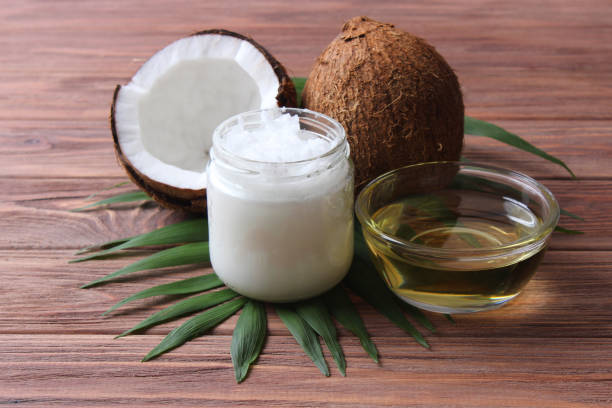
Walk into almost any kitchen, and you’ll probably find a jar of coconut oil sitting on a shelf. Walk into a beauty aisle, and you’ll notice something interesting: many expensive shampoos, conditioners, and hair masks proudly mention coconut oil on their labels.
That’s not a coincidence.
For generations, coconut oil has been a trusted hair care staple across tropical regions, from India and Sri Lanka to the Philippines and parts of Africa. Long before salon treatments and luxury hair serums became popular, people relied on this simple natural oil to keep their hair smooth, resilient, and healthy.
But here’s the thing.
Not every coconut oil hair treatment delivers the same results. Some people swear their hair has never looked better. Others complain that it leaves their strands greasy or heavy.
Both experiences are real.
The difference usually comes down to knowing when, how, and how much coconut oil to use.
Whether you’re a student rushing between classes, a busy professional managing meetings, or a parent trying to squeeze in five minutes of self-care before bedtime, this guide will help you understand exactly how coconut oil fits into a realistic hair care routine.
Why Coconut Oil Has Earned Its Reputation
Hair goes through a lot.
Heat styling. Sun exposure. Tight hairstyles. Coloring. Chlorine. Dry weather. Humidity. Even brushing too aggressively can slowly wear down the protective outer layer of each strand.
Think of your hair like a rope.
When the tiny fibres stay tightly woven together, the rope remains strong. But once those fibres begin separating, the rope weakens and frays.
Hair behaves much the same way.
Coconut oil helps reduce some of that everyday wear by coating and, more importantly, penetrating the hair shaft better than many common oils.
That’s one reason researchers continue studying it decades after it first gained attention in cosmetic science.
What Makes Coconut Oil Different?
Many natural oils simply sit on the surface of your hair.
That’s not necessarily bad; they can add shine and reduce friction.
Coconut oil is a little different because it contains a high amount of lauric acid, a fatty acid with a molecular structure that allows it to move deeper into the hair shaft than many other oils.
This means it doesn’t simply make hair look smoother for an afternoon.
It can actually help reduce protein loss during washing and styling.
Why does that matter?
Hair is mostly made of protein.
Every shampoo, every blow dryer, every bleaching session removes a little more of what keeps strands strong. Over time, protein loss contributes to:
- Breakage
- Split ends
- Dryness
- Rough texture
- Increased frizz
Reducing that loss helps hair stay healthier for longer.
The Biggest Benefits of Coconut Oil Hair Treatments
1. Less Breakage
One of the most noticeable improvements people report is reduced breakage.
Hair doesn’t suddenly become stronger overnight, but after several weeks of regular treatments, many notice fewer broken strands on pillows, hairbrushes, and shower drains.
2. Better Moisture Retention
Interestingly, coconut oil isn’t technically a moisturiser.
That surprises many people.
Instead, it helps prevent moisture from escaping.
Think of it like putting a lid on a pot. The water was already there; you simply stop it from evaporating as quickly.
That’s especially helpful during dry seasons or after spending long hours in air-conditioned offices.
3. More Shine
Healthy hair naturally reflects light.
When the outer cuticle lies flatter, hair appears shinier without looking greasy.
This creates the glossy finish many expensive serums promise.
4. Reduced Frizz
Humidity can make damaged hair swell unevenly.
The result?
Frizz.
A light layer of coconut oil can smooth rough cuticles and help keep flyaways under control.
5. Protection During Washing
This is one benefit many people overlook.
Hair actually becomes weaker when it’s wet.
Applying coconut oil before shampooing may reduce the stress washing places on each strand.
Is Coconut Oil Good for Every Hair Type?
Honestly, not always.
And that’s perfectly okay.
Hair care rarely follows one-size-fits-all rules.
Thick Hair
Usually responds very well.
Thick strands often absorb enough oil without becoming overly heavy.
Curly Hair
Many people with curls enjoy coconut oil because curls naturally lose moisture faster than straight hair.
Used correctly, it can help curls appear more defined while reducing dryness.
Coily Hair
Coily textures often benefit from occasional deep treatments.
Since natural oils from the scalp have a harder time travelling down tightly coiled strands, coconut oil can help supplement that protection.
Fine Hair
This is where moderation matters.
Fine strands become oily quickly.
Instead of coating the entire head, apply a very small amount to the mid-lengths and ends.
Less really is more.
Color-Treated Hair
Colored hair loses protein more easily.
A pre-shampoo coconut oil treatment may help reduce additional stress during washing.
Choosing the Right Coconut Oil
Not every jar is created equal.
If possible, look for:
- Virgin coconut oil
- Extra virgin coconut oil
- Cold-pressed coconut oil
- Unrefined varieties
These options typically undergo less processing and retain more of their natural compounds.
Avoid products with long ingredient lists if your goal is a simple treatment.
The fewer unnecessary additives, the better.
How to Apply Coconut Oil Properly
This is where many people accidentally use too much.
Hair shouldn’t look like it’s dripping.
Instead, aim for a light coating.
Step 1
Warm a teaspoon or two between your hands.
If the oil is solid, rubbing your palms together melts it quickly.
Step 2
Focus on the middle and ends.
These areas are usually the oldest and most damaged.
Step 3
Avoid the scalp unless you’re specifically treating dryness.
Many people don’t need scalp application.
Step 4
Leave it on for 30 minutes.
For deeper conditioning, leave it overnight.
Step 5
Shampoo thoroughly.
Sometimes two washes are necessary.
Overnight Coconut Oil Treatments
An overnight treatment sounds luxurious, and sometimes it is.
But it’s not mandatory.
If your mornings already feel rushed, even a one-hour treatment before washing can provide noticeable benefits.
If sleeping with oil:
- Cover your pillow with an old towel.
- Tie long hair loosely.
- Avoid applying excessive amounts.
A little goes a surprisingly long way.
Coconut Oil Before Shampoo
Many hair specialists recommend using coconut oil before washing rather than afterwards.
Here’s why.
Shampoo removes dirt, sweat, and excess oils.
Unfortunately, it can also remove some natural protection from the hair.
Applying coconut oil beforehand creates an extra layer that helps minimise damage during cleansing.
This approach often works better than applying large amounts after washing.
Coconut Oil After Washing
Can you apply coconut oil afterwards?
Absolutely.
Just remember to use much less.
Think pea-sized rather than spoon-sized.
Rub it between your palms before smoothing only the ends.
Done correctly, hair feels softer without appearing oily.
DIY Coconut Oil Hair Masks
Sometimes coconut oil works even better when paired with other nourishing ingredients.
Coconut Oil and Honey
Perfect for dry hair.
Ingredients:
- 2 tablespoons coconut oil
- 1 tablespoon honey
Apply for 30–45 minutes before shampooing.
Honey attracts moisture, while coconut oil helps keep it there.
Coconut Oil and Aloe Vera
Ideal after lots of sun exposure.
Mix:
- 2 tablespoons coconut oil
- 2 tablespoons fresh aloe vera gel
Hair often feels calmer and smoother afterwards.
Coconut Oil and Yogurt
Great for dull-looking hair.
Yoghurt contains proteins while adding softness.
Use once every couple of weeks.
Coconut Oil and Avocado
A rich treatment for very dry hair.
Mash half an avocado with coconut oil until smooth.
Apply generously before washing.
It can get messy, but sometimes the messiest masks feel the most satisfying.
Can Coconut Oil Help Hair Growth?
This is probably the most searched question.
The answer needs a little nuance.
Coconut oil doesn’t directly make hair grow faster.
Hair growth mainly depends on:
- Genetics
- Nutrition
- Hormones
- Overall health
- Scalp condition
However, healthier hair breaks less.
When fewer strands snap off, hair appears longer over time because you’re keeping more of the length you grow.
It’s a subtle difference, but an important one.
Coconut Oil for Dry Scalp
If your scalp feels tight or flaky because it’s genuinely dry, coconut oil may offer temporary relief.
Massage a small amount onto the scalp.
Leave it on for about 20–30 minutes before shampooing.
However, persistent flakes aren’t always caused by dryness.
Sometimes they’re linked to dandruff or skin conditions that need different care.
If irritation continues, it’s worth speaking with a dermatologist.
Can Coconut Oil Help with Frizz?
Yes, but technique matters.
Applying too much can make hair appear flat.
Instead:
Warm a tiny amount between your hands.
Lightly smooth it over the outer layer of your hair after styling.
That’s often enough to calm flyaways while keeping natural movement.
Common Mistakes People Make
Even natural ingredients can disappoint if they’re used incorrectly.
Here are a few common slip-ups.
Using Too Much
More oil doesn’t equal healthier hair.
Usually, it just means more shampoo later.
Applying to Dirty Hair
Heavy product buildup prevents even distribution.
Freshly washed or lightly damp hair usually responds better.
Skipping Shampoo
Leaving thick layers of oil in your hair for days isn’t helpful.
Always wash thoroughly.
Expecting Overnight Miracles
Healthy hair develops through consistent care.
One treatment won’t erase months of heat damage.
Building a Simple Weekly Coconut Oil Routine
Life gets busy.
Fortunately, your routine doesn’t need to be complicated.
Once a week
Apply coconut oil 30–60 minutes before washing.
Twice a month
Use a nourishing DIY hair mask.
Daily
Apply only a tiny amount to dry ends if needed.
That’s it.
Simple routines often become lasting habits because they’re realistic.
Pair Coconut Oil with Healthy Hair Habits
Hair care works best when small habits support each other.
For example:
- Drink enough water throughout the day.
- Eat protein-rich foods.
- Protect hair from intense sun.
- Limit excessive heat styling.
- Trim split ends regularly.
- Sleep on a satin or silk pillowcase if possible.
- Avoid hairstyles that pull tightly on the roots every day.
None of these habits is dramatic on its own.
Together, though, they make a noticeable difference over time.
Frequently Asked Questions
Can I use coconut oil every day?
Most people don’t need daily treatments.
Once or twice weekly is enough for many hair types, while a tiny amount on the ends can be used more often if your hair is especially dry.
Does coconut oil clog hair follicles?
There’s limited evidence that coconut oil itself clogs healthy hair follicles. However, using large amounts without washing regularly may contribute to product buildup on the scalp.
Should I use coconut oil on wet or dry hair?
Both can work.
Dry hair is often easier for pre-shampoo treatments, while slightly damp hair may help distribute a very small amount more evenly after washing.
Can coconut oil repair split ends?
Unfortunately, no product can permanently repair split ends.
Coconut oil can temporarily smooth them and reduce further damage, but trimming remains the only permanent solution.
Is refined coconut oil okay?
Yes, although many people prefer virgin or cold-pressed coconut oil because it’s less processed.
Final Thoughts
Coconut oil has stayed popular for generations for a simple reason: it works well for many people when used thoughtfully. It won’t replace good nutrition, careful styling, or a balanced hair care routine, and it isn’t a cure-all for every hair concern. Still, it can help reduce protein loss, improve softness, tame frizz, and support healthier-looking hair over time.
The key is consistency rather than excess. A light weekly treatment is often more effective than coating your hair in oil once a month and hoping for dramatic results.
If you’re juggling lectures, work deadlines, family responsibilities, or all three, remember that healthy hair doesn’t demand complicated routines. Sometimes a small ritual- warming a little coconut oil in your hands, taking half an hour to care for your hair, and then washing it out- is enough to make your strands feel stronger, smoother, and easier to manage.
Natural hair care isn’t about chasing perfection. It’s about giving your hair steady support, one simple habit at a time.