
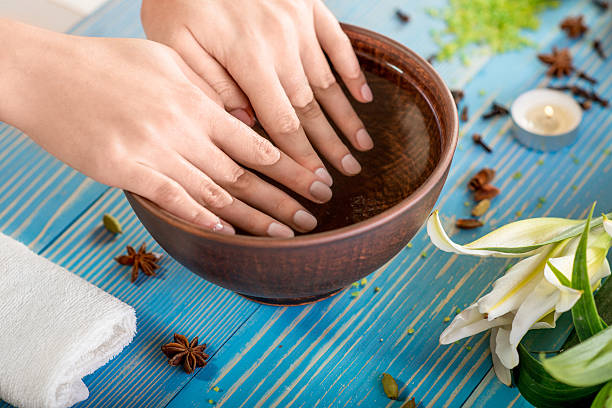
Your hands tell stories.
They introduce you in job interviews. They cradle your morning coffee. They type thousands of emails, comfort children after scraped knees, carry grocery bags, and somehow still find time to scroll through social media before bed.
Yet nails? They often become an afterthought.
Many people only notice them when one breaks before an important meeting or starts peeling right before a wedding, graduation, or family gathering. Sound familiar?
Here’s the thing: healthy nails aren’t about having perfectly polished manicures every week. They’re a reflection of consistent care, good habits, and sometimes even your overall health. A simple nail care routine can help prevent splitting, peeling, hangnails, and painful breaks while keeping your hands looking polished without much effort.
The good news is that caring for your nails doesn’t require expensive salon visits or a cabinet full of products. Most people need just a few minutes each day and a handful of reliable essentials.
Let’s walk through everything you need to know.
What Healthy Nails Actually Look Like
Before talking about routines, it helps to know what healthy nails should look like.
Healthy nails are generally:
- Smooth rather than rough
- Firm but slightly flexible
- Pink with consistent colour
- Free from deep ridges or pits
- Strong enough to resist everyday tasks
- Attached firmly to the nail bed
Small vertical ridges often appear naturally with age and usually aren’t a reason to worry. Horizontal grooves, sudden discolouration, or nails separating from the nail bed deserve closer attention, especially if they appear without injury.
Your nails grow slowly, about 3 millimetres each month. Toenails grow even slower. That means today’s healthy habits may take several months to show their full results.
Patience really is part of the routine.
Why Do Nails Become Weak?
It isn’t always because of nail polish.
Actually, people who never paint their nails sometimes struggle with brittle nails too.
Several everyday factors play a role.
Too Much Water
This sounds backward.
Water keeps skin hydrated, but constant soaking causes nails to swell and shrink repeatedly. Over time, that weakens the layers of keratin that make up the nail plate.
Think of a wooden cutting board left in water all day. Eventually, it begins to warp.
Your nails react in a surprisingly similar way.
Frequent Hand Washing
Healthcare workers, teachers, parents of toddlers, and food service employees often wash their hands dozens of times daily.
Necessary? Absolutely.
But repeated washing strips away natural oils unless moisturiser replaces them.
Cleaning Products
Household cleaners contain ingredients that remove grease exceptionally well.
Unfortunately, they can’t tell the difference between grease on a kitchen counter and protective oils on your skin and nails.
Wearing gloves during cleaning makes a bigger difference than many people expect.
Nutritional Gaps
Protein, iron, zinc, biotin, and several vitamins support healthy nail growth.
That doesn’t mean everyone needs supplements.
Usually, a balanced diet provides what nails need. Supplements should only be considered if recommended by a healthcare professional after evaluating a deficiency.
Nail Biting
This habit damages far more than appearance.
Repeated biting weakens nail edges, irritates surrounding skin, increases infection risk, and changes nail shape over time.
Breaking the habit isn’t easy, but healthier nails often become noticeable within a few months.
Your Daily Nail Care Routine
Here’s where consistency matters.
Think of nail care like brushing your teeth. Tiny daily actions work far better than occasional intensive treatments.
Step 1: Wash Gently
Use lukewarm water and mild soap.
Avoid extremely hot water whenever possible.
Dry hands thoroughly afterwards, especially around the cuticles.
Step 2: Moisturise Every Time
Honestly, this might be the single most overlooked step.
Apply hand cream after washing your hands.
Pay extra attention to:
- Cuticles
- Nail folds
- Fingertips
- Knuckles
Look for ingredients like:
- Glycerin
- Shea butter
- Ceramides
- Squalane
- Jojoba oil
Massage cream around each nail for about twenty seconds.
It sounds small.
Over weeks, it adds up.
Step 3: Protect Your Nails
Use gloves when:
- Washing dishes
- Gardening
- Cleaning bathrooms
- Using bleach
- Working with detergents
Latex, nitrile, or reusable rubber gloves all work well.
Step 4: Keep Nails Dry
After swimming or long showers, dry underneath the nail tips too.
Moist environments encourage fungal growth, particularly around toenails.
The Weekly Nail Reset
Once each week, spend fifteen to twenty minutes giving your nails a little extra attention.
It can even become part of your Sunday evening routine while watching your favourite series.
Trim Carefully
Use sharp nail clippers.
Cut straight across before gently rounding the corners.
Avoid cutting extremely short.
File One Direction
Many people saw back and forth.
Professional nail technicians usually recommend filing in one direction because it creates less friction along the nail edge.
A glass nail file often lasts longer and feels gentler than traditional emery boards.
Buff But Not Too Much
Buffing creates shine.
Too much buffing, though, gradually thins the nail.
Once or twice monthly is plenty for most people.
Care for Cuticles
Cuticles protect the growing nail.
Instead of cutting them aggressively, soften them after bathing or showering and gently push them back using a wooden cuticle stick.
Finish with cuticle oil.
Monthly Maintenance Matters Too
Every few weeks:
- Replace old nail files
- Disinfect manicure tools
- Check for discolouration
- Remove rough edges
- Give nails a break from continuous polish if you wear it often
Some people enjoy “nail holidays”, a few polish-free days each month that allow them to notice changes more easily. While nails don’t literally need to “breathe,” taking breaks can reduce exposure to removers and frequent filing.
Products Worth Keeping at Home
You don’t need dozens.
A simple kit usually includes:
- Nail clippers
- Glass nail file
- Cuticle oil
- Hand cream
- Buffer
- Wooden cuticle sticks
- Nail brush
- Acetone-free polish remover
- Base coat
- Strengthening treatment if needed
Popular brands many people trust include OPI, CND, Sally Hansen, Essie, Burt’s Bees, CeraVe, Eucerin, Vaseline, and The Body Shop.
More expensive doesn’t always mean better.
Consistency wins.
Eating for Stronger Nails
Your nails are mostly made of keratin—a protein.
So yes, what you eat shows up in your nails eventually.
Try to include:
Protein
- Eggs
- Fish
- Chicken
- Greek yogurt
- Beans
- Lentils
Healthy Fats
- Salmon
- Walnuts
- Flaxseed
- Avocados
Iron
- Lean beef
- Spinach
- Beans
- Pumpkin seeds
Zinc
- Chickpeas
- Cashews
- Seafood
Vitamin C
Vitamin C helps your body absorb iron.
Good choices include oranges, strawberries, kiwi, guava, bell peppers, and broccoli.
Hydration matters too.
Water alone won’t magically strengthen nails, but dehydration can leave skin and cuticles feeling dry and rough.
Everyday Habits That Secretly Damage Nails
Sometimes the biggest problems aren’t obvious.
Consider how often you use your nails as tools.
Opening soda cans.
Peeling labels.
Scraping stickers.
Opening cardboard boxes.
We’ve all done it.
But every one of those jobs stresses the nail plate.
Instead, keep a small opener, key, or scissors nearby whenever possible.
Little adjustments prevent surprisingly large amounts of damage.
Seasonal Nail Care
Nails respond to changing weather almost as much as skin does.
During Dry Seasons
Indoor heating and cooler weather often mean drier skin and brittle cuticles.
Increase hand cream use and apply cuticle oil before bed.
Cotton gloves worn overnight after moisturising can help lock in hydration.
During Hot Weather
Summer usually brings swimming pools, beaches, gardening, and frequent sunscreen use.
Wash away chlorine after swimming and moisturise afterwards.
If you’re outdoors often, don’t forget sunscreen on the backs of your hands. Hands are among the first places to show signs of sun damage.
Nail Care for Busy People
Let’s be realistic.
Some evenings you’re answering emails while dinner cooks.
Some mornings you’re trying to get children ready for school while searching for your car keys.
Long beauty routines don’t fit every lifestyle.
Thankfully, nail care doesn’t need to.
A five-minute routine can look like this:
Morning:
- Apply hand cream after washing hands.
Afternoon:
- Reapply moisturiser if hands feel dry.
Evening:
- Massage cuticle oil into each nail before bed.
Once weekly:
- Trim and file nails.
That’s it.
Those small habits repeated consistently usually outperform an elaborate routine followed only once a month.
Common Nail Problems and What Helps
Brittle Nails
Often linked to repeated water exposure, aging, or dry conditions.
Helpful habits include moisturising frequently, wearing gloves for wet work, and avoiding harsh removers.
Peeling Nails
Usually caused by repeated trauma or excessive moisture.
Gentle filing and regular cuticle oil may reduce peeling over time.
Hangnails
Never pull them.
Trim them carefully using sanitised cuticle nippers and moisturise afterwards.
Yellow Nails
Sometimes caused by dark nail polish staining.
Using a quality base coat helps prevent discolouration.
Persistent yellowing, thickening, or crumbling could point to a fungal infection and should be evaluated by a healthcare professional.
White Spots
Contrary to popular belief, these usually aren’t caused by calcium deficiency.
They’re commonly the result of small injuries to the nail as it grows.
They typically disappear as the nail grows out.
Salon or DIY?
Both have their place.
Professional manicures offer precise shaping, cuticle care, and long-lasting polish finishes.
Home care offers convenience, lower cost, and greater control over hygiene.
Many people find the sweet spot somewhere in the middle: salon visits for special occasions and simple maintenance at home.
If you visit a salon, make sure tools are properly sterilized, avoid overly aggressive cuticle cutting, and speak up if anything feels painful.
Comfort matters.
Frequently Asked Questions
How often should I trim my nails?
Most people benefit from trimming every one to two weeks, depending on how quickly their nails grow.
Is cuticle oil really necessary?
Not strictly, but it’s one of the easiest ways to keep nails and surrounding skin hydrated, especially if you wash your hands frequently.
Do nail strengtheners work?
Some can help reduce breakage, particularly if your nails are weak from repeated polish removal or daily wear. Look for products suited to your nail type, and don’t expect overnight changes.
Should nails “breathe”?
No. Nails are made of dead keratin cells and don’t breathe. However, taking occasional breaks from polish can make it easier to monitor nail health and reduce repeated exposure to removers.
How long does it take to improve nail health?
Because fingernails grow slowly, noticeable improvements often take two to six months, depending on the issue and how consistent your routine is.
Final Thoughts
A good nail care routine isn’t built on expensive products or perfect manicures. It’s built on small habits that quietly become part of your day.
Moisturise after washing your hands. Wear gloves when cleaning. File gently. Feed your body well. Resist using your nails as tools, even though it’s tempting.
You know what? That’s really the secret.
Healthy nails aren’t the result of one impressive treatment. They’re the result of dozens of ordinary choices that add up over time.
Give your nails a little attention today, and a few months from now you’ll likely notice stronger edges, smoother surfaces, healthier cuticles, and fewer frustrating breaks. Sometimes the simplest routines are the ones that stick—and those are often the routines that make the biggest difference.