
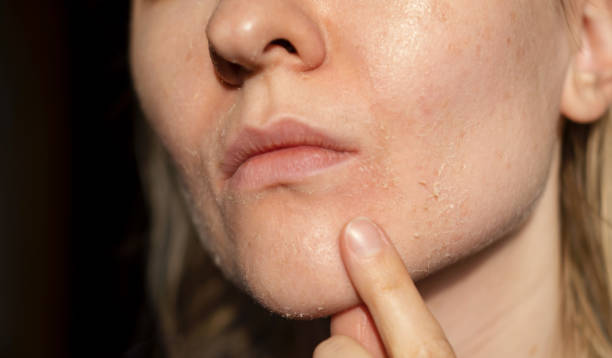
Ever washed your face only to feel like it’s two sizes too small five minutes later?
Or maybe your hands seem permanently rough no matter how much lotion you apply. Your makeup clings to flaky patches instead of blending smoothly. Your legs itch after a shower. Your forehead feels tight, yet somehow your nose still gets shiny.
Dry skin can be confusing like that.
The good news? Most dry skin isn’t permanent. In many cases, it’s your skin asking for something it needs, usually moisture, protection, or simply a gentler routine.
Let’s explain what’s really happening, why your skin feels dry in the first place, and how you can help it recover without buying an entire shelf of skincare products.
First Things First. What Is Dry Skin?
Dry skin, also called xerosis, happens when your skin doesn’t hold enough water or natural oils to keep itself soft and flexible.
Think of your skin like a brick wall.
- The skin cells are the bricks.
- Natural fats (called lipids) act like the mortar.
- Water sits inside to keep everything flexible.
When those lipids or water levels drop, tiny gaps appear. Water escapes more easily, and irritants from the outside get in.
That’s when you notice:
- Tightness
- Rough texture
- Flaking
- Fine cracks
- Itching
- Increased sensitivity
Sometimes your skin simply feels “off” before you can even see dryness.
Why Is My Skin So Dry? The Most Common Causes
There isn’t one single answer. Usually, several things work together.
Let’s start with the biggest ones.
1. Your Skin Barrier Needs Help
Here’s the thing.
Your skin isn’t supposed to keep everything out. It’s supposed to let the good stuff stay in.
The outermost layer, known as the skin barrier, protects moisture while blocking bacteria, pollution, and irritants.
When this barrier becomes damaged, water escapes much faster. Dermatologists call this transepidermal water loss (TEWL).
Common reasons include:
- Overwashing
- Harsh cleansers
- Too much exfoliation
- Cold weather
- Sun damage
- Aging
- Certain medications
A weakened barrier often explains why products that never bothered you suddenly sting.
2. Cold Weather and Low Humidity
Winter has a reputation for drying out skin, and honestly, it deserves it.
Cold air contains less moisture.
Indoor heating makes things worse by removing even more humidity from your surroundings.
The result?
Your skin gradually loses water throughout the day.
Even tropical climates aren’t immune. Air conditioning in offices, shopping malls, and classrooms can create the same problem.
If you spend hours moving between hot outdoor temperatures and chilly indoor spaces, your skin may struggle to keep up.
3. Hot Showers Feel Amazing. But Your Skin Disagrees
Few things beat a long, steaming shower after a busy day.
Unfortunately, hot water dissolves many of the protective oils your skin naturally produces.
That’s why your skin often feels squeaky clean, and strangely tight, afterwards.
Warm water is much kinder.
Keeping showers under 10 minutes also makes a noticeable difference over time.
4. You’re Washing Too Often
Clean skin is healthy.
Over-cleaned skin usually isn’t.
Many people wash:
- Morning
- After the gym
- Before bed
- After commuting
- After removing makeup
Suddenly, the skin barrier never gets a chance to recover.
If your cleanser leaves your face feeling tight, that’s a clue it may be too harsh.
5. Harsh Skincare Products
Ironically, some products marketed for clearer skin end up creating dryness.
Ingredients that commonly cause excessive dryness include:
- Strong foaming cleansers
- High-strength benzoyl peroxide
- Alcohol-heavy toners
- Frequent exfoliating acids
- Overused retinoids
- Scrubs with rough particles
None of these ingredients is “bad.”
They simply work better when balanced with moisturising ingredients.
Wait, Can Oily Skin Still Be Dry?
Surprisingly, yes.
People often confuse dry skin with dehydrated skin.
They’re different.
Dry skin lacks oil.
Dehydrated skin lacks water.
Someone with oily skin can still have dehydration.
Signs include:
- Tightness
- Dullness
- Fine dehydration lines
- Oiliness later in the day
- Makeup separating quickly
It sounds contradictory, but it’s actually very common.
Lifestyle Habits That Quietly Dry Out Skin
Sometimes the biggest culprits aren’t in your bathroom cabinet.
They’re part of everyday life.
Not Drinking Enough Water?
Water matters, but maybe not in the way social media suggests.
Drinking more water won’t magically cure severe dry skin if your skin barrier is damaged.
Still, staying hydrated supports your body’s normal functions, including healthy skin.
Think of hydration as part of the puzzle rather than the whole picture.
Stress
Stress changes hormone levels and increases inflammation.
Many people notice:
- More eczema flare-ups
- Increased sensitivity
- Slower skin recovery
It’s another reminder that skin reflects what’s happening inside the body.
Lack of Sleep
Ever notice your skin looks dull after several late nights?
During sleep, your body repairs itself, including your skin barrier.
Missing sleep regularly makes that repair process less efficient.
Nutrition
Healthy fats support healthy skin.
Foods containing:
- Omega-3 fatty acids
- Vitamin E
- Zinc
- Protein
- Antioxidants
help maintain normal skin function.
No single food fixes dry skin overnight, but consistent eating habits matter.
Medical Conditions That Can Cause Dry Skin
Sometimes dryness isn’t simply environmental.
It can signal an underlying condition.
Examples include:
Eczema (Atopic Dermatitis)
People with eczema naturally have a weaker skin barrier.
Symptoms often include:
- Itching
- Dry patches
- Redness
- Cracking
Moisturising becomes part of daily management rather than an occasional fix.
Psoriasis
Psoriasis causes skin cells to build up much faster than normal.
This creates thick, dry, scaly plaques that often require medical treatment.
Diabetes
Persistently high blood sugar can contribute to dry skin by affecting circulation and fluid balance.
Many people notice dryness on their feet and lower legs first.
Thyroid Disorders
An underactive thyroid can reduce oil production, leaving skin noticeably drier than usual.
Is Your Moisturiser Actually Working?
Here’s a question worth asking.
Does your moisturiser leave your skin comfortable for hours—or only ten minutes?
Not all moisturisers work the same way.
Good moisturisers usually combine three groups of ingredients.
Humectants
These attract water.
Examples include:
- Glycerin
- Hyaluronic acid
- Urea
- Panthenol
Emollients
These smooth rough skin.
Examples:
- Squalane
- Ceramides
- Fatty acids
- Plant oils
Occlusives
These slow water loss.
Examples:
- Petrolatum
- Shea butter
- Dimethicone
Many effective moisturisers combine all three.
Ingredients Dry Skin Loves
If you’re shopping for skincare, these ingredients consistently have strong evidence behind them.
Ceramides
Help repair the skin barrier.
Perfect for:
- Dry skin
- Sensitive skin
- Winter skincare
Glycerin
One of the most reliable moisturising ingredients available.
Affordable.
Gentle.
Effective.
Hyaluronic Acid
Excellent at attracting water.
It performs best when paired with a cream that seals moisture into the skin.
Colloidal Oatmeal
A favourite for itchy, irritated skin.
It calms inflammation while supporting barrier repair.
Petrolatum
Sometimes overlooked because it’s simple.
Yet it’s one of the most effective ingredients for preventing water loss.
Everyday Habits That Make a Bigger Difference Than Expensive Products
Honestly, consistency usually beats luxury.
Small habits often matter more than expensive skincare routines.
Try these:
- Moisturise within three minutes after bathing.
- Use lukewarm water instead of very hot water.
- Run a humidifier if indoor air feels dry.
- Wear gloves while cleaning.
- Apply hand cream after washing your hands.
- Choose fragrance-free products if your skin is sensitive.
- Wear sunscreen every day.
These habits sound simple because they are.
Simple doesn’t mean ineffective.
Mistakes That Keep Dry Skin From Improving
Even people with good intentions sometimes make these mistakes.
Over-Exfoliating
If your skin already feels rough, adding more exfoliation often makes it worse.
Focus on repairing first.
Skipping Moisturiser Because Skin Feels Greasy
Some moisturisers leave a temporary sheen.
That doesn’t mean they’re clogging your skin.
Finding the right texture usually solves this issue.
Using Too Many Active Ingredients
Vitamin C.
Retinoids.
AHAs.
BHAs.
Niacinamide.
None are necessarily harmful, but using several potent products together may overwhelm dry skin.
Sometimes less really is more.
Ignoring Sunscreen
Sun exposure quietly weakens the skin barrier over time.
Daily sunscreen protects against more than sunburn.
It also helps preserve healthy skin function.
A Simple Dry Skin Routine That Works for Most People
Morning:
- Gentle cleanser (or rinse with water if appropriate)
- Hydrating serum (optional)
- Moisturizer
- Broad-spectrum SPF 30 or higher
Evening:
- Gentle cleanser
- Moisturiser containing ceramides or glycerin
- Occlusive layer if skin is extremely dry
If you’re introducing active ingredients like retinoids, start slowly and moisturise generously.
When Should You See a Dermatologist?
Dry skin usually improves with consistent care.
However, make an appointment if you notice:
- Deep cracks that bleed
- Severe itching affecting sleep
- Signs of infection
- Widespread redness
- No improvement after several weeks of proper skincare
- Frequent eczema flare-ups
A dermatologist can identify whether something more than simple dryness is going on.
Frequently Asked Questions
Why is my skin dry even after moisturising?
Your moisturiser may not contain enough barrier-supporting ingredients, or your skin barrier may already be damaged. Applying moisturiser immediately after washing while skin is still slightly damp often improves results.
Can drinking more water fix dry skin?
It helps overall hydration, but it isn’t usually enough on its own. Most dry skin needs topical moisturisers that repair the skin barrier and reduce water loss.
Is dry skin a sign of aging?
Partly. As we age, oil production naturally declines, making dryness more common. Consistent moisturising and sun protection can help reduce this effect.
Why is my skin dry but also oily?
Your skin may be dehydrated rather than naturally dry. When skin lacks water, it sometimes produces more oil to compensate, creating the feeling of being both oily and tight.
Does sunscreen help dry skin?
Yes. Many modern sunscreens include moisturising ingredients, and daily sun protection helps prevent damage that can weaken the skin barrier over time.
Final Thoughts
Dry skin can feel frustrating because it often creeps up slowly. One week your skin feels fine; the next, you’re dealing with tightness, flakes, or irritation that seems to come from nowhere.
The encouraging part is that dry skin usually responds well to steady, consistent care. A gentle cleanser, a moisturiser rich in ingredients like ceramides and glycerin, shorter lukewarm showers, and daily sunscreen can make a noticeable difference over time. You don’t need an elaborate 12-step routine. You need one that’s kind to your skin and easy to stick with.
If your skin remains painfully dry, cracks, or doesn’t improve after several weeks of a consistent routine, don’t ignore it. Persistent dryness can sometimes point to an underlying skin condition or another health issue that deserves medical attention.
Treat your skin as you would any hardworking part of your body, with patience, protection, and regular care. It works around the clock for you, and with the right support, it can regain the comfort, softness, and resilience you’re looking for.