There’s something oddly satisfying about freshly painted nails. They look polished (literally), make you feel put together, and somehow make everyday tasks, from typing emails to holding your morning coffee, feel a little more elegant.
Then reality happens.
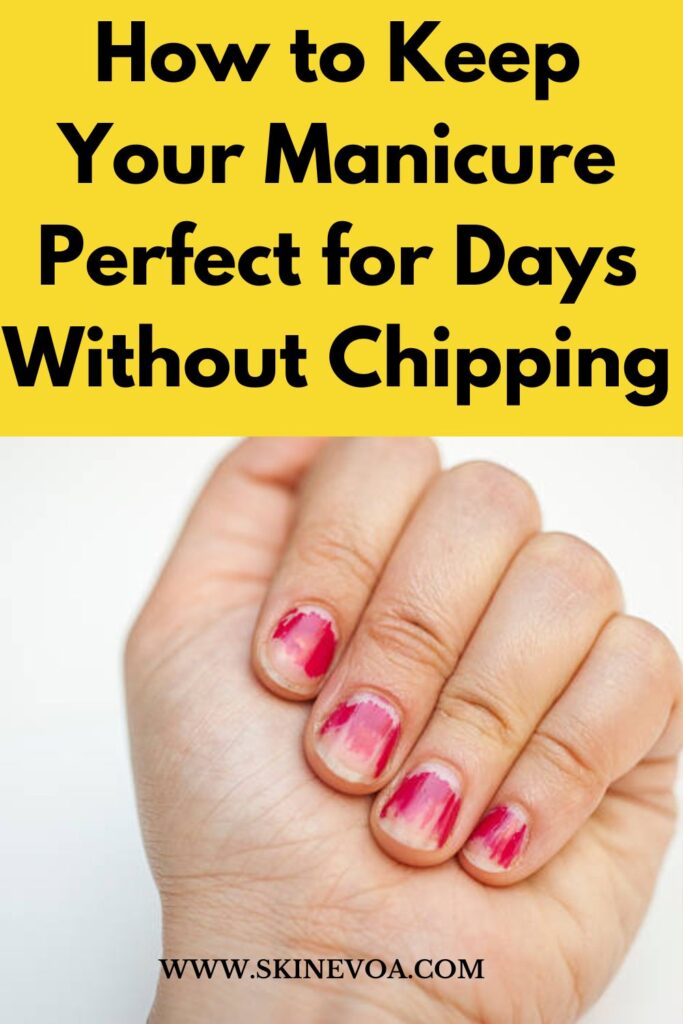
You wash dishes. Search through your handbag. Open a package that refuses to cooperate. A few hours later, you notice it, that tiny chip on the edge of your favourite nail polish. It isn’t huge, but now it’s all you can see.
If this sounds familiar, you’re definitely not alone.
Whether you’re a student rushing between classes, a busy professional juggling meetings, or a parent who seems to spend half the day cleaning up tiny messes, chipped nails are almost inevitable…unless you understand why they happen.
The good news? Long-lasting nails aren’t usually about buying the most expensive polish. They’re mostly the result of smart habits, proper preparation, and giving your nails a little attention before problems start.
Let’s talk about what actually works.
Why Do Nails Chip So Easily?
Here’s the thing: your nails aren’t static.
They’re surprisingly flexible. Healthy nails bend slightly as you type, cook, clean, exercise, or carry shopping bags. Nail polish, on the other hand, becomes a hard coating sitting on top of that moving surface.
Imagine painting a thin layer of paint over a piece of rubber. Bend the rubber enough, and eventually the paint cracks.
That’s essentially what happens with nail polish.
Several factors speed up chipping:
- Frequent exposure to water
- Dry, brittle nails
- Poor polish application
- Low-quality base or top coats
- Household cleaning products
- Using nails as tools
- Rapid temperature changes
Most people assume expensive polish is the secret. Sometimes it helps, but technique matters far more.
Your Nails Might Be Telling You Something
Occasional chips are normal.
Constant peeling, splitting, or breaking isn’t always just bad luck.
Healthy nails should feel smooth, flexible, and fairly strong. If they crack every week, they’re often dehydrated rather than “weak.”
That sounds backwards, doesn’t it?
Many people think oily nails cause problems. In reality, nails usually need moisture, just not immediately before applying polish.
Keeping this balance makes a surprising difference.
The Biggest Reasons Manicures Don’t Last
Let’s start with the usual suspects.
1. Skipping Nail Preparation
Think about painting a dusty wall.
Even premium paint won’t stick well.
The same applies to nail polish.
Natural oils, lotion residue, sunscreen, or leftover cuticle oil create a slippery surface.
Before polishing:
- Wash hands thoroughly.
- Remove old polish completely.
- Push back cuticles gently.
- Lightly buff if needed.
- Wipe nails with nail polish remover or rubbing alcohol.
It only takes a minute or two.
Yet many people skip it.
2. Applying Thick Coats
Honestly, we’ve all done it.
You’re trying to finish quickly, so you apply one thick coat instead of two or three thin ones.
Unfortunately, thick polish dries unevenly.
The outer layer hardens first while the inside stays soft. Hours later, everyday movement causes dents and chips.
Thin coats dry more evenly and create a stronger finish.
Patience wins here.
3. Forgetting the Nail Tips
This little trick is surprisingly overlooked.
Professional nail technicians often “cap the free edge.”
That simply means brushing a little polish across the tip of the nail.
Since most chips begin there, sealing the edge creates extra protection.
Do this with:
- Base coat
- Color coat
- Top coat
It takes seconds.
A Good Base Coat Isn’t Optional
Some people see base coats as an unnecessary extra step.
They’re actually doing several important jobs.
A quality base coat:
- Improves adhesion
- Prevents staining
- Smooths tiny ridges
- Extends wear time
- Adds flexibility
It’s a bit like primer before painting a room.
Without it, everything sitting on top has less support.
Top Coat: The Unsung Hero
If base coat is the foundation, top coat is the protective roof.
A good top coat:
- Reduces scratches
- Adds shine
- Protects color
- Helps prevent chips
Many professionals recommend reapplying top coat every two or three days.
It sounds excessive.
It isn’t.
That tiny refresh often adds several extra days to your manicure.
Water Is Both Friend and Enemy
This surprises many people.
Your nails absorb water.
In fact, they can absorb more water than oil.
As nails swell, polish stretches.
When nails dry again, they shrink.
Repeat that cycle enough times, and small cracks appear.
If your day includes:
- Washing dishes
- Laundry
- Cleaning bathrooms
- Gardening
- Long baths
- Swimming
Your manicure works overtime.
Wearing rubber gloves while cleaning may not feel glamorous, but your nails will thank you.
Stop Using Nails as Tiny Tools
You know what?
Most chipped nails don’t happen randomly.
They happen because we use nails for jobs they were never meant to do.
Examples include:
- Opening soda cans
- Peeling stickers
- Scraping labels
- Opening delivery boxes
- Removing staples
- Prying open containers
Use your fingertips instead whenever possible.
It feels awkward at first.
Soon it becomes automatic.
Moisturise More Than You Think
Dry nails become brittle.
Dry cuticles separate.
That combination creates weak edges where chips begin.
Cuticle oil helps keep the nail plate flexible.
Popular ingredients include:
- Jojoba oil
- Vitamin E
- Sweet almond oil
- Argan oil
Massage a drop into each nail before bed.
It’s a tiny habit that delivers noticeable results over time.
Nutrition Matters More Than Many People Realise
Beautiful nails begin long before the manicure.
Like hair and skin, nails depend on consistent nutrition.
Focus on foods rich in:
Protein
Nails are primarily made from keratin.
Good choices include:
- Eggs
- Chicken
- Fish
- Beans
- Greek yogurt
- Lentils
Iron
Low iron sometimes contributes to brittle nails.
Foods include:
- Spinach
- Lean beef
- Pumpkin seeds
- Beans
Zinc
Zinc supports healthy nail growth.
Sources include:
- Nuts
- Seeds
- Seafood
- Chickpeas
Omega-3 Fats
Healthy fats help reduce dryness.
Try:
- Salmon
- Walnuts
- Chia seeds
- Flaxseed
A balanced diet won’t prevent every chip overnight, but healthier nails generally stand up better to daily wear.
Does Biotin Help?
Biotin supplements have become popular for hair and nail health.
Some research suggests they may help people with brittle nails, especially when taken consistently over several months.
That said, biotin isn’t a miracle solution.
If your nails are already healthy, the difference may be small.
It’s always worth checking with your healthcare provider before starting supplements, especially if you have medical conditions or take medications.
Choosing the Right Nail Shape
Believe it or not, nail shape affects durability.
Sharp corners catch on clothing and bags more easily.
Rounded edges distribute pressure better.
Generally speaking:
- Round nails are durable.
- Squoval nails balance beauty and strength.
- Oval nails resist snagging.
- Long square nails chip more easily.
- Very pointed styles experience greater stress.
There’s no universal “best” shape.
The strongest choice is usually the one that suits your lifestyle.
Everyday Habits That Quietly Damage Nails
Sometimes the damage happens so gradually that we don’t notice.
These habits add up:
- Peeling polish off
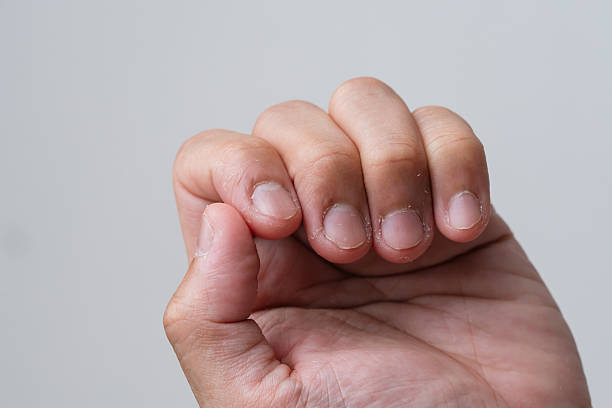
- Biting nails
- Picking cuticles
- Excessive hand sanitiser without moisturiser
- Acetone several times a week
- Constant exposure to cleaning chemicals
One habit alone might not cause much damage.
Combined over months?
That’s a different story.
Gel, Dip Powder, Acrylic, or Regular Polish?
People often ask which option lasts longest.
Here’s a practical comparison.
Regular Polish
Pros:
- Easy to remove
- Affordable
- Less commitment
Cons:
- Chips sooner
- Requires maintenance
Gel Polish
Pros:
- Lasts longer
- High shine
- Better chip resistance
Cons:
- Requires proper removal
- Can weaken nails if peeled off
Dip Powder
Pros:
- Durable
- Strong finish
- Longer wear
Cons:
- Removal takes time
- Over-filing during application may damage nails
Acrylic Nails
Pros:
- Very durable
- Great for repairing broken nails
Cons:
- Requires regular fills
- Can thin natural nails if not applied or removed correctly
For many busy professionals, gel polish offers a good balance between durability and convenience.
Seasonal Changes Affect Your Nails Too
Weather matters more than people think.
Summer
Sun, swimming pools, saltwater, and frequent handwashing can dry nails.
Use cuticle oil more often and wear gloves during cleaning.
Winter
Cold air and indoor heating reduce moisture.
Hands and nails become noticeably drier.
A richer hand cream before bed can make a big difference.
A Simple Weekly Nail Care Routine
If your schedule feels packed, don’t worry.
You don’t need an hour-long routine.
Here’s an easy one.
Monday
Apply cuticle oil.
Wednesday
Refresh top coat.
Friday
Moisturise nails thoroughly.
Weekend
File rough edges, tidy cuticles, and check for lifting polish.
That’s it.
Consistency beats complexity every time.
Common Myths About Chipped Nails
Let’s clear up a few misconceptions.
“Breathing breaks” are necessary.
Nails don’t breathe.
They’re made of dead keratin cells.
However, taking breaks from polish can help if you’re using harsh removers frequently or your nails need extra moisture.
Harder nails are always healthier.
Not necessarily.
Healthy nails should have some flexibility.
Extremely hard nails often become brittle.
More polish layers always mean longer wear.
Only to a point.
Too many layers become thick and are more likely to peel.
Quick Emergency Fixes for a Small Chip
Not ready to remove your manicure?
Try these tricks.
- Apply a thin layer of matching polish over the chip.
- Finish with a fresh top coat.
- Add subtle nail art if matching is difficult.
- Use glitter polish to disguise small imperfections.
Sometimes a tiny repair buys another few days before a full manicure.
Frequently Asked Questions
How long should nail polish last?
A quality manicure with proper application usually lasts between five and seven days. Gel polish often lasts two to three weeks.
Is acetone bad for nails?
Acetone removes polish effectively but can dry nails and surrounding skin. Moisturizing afterward helps reduce dryness.
Should I buff my nails often?
No.
Occasional gentle buffing is fine, but frequent buffing gradually thins the nail plate.
Why do only my thumbnails chip?
Thumbs experience more pressure than other fingers.
They’re often used for texting, gripping objects, and opening containers.
Can hand sanitiser ruin nail polish?
Frequent use may reduce shine and dry surrounding skin, especially if the formula contains a high amount of alcohol.
The Small Habits That Make the Biggest Difference
Long-lasting nails rarely come from one magic product.
They’re built through small decisions repeated every day.
Use gloves while cleaning.
Keep nails moisturised.
Apply thin polish layers.
Seal the tips.
Refresh your top coat.
Avoid treating your nails like miniature screwdrivers.
None of these habits feels dramatic on its own. Together, though, they can noticeably extend the life of your manicure and keep your nails looking healthier between salon visits, or even if you do everything at home.
Perfect nails aren’t the goal. Real life happens. A chip now and then is part of it. But with a little care and a few practical changes, those fresh, glossy nails can stay looking polished for much longer, and that’s a win for anyone with a busy schedule.