
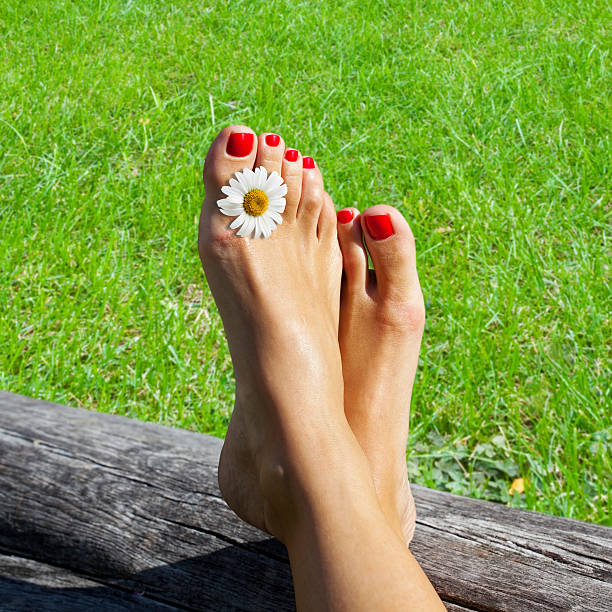
Summer has a funny way of exposing the parts of us we usually hide.
Sandals come out. Flip-flops become everyday shoes. Beach trips, vacations, outdoor walks, and long afternoons by the pool suddenly put your feet on display. That sounds great, until dry heels, rough skin, sweaty feet, or painful blisters decide to join the party.
Here’s the thing: your feet work harder during summer than almost any other season. Heat increases sweating. Dust and sand cling to your skin. Open shoes leave your heels exposed to drying air, while long walks on hot pavement put extra stress on your soles.
Most people spend plenty of time choosing a facial sunscreen or a lightweight moisturiser, yet forget about their feet almost entirely.
And honestly, that’s a mistake.
Healthy feet aren’t only about appearance. They’re about comfort, mobility, confidence, and preventing problems before they start.
Whether you’re rushing between lectures, commuting to work, chasing toddlers around the park, or standing all day in a busy office, a simple summer foot care routine can make a surprising difference.
Let’s walk through everything you need to know.
Why Summer Is Hard on Your Feet
Warm weather changes the environment around your feet in several ways.
Your body naturally produces more sweat to cool itself down. Since each foot contains around 250,000 sweat glands, it’s no surprise they become one of the sweatiest parts of the body.
That extra moisture isn’t always a good thing.
When sweat mixes with bacteria, odor develops. If moisture stays trapped inside shoes, fungi can thrive, increasing the risk of athlete’s foot.
At the same time, wearing sandals creates the opposite problem.
Because the skin is constantly exposed to wind, sun, and dry air, moisture escapes faster. The result?
- Rough heels
- Thick calluses
- Cracked skin
- Peeling feet
Then add long walks, outdoor sports, vacations, and hot sidewalks into the mix, and your feet rarely get much of a break.
The Most Common Summer Foot Problems
Understanding the cause makes prevention much easier.
Dry, Cracked Heels
Open-back sandals allow moisture to evaporate quickly.
The skin responds by becoming thicker and harder. Eventually, tiny cracks appear. If ignored, those cracks may deepen and become painful.
Sweaty Feet
Some sweating is completely normal.
Excessive moisture, however, softens the skin and encourages bacterial growth, leading to odor and irritation.
Blisters
New sandals often look amazing.
Your feet might disagree.
Constant rubbing creates friction, causing fluid-filled blisters that can make even a short walk uncomfortable.
Athlete’s Foot
Swimming pools, locker rooms, and damp shoes create ideal conditions for fungal infections.
Symptoms often include:
- Itching
- Burning
- Peeling skin
- Redness
- Cracks between the toes
Sunburn
People remember sunscreen for their face.
They remember their shoulders.
Their feet? Not so much.
Yet the tops of the feet burn surprisingly quickly because they’re directly exposed to sunlight.
Build an Easy Summer Foot Care Routine
Good foot care doesn’t require expensive spa treatments.
Five to ten minutes each day is usually enough.
Morning Routine
Start with clean feet.
Wash them using lukewarm, not hot, water and a gentle cleanser.
Dry carefully, especially between the toes.
Apply a lightweight moisturiser to the heels and soles, avoiding the spaces between your toes.
If you’re wearing sandals, finish with broad-spectrum SPF 30 or higher on the tops of your feet and around the ankles.
Then choose breathable socks and comfortable shoes if you’ll be walking a lot.
Simple, but effective.
Evening Routine
Evenings are for recovery.
Wash away sweat, dust, and sunscreen.
Check your feet for cuts, blisters, or redness.
Apply a richer foot cream before bed.
If your heels tend to crack, wear lightweight cotton socks overnight to help lock in moisture.
You may wake up with noticeably softer skin.
Washing Your Feet the Right Way
It sounds obvious.
Yet many people don’t actually wash their feet properly.
Simply letting soap run over them during a shower isn’t always enough.
Instead:
- Wash every surface.
- Clean between each toe.
- Rinse thoroughly.
- Dry completely with a clean towel.
Moisture trapped between toes creates an ideal environment for fungal infections.
Take the extra thirty seconds.
Your future self will appreciate it.
Exfoliation: Less Can Be More
Rough skin isn’t the enemy.
In fact, calluses protect your feet.
The goal isn’t removing every bit of hard skin. It’s keeping things balanced.
Use a pumice stone or foot file one to two times each week after soaking your feet.
Avoid aggressive scraping.
If your skin feels sore afterwards, you’ve probably removed too much.
Gentle, regular care works much better than occasional overdoing it.
Moisturise Without Feeling Greasy
People often skip moisturiser during summer because they dislike sticky feet.
Fair enough.
Instead, look for lightweight creams containing ingredients like:
- Urea
- Glycerin
- Shea butter
- Ceramides
- Hyaluronic acid
Apply mainly to:
- Heels
- Soles
- Dry patches
Skip the spaces between your toes.
Too much moisture there encourages fungal growth.
Don’t Forget Sunscreen
Your feet can develop sun damage just like your face.
Apply sunscreen:
- Before leaving home
- Twenty minutes before sun exposure
- After swimming
- After heavy sweating
Remember the tops of the toes and around the ankles.
Those areas burn surprisingly often.
Your Shoes Matter More Than You Think
Buying shoes based only on appearance can become an expensive mistake.
Summer footwear should provide:
- Good arch support
- Breathable materials
- Proper cushioning
- Secure straps
- Enough room for your toes
Flip-flops are convenient for short trips.
They’re less suitable for all-day walking because they offer very little support.
If you’re exploring a city, attending outdoor festivals, or spending hours sightseeing, supportive walking sandals are usually the better choice.
Your feet, and probably your knees and back, will thank you.
Foot Care for Busy Professionals and Moms
Some days barely leave enough time for breakfast.
Adding another skincare routine may sound unrealistic.
Fortunately, healthy feet don’t demand much.
Try stacking habits into routines you already have.
For example:
- Apply foot cream while brushing your teeth at night.
- Keep moisturiser beside your bed.
- Carry blister patches in your handbag.
- Change sweaty socks after exercising.
- Rotate shoes instead of wearing the same pair every day.
Tiny habits often create the biggest improvements.
Summer Foot Care Tips for Students
Walking across campus, commuting, sports practice, and social events can keep students on their feet for hours.
A few habits go a long way:
- Wear clean socks daily.
- Let shoes dry overnight.
- Don’t ignore blisters.
- Pack a small travel-sized foot spray.
- Wash feet after sports.
- Replace worn-out sneakers when cushioning disappears.
Comfort usually beats fashion after several miles of walking.
DIY Foot Soaks That Feel Like a Mini Spa
Sometimes your feet simply need a break.
A relaxing foot soak can reduce fatigue and soften rough skin.
Try soaking your feet in warm water for about 15 minutes.
You can add:
- Epsom salt
- A few drops of peppermint essential oil
- Colloidal oatmeal for dry skin
After soaking:
Pat dry.
Exfoliate gently.
Apply moisturiser immediately.
That last step helps seal in hydration.
Eat and Drink for Healthier Feet
Healthy skin starts inside the body.
Hydration supports skin elasticity and helps reduce excessive dryness.
A balanced diet rich in nutrients also supports healthy skin and nail growth.
Include foods rich in:
- Vitamin C
- Vitamin E
- Zinc
- Omega-3 fats
- Protein
Colourful fruits, vegetables, nuts, seeds, fish, eggs, beans, and whole grains all contribute to healthier skin from head to toe.
Summer Nail Care Matters Too
Toenails deserve attention throughout the season.
Trim nails straight across instead of rounding the edges too much.
This helps reduce the risk of ingrown toenails.
Avoid cutting nails extremely short.
If you wear nail polish continuously, give your nails occasional breaks between applications.
It helps you spot discolouration or changes that might otherwise go unnoticed.
When Should You See a Podiatrist?
Not every foot problem can be solved at home.
Arrange an appointment if you notice:
- Deep heel cracks that bleed
- Persistent pain
- Swelling
- Thick yellow nails
- A blister showing signs of infection
- Symptoms of athlete’s foot that don’t improve after treatment
- Changes in foot shape
People living with diabetes should inspect their feet daily and seek prompt medical advice for any wounds or ulcers.
Early treatment often prevents more serious complications.
Summer Foot Care Mistakes to Avoid
Even good intentions can backfire.
Common mistakes include:
- Walking barefoot around public pools
- Wearing wet shoes all day
- Forgetting sunscreen
- Over-exfoliating
- Ignoring foot pain
- Wearing shoes that don’t fit properly
- Using very hot water during foot soaks
- Sharing nail clippers or foot files
Small changes can prevent many common summer foot problems.
Frequently Asked Questions
How often should I moisturise my feet during summer?
Once daily is enough for most people. If your heels become very dry or cracked, applying moisturiser morning and evening may help.
Can I wear flip-flops every day?
They’re fine for short periods, but wearing them all day may lead to foot fatigue because they offer minimal support. Supportive sandals or walking shoes are better for extended use.
Should I exfoliate every day?
No. One or two sessions each week are usually enough. Over-exfoliating can leave your skin tender and more prone to irritation.
Why do my feet smell worse in summer?
Warmer temperatures increase sweating. When sweat mixes with bacteria on the skin, odor develops. Keeping feet clean, dry, and wearing breathable footwear can help.
Is sunscreen really necessary on my feet?
Yes. The tops of your feet receive direct sun exposure and are commonly missed during sunscreen application, making them vulnerable to sunburn.
Final Thoughts
Your feet carry you through packed workdays, campus walks, grocery runs, vacations, playground visits, and evening strolls. They rarely ask for much in return.
A consistent summer foot care routine doesn’t have to be complicated. Wash gently, dry thoroughly, moisturise wisely, protect your skin from the sun, wear supportive footwear, and pay attention to small changes before they become bigger problems.
Those few extra minutes each day can mean softer heels, healthier nails, fewer blisters, and more comfortable steps all season long. When your feet feel good, everything from commuting to weekend adventures becomes a little easier, and that’s a win worth walking toward.