Healthy Nail Routine: The Complete Guide to Strong, Beautiful Nails Naturally
Your nails probably don’t get much attention, until one breaks, peels, or suddenly refuses to grow.
It’s funny how something so small can become surprisingly frustrating. One cracked thumbnail can make typing uncomfortable, opening a soda can nearly impossible, or even snag your favourite sweater. Suddenly, your nails are all you notice.
The good news? Healthy nails aren’t usually the result of expensive salon visits or trendy products. They’re mostly the outcome of small, consistent habits that fit easily into everyday life.
Whether you’re rushing between lectures, balancing meetings, looking after young children, or simply trying to squeeze self-care into an already packed schedule, a simple nail routine can make a remarkable difference.
Let’s explain why.
Why Healthy Nails Matter More Than Appearance
Most people think of nails as cosmetic. Paint them, file them, maybe decorate them for special occasions—and that’s about it.
But nails actually reveal quite a bit about your overall health.
Healthy nails protect the sensitive tips of your fingers and toes, improve grip strength, and make everyday tasks easier. They’re also one of the first places where your body may show signs of nutritional deficiencies, dehydration, certain illnesses, or repeated physical stress.
Strong nails are usually a sign that your body is getting what it needs.
Weak nails? They don’t always point to a medical problem, but they often suggest that something in your routine could use a little attention.
A Quick Look at Nail Anatomy
Before building a routine, it helps to know what you’re caring for.
A fingernail consists of several important parts:
- Nail plate: the hard surface you see.
- Nail bed: the skin underneath the nail.
- Cuticle: thin skin that seals the nail from bacteria.
- Nail matrix: where new nail cells are produced.
- Lunula: the small white half-moon near the base of some nails.
- Hyponychium: the skin beneath the nail tip.
Here’s something many people don’t realise.
The nail plate itself is made of dead keratin cells. That means it can’t repair itself after damage. Instead, healthy new nail grows from the matrix, slowly replacing the older nail over several months.
Fingernails grow about 3 millimetres each month, while toenails grow much more slowly.
Patience really is part of nail care.
What Healthy Nails Look Like
Healthy nails don’t have to be perfectly shiny or naturally long.
Instead, they usually have several common characteristics.
They’re:
- Smooth without deep grooves
- Evenly colored
- Strong but slightly flexible
- Free from peeling
- Not painfully thick or unusually thin
- Attached firmly to the nail bed
- Surrounded by healthy skin
Tiny ridges that run from cuticle to tip often become more noticeable with age and usually aren’t a cause for concern.
Why Nails Become Weak
Sometimes it feels like your nails simply “don’t grow.”
Usually, they do.
They’re just breaking as quickly as they’re growing.
Some of the most common reasons include frequent hand washing, harsh cleaning products, dehydration, nutritional deficiencies, excessive nail polish remover, biting nails, picking at cuticles, and repeated trauma from typing, gardening, sports, or household chores.
Ironically, nails can also become weak from trying too hard to care for them.
Too much buffing, frequent acrylic applications, or constant gel manicures can gradually thin the nail plate.
Balance matters.
Your Healthy Nail Routine Starts Here
The best routines aren’t complicated.
They’re consistent.
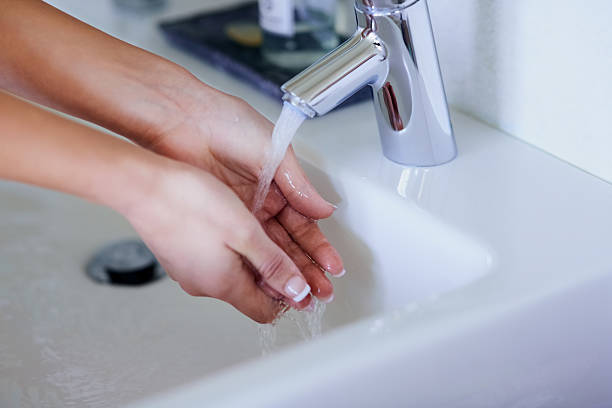
Step 1: Wash Hands Gently
Clean hands help prevent infections, but harsh soaps can strip natural oils from both your skin and nails.
Choose a gentle hand cleanser whenever possible.
Warm water is enough.
Extremely hot water feels comforting, but it can dry nails surprisingly quickly.
Step 2: Moisturise Every Time You Wash
Here’s the habit that dermatologists recommend over and over.
Apply hand cream after washing your hands.
Not occasionally.
Every time.
Look for ingredients such as:
- Glycerin
- Shea butter
- Ceramides
- Squalane
- Petrolatum
- Coconut oil
- Jojoba oil
Rub the cream into your fingertips and massage your cuticles for about thirty seconds.
Those few seconds really add up over weeks.
Step 3: Don’t Cut Your Cuticles
Cuticles often get mistaken for dead skin.
Actually, they’re protective seals.
Removing them completely creates tiny openings where bacteria and fungi can enter.
Instead:
Push cuticles back gently after bathing or showering, when they’re soft.
That’s usually all they need.
Step 4: Keep Nails Properly Trimmed
Long nails aren’t automatically healthier.
Neither are extremely short ones.
Trim nails every one to two weeks depending on growth.
Straight edges with slightly rounded corners help reduce accidental breaks.
Toenails should remain mostly straight across to reduce the chance of ingrown nails.
Step 5: File the Right Way
Many people saw the file back and forth.
That creates tiny tears.
Instead:
File gently in one direction.
Use a fine-grit emery board or a high-quality glass nail file.
Glass files last longer and often produce smoother edges.
Step 6: Protect Nails During Daily Chores
This step gets overlooked constantly.
Water isn’t actually the biggest issue.
Repeated cycles of soaking and drying are.
Think about washing dishes.
The nails absorb water, expand slightly, then shrink as they dry.
Repeat that dozens of times each week, and peeling becomes much more likely.
Wear gloves while:
- Washing dishes
- Gardening
- Cleaning bathrooms
- Using bleach
- Handling detergents
It’s one of the easiest ways to prevent damage.
A Simple Daily Nail Routine
Busy schedule?
Keep it simple.
Morning
Wash hands.
Apply moisturiser.
Massage cuticle oil while drinking your morning coffee or tea.
Done.
About two minutes.
Throughout the Day
Avoid using nails as tools.
Open packages with scissors instead.
Use keys, not fingernails, to scratch labels or open cans.
Small habit.
Huge difference.
Evening
Apply hand cream before bed.
If your nails feel dry, add a nourishing cuticle oil.
Many people notice healthier nails after making this their nighttime ritual.
Weekly Nail Care
Once a week, spend about fifteen minutes on your nails.
Trim if needed.
File rough edges.
Push back softened cuticles gently.
Apply a strengthening treatment if appropriate.
Massage your hands with moisturiser.
Think of it as resetting your nails for the coming week.
Can Food Really Make Nails Stronger?
Yes, but not overnight.
Because nails grow slowly, dietary improvements may take several months before becoming noticeable.
Healthy nails benefit from nutrients like:
Protein
Nails are primarily made from keratin, a protein.
Good choices include:
- Eggs
- Fish
- Greek yogurt
- Chicken
- Lentils
- Beans
- Tofu
Iron
Low iron levels sometimes contribute to brittle or spoon-shaped nails.
Sources include:
- Spinach
- Lean meat
- Beans
- Pumpkin seeds
- Fortified cereals
Pair plant-based iron with vitamin C-rich foods for better absorption.
Biotin
Biotin has been studied for brittle nails, although it doesn’t help everyone.
Many people get enough through food.
Good sources include eggs, salmon, almonds, peanuts, and sweet potatoes.
Talk with a healthcare professional before starting supplements.
Omega-3 Fats
Healthy fats help support skin and nail moisture.
Try:
- Salmon
- Sardines
- Walnuts
- Chia seeds
- Flaxseed
Zinc
Zinc supports normal tissue repair.
You’ll find it in beef, seafood, pumpkin seeds, chickpeas, and dairy products.
Hydration Matters More Than You Think
Dehydration affects your skin first, but nails notice too.
Drink enough water throughout the day.
No, water alone won’t suddenly produce perfect nails.
But staying hydrated supports healthy skin, healthy cuticles, and overall nail condition.
Nail Polish: Friend or Enemy?
Honestly
It’s neither.
Nail polish itself doesn’t usually damage healthy nails.
The bigger problem tends to be how it’s removed.
Acetone works quickly, but repeated use can leave nails dry and brittle.
To reduce damage:
- Give nails occasional polish-free days.
- Use acetone sparingly.
- Moisturise immediately afterwards.
- Avoid peeling polish off.
Peeling polish often removes layers of nail with it.
What About Gel and Acrylic Nails?
Professional gel manicures can last for weeks.
That’s convenient.
Repeated application and removal, however, may weaken some people’s nails over time.
Acrylic nails can increase the risk of lifting, thinning, and infection if improperly applied or removed.
You don’t necessarily need to avoid them forever.
Instead, consider giving your natural nails recovery periods between applications.
Seasonal Nail Care
Your routine should change a little with the weather.
Summer
Swimming pools, sunscreen, beach sand, and frequent hand washing can dry nails.
Carry a travel-sized hand cream.
Wear gloves when gardening.
Reapply moisturiser after swimming.
Winter
Cold air and indoor heating remove moisture quickly.
Switch to thicker creams.
Apply cuticle oil daily.
Cotton gloves worn over moisturiser overnight can help very dry hands.
Habits That Quietly Damage Nails
Sometimes the problem isn’t what we’re doing.
It’s what we’re doing without thinking.
Watch out for these habits:
- Nail biting
- Picking hangnails
- Pulling off gel polish
- Skipping moisturizer
- Opening packages with nails
- Excessive buffing
- Constant exposure to detergents
- Ignoring small nail injuries
Most of these seem harmless individually.
Over months, though, they add up.
Nail Care Myths Worth Leaving Behind
“Nails Need to Breathe”
Actually, they don’t.
Nails are made of dead keratin cells.
They don’t breathe like skin.
Taking polish breaks can still help, but mainly because it reduces exposure to removers and allows you to notice changes in your nails.
“More Supplements Mean Better Nails”
Not necessarily.
If you already get enough nutrients, extra supplements often won’t speed nail growth.
Food first is generally the better approach.
“White Spots Mean Calcium Deficiency”
Usually not.
Most white spots result from tiny injuries to the nail matrix that happened weeks earlier.
They typically grow out with the nail.
When Nail Changes Deserve Medical Attention
Most nail problems improve with better care.
Still, some changes shouldn’t be ignored.
See a healthcare professional if you notice:
- Persistent pain
- Thick yellow nails
- Nails separating from the nail bed
- Dark streaks that weren’t caused by an injury
- Swelling around the nail
- Repeated infections
- Sudden changes affecting several nails
Sometimes nails reflect underlying health conditions that deserve proper evaluation.
Building a Routine You’ll Actually Keep
Here’s the thing.
The most effective nail routine isn’t the longest one.
It’s the one you’ll follow next week and the week after that.
If you’re a student racing between classes, keep cuticle oil in your backpack.
If you’re working in an office, leave hand cream beside your keyboard.
If you’re a busy parent, apply moisturiser while the kids brush their teeth.
Tiny habits fit into busy lives much better than elaborate routines.
And honestly, those tiny habits usually produce the biggest results.
Final Thoughts
Healthy nails don’t require perfection, expensive salon appointments, or a shelf full of speciality products. They need steady care, a balanced diet, protection from daily wear and tear, and a little patience.
Remember that nails grow slowly, so meaningful improvements take time. A consistent routine- washing gently, moisturising often, trimming and filing correctly, protecting your hands during chores, and eating a nutrient-rich diet- creates the conditions for stronger, healthier nails over the months ahead.
Whether you’re a student, a career professional, or a busy mom juggling countless responsibilities, caring for your nails doesn’t have to become another overwhelming task. A few mindful minutes each day are enough to keep them looking their best.
Start small, stay consistent, and let healthy habits do the hard work. Your future nails will thank you.