
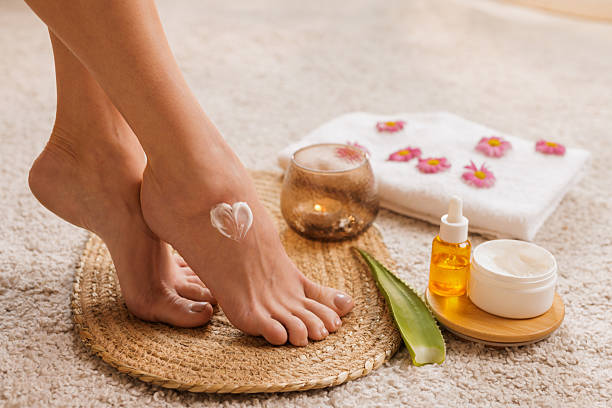
Your face probably has its own skincare routine. Maybe your hair does too. But what about your feet?
For many people, foot care doesn’t become a priority until something hurts. Dry heels begin to crack. Blisters appear after wearing new shoes. Your feet ache after standing all day, and suddenly you realise they’ve been working harder than almost any other part of your body.
Here’s the thing: your feet carry you through thousands of steps every single day. Whether you’re rushing between university lectures, standing through an eight-hour shift, chasing toddlers around the house, or squeezing in an evening walk after work, your feet rarely get a break.
Yet they’re often the most overlooked part of a self-care routine.
The good news? Taking care of your feet doesn’t require expensive spa appointments or a cabinet full of speciality products. A few consistent habits, practised every day and supported by a simple weekly routine, can make a remarkable difference.
Healthy feet aren’t only about appearance. They’re about comfort, confidence, mobility, and preventing small issues from becoming painful problems later.
Let’s walk through everything you need to know.
Why Foot Care Deserves More Attention
Most people don’t think about their feet until they start hurting.
That makes sense; when everything feels normal, they’re easy to forget. But your feet contain more than 100 muscles, tendons, and ligaments, along with 26 bones and 33 joints working together every time you take a step.
Think of them as the foundation of a house. If the foundation becomes unstable, the rest of the structure eventually feels the effects.
Poor foot health can contribute to:
- Heel pain
- Dry, cracked skin
- Blisters
- Calluses
- Corns
- Fungal infections
- Ingrown toenails
- Foot odor
- Knee discomfort
- Hip pain
- Lower back strain
Sometimes the issue isn’t even your feet themselves. Wearing poorly fitting shoes can change the way you walk, placing extra stress on your ankles, knees, and lower back.
That’s why a simple routine isn’t about vanity; it’s preventive care.
Understanding What Your Feet Go Through Every Day
Pause for a second and think about yesterday.
Maybe you walked across campus carrying a backpack.
Perhaps you stood at a retail counter for eight hours.
You might have spent the afternoon cooking, cleaning, or carrying your baby from room to room.
Even if you work at a desk, chances are your commute, errands, exercise, and household chores added up to several thousand steps.
Every step creates pressure.
Some estimates suggest that walking can place forces several times your body weight through different parts of the foot. Multiply that by thousands of steps each day, and it’s easy to see why the skin thickens, muscles become tired, and heels dry out over time.
Your feet also spend hours inside shoes, often warm, slightly damp environments where sweat has nowhere to evaporate.
That’s one reason hygiene matters so much.
Common Foot Problems and Why They Happen
Understanding common problems makes it easier to prevent them.
Dry, Rough Heels
Dry heels are one of the most common concerns, especially during colder months or in dry climates.
Unlike much of your body, the soles of your feet have no oil glands. That means they rely almost entirely on external moisture.
Without regular moisturising, skin loses flexibility. Eventually, tiny cracks appear, and over time they may deepen into painful fissures.
Walking barefoot on rough floors can make the problem worse.
Calluses
Calluses aren’t actually “bad.”
They’re your body’s way of protecting itself.
Repeated pressure causes skin to become thicker. That’s helpful up to a point, but when calluses become very thick, they may feel uncomfortable or even painful.
High heels, tight shoes, and standing for long hours often contribute.
Corns
People often confuse corns with calluses.
A corn is smaller and usually develops over pressure points where shoes repeatedly rub against the skin.
Unlike broader calluses, corns can feel surprisingly painful because they press deeper into surrounding tissue.
Blisters
A blister is basically your skin’s emergency cushion.
When friction keeps rubbing the same spot, fluid collects beneath the skin to reduce further damage.
New shoes are classic culprits.
So are long walks without moisture-wicking socks.
Foot Odor
Honestly, everyone has sweaty feet.
Each foot contains thousands of sweat glands.
Sweat itself doesn’t smell much. The odor develops when bacteria break down sweat on the skin.
That’s why washing alone isn’t always enough; drying your feet thoroughly matters just as much.
Athlete’s Foot
Athlete’s foot is a common fungal infection that thrives in warm, damp places.
Symptoms may include:
- Itching
- Redness
- Peeling skin
- Burning sensation
- Cracked skin between the toes
Locker rooms, swimming pools, and damp shoes create ideal conditions for fungi.
Simple habits, keeping feet dry and changing socks regularly—can greatly reduce the risk.
Ingrown Toenails
An ingrown toenail develops when the nail grows into the surrounding skin instead of straight outward.
This often happens after cutting nails too short or rounding the corners.
Proper nail trimming sounds almost too simple, but it’s one of the easiest ways to prevent an uncomfortable problem.
Why a Consistent Foot Care Routine Pays Off
A foot care routine isn’t about spending an hour every evening.
It’s about consistency.
Five to ten minutes each day can help you:
- Prevent cracked heels
- Reduce odor
- Keep nails healthy
- Improve comfort while walking
- Reduce friction
- Catch problems early
- Support healthy circulation
- Keep skin soft year-round
The benefits build over time.
Kind of like brushing your teeth, you rarely notice dramatic changes after one day, but you definitely notice the difference after months of neglect.
Your Daily Foot Care Routine
Let’s keep it realistic.
If your routine is complicated, chances are you’ll stop doing it after a week.
A simple routine is usually the one that sticks.
Morning Routine
Wash Gently
You don’t necessarily need a long soak every morning.
A quick wash with lukewarm water and a gentle cleanser removes sweat, bacteria, and overnight buildup.
Avoid very hot water.
It may feel relaxing, but it can strip moisture from already dry skin.
Dry Carefully
Here’s a small habit that makes a surprisingly big difference.
Dry between every toe.
Moisture trapped between the toes creates an environment where fungi love to grow.
A clean towel and an extra ten seconds are well worth it.
Moisturise, But Skip Between the Toes
Apply a foot cream or moisturiser to:
- Heels
- Soles
- Sides of the feet
- Ankles
Leave the spaces between your toes dry.
Too much moisture there may encourage fungal growth.
Look for ingredients like:
- Urea
- Glycerin
- Shea butter
- Ceramides
- Petrolatum
These help restore moisture and strengthen the skin barrier.
Choose Clean Socks
Fresh socks aren’t only about comfort.
They’re your first line of defence against odor and moisture.
Cotton blends are comfortable for everyday wear, while moisture-wicking athletic socks are often better for exercise or long workdays.
If your feet sweat heavily, packing an extra pair can make a surprisingly noticeable difference by late afternoon.
Wear Shoes That Actually Fit
Fashion matters.
Comfort matters too.
The best shoes allow enough room for your toes while providing proper support through the arch and heel.
Shoes that are too tight increase friction.
Shoes that are too loose allow excessive movement, which also creates friction.
Neither is ideal.
Evening Routine: Give Your Feet a Little Recovery Time
By the time you get home, your feet have likely carried you through thousands of steps. Evening is the perfect time to help them recover.
Clean Away the Day
Wash your feet with lukewarm water and a gentle cleanser, especially if you’ve been wearing closed shoes all day or exercising. This removes sweat, dirt, and bacteria that build up over hours of activity.
Pay attention to the areas around your toes and under your toenails, where debris can collect.
Check Your Feet
Take a quick look before you dry them.
Notice any redness? A developing blister? Cracked skin? Nail changes?
Spotting small problems early is much easier than treating them later.
Moisturise Before Bed
Nighttime is the best time for richer creams because you won’t immediately walk around and rub the product off.
Massage the cream into your heels, soles, and ankles for a minute or two. Besides helping the moisturiser absorb, a brief foot massage can ease muscle tension after a long day.
If your heels are especially dry, apply a thicker layer and wear breathable cotton socks overnight. It’s a simple trick that helps lock in moisture.
Your Weekly Foot Care Routine
Daily care keeps your feet clean and comfortable, but once or twice a week it’s worth spending a little extra time on them. Think of it as maintenance rather than repair. A few simple steps can keep rough skin, thick calluses, and tired feet from becoming bigger problems.
The best part? You can do everything at home in about 20 to 30 minutes.
Step 1: Soak Your Feet
A warm foot soak is one of those small rituals that feels like a luxury without costing much.
Fill a basin with warm, not hot, water and soak your feet for 10 to 15 minutes. Warm water softens dead skin, loosens dirt around the nails, and gives tired muscles a chance to relax.
You can keep it simple with plain water, or add one of the following:
- Epsom salt for tired, aching feet
- A gentle liquid cleanser
- A few drops of a fragrance-free bath oil if your skin is very dry
Some people like adding vinegar or baking soda. While these home remedies are popular, they aren’t necessary for healthy feet and can irritate sensitive skin if used too often.
After soaking, pat your feet dry instead of rubbing them aggressively.
Step 2: Exfoliate Gently
Here’s where many people go overboard.
It’s tempting to scrub until every rough patch disappears, but removing too much skin can actually make your feet more sensitive and encourage even thicker calluses to develop later.
Instead, gently use:
- A pumice stone
- A foot file
- A gentle exfoliating scrub
Focus on areas that naturally build up thicker skin, such as:
- Heels
- Balls of the feet
- Outer edges of the feet
If your skin becomes sore or starts looking pink, you’ve probably done enough.
Consistency beats aggressive scrubbing every time.
Step 3: Trim Your Toenails Properly
Cutting toenails seems straightforward, yet many people accidentally create problems here.
Trim nails:
- Straight across
- Not too short
- With clean nail clippers
Avoid rounding the corners too much. Doing so increases the chance of an ingrown toenail.
If your nails are thick, trimming them after soaking is usually easier because they’re softer.
You can smooth any rough edges with a nail file.
Step 4: Moisturise Like You Mean It
After exfoliating, your moisturizer has a better chance of doing its job.
Choose a richer cream than you’d normally use during the day. Products containing urea, shea butter, glycerin, ceramides, or petrolatum help soften thick skin and reduce moisture loss.
Massage it in slowly. Besides helping absorption, you’ll also improve blood flow and relieve some muscle tension.
If your heels crack easily, wearing cotton socks overnight after moisturising can make a noticeable difference by morning.
Step 5: Clean and Rotate Your Shoes
This step gets forgotten surprisingly often.
Even perfectly clean feet can develop odor if they’re spending every day inside damp shoes.
Try to:
- Let shoes air out for at least 24 hours before wearing them again
- Replace worn insoles when needed
- Wash washable shoes according to the manufacturer’s instructions
- Sprinkle foot powder inside shoes if moisture is a recurring problem
Rotating between two pairs of work shoes gives each pair enough time to dry completely.
Morning vs. Night: Which Routine Matters More?
People often ask whether morning or evening foot care is more important.
The honest answer?
They both matter, but they serve different purposes.
Morning Care Prepares Your Feet
Morning care focuses on protection.
You’re getting your feet ready for hours of walking, standing, commuting, or exercising.
That means:
- Clean feet
- Fresh socks
- Comfortable shoes
- Light moisturiser where needed
Think of it as preparing your feet for work.
Evening Care Helps Them Recover
Evening is all about repair.
After a busy day, your feet appreciate:
- Washing away sweat
- Moisturising dry skin
- Gentle stretching
- Checking for irritation or blisters
It’s similar to how athletes recover after training. Your feet may not be running a marathon every day, but they still deserve recovery time.
Foot Care Based on Your Skin Type
Not every foot needs the same routine.
Your skin type affects which products and habits work best.
If You Have Dry Feet
Dry feet benefit from richer moisturisers and fewer long, hot showers.
Choose creams with:
- Urea
- Ceramides
- Glycerin
- Shea butter
- Petrolatum
Moisturise every day, especially before bed.
Avoid harsh soaps that leave your skin feeling tight.
If Your Feet Sweat a Lot
Sweaty feet need moisture control rather than heavier creams.
Helpful habits include:
- Moisture-wicking socks
- Breathable shoes
- Changing socks during the day if necessary
- Foot powders or antiperspirants made for feet
- Rotating shoes regularly
You don’t have to stop sweating completely. The goal is simply keeping moisture under control.
If You Have Sensitive Skin
Fragrance-free products are usually your safest choice.
Patch-test any new foot cream before using it regularly.
If exfoliation leaves your skin irritated, reduce the frequency rather than scrubbing harder.
Sometimes less really is more.
Seasonal Foot Care
Your feet don’t need exactly the same routine all year.
Weather changes your skin more than many people realise.
Summer
Summer often brings sandals, flip-flops, and long walks outdoors.
That sounds great, until your heels become rough from constant exposure.
During warmer months:
- Apply sunscreen to the tops of your feet
- Wash away sweat after long days
- Moisturise every evening
- Wear breathable footwear when possible
Don’t forget that sunburn can happen on your feet too.
Winter
Cold weather and indoor heating tend to dry the skin.
This is when cracked heels become especially common.
Winter foot care should include:
- Rich moisturizers
- Cotton socks
- Comfortable closed shoes
- Weekly exfoliation
If your skin becomes painfully cracked, reduce exfoliation until the area begins healing.
Rainy Season
Wet shoes create perfect conditions for fungal infections.
If your shoes become soaked:
- Dry them completely before wearing them again
- Change into dry socks as soon as possible
- Never leave damp shoes in a closed cupboard
A little patience now can prevent days or weeks of itchy feet later.
Foot Care for Different Lifestyles
A routine should fit your life, not the other way around.
Let’s make it practical.
Students
Between lectures, walking across campus, sports, and part-time jobs, students spend more time on their feet than they often realise.
A simple routine works well:
Morning:
- Clean feet
- Comfortable sneakers
- Fresh socks
Night:
- Wash
- Moisturize
- Stretch your feet for a few minutes
If you’re living in shared housing, always wear shower sandals in communal bathrooms.
Busy Professionals
Long meetings.
Daily commutes.
Hours spent standing, or sitting without moving much.
Professional life isn’t always kind to your feet.
If you wear dress shoes daily:
- Rotate pairs
- Use supportive insoles if needed
- Stretch your calves during breaks
- Remove shoes when you get home to let your feet breathe
Even a five-minute evening routine can make tomorrow more comfortable.
Career Women
Many women alternate between heels, flats, and sneakers depending on the day.
Variety actually helps.
Wearing high heels every day shifts pressure toward the front of the foot, while unsupportive flats may not provide enough cushioning.
Whenever possible:
- Alternate heel heights
- Choose shoes with adequate toe room
- Keep comfortable backup shoes for commuting
Your feet shouldn’t feel numb by lunchtime.
Busy Moms
Moms rarely spend the day sitting still.
School runs.
Housework.
Shopping.
Playing with children.
The steps add up quickly.
Instead of waiting for a free hour, which may never come, build foot care into routines you already have.
Moisturise while helping your child with bedtime.
Stretch your feet while watching television.
Massage your heels for a minute after your evening shower.
Small habits are often the ones that last.
The Best Ingredients for Healthy Feet
Walk through any skincare aisle, and you’ll find dozens of foot creams promising “baby-soft feet.” Some are excellent. Others are mostly fragrance and clever packaging.
Instead of focusing on brand names alone, pay attention to the ingredients. They’re what really make the difference.
Urea
If you struggle with rough heels or thick, dry skin, urea is one of the most effective ingredients you can look for.
At lower concentrations, it draws moisture into the skin. At higher concentrations, it also helps soften thickened skin and stubborn calluses.
It’s no surprise that many podiatrists recommend urea creams for chronically dry feet.
Glycerin
Think of glycerin as a moisture magnet.
It pulls water into the outer layer of the skin, helping feet stay hydrated longer. It’s lightweight, gentle, and suitable for most skin types.
Shea Butter
Shea butter is rich, nourishing, and especially helpful during colder months when heels tend to dry out.
If your feet feel rough by the end of winter, this ingredient deserves a place in your routine.
Ceramides
Healthy skin has a protective barrier that helps keep moisture in and irritants out.
Ceramides help strengthen that barrier, making them particularly useful for people with dry or sensitive skin.
Petrolatum
Sometimes simple works best.
Petrolatum forms a protective seal over the skin, helping prevent moisture loss overnight.
If your heels crack easily, applying a thin layer before bed and wearing cotton socks can make a noticeable difference after several nights.
Lactic Acid
This ingredient gently exfoliates while also improving hydration.
It’s a good option for rough skin that needs regular maintenance without aggressive scrubbing.
Common Foot Care Mistakes
Even with good intentions, it’s easy to fall into habits that work against healthy feet.
Wearing the Same Shoes Every Day
Shoes absorb sweat.
Without enough time to dry completely, moisture builds up, increasing the chance of odor and fungal infections.
Rotating between two pairs can help your shoes last longer, too.
Ignoring Small Problems
A tiny blister today can become a painful sore tomorrow.
The same goes for cracked heels or mild redness from poorly fitting shoes.
Addressing small issues early usually means simpler treatment and faster recovery.
Walking Barefoot Everywhere
It feels comfortable at home, but constantly walking barefoot on hard floors may increase pressure on your heels.
Outside the home, going barefoot also raises the risk of cuts, infections, and fungal exposure.
Using Extremely Hot Water
A steaming foot soak might sound relaxing after a long day.
Ironically, very hot water can dry out your skin even more by stripping away natural moisture.
Warm water is a better choice.
Cutting Toenails Too Short
Many people trim nails as short as possible, thinking they’ll need less maintenance.
Unfortunately, this can increase the chance of painful ingrown toenails.
Leave a little length and cut straight across.
Scrubbing Too Hard
More isn’t always better.
Over-exfoliating can leave skin sore and encourage even thicker calluses as your body tries to protect itself.
Gentle, regular care almost always produces better results.
Foot Exercises You Can Do Anywhere
Healthy feet aren’t only about skin.
The muscles inside your feet also benefit from regular movement.
These simple exercises take just a few minutes.
Toe Spreads
Spread your toes apart as far as comfortable.
Hold for five seconds.
Repeat ten times.
It sounds almost too easy, but it helps improve flexibility.
Heel Raises
Stand behind a chair for balance.
Slowly rise onto your toes.
Lower your heels with control.
Repeat 10 to 15 times.
This strengthens your calves and supports ankle stability.
Tennis Ball Massage
Roll a tennis ball, or even a frozen water bottle, under your foot for a few minutes.
Many people find this especially soothing after long days on their feet.
Ankle Circles
Lift one foot slightly off the floor.
Rotate your ankle clockwise and then counterclockwise.
Repeat on the other side.
Simple movements like these can improve mobility and ease stiffness.
When Should You See a Podiatrist?
Most everyday foot concerns improve with consistent home care.
Still, some symptoms shouldn’t be ignored.
Schedule an appointment if you notice:
- Persistent foot pain
- Swelling that doesn’t improve
- Deep heel cracks that bleed
- Thick, discoloured nails that may indicate infection
- Severe or recurring ingrown toenails
- A wound that isn’t healing
- Sudden numbness or loss of feeling
- Changes in the shape of your feet
People living with diabetes should be especially attentive to foot health.
Because diabetes can reduce sensation and slow wound healing, even small cuts or blisters deserve prompt attention. A healthcare professional can also recommend a personalised foot care plan.
A Simple 10-Minute Foot Care Routine
If your schedule feels packed, don’t worry. You don’t need an hour.
Here’s a realistic routine that fits into almost any evening.
Minute 1–2: Wash your feet with lukewarm water and a gentle cleanser.
Minute 3: Dry thoroughly, especially between the toes.
Minute 4–5: Check for blisters, cuts, redness, or nail changes.
Minute 6–8: Apply moisturiser and massage your feet.
Minute 9–10: Stretch your toes, ankles, and calves.
That’s it.
Ten minutes today can save you discomfort later.
Recommended Foot Care Essentials
You don’t need an overflowing bathroom cabinet. A few quality basics are enough.
Keep these on hand:
- Gentle body or foot cleanser
- Thick foot cream with urea or shea butter
- Pumice stone or foot file
- Nail clippers
- Nail file
- Cotton socks
- Moisture-wicking athletic socks
- Comfortable, supportive shoes
- Flip-flops or shower sandals for public changing areas
- Foot powder if you sweat heavily
Replace worn-out shoes when they no longer provide adequate support. Your feet can tell the difference.
DIY Foot Treatments
If you enjoy a little at-home pampering, these treatments are easy and budget-friendly.
Honey and Oat Mask
Mix:
- 2 tablespoons finely ground oats
- 1 tablespoon honey
- A splash of plain yoghurt (optional)
Apply to clean feet for 10–15 minutes before rinsing.
Honey helps retain moisture, while oats gently soothe dry skin.
Coconut Oil Overnight Treatment
Massage a small amount of coconut oil onto your heels before bed and wear breathable cotton socks overnight.
If coconut oil doesn’t suit your skin, a rich fragrance-free foot cream works just as well.
Cooling Peppermint Foot Bath
After a long, hot day, a cool foot bath with a few drops of diluted peppermint essential oil can feel refreshing.
Remember: essential oils should always be diluted and should never be applied directly to the skin.
Frequently Asked Questions
How often should I moisturise my feet?
Once a day is enough for most people. If your heels are very dry or cracked, moisturising morning and night may help.
Is it okay to exfoliate every day?
Usually not.
One or two sessions each week are enough for most feet. Daily scrubbing may irritate healthy skin.
Why do my feet still smell even after washing?
Odor often comes from bacteria growing in damp shoes or socks rather than from sweat alone.
Changing socks daily, allowing shoes to dry fully, and wearing breathable footwear can make a big difference.
Should I wear socks while sleeping?
You don’t have to.
However, wearing clean cotton socks after applying moisturiser can help lock in hydration overnight if your feet are especially dry.
Can I use my regular body lotion?
Yes, although dedicated foot creams are often richer and better suited for thicker skin on the soles and heels.
Final Thoughts
Healthy feet rarely happen by accident. They’re the result of small, consistent habits repeated over time.
You don’t need expensive gadgets or complicated routines. Wash your feet, dry them well, moisturise regularly, trim your nails properly, wear shoes that fit, and give your feet a little attention each week.
Whether you’re a student rushing across campus, a professional spending long hours at work, or a busy mom always on the move, your feet support you every single day. They deserve the same care you give the rest of your body.
Start with one habit tonight. Then another tomorrow.
A few minutes of care can lead to softer skin, greater comfort, fewer foot problems, and healthier steps for years to come.
Conclusion
Your feet are your body’s foundation, carrying you through every commute, workout, family outing, and busy workday. Yet they’re often the last part of the body we think to care for. The good news is that a healthy foot care routine doesn’t have to be complicated. By combining daily cleansing and moisturising with weekly exfoliation, proper nail care, supportive footwear, and a few minutes of stretching, you can prevent many common foot problems before they start.
Remember, consistency matters more than perfection. Small habits, like drying between your toes, rotating your shoes, or applying foot cream before bed, can have a lasting impact on your comfort and overall foot health. Treat your feet with the same attention you give your skin and hair, and they’ll continue to support you comfortably through every step of life.