
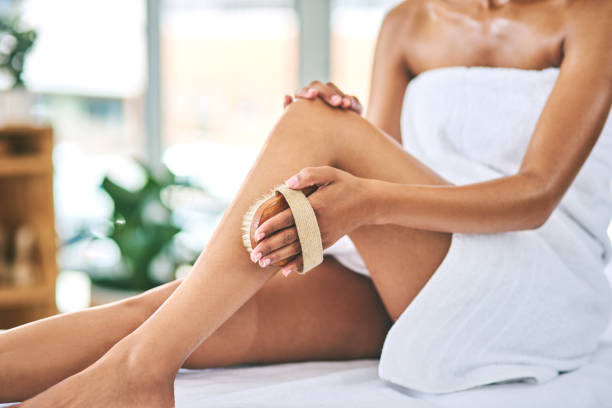
Ever stepped out of the shower, applied your favourite lotion, and wondered why your skin still feels rough?
You’re not imagining it.
Many people spend money on body creams, oils, and expensive moisturisers but overlook one simple habit that makes those products work much better: body exfoliation.
Think about washing a dusty window. You can spray cleaner over the dirt, but until you wipe away the grime, the glass never looks truly clear. Your skin works in a surprisingly similar way.
Every day, your body sheds millions of dead skin cells. Most fall away naturally. Others stubbornly cling to the surface, creating dry patches, clogged pores, rough elbows, dull legs, and those tiny bumps that seem impossible to smooth out.
That’s where exfoliation comes in.
Done correctly, it helps reveal fresher skin underneath, improves texture, supports healthy skin turnover, and even helps your moisturiser absorb more effectively.
But here’s the thing.
More isn’t always better.
Scrubbing aggressively every day won’t give you glowing skin; it can leave your skin irritated, inflamed, and more sensitive than before.
Let’s walk through everything you need to know so you can exfoliate smarter, not harder.
What Is Body Exfoliation?
Body exfoliation is the process of removing dead skin cells from the outermost layer of your skin.
Your skin naturally renews itself about every 28 to 40 days, although this cycle slows as you get older. Stress, sun exposure, dehydration, hormonal changes, and even lack of sleep can also affect how quickly fresh skin reaches the surface.
When dead skin cells don’t shed properly, they begin to build up.
That buildup may cause:
- Rough or flaky skin
- Dull-looking skin
- Clogged pores
- Ingrown hairs
- Body acne
- Uneven texture
- Ashy appearance, especially on darker skin tones
Exfoliation helps clear away this layer so healthier skin can shine through.
Your Skin Already Exfoliates Naturally, So Why Help It?
Your body is remarkably good at repairing itself.
New skin cells form in the deeper layers of your skin before slowly moving upward. Eventually, old cells become dry, flat, and fall away.
Simple enough.
Except life gets in the way.
Long hot showers, air conditioning, winter weather, pollution, sweat, sunscreen, shaving, and friction from clothing can all interfere with healthy skin turnover.
Busy schedules don’t help either.
If you’re juggling work meetings, school assignments, childcare, or commuting, chances are your skincare routine already feels packed. A quick exfoliation once or twice a week can make a noticeable difference without adding much time.
Why Body Exfoliation Is Worth the Effort
The benefits go well beyond smoother skin.
Brighter Skin
Dead skin reflects light unevenly.
Once that layer is removed, skin naturally appears brighter, not because it’s lighter, but because it’s smoother and reflects light more evenly.
Softer Texture
Dry knees.
Rough elbows.
Scratchy ankles.
These areas collect extra dead skin because they experience more friction throughout the day.
Regular exfoliation helps keep them feeling softer.
Better Moisturiser Absorption
Imagine watering a plant through a layer of cardboard.
Some moisture gets through.
Most doesn’t.
Dead skin creates a similar barrier.
After exfoliating, lotions, creams, and body oils spread more evenly and penetrate the skin more effectively.
Fewer Ingrown Hairs
If you shave or wax regularly, exfoliation can become one of your best habits.
Removing dead skin around hair follicles helps hairs grow outward instead of curling beneath the skin.
This is especially helpful for:
- Legs
- Bikini area
- Underarms
- Beard area
Helps Reduce Body Acne
Body acne often develops when oil, sweat, bacteria, and dead skin clog pores.
Regular exfoliation helps keep pores clearer, although persistent acne may also need ingredients like salicylic acid or guidance from a dermatologist.
Supports Healthy Skin Renewal
Your skin naturally repairs itself.
Exfoliation simply gives that process a gentle nudge by clearing away cells that have already reached the end of their life cycle.
Physical vs. Chemical Exfoliation
This comparison confuses many people.
Let’s simplify it.
Physical Exfoliation
Physical exfoliators remove dead skin through gentle friction.
Examples include:
- Sugar scrubs
- Salt scrubs
- Silicone body brushes
- Exfoliating gloves
- Dry brushes
- Textured washcloths
- Konjac sponges
They work immediately because you’re physically lifting dead skin away.
They also feel satisfying, which explains why many people love them.
The downside?
Scrubbing too hard can damage your skin barrier.
Gentle pressure works better than aggressive rubbing.
Chemical Exfoliation
The word “chemical” sounds intimidating.
Honestly, it shouldn’t.
Chemical exfoliants use acids to loosen the bonds between dead skin cells so they release naturally.
Common ingredients include:
AHAs (Alpha Hydroxy Acids)
These work on the skin’s surface.
Examples:
- Glycolic acid
- Lactic acid
- Mandelic acid
AHAs are especially useful for dry, dull, or sun-damaged skin.
BHAs (Beta Hydroxy Acids)
Salicylic acid is the most common.
Because it’s oil-soluble, it travels deeper into pores, making it a great choice for body acne and oily skin.
PHAs (Polyhydroxy Acids)
These are gentler than AHAs and often suit sensitive skin.
Which Type Is Better?
Neither.
They’re simply designed for different needs.
Choose physical exfoliation if you want:
- Instant smoothness
- Dry flaky skin removal
- A spa-like shower experience
Choose chemical exfoliation if you struggle with:
- Body acne
- Keratosis pilaris
- Uneven texture
- Rough bumps
- Hyperpigmentation after breakouts
Some people alternate between the two throughout the week rather than using both on the same day.
How Often Should You Exfoliate?
This depends more on your skin than on the product.
A general guide looks like this:
| Skin Type | Recommended Frequency |
|---|---|
| Sensitive | Once weekly |
| Dry | Once weekly |
| Normal | 1–2 times weekly |
| Combination | 2 times weekly |
| Oily | 2–3 times weekly |
If your skin feels tight, burns when you apply lotion, or stays red for hours afterwards, you’re probably exfoliating too often.
Choosing the Right Exfoliator
Dry Skin
Look for:
- Lactic acid
- Fine sugar scrubs
- Cream-based exfoliants
- Ceramides
- Shea butter
Avoid coarse salt scrubs if your skin cracks easily.
Oily Skin
Good options include:
- Salicylic acid
- Glycolic acid
- Exfoliating body washes
- Lightweight lotions afterward
Sensitive Skin
Keep things simple.
Choose fragrance-free products with gentle ingredients and avoid using exfoliants on consecutive days.
Keratosis Pilaris
Those tiny “chicken skin” bumps often respond well to:
- Urea
- Lactic acid
- Salicylic acid
Improvement takes consistency, not aggressive scrubbing.
A Quick Body Exfoliation Routine for Busy People
You don’t need a long spa ritual.
Try this simple routine:
- Take a warm (not hot) shower.
- Cleanse your skin first.
- Exfoliate gently for about two minutes.
- Rinse thoroughly.
- Pat your skin dry.
- Apply moisturiser while your skin is still slightly damp.
- If the area will be exposed, wear sunscreen the next day.
The whole process takes less than ten minutes.
Common Mistakes That Can Hurt Your Skin
Even good habits can backfire.
Watch out for these common mistakes:
- Exfoliating every day
- Scrubbing too hard
- Using several exfoliating products at once
- Skipping moisturizer afterward
- Ignoring sunscreen after chemical exfoliation
- Using rough scrubs on irritated or sunburned skin
- Exfoliating immediately after shaving
Gentle consistency almost always beats aggressive treatment.
DIY Body Scrubs: Helpful or Hype?
Homemade scrubs are popular because they’re affordable and easy to make.
A basic sugar scrub can combine:
- Brown sugar
- Coconut oil or jojoba oil
- A small amount of honey (optional)
Keep the texture fine rather than coarse.
One ingredient to avoid is lemon juice. While it’s often suggested online, applying it directly to your skin can increase irritation and make your skin more sensitive to sunlight.
Coffee grounds are another common choice. They can provide mild exfoliation, but the evidence that they reduce cellulite is limited. If you enjoy the feel and scent, that’s reason enough to use them, just don’t expect dramatic changes.
Don’t Forget These Often-Ignored Areas
Some parts of the body need a little extra attention.
Elbows
These naturally become thicker because they’re under constant pressure.
Knees
Dryness is common here, especially during colder months.
Feet
Exfoliation can help remove rough skin, but deep cracks may need richer creams with urea.
Back
A long-handled body brush or exfoliating cleanser can make this hard-to-reach area easier to care for.
Neck
The skin here is thinner, so use a gentler exfoliant than you would on your feet or elbows.
Adjust Your Routine With the Seasons
Your skin’s needs change throughout the year.
Summer: Sweat, sunscreen, and outdoor activities can leave skin feeling congested. A consistent exfoliation routine, followed by lightweight hydration and daily sunscreen, can help maintain smooth skin.
Winter: Cold air and indoor heating often lead to dryness. Exfoliate less frequently if your skin feels tight, and choose nourishing moisturisers with ingredients such as glycerin, ceramides, or shea butter.
Spring and Fall: These transition seasons are a good time to reassess your routine. If your skin feels balanced, one or two exfoliation sessions each week are often enough.
Frequently Asked Questions
Can I exfoliate every day?
Usually not. Most people do well exfoliating one to three times a week, depending on skin type and the product they’re using.
Is body exfoliation safe during pregnancy?
Many physical exfoliants are fine, but it’s a good idea to discuss products containing stronger acids with your healthcare provider before using them regularly.
Should I exfoliate before or after shaving?
Before. Exfoliating first helps lift trapped hairs and removes dead skin, allowing the razor to glide more smoothly.
Can exfoliation remove stretch marks?
No. Exfoliation won’t remove stretch marks, though smoother skin may make them less noticeable. Treatments that target stretch marks work in different ways.
Can exfoliation lighten dark spots?
It can gradually improve the appearance of post-inflammatory marks by supporting healthy skin renewal, especially when paired with sunscreen and ingredients suited to your skin. Results take time.
Final Thoughts
Body exfoliation doesn’t need to be complicated or expensive. A thoughtful routine, done gently and consistently, can leave your skin feeling smoother, looking brighter, and better prepared to benefit from the rest of your skincare products.
If you’re a student rushing between classes, a busy professional balancing meetings, or a parent squeezing self-care into a packed day, you don’t need an hour-long ritual. A few focused minutes once or twice a week can make a noticeable difference.
Start slowly, pay attention to how your skin responds, and remember that healthy skin isn’t about scrubbing harder. It’s about giving your skin the support it needs to do what it already does remarkably well: renew itself.