
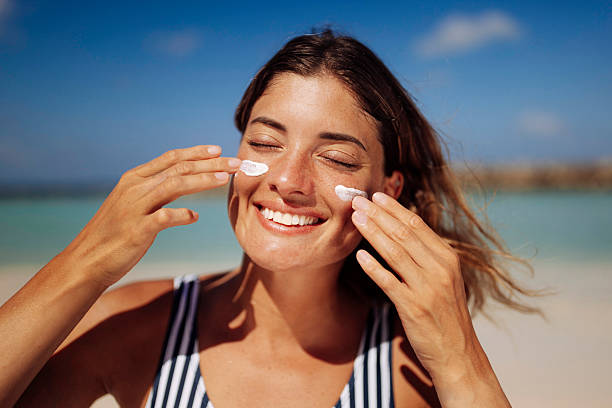
Summer has a funny way of exposing every weakness in your skincare routine.
One week your skin feels balanced. Then temperatures rise, humidity kicks in, and suddenly your forehead looks shiny by lunchtime. Maybe you’re dealing with clogged pores, unexpected breakouts, or skin that somehow feels oily and dry at the same time.
Sound familiar?
Here’s the good news: you don’t need a bathroom shelf packed with expensive products to have healthy skin during summer. In fact, beginners often get better results because they stick to the basics instead of layering ten different serums every morning.
Dermatologists consistently recommend keeping your routine simple, especially when you’re just starting. A gentle cleanser, a lightweight moisturiser, and sunscreen are enough for most people. Everything else comes later if your skin truly needs it.
Whether you’re a student rushing between classes, a busy professional catching the morning commute, or a mom trying to squeeze five quiet minutes into your day, this guide will help you build a realistic summer skincare routine that fits your life.
Let’s keep it simple.
Why Summer Changes Your Skin
Your skin works harder during summer than you might think.
Heat encourages your oil glands to produce more sebum. Sweat mixes with that oil, sunscreen, makeup, and everyday dirt. Before long, your pores become congested.
That’s why many people notice:
- Extra shine
- Pimples
- Blackheads
- Redness
- Sunburn
- Dry patches after swimming
- Irritated skin from air conditioning
It’s a strange contradiction. Summer often makes skin oilier, yet it can also leave it dehydrated.
Swimming pools, salt water, long hours in the sun, and air-conditioned offices all strip moisture from your skin, even if your face looks shiny. That’s why replacing heavy winter creams with lighter products usually makes more sense during warmer months.
Think of your skin like a sponge.
When it’s healthy, it stays flexible and comfortable. When it’s damaged, it can’t hold water properly, even if there’s plenty of humidity outside.
First Things First: Know Your Skin Type
Honestly, this step gets skipped more often than it should.
People buy products because someone on TikTok swears by them, only to wonder why their skin reacts differently.
Before building a routine, identify your skin type.
Oily Skin
Your face becomes shiny within a few hours of washing. Breakouts are common, especially around your forehead, nose, and chin.
Dry Skin
Your skin often feels tight, flaky, or rough, particularly after cleansing.
Combination Skin
An oily T-zone with normal or dry cheeks.
Sensitive Skin
Products sting easily, redness appears quickly, and fragrances often irritate.
Normal Skin
Neither particularly oily nor dry. Lucky you.
Your skin type doesn’t usually change overnight, but the season can affect how it behaves. Someone with combination skin during winter may feel much oilier throughout summer.
The Beginner-Friendly Summer Skincare Routine
Here’s the thing.
Consistency beats complexity every single time.
Step 1: Cleanse Gently
Your cleanser removes sweat, sunscreen, excess oil, and pollution.
Morning cleansing prepares your skin for the day.
Evening cleansing removes everything you’ve collected throughout those busy hours.
Look for:
- Gel cleansers
- Foaming cleansers (if oily)
- Cream cleansers (if dry)
- Fragrance-free formulas
Avoid harsh scrubs that leave your face squeaky clean.
Oddly enough, that “super clean” feeling often means you’ve stripped away your skin’s natural barrier.
Step 2: Use a Lightweight Moisturiser
Many beginners skip moisturiser during summer because they think oily skin doesn’t need it.
Actually, the opposite can happen.
When skin becomes dehydrated, it may produce even more oil trying to compensate.
Instead, choose:
- Gel moisturizers
- Water-based lotions
- Oil-free formulas
- Non-comedogenic products
Your moisturiser doesn’t need to feel heavy to be effective.
Step 3: Sunscreen Is Non-Negotiable
If you remember only one thing from this article, make it this.
Wear sunscreen every day.
Cloudy weather?
Still wear sunscreen.
Working near a window?
Still wear sunscreen.
Running errands for twenty minutes?
Yes, still sunscreen.
Broad-spectrum SPF 30 or higher is recommended for daily use, with water-resistant formulas being especially helpful if you’ll be outdoors or sweating. Reapply approximately every two hours during prolonged sun exposure.
Mineral sunscreens containing zinc oxide are often a good choice for sensitive skin, while lightweight chemical sunscreens tend to feel more comfortable for oily skin.
Step 4: Keep Nighttime Simple
Night is when your skin repairs itself.
You don’t need twelve products before bed.
Simply:
- Wash your face
- Apply moisturizer
- Add one treatment product if needed
That’s enough for most beginners.
The Best Skincare Ingredients for Summer Beginners
Once you’ve nailed the basics, the next question is usually, “Which ingredients should I look for?”
Walk into any beauty store, and you’ll see labels shouting about miracle ingredients. Vitamin C. Niacinamide. Hyaluronic acid. Salicylic acid. It can feel like you need a chemistry degree just to buy a moisturiser.
You don’t.
A handful of well-studied ingredients can address most common summer skin concerns. Here are the ones worth knowing.
Hyaluronic Acid: Lightweight Hydration
Despite the name, hyaluronic acid isn’t harsh or exfoliating. It’s actually one of the gentlest hydrating ingredients available.
It attracts water to the skin, helping it feel plump and comfortable without leaving a greasy finish. That’s exactly why it’s popular during hot weather.
It’s especially helpful if:
- Your skin feels tight after cleansing.
- You’re spending long hours in air-conditioned spaces.
- You’ve had a little too much sun (without a burn).
Apply it to slightly damp skin, then follow with moisturiser to help lock in hydration.
Niacinamide: The All-Rounder
If there were an MVP in beginner skincare, niacinamide would be a strong contender.
This form of vitamin B3 helps with several common concerns at once:
- Excess oil
- Enlarged-looking pores
- Uneven skin tone
- Redness
- A weakened skin barrier
The best part? Most people tolerate it well, making it an easy addition to a beginner routine.
Vitamin C: Your Morning Brightener
Summer means more sun exposure, which can contribute to dark spots and uneven skin tone over time.
Vitamin C is an antioxidant that helps defend the skin against environmental stress while gradually brightening dull areas.
Many people like using it in the morning before moisturiser and sunscreen.
Just remember, vitamin C is a helpful addition, not a replacement for sunscreen.
Salicylic Acid: For Oily and Acne-Prone Skin
If you’re constantly dealing with clogged pores or small breakouts, salicylic acid may become your new favourite ingredient.
Unlike some exfoliants that work mainly on the surface, salicylic acid can travel into oily pores to help clear away excess sebum and dead skin cells.
You don’t need it every day.
Start with two or three times a week and see how your skin responds.
Ceramides: Your Skin’s Support System
Imagine the outer layer of your skin as a brick wall.
Your skin cells are the bricks.
Ceramides are part of the “mortar” that keeps everything together.
When your skin barrier is healthy, it holds moisture better and feels less irritated. Moisturisers with ceramides can be especially useful if your skin becomes dry from frequent cleansing, swimming, or sun exposure.
Aloe Vera: Cooling Comfort
You know that refreshing feeling after applying aloe vera gel to warm skin?
There’s a reason it’s a longtime summer favourite.
Pure aloe vera can help soothe mild irritation and provide light hydration. Just make sure you’re choosing a product with minimal added fragrance or alcohol, which can be irritating for some people.
Products You Probably Don’t Need (At Least Not Yet)
Here’s something that surprises many beginners.
Buying more products doesn’t automatically mean better skin.
Social media routines can be entertaining, but many feature ten or more products layered together. For someone who’s just starting, that’s often unnecessary, and sometimes counterproductive.
You can safely skip these for now:
- Multiple exfoliating acids used on the same day
- Several serums with overlapping benefits
- Expensive facial oils if your skin is already oily
- Physical scrubs with rough particles
- Peel-off masks
- Trendy gadgets you don’t understand yet
A simple routine is easier to follow, easier on your wallet, and easier on your skin.
If you eventually want to try a new product, introduce only one at a time. That way, if your skin reacts, you’ll know which product is responsible.
Common Summer Skincare Mistakes Beginners Make
Nobody gets everything right from day one.
In fact, most skincare mistakes come from good intentions.
Let’s look at a few of the most common ones.
Washing Your Face Too Often
When your face feels oily, it’s tempting to wash it every couple of hours.
Resist the urge.
Over-cleansing can strip away natural oils, leaving your skin irritated and sometimes even oilier than before.
Twice a day is enough for most people.
Skipping Moisturizer
“I already have oily skin.”
It’s a common thought, but oily skin still needs hydration.
A lightweight moisturiser helps keep your skin barrier healthy, which can actually reduce excess oil over time.
Forgetting Your Neck
Many people carefully apply skincare to their face and stop at the jawline.
Meanwhile, the neck gets the same sun exposure.
Extend your cleanser, moisturiser, and sunscreen down to your neck. It’s a small habit that makes a big difference over time.
Using Too Many Active Ingredients
More isn’t always better.
Using retinol, vitamin C, exfoliating acids, and acne treatments all at once can overwhelm your skin.
Start slowly.
Give each product a chance to work before adding another.
Sleeping in Makeup
We’ve all been there.
You get home late after a long day, glance at the sink, and think, “I’ll wash it off tomorrow.”
Honestly, your skin will thank you if you spend those extra two minutes cleansing before bed.
Makeup, sunscreen, sweat, and pollution can build up throughout the day, increasing the chance of clogged pores and irritation.
Not Reapplying Sunscreen
Applying sunscreen once in the morning isn’t enough if you’re spending hours outdoors.
Sweating, swimming, and even rubbing your face can reduce its effectiveness.
Carry a travel-sized sunscreen in your bag. It’s one of the easiest habits to build, especially during summer outings.
Morning vs. Evening: Does It Really Matter?
Yes, but not because the routines need to be complicated.
Your skin has different priorities depending on the time of day.
Morning Routine
Your goal is protection.
A simple morning routine might look like this:
- Gentle cleanser
- Vitamin C serum (optional)
- Lightweight moisturizer
- Broad-spectrum SPF 30 or higher
Think of it as preparing your skin for everything the day throws at it, sun, heat, pollution, and sweat.
Evening Routine
Nighttime is all about recovery.
Try this:
- Remove makeup and sunscreen.
- Cleanse your face.
- Apply any treatment product, if you’re using one.
- Finish with moisturiser.
You don’t need to spend half an hour in front of the mirror.
Five to ten minutes is enough for most beginners.
Summer Skincare Tips for Different Skin Types
One routine doesn’t fit everyone.
A few small adjustments can make your skincare feel much more personal.
If You Have Oily Skin
Choose:
- Gel cleansers
- Oil-free moisturisers
- Lightweight sunscreen
- Salicylic acid a few times each week if needed
Avoid trying to strip away every bit of oil. Your skin still needs balance.
If You Have Dry Skin
Focus on:
- Cream or lotion cleansers
- Hydrating serums
- Moisturisers with ceramides
- Sunscreens that include moisturising ingredients
Don’t forget to drink enough water, especially if you’re outdoors in the heat.
If You Have Combination Skin
A balanced approach works best.
Use lightweight products overall, but don’t be afraid to apply a little more moisturiser to areas that feel dry.
Some people even use different products on different parts of the face—and that’s perfectly fine.
If You Have Sensitive Skin
Keep things simple.
Choose fragrance-free products, introduce new items one at a time, and patch-test anything unfamiliar before applying it to your whole face.
When in doubt, fewer products are usually better than more.