There’s something about fall mornings that makes breakfast feel a little more inviting. Warm oats, cinnamon, baked apples, creamy yoghurt, pumpkin, sweet potatoes suddenly, getting out of bed doesn’t seem quite so terrible.
But fall breakfast can do more than keep you warm while you answer emails, pack lunchboxes, or rush out the door.
The right breakfast can give your body a useful mix of protein, healthy fats, fibre, vitamins, minerals, and plant compounds that support overall health, including healthy skin. Foods rich in vitamin C, vitamin A precursors, vitamin E, omega-3 fats, and antioxidants are especially useful additions to a balanced eating pattern.
And no, you don’t need a complicated “beauty breakfast” with twelve powders and a cabinet full of supplements.
Honestly, a bowl of oats with berries and nuts can be far more useful and much easier to stick with.
So if you’re looking for healthy fall breakfasts for glowing skin, here are eight simple ideas that work for students, career women, young mothers, busy professionals, and anyone who wants breakfast to pull its weight on a hectic morning.
What Does Breakfast Have to Do With Glowing Skin?
Let’s clear something up first.
Food isn’t a magic eraser for acne, dryness, fine lines, or uneven skin tone. Your skin is influenced by many things, including genetics, hormones, sleep, stress, sun exposure, skincare, hydration, and overall nutrition.
Still, your diet matters.
Harvard Health notes that a balanced diet built around fruits, vegetables, whole grains, healthy fats, and quality protein provides many nutrients associated with healthy skin. The American Academy of Dermatology also recommends getting nutrients from a balanced diet rather than relying on beauty supplements when you’re otherwise healthy.
That makes breakfast a handy place to build better habits.
Think of your morning meal as the first little project in your daily nutrition workflow. It doesn’t have to be perfect. It simply needs to contain a few useful building blocks.
The skin-friendly breakfast formula
A simple breakfast can include:
- Protein: Greek yoghurt, eggs, milk, cottage cheese, salmon, nuts, seeds, or beans
- Whole grains: Oats, whole-grain bread, quinoa, or other minimally processed grains
- Colourful fruit: Berries, apples, pears, oranges, kiwi, or pomegranate
- Vegetables: Spinach, sweet potato, pumpkin, peppers, or tomatoes
- Healthy fats: Avocado, walnuts, chia seeds, flaxseeds, pumpkin seeds, or nut butter
- Fluids: Water, milk, or unsweetened tea
Whole grains are especially useful because they contain fibre, B vitamins, minerals, antioxidants, and other plant compounds that are lost or reduced during refining.
Meanwhile, colourful fruits and vegetables provide vitamin C, beta-carotene, polyphenols, and other compounds that support overall health.
Now, let’s make all of that taste good.
1. Apple Cinnamon Overnight Oats With Walnuts
Fall practically begs for apples and cinnamon.
And overnight oats might be one of the easiest breakfasts for people who hit snooze twice, check their phone, and suddenly realise they have eight minutes to leave the house.
The night before, combine rolled oats with milk or unsweetened yoghurt. Add chopped apple, cinnamon, chia seeds, and a handful of walnuts. Refrigerate overnight.
In the morning, add another spoonful of yoghurt or a little nut butter if you like.
Why it’s good for your skin
Apples provide fibre and plant compounds, while walnuts and chia seeds add healthy fats. Oats contribute whole-grain goodness and fibre, and yoghurt can add protein.
Walnuts are also a plant source of omega-3 fatty acids, while nuts and seeds provide vitamin E and other nutrients. Omega-3 fats are among the healthy fats commonly included in balanced eating patterns.
Quick recipe
You’ll need:
- ½–1 cup rolled oats
- ½–1 cup milk or plain yoghurt
- 1 small apple, chopped
- 1 tablespoon chia seeds
- 1 tablespoon chopped walnuts
- ½ teaspoon cinnamon
- Optional: nut butter
Mix everything except the walnuts in a jar or container. Refrigerate overnight. Add walnuts before eating.
Busy-morning trick: Make three jars at once. Future-you will be grateful.
2. Pumpkin Greek Yoghurt Bowl
Pumpkin isn’t only for pies and decorative front porches.
It’s also a wonderfully easy breakfast ingredient.
For a creamy fall breakfast, mix plain Greek yoghurt with pumpkin purée, cinnamon, ginger, and a small amount of maple syrup if you want sweetness. Top it with pumpkin seeds, chopped walnuts, and oats or low-sugar granola.
It tastes a little like dessert, which is probably why children suddenly become very interested in breakfast.
Why it’s good for your skin
Orange vegetables such as pumpkin and sweet potatoes contain beta-carotene, which the body can convert into vitamin A. Vitamin A plays an important role in maintaining healthy skin.
Pumpkin seeds also provide healthy fats and minerals, while Greek yoghurt gives you protein.
The result is a breakfast that combines creamy, crunchy, sweet, and warming flavours without requiring a frying pan.
Try this combination
- Plain Greek yoghurt
- 2–3 tablespoons pumpkin purée
- Cinnamon
- A pinch of ginger
- Pumpkin seeds
- Chopped walnuts
- Rolled oats
- A small drizzle of maple syrup
If pumpkin isn’t easy to find where you live, mashed sweet potato makes a surprisingly good substitute.
3. Sweet Potato and Egg Breakfast Toast
Here’s the thing about sweet potatoes: they’re brilliant when you want something filling without making breakfast feel heavy.
Roast sweet potatoes ahead of time, then keep them in the refrigerator. In the morning, mash some onto whole-grain toast and add a boiled, scrambled, or fried egg.
Top with spinach, avocado, or sliced tomato.
That’s it.
Why it’s good for your skin
Sweet potatoes are rich in beta-carotene, while eggs provide protein and several vitamins and minerals. Dark leafy greens such as spinach provide vitamin A, vitamin C, and other plant compounds.
Adding avocado gives the meal some healthy fat, too.
This is also a good example of why a “glowing skin diet” doesn’t need to be complicated. You’re simply stacking several nutrient-rich foods onto one plate.
Make it even faster
Prepare a batch of sweet potatoes during your weekend meal prep.
Then:
Toast + sweet potato + egg + greens = breakfast.
No elaborate morning production required.
4. Berry Chia Pudding With Yoghurt
If you prefer a cold breakfast even when the weather starts getting cooler, chia pudding is worth keeping in your rotation.
Mix chia seeds with milk, then refrigerate overnight. In the morning, add plain yoghurt and a generous handful of berries.
Strawberries, blueberries, raspberries, blackberries — use whatever you have.
Why berries?
Berries are rich in fibre and naturally occurring plant compounds, while their deep colours often signal a high concentration of antioxidant compounds.
Berries also pair beautifully with yoghurt, which provides protein and calcium.
If you want more staying power, add chopped almonds or walnuts.
Easy chia pudding
Combine:
- 2 tablespoons chia seeds
- ½–1 cup milk
- ¼ cup plain yoghurt
- ½ cup berries
- 1 tablespoon chopped nuts
- Cinnamon or vanilla, if desired
Stir the chia seeds and milk well. Refrigerate overnight. Add yoghurt, berries, and nuts in the morning.
Little upgrade: Add kiwi, orange segments, or another vitamin C-rich fruit when available. Vitamin C supports collagen formation and acts as an antioxidant.
5. Avocado and Smoked Salmon Whole-Grain Toast
Some mornings call for porridge.
Other mornings call for something savoury.
That’s where avocado and salmon toast comes in.
Spread mashed avocado over whole-grain toast and top it with smoked salmon. Add cucumber, tomato, spinach, or a squeeze of lemon.
It’s quick, satisfying, and feels a little more special than the usual weekday toast.
Why it’s a skin-friendly breakfast
Salmon is a source of omega-3 fatty acids, while avocado provides unsaturated fat. Nuts, seeds, and fatty fish are common sources of healthy fats in balanced dietary patterns.
Whole-grain bread adds fibre and nutrients compared with refined bread.
And if you’re trying to build a breakfast that keeps you satisfied through a morning of meetings, lectures, school runs, or commuting, the combination of protein, fat, and whole grains makes sense.
Simple topping ideas
Try:
- Avocado + salmon + lemon
- Avocado + tomato + boiled egg
- Avocado + spinach + pumpkin seeds
- Avocado + cucumber + cottage cheese
No need to make every breakfast Instagram-worthy. Though, admittedly, this one usually photographs well.
6. Warm Pear and Walnut Oatmeal
Apples get most of the autumn breakfast attention, but pears deserve their moment.
Make a bowl of oatmeal with milk or water, then add sliced pear, cinnamon, chopped walnuts, and a spoonful of plain yoghurt.
You get a warm, comforting breakfast that takes about as much effort as scrolling through three social media posts.
Why it’s a good choice
Oats are whole grains, while pears contribute fibre and plant compounds. Walnuts add healthy fats, and yoghurt provides protein.
The broader point is more important than any one ingredient: healthy eating patterns tend to feature plenty of fruits, vegetables, whole grains, healthy fats, and quality protein.
Make it more filling
Add:
- Chia seeds
- Ground flaxseed
- Almond butter
- Greek yoghurt
- Pumpkin seeds
If you need a breakfast that carries you from 7 a.m. to lunchtime, a plain bowl of oats may not be enough. Adding protein and healthy fats can make it much more substantial.
7. Fall Green Smoothie With Spinach, Apple and Kiwi
Not everyone wants to eat a hot breakfast.
And when you’re running late, a smoothie can be the difference between having breakfast and grabbing whatever happens to be closest to the office.
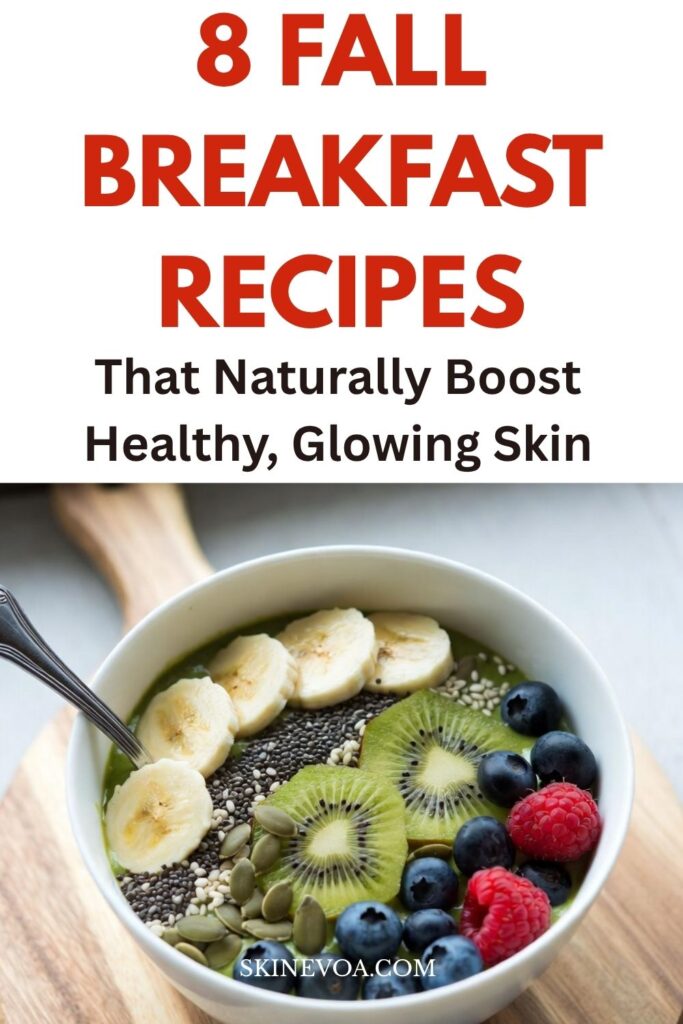
For a simple green smoothie, blend spinach, apple, kiwi, plain yoghurt, milk, and chia seeds.
Add ice if you like your smoothie cold.
Why it works
Spinach provides vitamins and plant compounds, while kiwi and other fruits can contribute vitamin C. Vitamin C is involved in collagen formation and also functions as an antioxidant.
The yoghurt and chia seeds help make the smoothie more satisfying than a fruit-only blend.
A balanced smoothie formula
Instead of throwing random ingredients into a blender, use this simple structure:
Fruit + vegetable + protein + healthy fat + liquid
For example:
- Apple
- Spinach
- Greek yoghurt
- Chia seeds
- Milk
That gives you a more balanced breakfast than a giant fruit smoothie with nothing else.
And yes, the colour may be aggressively green. Drink it anyway.
8. Warm Breakfast Quinoa With Pomegranate and Almonds
If oatmeal has become your breakfast roommate and you’re both getting tired of each other, try quinoa.
Cooked quinoa can be served warm with milk, cinnamon, pomegranate seeds, chopped almonds, and a little plain yoghurt.
It has a nuttier flavour than oats and makes a nice change when you want something slightly different.
Why quinoa?
Quinoa is a whole grain-like seed that contributes protein, fibre, minerals, and other nutrients. Pairing it with fruit and nuts turns it into a more complete breakfast.
Pomegranate seeds also bring colour and plant compounds to the bowl.
You don’t need to eat every “superfood” you see online. Variety is more useful than chasing one magical ingredient.
That’s worth remembering.
The Nutrients That Give These Breakfasts Their “Glow”
The phrase glowing skin gets thrown around a lot online, but there are real nutritional principles behind some of the foods people associate with healthy-looking skin.
Here’s what to look for.
Vitamin C
Vitamin C supports collagen formation and works as an antioxidant. Citrus fruits, strawberries, kiwi, peppers, and other fruits and vegetables can contribute vitamin C.
Try adding:
- Kiwi to yoghurt
- Berries to oats
- Orange slices beside eggs
- Strawberries to chia pudding
- Bell peppers to savoury toast
Vitamin A and Beta-Carotene
Beta-carotene is found in orange and yellow vegetables such as sweet potatoes and carrots. The body can convert beta-carotene into vitamin A, which helps maintain healthy skin.
Easy breakfast choices include:
- Sweet potato
- Pumpkin
- Carrots
- Spinach
- Eggs
That makes a pumpkin yoghurt bowl or sweet potato toast more than just a seasonal trend.
Vitamin E
Vitamin E acts as an antioxidant, and nuts, seeds, and some vegetable oils provide it.
That’s one reason almonds, walnuts, sunflower seeds, pumpkin seeds, and chia seeds are useful additions to breakfast.
A spoonful can go a long way.
Omega-3 Fatty Acids
Fatty fish such as salmon, sardines, trout, and mackerel are good sources of omega-3 fats. Nuts and seeds can also contribute certain omega-3 fats.
For breakfast, think:
Salmon toast. Chia pudding. Walnut oatmeal. Flaxseed smoothies.
Simple.
Protein
Protein doesn’t get the same glamorous treatment as antioxidants, but it matters.
Eggs, Greek yoghurt, milk, cottage cheese, fish, nuts, seeds, and legumes can all contribute protein. Harvard’s nutrition guidance emphasises the importance of getting adequate protein as part of a healthy eating pattern.
And practically speaking, protein can help breakfast feel more substantial.
How to Make Healthy Fall Breakfasts When You’re Busy
Here’s where the Pinterest-perfect breakfast plan usually falls apart.
You might love the idea of making pumpkin bowls from scratch every morning. Then Wednesday arrives. You have a deadline, your toddler can’t find a shoe, your inbox is on fire, and suddenly breakfast is a biscuit eaten over the kitchen sink.
It happens.
So make a healthy breakfast easier.
1. Prep two ingredients, not 20
You don’t need a full Sunday meal-prep marathon.
Cook a few sweet potatoes. Boil some eggs. Wash your fruit. Make two or three jars of overnight oats.
That’s enough to give yourself a head start.
2. Keep “skin-friendly” basics around
A useful grocery list might include:
- Rolled oats
- Plain Greek yoghurt
- Eggs
- Whole-grain bread
- Apples
- Pears
- Berries
- Kiwi
- Spinach
- Sweet potatoes
- Pumpkin
- Avocado
- Walnuts
- Chia seeds
- Pumpkin seeds
- Salmon or another oily fish
You don’t need all of them every week.
The goal is simply to have a few ingredients that can be mixed and matched.
3. Use frozen produce
Frozen berries and spinach can save both money and time.
They’re also handy when fresh produce isn’t available or when you’ve bought fresh berries with good intentions and forgotten about them at the back of the fridge.
We’ve all been there.
4. Don’t fear leftovers
Breakfast doesn’t have to mean cereal, toast, or pancakes.
Leftover roasted sweet potato with eggs? Great.
Leftover vegetables with avocado toast? Fine.
Beans and eggs on whole-grain toast? Absolutely.
A savoury breakfast can be especially useful when sweet breakfasts leave you hungry an hour later.
A 7-Day Fall Breakfast Plan for Glowing Skin
Need someone else to make the weekly decisions? Here you go.
Monday
Apple cinnamon overnight oats
Oats + apple + chia seeds + walnuts + plain yoghurt.
Tuesday
Sweet potato and egg toast
Whole-grain toast + mashed sweet potato + egg + spinach.
Wednesday
Berry chia pudding
Chia seeds + yoghurt + berries + almonds.
Thursday
Pumpkin yoghurt bowl
Greek yoghurt + pumpkin + cinnamon + pumpkin seeds + oats.
Friday
Avocado salmon toast
Whole-grain toast + avocado + salmon + tomato or cucumber.
Saturday
Pear and walnut oatmeal
Oats + pear + cinnamon + walnuts + yoghurt.
Sunday
Green smoothie
Spinach + apple + kiwi + Greek yoghurt + chia seeds.
This isn’t a rigid meal plan. Swap ingredients according to what’s affordable, available, and enjoyable.
That matters.
A breakfast you actually eat beats a theoretically perfect breakfast you abandon after four days.
What About Coffee?
Yes, you can still have your morning coffee.
There’s no need to turn a skin-friendly breakfast into a punishment.
If you enjoy coffee, have it alongside a proper meal rather than allowing it to become breakfast by itself. And if you add a lot of sugar or flavoured syrups, consider gradually reducing them if that’s something you want to change.
Water matters, too.
You don’t need to obsess over a specific number of glasses for “perfect skin,” but staying hydrated is part of basic wellbeing. Water can sit beside your breakfast while coffee or tea handles the cosy morning ritual.
Balance beats drama.
Do You Need Skin Supplements?
Usually, food should come first.
The American Academy of Dermatology says healthy adults should generally try to meet their nutrient needs through a balanced diet. Supplements can have a role when a healthcare professional identifies a deficiency or another reason for supplementation.
So before spending money on a shelf full of “glow” gummies, look at breakfast.
Are you eating fruits and vegetables regularly?
Are you getting enough protein?
Are whole grains showing up?
Do you eat healthy fats?
Are you getting a reasonable variety of foods?
Those questions are much less exciting than a shiny supplement bottle, but they matter more.
And if you have a known deficiency, food allergies, a medical condition, or specific dietary needs, talk with your doctor or a registered dietitian before making major nutrition changes.
Common Breakfast Mistakes That Can Work Against You
A healthy breakfast doesn’t need to be perfect, but a few patterns are worth watching.
Choosing sugary cereal as the whole meal
Some cereals can be perfectly reasonable, especially when paired with yoghurt, milk, nuts, or fruit. But a breakfast that’s mostly refined carbohydrates and added sugar may not keep you satisfied for long.
Whole grains, fruit, protein, and healthy fats make a more balanced combination.
Drinking your entire breakfast
Smoothies can be nutritious, but they can also become enormous.
A blender full of fruit juice, several bananas, sweetened yoghurt, honey, and other sweet ingredients can turn into a very large breakfast without much protein or fat.
Build your smoothie with a purpose instead.
Forgetting protein
A bowl of fruit might look beautifully colourful, but it may not be enough to keep a busy person satisfied.
Add yoghurt, eggs, nuts, seeds, milk, or another protein source.
Chasing one “miracle” food
There isn’t one breakfast ingredient that suddenly gives you flawless skin.
Not pumpkin.
Not chia seeds.
Not berries.
Not collagen powder.
Healthy skin is supported by the overall pattern and your overall lifestyle.
That’s a much less glamorous answer, but it’s also the sensible one.
The Bottom Line: Build a Breakfast You Can Repeat
The best healthy fall breakfasts for glowing skin aren’t necessarily the prettiest ones.
They’re the breakfasts you can make on a Tuesday morning when you’re tired.
They’re the overnight oats waiting in the fridge.
The boiled eggs you prepared ahead of time.
The sweet potato left over from dinner.
The handful of walnuts you throw over yoghurt.
The berries sitting in the freezer.
Small choices. Repeated often.
A balanced breakfast that includes whole grains, colourful produce, protein, and healthy fats can support your wider nutrition needs while giving your skin access to nutrients involved in maintaining healthy tissue and protecting cells.
And there’s something comforting about that.
You don’t need to overhaul your entire life for healthier-looking skin. You don’t need a complicated morning routine that takes longer than getting dressed.
Start with breakfast.
Make it warm. Make it colourful. Add some protein. Toss in fruit. Keep the walnuts nearby.
Then get on with your day.
Frequently Asked Questions
What is the best breakfast for glowing skin?
There isn’t one single best breakfast for glowing skin. A balanced meal containing protein, whole grains, fruit or vegetables, and healthy fats is a strong place to start. Examples include berry chia pudding, sweet potato and egg toast, or apple walnut overnight oats.
What should I eat in the morning for clear skin?
Focus on a varied diet that includes fruits, vegetables, whole grains, protein, and healthy fats. Foods such as berries, leafy greens, sweet potatoes, nuts, seeds, eggs, yoghurt, and fatty fish can contribute useful nutrients to an overall healthy diet.
Are oats good for skin?
Oats are a whole grain that provides fibre, B vitamins, minerals, antioxidants, and other plant compounds. They can be part of a balanced diet that supports overall health and healthy skin.
Is pumpkin good for glowing skin?
Pumpkin contains beta-carotene, which the body can convert into vitamin A. Vitamin A helps maintain healthy skin, making pumpkin a useful seasonal addition to a varied diet.
Are berries good for skin?
Berries provide fibre and antioxidant plant compounds. They’re also an easy source of fruit to add to breakfast bowls, oats, yoghurt, and smoothies.
What breakfast foods support collagen?
Vitamin C is involved in collagen formation, so foods containing vitamin C such as kiwi, citrus fruits, strawberries, and peppers can contribute to your dietary intake. Protein-rich foods also provide amino acids that the body uses for many functions.
Can breakfast alone improve my skin?
Breakfast alone can’t guarantee clearer or more radiant skin. Skin health depends on many factors, including genetics, hormones, sun exposure, sleep, stress, skincare, and overall nutrition. A nutrient-rich breakfast is best viewed as one small part of a healthy lifestyle.
Do I need supplements for glowing skin?
Not necessarily. The American Academy of Dermatology recommends that healthy adults generally meet their nutrient needs through a balanced diet, while supplements may be useful when a healthcare professional identifies a deficiency or another specific need.
What is an easy fall breakfast for busy moms?
Overnight oats, yoghurt bowls, boiled eggs with whole-grain toast, chia pudding, and smoothies are all practical choices. Preparing a few ingredients ahead of time can make weekday mornings much easier.
What’s the easiest breakfast for healthy skin?
Try Greek yoghurt topped with berries, walnuts, and chia seeds. It takes only a few minutes to assemble and combines protein, fruit, fibre, and healthy fats.
Can I still drink coffee with a healthy breakfast?
Absolutely. Coffee can be part of your morning routine. The bigger priority is making sure coffee doesn’t replace a nourishing meal and keeping the overall breakfast balanced.
A final reminder: “glowing skin” shouldn’t become another impossible standard to chase. Healthy skin looks different from person to person. A good breakfast isn’t about perfection; it’s about giving your body nourishing food that helps you feel good, stay satisfied, and get through your day.
And if that breakfast happens to smell like cinnamon and baked apples?
Even better.