When the weather cools down, many of us quietly retire our sunscreen.
The beach bag gets tucked away. Sunglasses disappear into a drawer. Morning routines become a little shorter because, honestly, you’re no longer sweating through your makeup or chasing kids around the splash park.
It feels like summer has officially signed off.
But here’s the thing—your skin doesn’t know what season it is.
Sure, autumn brings crisp mornings, cosy sweaters, pumpkin-flavoured everything, and golden leaves. It also brings a common skincare mistake. People assume that because the sun feels weaker, it has stopped affecting their skin.
That isn’t quite true.
Whether you’re walking across campus, driving to work, pushing a stroller through the neighbourhood, or grabbing coffee before your first meeting, your skin still meets ultraviolet (UV) rays almost every day.
The question isn’t whether the sun is hot.
The real question is whether UV radiation is still reaching your skin.
The answer? Yes.
Let’s explain why.
Why We Forget About Sunscreen Every Fall
Summer practically reminds you to wear sunscreen.
Advertisements are everywhere. Vacation packing lists include it automatically. Friends remind each other at the beach.
Autumn doesn’t have that same energy.
Instead, you’re thinking about scarves, boots, school schedules, Halloween costumes, or getting back into work after summer holidays. Skin protection quietly slides down the priority list.
It makes sense psychologically.
Our brains often connect warmth with danger. If the air feels cool, we assume the sunlight is harmless.
Unfortunately, UV rays don’t work that way.
Think about sitting next to a window on a chilly October afternoon. The room feels cool, but sunlight still streams across the floor. Light doesn’t disappear simply because the temperature changed.
Your skin experiences something very similar outdoors.
The Sun Changed. But Not As Much As You Think
Autumn does reduce the intensity of sunlight in many places.
Days become shorter.
The sun sits lower in the sky.
UVB radiation, which causes most sunburns, often becomes weaker.
That sounds like good news.
But another type of ultraviolet light continues showing up almost every day.
It’s called UVA.
Unlike UVB, UVA remains fairly consistent throughout the year.
It passes through clouds.
It passes through many windows.
And it reaches deeper into your skin.
That’s why someone who spends hours beside an office window or drives long distances may still collect significant UVA exposure without realising it.
You don’t have to feel hot.
You don’t even have to be outside all day.
Wait. What’s the Difference Between UVA and UVB?
This part can sound technical, but it’s actually pretty simple.
Imagine sunlight as two coworkers.
One is loud.
The other works quietly.
UVB: The Loud One
UVB gets most of the attention because it’s responsible for sunburn.
You notice it quickly.
Spend too much time outside during summer, and your shoulders turn pink by evening.
That’s UVB.
During autumn, UVB generally becomes less intense in many regions.
UVA: The Quiet One
UVA is different.
It doesn’t usually leave dramatic signs right away.
Instead, it slowly contributes to:
- Premature wrinkles
- Fine lines
- Dark spots
- Uneven skin tone
- Loss of collagen
- Some skin cancers
Think of it like tiny scratches on your favourite wooden table.
One scratch isn’t noticeable.
Years of tiny scratches eventually change the surface.
Skin works much the same way.
Clouds Don’t Block UV the Way Most People Think
Honestly, cloudy weather tricks almost everyone.
Grey skies feel protective.
But many UV rays still pass through clouds.
Some thin cloud cover blocks surprisingly little ultraviolet radiation.
Ever come home after hiking on an overcast day and notice your face looks red?
That’s why.
Autumn is full of cloudy afternoons.
Unfortunately, clouds aren’t sunscreen.
What About Rainy Days?
Good question.
Heavy storms reduce UV exposure more than light cloud cover.
Still, unless you’re indoors all day, you’re usually getting some UV exposure.
Even short trips matter.
Walking from the parking lot.
Picking up children from school.
Running errands.
Eating lunch outside.
Small exposures add up over weeks and months.
That’s why dermatologists often recommend thinking about sunscreen as a daily habit rather than a beach-day product.
Who Really Needs Sunscreen During Autumn?
The short answer?
Almost everyone.
Some people benefit even more.
Students
Walking across campus between classes can easily mean 30 to 60 minutes outdoors every day.
That adds up over an entire semester.
Young Professionals
Morning commutes.
Lunch breaks.
Coffee runs.
Outdoor meetings.
Many office workers believe they’re indoors all day, but they often collect more sun exposure than expected.
Busy Moms
School drop-offs.
Park visits.
Weekend soccer games.
Playgrounds.
Family walks.
Parents spend lots of time outside without thinking of it as “sun time.”
Outdoor Workers
Construction crews.
Delivery drivers.
Landscapers.
Farm workers.
Postal workers.
These jobs involve consistent exposure, regardless of season.
Anyone Using Active Skincare Products
Products containing:
- Retinol
- Retinoids
- Glycolic acid
- Salicylic acid
- Vitamin C (in some routines)
- Chemical exfoliants
can leave skin more sensitive to sunlight.
Skipping sunscreen while using these products often works against the skincare routine you’re investing in.
“But I Have Dark Skin…”
This is another common misunderstanding.
Melanin offers some natural protection.
It does not provide complete protection.
People with darker skin tones can still experience:
- Hyperpigmentation
- Sun damage
- Skin aging
- Skin cancer (although generally less common than in lighter skin)
Because skin cancer can sometimes be diagnosed later in darker skin, paying attention to skin changes is still important.
Healthy skin is worth protecting regardless of complexion.
Autumn Leaves, Beautiful Photos…Hidden UV
Autumn is photo season.
Family portraits.
Pumpkin patches.
Apple orchards.
Weekend hikes.
Football games.
Outdoor festivals.
You may actually spend several enjoyable hours outside without realising it.
And because the air feels comfortable, you often stay outdoors longer than you would on a scorching July afternoon.
Ironically, cooler weather sometimes increases cumulative sun exposure.
Funny how that works.
The Reflection Effect
Snow gets plenty of attention for reflecting sunlight.
But autumn has its own reflective surfaces.
Water.
Glass buildings.
Wet pavement after rain.
Light-colored sidewalks.
Even fallen leaves can reflect small amounts of light.
Reflection isn’t usually the biggest concern.
It’s simply another reminder that UV comes from more directions than people expect.
Choosing a Sunscreen That Works in Fall
Autumn skincare doesn’t require anything complicated.
Look for three things.
Broad-Spectrum Protection
This means protection against both UVA and UVB.
Without broad-spectrum coverage, you’re missing half the picture.
SPF 30 or Higher
For most people, SPF 30 provides excellent daily protection.
If you’re outdoors for extended periods, SPF 50 can offer additional protection.
Higher numbers aren’t magic shields.
Proper application matters much more.
A Formula You’ll Actually Wear
This might be the most important point.
Some people love lightweight gels.
Others prefer moisturising creams.
Busy mornings leave little room for products that feel sticky or leave a white cast.
The best sunscreen is usually the one you’ll happily use every day.
Mineral or Chemical Sunscreen?
People ask this a lot.
Both can be effective.
Mineral Sunscreens
Usually contain:
- Zinc oxide
- Titanium dioxide
They sit near the skin’s surface and reflect or scatter UV rays.
Many people with sensitive skin prefer them.
Chemical Sunscreens
Contain ingredients that absorb UV before it damages skin.
Modern formulas are often lightweight and invisible under makeup.
There’s no universal winner.
Comfort, skin type, and consistency matter more than internet debates.
Building an Autumn Morning Routine
Here’s a simple routine that works for busy schedules.
- Cleanse.
- Apply a moisturiser if needed.
- Use antioxidant serum if you like.
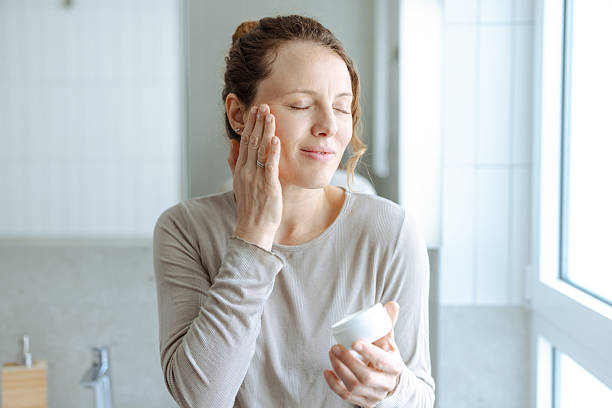
- Finish with sunscreen.
- Apply makeup afterwards if you wear it.
That’s it.
You don’t need ten products.
A routine you’ll actually follow beats an elaborate one that only happens on Saturdays.
Don’t Forget These Easy-to-Miss Areas
Many people cover their cheeks and forehead.
Then stop.
Unfortunately, these areas are commonly forgotten:
- Ears
- Neck
- Hairline
- Eyelids
- Back of hands
- Chest
- Lips (use SPF lip balm)
The hands deserve special attention.
Think about how often they’re resting on a steering wheel in direct sunlight.
Does Makeup Replace Sunscreen?
Usually not.
Many foundations include SPF.
That’s helpful.
The problem is quantity.
Most people don’t apply nearly enough foundation to reach the labelled SPF protection.
Think of SPF makeup as a bonus rather than your main defence.
Dedicated sunscreen should still come first.
Working Near a Window? Read This
If you spend eight hours beside a large office window, UVA can still reach your skin.
This surprises many remote workers too.
That cosy desk beside the sunny living room window?
It’s wonderful for plants.
Your skin, however, still benefits from protection.
You don’t need to panic.
Just include sunscreen in your morning routine, especially if sunlight reaches your workspace.
What If You’re Only Outside for Ten Minutes?
Ten minutes doesn’t sound like much.
Sometimes it isn’t.
But habits aren’t built around exceptions.
They’re built around consistency.
Some days you’ll only be outside briefly.
Other days you’ll unexpectedly spend two hours running errands or watching your child’s soccer game.
Applying sunscreen each morning means you’re already prepared.
No extra decision required.
Common Autumn Sunscreen Myths
“It’s cold, so UV must be weak.”
Temperature and UV aren’t the same thing.
“I’m indoors all day.”
Windows don’t block all UVA.
“Clouds protect me.”
Only partially.
“I didn’t burn.”
Sun damage doesn’t always show up as a burn.
“My moisturiser has SPF 15.”
Some protection is better than none, but SPF 30 or higher is generally recommended for daily use.
Small Habits Make the Biggest Difference
Healthy skin rarely comes from one dramatic decision.
It’s usually hundreds of tiny ones.
Drinking water.
Getting enough sleep.
Removing makeup before bed.
Eating colorful fruits and vegetables.
And yes, putting on sunscreen before heading out the door.
None of those habits feels life-changing in a single day.
Years later, though, they tell a different story.
Frequently Asked Questions
Do I need sunscreen if it’s raining?
Yes. UV rays can still reach your skin through cloud cover, although exposure is often lower during heavy storms.
Should children wear sunscreen during autumn?
Absolutely. Children’s skin is especially sensitive. If they’re playing outside or walking to school, sunscreen remains a smart choice.
Can sunscreen expire?
Yes. Check the expiration date. An expired product may not provide the protection listed on the label.
How often should I reapply?
If you’re outdoors, reapply about every two hours, and after swimming or heavy sweating. If you’re mostly indoors, one morning application may be enough unless you’re spending extended time in direct sunlight.
Is sunscreen enough by itself?
It’s a strong first step, but it works even better alongside other protective habits such as wearing sunglasses, seeking shade during peak sun hours when possible, and choosing hats or clothing that covers exposed skin.
Final Thoughts
So, do you still need sunscreen in autumn?
Yes.
Not because autumn sunshine is as intense as midsummer, but because UV exposure doesn’t disappear when the temperature drops. UVA rays continue to reach your skin on many cloudy, cool, and comfortable days. Over time, those small exposures can contribute to premature aging, uneven pigmentation, and increase the risk of skin cancer.
The good news is that protecting your skin doesn’t have to feel like another chore on an already busy morning. A broad-spectrum SPF 30 or higher sunscreen takes less than a minute to apply and fits easily into a simple skincare routine. Whether you’re hurrying to class, commuting to work, or bundling up little ones for school, that small habit pays off long after autumn leaves have fallen.
Your sweaters may change with the seasons.
Your sunscreen shouldn’t.