Honestly, skin care can get noisy. One minute it is serums, the next it is cleansing balms, and before long somebody on the internet is promising that a single cup of tea will fix everything from dullness to breakouts. That is a big claim. Real skin is more stubborn than that.
Still, tea is not just a cosy habit. Some teas bring antioxidants, some support hydration, and some are gentle enough to fit into a routine you can actually keep. And for busy students, young professionals, career women, young mothers, and everyone else trying to keep their head above water, that matters. You do not need a 12-step glow plan. You need something simple, kind to your body, and sensible enough to repeat on an ordinary Tuesday. Tea can be part of that.
First, let’s set expectations
Here’s the thing: healthy skin is not built from one miracle ingredient. Skin barrier function depends on keeping moisture in and irritants out, and moisturization is a standard first-line approach in conditions like atopic dermatitis. Reviews of the skin barrier also show that moisturisers can improve transepidermal water loss, which is one reason dry skin feels tight, scratchy, and irritable. Tea can support the broader picture, but it does not replace sleep, sunscreen, a balanced diet, or basic skincare.
So think of herbal tea as a supporting character, not the lead actor. Helpful? Yes. Magical? No. That distinction matters, especially when you are choosing something for daily use.
1) Green tea: the quiet heavyweight
If you want the best-known tea for skin-support conversations, green tea usually takes the top seat. Green tea comes from the Camellia sinensis plant, and its polyphenols,, especially catechins, are the compounds most often linked with health benefits. NCCIH notes that green tea and its extracts have been studied for possible protective effects, although human findings are mixed in some areas. A review focused on oral green tea preparations found that clinical evidence mainly supports protection from ultraviolet-related skin damage, while broader claims need more proof.
That does not make green tea exciting in a flashy way. It makes it useful. If your skin gets cranky after long commutes, long study sessions, late shifts, or too much time under harsh sun, green tea earns attention because it brings antioxidants to the table. Mayo Clinic also notes that tea contributes antioxidants to the diet, and that a variety of antioxidant-rich foods is the better long game overall.
Green tea is the one I would call the all-rounder. It is not just about “glow.” It is more like a quiet maintenance habit. A cup in the morning can replace the second sugary drink you did not really need anyway. An iced version can feel sharp and clean on a hot afternoon. If you are trying to keep your routine light, that is a good deal.
A small caution, though: green tea is not the same thing as a supplement. NCCIH notes that tea and tea polyphenols have not shown clear, consistent results in human studies for many of the claims often attached to them. So, yes, enjoy the cup. Just do not hand it superhero status.
2) Chamomile: soft, gentle, and very easy to live with
Chamomile has a softer reputation, and deservedly so. NCCIH says chamomile is likely safe when used orally in amounts commonly found in teas and foods, and side effects are uncommon. It also notes that chamomile can be used on the skin or as an oral rinse over the short term, though long-term data are limited.
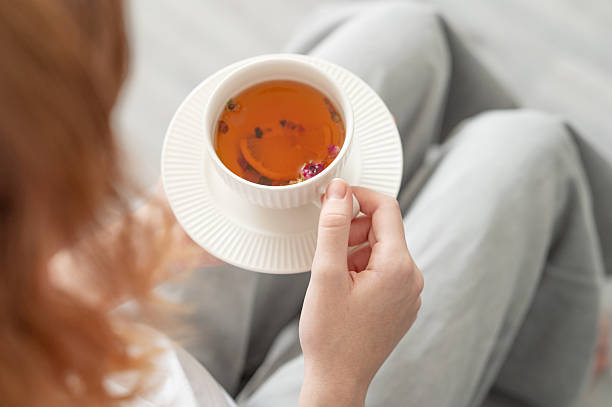
That gentle profile is part of why chamomile makes sense for people whose skin seems to react to everything: stress, dry weather, heat, lack of sleep, or that one week when your schedule goes sideways. Does chamomile heal skin on its own? No. But it fits neatly into a calming routine, and calm routines matter more than they get credit for. If your days feel like back-to-back tabs on a browser, chamomile is the cup that says, “slow down a bit.”
There is also a practical angle here. Chamomile tea can work well in the evening, which is useful because skin care and sleep are linked in ways people love to underestimate. When you are running on six hours of rest and too much caffeine, your skin often shows it. Chamomile will not erase stress, but it may help your evening feel less frazzled. And sometimes that is the first win.
A note for anyone with allergies: NCCIH says chamomile can trigger reactions in people allergic to related plants such as ragweed, chrysanthemums, marigolds, or daisies. It also says that little is known about chamomile use during pregnancy or breastfeeding, and that chamomile may interact with some medicines, including warfarin and sedatives. So it is gentle, yes, but not blanket-safe for every person in every situation.
3) Rooibos: caffeine-free, earthy, and a little underrated
Rooibos does not always get the spotlight, which is a shame because it is one of the more appealing caffeine-free options. Memorial Sloan Kettering Cancer Centre notes that rooibos tea is low in caffeine and rich in antioxidants, especially polyphenols such as aspalathin and nothofagin. It also points out something important: human studies are very limited, and clinical evidence for uses like acne, eczema, and wrinkle prevention is lacking.
That is exactly why rooibos belongs on a “best herbal teas for healthy skin” list, but with honest framing. The tea looks promising because of its antioxidant profile, yet the skin-specific evidence is not strong enough to make dramatic claims. In plain language: it is a sensible tea, not a skin cure.
Why do people keep reaching for it anyway? Probably because rooibos is easy. It tastes smooth, it is naturally caffeine-free, and it feels low-drama. If you are the kind of person who already has enough drama in your week deadlines, class work, school runs, laundry, meetings that should have been emails- a low-drama cup is a gift. And yes, that counts for something.
There is one more thing to know. MSKCC reports rare cases of liver toxicity with large, long-term intake, and it advises caution for people with hormone-sensitive cancers because some rooibos compounds showed estrogenic activity in lab settings. That does not mean rooibos is off the menu for everyone. It means moderation and context still matter, which is true of most things in nutrition, honestly.
4) Peppermint: fresh, familiar, and useful when you want something easy
Peppermint tea may not be the first drink people associate with skin health, but it deserves a place in the conversation because it is simple, pleasant, and widely tolerated. NCCIH states that peppermint tea appears to be safe, while also noting that the long-term safety of large amounts of peppermint leaf is unknown. It also says oral peppermint in common food amounts is likely safe during pregnancy or breastfeeding, though medicinal amounts are not as well studied.
That makes peppermint appealing for a very human reason: it is easy to stick with. A routine only works when it does not feel like homework. Peppermint tea can be the cup you keep at your desk, the one you make after lunch, or the one you drink while the baby naps and the house is finally quiet for five minutes. No fuss. No performance. Just a clean, refreshing habit.
Now, let’s be clear about the skin angle. Peppermint is not the most directly researched tea for skin glow, acne, or repair. Its value is more indirect: it is a gentler beverage choice than a sugar-heavy drink, and it can help you stay hydrated if you enjoy it plain. That fits into skin health because hydration supports the skin barrier, which helps skin stay comfortable and resilient.
There is a caveat for anyone sensitive to reflux or heartburn. NCCIH lists heartburn, nausea, abdominal pain, and dry mouth as possible effects of peppermint oil when taken orally, and while tea is not the same as concentrated oil, it is still smart to notice how your body responds. Skin care is personal. So is digestion, apparently.
5) Hibiscus: tart, bright, and worth a try
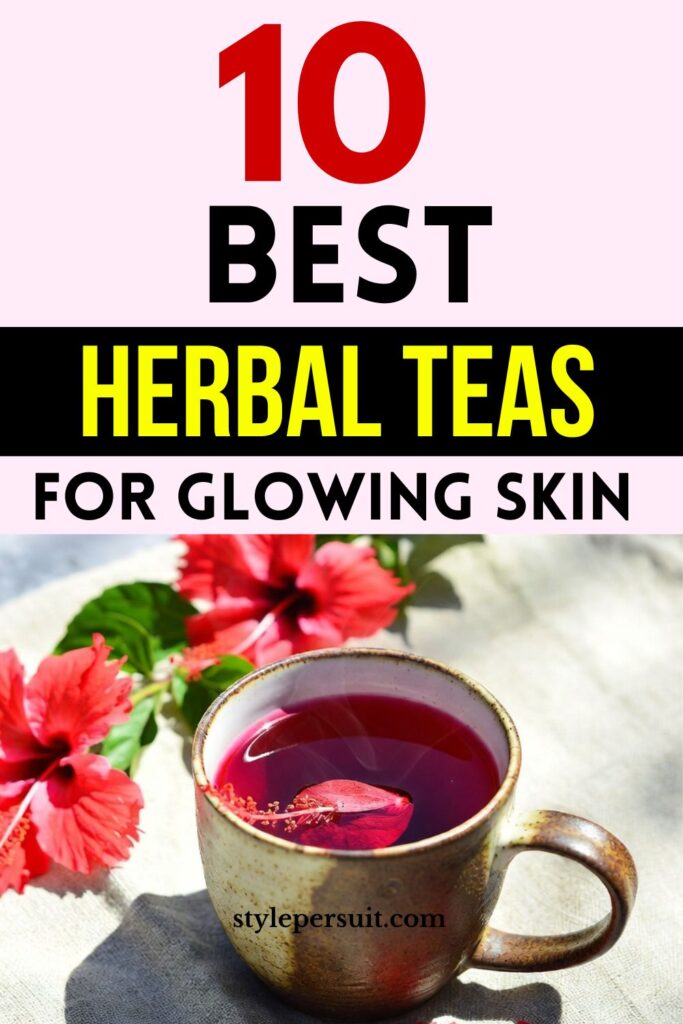
Hibiscus tea has a bit of a dramatic entrance. It is bright red, tangy, and not shy about its flavour. It is also caffeine-free, which makes it a practical choice when you want a hot or iced drink that does not pile more stimulation onto your day. Recent nutrition coverage has highlighted hibiscus as a hydration-friendly tea, and dietitians often point out that caffeine-free herbal teas can support fluid intake more comfortably than heavily caffeinated drinks.
For skin, hibiscus is interesting mainly because of its antioxidant content. That part fits the bigger picture: antioxidants help the body deal with oxidative stress, and tea is one of the drink categories that can contribute antioxidants to the diet. But again, this is support, not magic. There is no honest way to turn hibiscus into a miracle claim. The better argument is simpler: if you like the taste, it may be an easy way to drink more fluids while getting antioxidant compounds along the way.
That said, hibiscus is not the best choice for everyone. Some sources note possible stomach upset, and hibiscus may interact with certain medicines, including blood pressure and diabetes drugs. So if you are pregnant, breastfeeding, on medication, or managing a health condition, it is worth checking before making it a daily habit. Tea should feel supportive, not sneaky.
A few teas to treat with a bit of caution
This part matters because “natural” gets used like a magic stamp, and that is too simple. Chamomile can trigger allergic reactions in people sensitive to related plants, and it may interact with certain drugs. Peppermint is generally safe in tea form, but large amounts have not been studied well over the long term. Rooibos is promising, but human evidence for skin claims is limited and rare liver issues have been reported with very high intake. Green tea has more evidence than most, but even then, human studies do not support every claim that gets attached to it.
Pregnancy and breastfeeding deserve special care too. NCCIH notes that little is known about chamomile during pregnancy or breastfeeding, while peppermint in food amounts is likely safe, though medicinal amounts are less certain. That is why a “best tea” list should always be read with a side note: best for whom, exactly? A tea that suits a university student pulling late study sessions may not be the same tea that makes sense for a new mum recovering her rhythm.
How to make tea work for skin without turning it into a project
Here’s the part I like most: this does not need to be complicated. A skin-friendly tea habit is less about perfection and more about repetition.
Start with one cup a day. Maybe green tea in the morning, chamomile at night, or rooibos in the afternoon when you would normally reach for a sweet drink. Keep it plain or lightly flavoured, because adding a lot of sugar can make the whole thing less useful. Pair it with food, water, and actual meals. Tea works best as part of a steady routine, not as a dramatic rescue mission.
If your skin is dry, remember the barrier side of the story. Reviews on skin barrier function show that moisturization helps the skin hold water and recover from stress. That means your mug matters a little, but your moisturiser, cleanser, sunscreen, and sleep matter a lot too. Think of tea as the supportive coworker who brings the notes, not the person who runs the entire meeting.
A few easy tea pairings also make daily life simpler:
- Green tea when you want a more classic, antioxidant-forward cup.
- Chamomile when your evening needs a softer landing.
- Rooibos when you want caffeine-free comfort with a warm, toasty taste.
- Peppermint when you want something crisp and low-effort.
- Hibiscus when you like tart flavours and want a caffeine-free option that supports hydration.
That is probably the least glamorous answer, but it is also the most useful. Real life rewards what is repeatable.
So, which herbal tea is actually best for healthy skin?
If I had to choose one tea to put at the top, I would pick green tea. It has the strongest overall evidence profile among the teas here, with antioxidant activity and the best skin-related research signal, even though the evidence is still not a promise of perfect skin. Chamomile comes next for its gentle, calming nature and good safety profile in ordinary tea amounts. Rooibos and hibiscus are lovely supporting options, especially if you want caffeine-free choices. Peppermint earns a place because it is easy to drink regularly, which is half the battle.
But the real answer is a little less flashy: the best tea is the one you will actually drink, consistently, without upsetting your body. That sounds almost too plain, but plain is often what works. Skin health loves consistency. It loves sleep. It loves hydration. It loves a barrier that is looked after, not bullied. And if a warm cup of tea helps you build that rhythm, then yes, that cup has a real place on your desk, by the cot, beside the laptop, or in your hand after a long day.
Bottom line: for healthy skin, green tea is the strongest all-round pick, chamomile is the softest evening companion, rooibos and hibiscus are smart caffeine-free choices, and peppermint is the easy one to keep coming back to. Just remember that tea supports skin; it does not replace the basics. And that is perfectly fine.