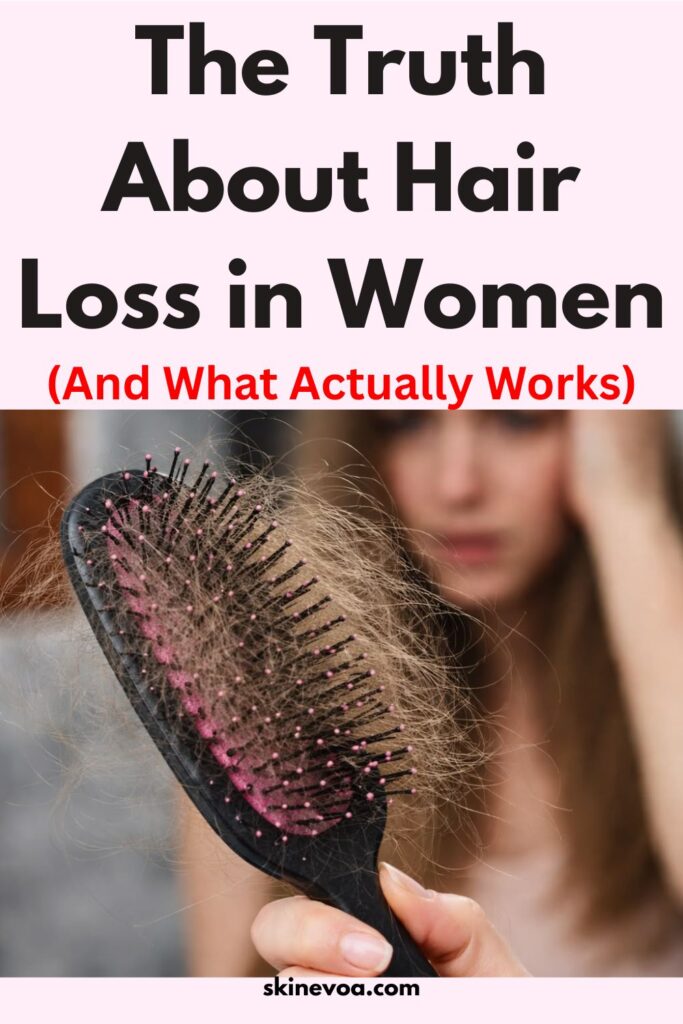
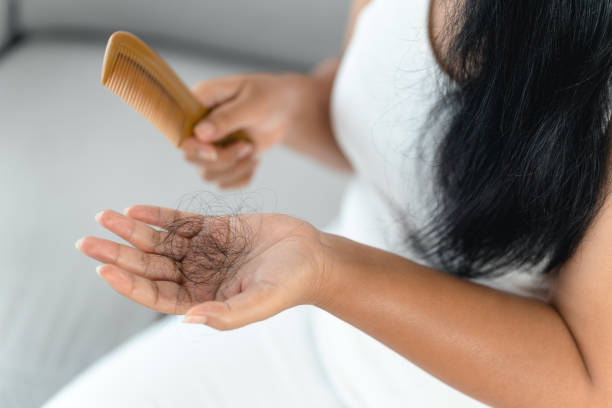
Few things can shake your confidence quite like noticing more hair in the shower drain than usual. One day your ponytail feels thick and full. A few months later, it seems smaller. Your part looks wider in photos. You catch yourself checking mirrors under bright lights. Sound familiar?
Here’s the thing: you’re far from alone.
Millions of women experience hair loss at some point in life. It can happen during college, after having a baby, during stressful periods at work, or around menopause. Sometimes it’s temporary. Sometimes it’s linked to a health condition. And occasionally, it’s simply genetics quietly doing what genetics do.
The good news? Hair loss isn’t something you simply have to accept without asking questions. Many causes can be treated, managed, or even reversed when caught early.
Let’s explain what’s really happening, why it happens, and what science says actually works.
First Things First: How Much Hair Loss Is Normal?
Losing hair every day isn’t automatically a problem.
Most people naturally shed between 50 and 100 hairs daily as part of the normal hair growth cycle. Those hairs make room for new strands.
Hair grows in three main phases:
- Growth phase (Anagen)
- Transition phase (Catagen)
- Resting and shedding phase (Telogen)
Normally, about 85–90% of your hair is growing while only a small percentage is resting.
Problems begin when:
- More hairs enter the shedding phase
- New hair grows back slowly
- Hair follicles shrink
- Hair stops growing altogether in certain areas
That’s when you may notice thinning rather than just everyday shedding.
Why Is My Hair Falling Out?
Honestly, this is the question dermatologists hear almost every day.
Hair loss usually isn’t caused by one single thing. It’s often several small factors working together.
Let’s look at the most common ones.
1. Genetics (Female Pattern Hair Loss)
This is the leading cause of long-term hair thinning in women.
Unlike men, women rarely develop complete bald patches. Instead, the hair gradually becomes thinner across the top of the scalp.
Common signs include:
- A wider centre part
- Less volume
- More visible scalp
- Thinner ponytail
The process usually develops slowly over several years.
2. Hormonal Changes
Hair responds strongly to hormones.
Changes involving estrogen, progesterone, and androgens can all affect growth.
Hormonal shifts commonly occur during:
- Pregnancy
- After childbirth
- Menopause
- Polycystic Ovary Syndrome (PCOS)
- Thyroid disorders
Many women first notice increased shedding a few months after giving birth. While alarming, this is usually temporary.
3. Stress
You know what? Stress really can affect your hair.
Physical or emotional stress may trigger telogen effluvium, where many hairs enter the resting phase all at once.
Triggers include:
- Surgery
- Serious illness
- High fever
- Divorce
- Job loss
- Emotional trauma
- Rapid weight loss
Hair shedding often begins two to three months after the stressful event.
That’s one reason the connection isn’t always obvious.
4. Nutritional Deficiencies
Hair isn’t essential for survival.
When your body lacks nutrients, it prioritises your heart, brain, and other vital organs. Hair growth slows down first.
Common deficiencies include:
- Iron
- Vitamin D
- Zinc
- Vitamin B12
- Protein
- Folate
Crash diets often make this worse.
5. Thyroid Problems
Both an underactive and overactive thyroid can interfere with hair growth.
Other symptoms may include:
- Fatigue
- Weight changes
- Dry skin
- Feeling unusually cold or hot
- Mood changes
Blood tests can usually identify thyroid-related hair loss.
6. Certain Medications
Some medicines list hair loss as a side effect.
Examples include medications used for:
- Blood pressure
- Depression
- Acne
- Blood thinning
- Cancer treatment
- Autoimmune diseases
Never stop prescribed medication without speaking to your healthcare provider.
Different Types of Hair Loss Women Experience
Hair loss isn’t one condition.
Several different disorders can cause similar symptoms.
Female Pattern Hair Loss
Gradual thinning over the crown.
Usually genetic.
Telogen Effluvium
Sudden widespread shedding after stress or illness.
Often temporary.
Alopecia Areata
An autoimmune condition causing smooth, round bald patches.
Hair may regrow naturally, although some people need treatment.
Traction Alopecia
Caused by repeated pulling from:
- Tight braids
- Heavy extensions
- Tight ponytails
- Cornrows worn continuously
The earlier it’s addressed, the better the chance of recovery.
Scarring Alopecia
This rare condition damages hair follicles permanently.
Early diagnosis is very important.
Early Signs You Shouldn’t Ignore
Hair loss rarely happens overnight.
Watch for:
- A widening part
- More scalp showing
- Hair collecting on pillows
- More hair in the shower
- Reduced ponytail thickness
- Slow regrowth
- Broken baby hairs around the hairline
Taking photos every month can help track changes more accurately than memory alone.
How Doctors Figure Out What’s Causing Hair Loss
A dermatologist doesn’t simply look at your scalp and guess.
Diagnosis may include:
- Medical history
- Family history
- Physical examination
- Hair pull test
- Blood tests
- Dermoscopy
- Occasionally, a scalp biopsy
Finding the cause matters because treatment depends on it.
Can Hair Grow Back?
Sometimes yes.
Sometimes partially.
Sometimes treatment mainly slows further loss.
It depends on whether the hair follicle is still alive.
Temporary shedding usually has an excellent chance of recovery.
Long-standing follicle damage becomes harder to reverse.
That’s why early action matters.
Treatments That Actually Work
The internet is full of miracle oils and overnight promises.
Real hair growth rarely works that way.
Here are treatments backed by research.
Minoxidil
Minoxidil remains one of the most studied treatments for female pattern hair loss.
It:
- Increases blood flow
- Extends the growth phase
- Helps produce thicker strands
Results usually appear after three to six months.
Consistency matters more than perfection.
Prescription Medications
Some women benefit from medications that reduce androgen activity.
Doctors may prescribe these when appropriate, particularly for women with hormonal hair loss.
These medications require medical supervision.
Platelet-Rich Plasma (PRP)
PRP uses your own blood platelets to stimulate hair follicles.
Research shows promising results for many women, especially when combined with other treatments.
Low-Level Laser Therapy
Laser caps and combs may help stimulate follicles in some people.
Results vary, but several clinical studies support their use alongside standard treatments.
Hair Transplant Surgery
For advanced permanent hair loss, transplantation can restore density.
Modern techniques produce much more natural-looking results than older procedures.
Eat for Healthier Hair
Hair is mostly protein.
That means nutrition really does matter.
Aim to include:
Protein
Good choices include:
- Eggs
- Fish
- Greek yogurt
- Chicken
- Beans
- Lentils
Iron
Especially important for women with heavy periods.
Sources include:
- Lean beef
- Spinach
- Pumpkin seeds
- Lentils
Omega-3 Fatty Acids
Found in:
- Salmon
- Sardines
- Walnuts
- Chia seeds
Vitamin C
Helps absorb iron.
Choose:
- Citrus fruits
- Bell peppers
- Kiwi
- Strawberries
Zinc
Supports follicle health.
Sources include:
- Oysters
- Beef
- Chickpeas
- Cashews
Everyday Habits That Help
Small habits add up over time.
Try to:
- Wash your scalp regularly.
- Massage your scalp gently.
- Protect hair from excessive heat.
- Sleep on a satin pillowcase if breakage is a concern.
- Stay hydrated.
- Manage stress.
- Exercise regularly.
- Get enough sleep.
None of these alone will cure hair loss, but together they create a healthier environment for hair growth.
Hair Care Mistakes That Can Make Things Worse
Sometimes the problem isn’t what you’re doing; it’s how often you’re doing it.
Common mistakes include:
- Bleaching too frequently
- Daily flat ironing
- Tight hairstyles
- Rough towel drying
- Aggressive brushing when wet
- Ignoring scalp health
Healthy hair starts with a healthy scalp.
Stress and Hair Loss: A Cycle That’s Hard to Break
Hair loss creates stress.
Stress causes more shedding.
The cycle feeds itself.
Breaking that cycle may involve:
- Walking outdoors
- Meditation
- Journaling
- Yoga
- Talking with friends
- Counselling when needed
Even modest stress reduction can support overall health, and your hair may benefit too.
Hair Loss After Pregnancy
Many new mothers experience dramatic shedding around three to four months after delivery.
It looks frightening.
Thankfully, it usually improves within six to twelve months as hormone levels settle.
Eating well, sleeping whenever possible (easier said than done, of course), and avoiding harsh styling can help during recovery.
Hair Loss During Menopause
Lower estrogen levels can gradually affect hair thickness.
Women often notice:
- Slower growth
- Finer strands
- Increased scalp visibility
Treatment may include topical therapies, prescription medications, nutritional support, or hormone-related treatment depending on the individual.
Hairstyles That Protect Your Hair
You don’t need to give up styling altogether.
Instead, choose styles that reduce tension.
Good options include:
- Loose braids
- Soft ponytails
- Silk scrunchies
- Shoulder-length cuts for volume
- Layered styles
Changing where you part your hair occasionally can also reduce repeated stress on the same area.
When Should You See a Doctor?
Schedule an appointment if:
- Hair loss lasts longer than six months.
- You notice bald patches.
- Your scalp becomes painful or itchy.
- Hair falls out in large clumps.
- Thinning is getting worse quickly.
- Hair loss begins after starting a new medication.
- You have fatigue, irregular periods, or unexplained weight changes alongside hair loss.
Getting help early often leads to better outcomes.
Frequently Asked Questions
Can shampoo stop hair loss?
Most shampoos cannot treat the underlying cause of hair loss. However, shampoos designed for thinning hair may improve scalp health and make hair appear fuller.
Does biotin help?
Only if you’re deficient. For most healthy adults, biotin supplements alone are unlikely to make a dramatic difference.
Is oiling the scalp enough?
Natural oils can moisturise the scalp and reduce breakage, but they do not treat genetic or hormone-related hair loss.
Does wearing hats cause hair loss?
No. Hats do not cause permanent hair loss unless they are extremely tight and create constant friction.
Can hair loss be reversed naturally?
If shedding is caused by stress, poor nutrition, illness, or temporary hormonal changes, hair often grows back after the underlying issue is addressed. Permanent forms of hair loss usually require medical treatment to improve or maintain growth.
Final Thoughts
Hair loss can feel deeply personal. It’s tied to identity, confidence, and sometimes even the way we show up at work or in social situations. Seeing extra strands on your brush doesn’t automatically mean you’re going bald, but it does deserve your attention.
The most important step isn’t buying the latest viral serum or trying every home remedy you see online. It’s understanding why your hair is changing. Once you know the cause, you can choose treatments that have real evidence behind them and avoid wasting time and money on products that promise miracles.
Be patient with yourself, too. Hair grows slowly, and meaningful improvement often takes several months. Consistent care, a nutrient-rich diet, gentle styling habits, and medical guidance when needed can make a noticeable difference over time.
Healthy hair starts with a healthy body, and with permitting yourself to seek answers instead of simply hoping the problem will disappear.