
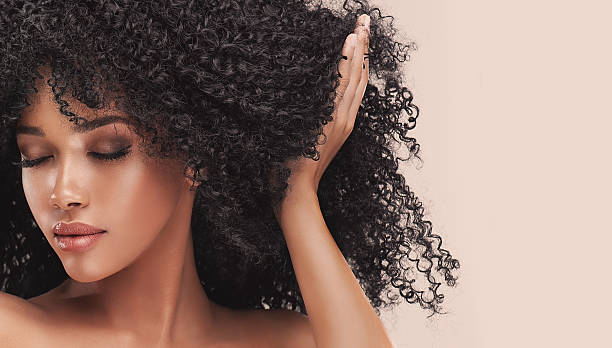
If you’ve ever looked in the mirror and wondered why your curls behaved perfectly yesterday but seem determined to do the exact opposite today, you’re not imagining things. Curly hair has a personality of its own.
One morning, your curls are soft, bouncy, and defined. The next? Frizzy, flat, or somehow both at once. Honestly, that’s part of having curly hair, but it doesn’t have to stay that way.
The truth is, curly hair isn’t difficult. It’s simply different.
Unlike straight hair, natural curls make it harder for your scalp’s oils to travel from root to tip. That means curls lose moisture faster, become dry more easily, and need a little extra care to stay healthy. Once you understand that simple fact, building a routine becomes much easier.
The good news? You don’t need twenty products, a complicated schedule, or an hour in front of the mirror every morning.
A few consistent habits can completely change how your curls look and feel.
Whether you’re a college student rushing to class, a professional juggling meetings, or a busy mom who barely gets five quiet minutes before someone calls your name, this guide will help you create a curly hair routine that actually fits your life.
Let’s start with the foundation.
First Things First. Know Your Curl Type
Before buying another curl cream because someone on social media swears it’s “life-changing,” take a minute to understand your curl pattern.
Your curl type isn’t everything, but it helps you choose products that work with your hair instead of against it.
Type 2: Wavy Hair
Type 2 hair has loose bends instead of full curls.
- 2A: Slight waves with fine texture
- 2B: More defined S-shaped waves
- 2C: Strong waves that almost form ringlets
Wavy hair often needs lightweight products because heavy creams can make it look greasy or flat.
Type 3: Curly Hair
This is what most people picture when they think of curls.
- 3A: Large, loose curls
- 3B: Springy ringlets
- 3C: Tight corkscrew curls
Type 3 hair usually loves moisture but still benefits from lightweight styling products that don’t create buildup.
Type 4: Coily Hair
Coily hair has the tightest curl pattern.
- 4A: Tight, defined coils
- 4B: Zigzag curls
- 4C: Very tight coils with significant shrinkage
Because oils have the longest journey down these strands, coily hair often benefits from richer moisturisers and more frequent deep conditioning.
Here’s the thing, though: two people with the same curl type can have completely different hair.
That’s because curl pattern is only one piece of the puzzle.
Hair thickness, density, porosity, climate, and even your local water quality all influence how your curls behave.
What Curly Hair Really Wants
People often ask, “What’s the secret to healthy curls?”
It’s surprisingly simple.
Curly hair wants three things:
- Moisture
- Gentle handling
- Consistency
Notice what’s missing?
Expensive products.
A luxury shampoo won’t fix rough towel drying every wash day. Likewise, the fanciest curl cream can’t make up for skipping conditioner week after week.
Healthy curls are built through habits.
Think about caring for a houseplant. Watering it once with an entire bucket doesn’t replace watering it consistently every week.
Your curls work much the same way.
Step 1: Cleanse Without Washing Away Everything
Many people grew up believing shampoo should leave hair squeaky clean.
Curly hair strongly disagrees.
That squeaky feeling usually means many of your natural oils have been removed.
Since curls are naturally drier, harsh cleansing often leads to:
- Frizz
- Breakage
- Split ends
- Tangles
- Dull-looking curls
Instead, choose a sulfate-free shampoo or a gentle cleansing shampoo designed for curly hair.
Wash your scalp, not your entire hair length.
As the shampoo rinses out, it naturally cleans the rest of your strands without stripping away precious moisture.
How Often Should You Wash Curly Hair?
There’s no universal schedule.
Generally speaking:
- Wavy hair: every 2–3 days
- Curly hair: every 3–5 days
- Coily hair: every 5–10 days
Your lifestyle matters too.
If you work out daily, spend time outdoors, or live somewhere hot and humid, you may prefer washing a little more often.
On the other hand, if your scalp feels comfortable and your curls still look fresh, there’s no need to wash simply because the calendar says so.
Listen to your hair.
Step 2: Conditioner Is Not Optional
If shampoo cleans, conditioner restores.
This is where many curls come back to life.
A good conditioner smooths the hair cuticle, replaces moisture, and makes detangling much easier.
Instead of quickly rinsing it away, let it sit for three to five minutes while you finish the rest of your shower.
Your curls will have time to absorb the ingredients.
While the conditioner is in your hair, gently work through knots with your fingers first.
Only then use a wide-tooth comb if needed.
Trying to brush dry curls is a bit like trying to pull apart a slinky without stretching it. Technically possible—but rarely a good idea.
Step 3: Deep Conditioning Changes Everything
Regular conditioner works on the surface.
Deep conditioner goes further.
If your curls often feel rough no matter how much leave-in conditioner you apply, chances are they’re asking for a deeper treatment.
Aim to deep condition:
- Once a week for dry curls
- Every two weeks for healthier curls
- Weekly if you colour or heat-style your hair
Look for ingredients like:
- Shea butter
- Aloe vera
- Coconut oil
- Avocado oil
- Argan oil
- Honey
- Glycerin
- Panthenol
Some people skip deep conditioning because they think it takes too long.
Honestly, even fifteen minutes can make a noticeable difference.
Use that time to answer emails, prep dinner, fold laundry, or simply relax with a cup of tea. Your hair can do the work while you do something else.
Step 4: Detangle with Patience, Not Force
Most breakage doesn’t happen because curly hair is weak.
It happens because it gets handled roughly.
The safest time to detangle is when your hair is soaking wet and coated with conditioner.
Start from the ends.
Then slowly work upward.
This approach removes small knots before they become larger ones.
If you start brushing from the roots, every tiny knot gets pushed downward until it forms one giant tangle.
It isn’t just frustrating; it also increases breakage.
Finger detangling is another excellent option, especially for tighter curl patterns.
It takes a little longer but often preserves curl definition much better than aggressive brushing.
Step 5: Leave-In Conditioner Is Your Curl’s Best Friend
Once you’ve rinsed your hair, don’t stop there.
Water hydrates curls temporarily.
A leave-in conditioner helps keep that moisture inside the hair shaft for much longer.
Apply it while your hair is still very damp.
Many curly-haired people make the mistake of waiting until their hair is almost dry.
By then, much of the moisture has already evaporated.
Spread the product evenly using your hands.
Focus especially on the mid-lengths and ends, where dryness tends to show up first.
A helpful trick is the “praying hands” method: smooth the product between your palms and gently glide your hands down sections of hair before lightly scrunching upward.
This encourages curl clumps to form naturally without disturbing the pattern.
Step 6: Lock In Moisture Before It Escapes
Here’s something that surprises a lot of people: water is the real moisturiser. Hair products help keep that water where it belongs.
Think of your hair like a sponge. When it’s damp, it’s full. As it dries, moisture slowly escapes. Leave-in conditioner helps, but adding a cream or lightweight oil can slow that process.
Many people follow the LCO or LOC method.
LCO Method
- L – Leave-in conditioner
- C – Curl cream
- O – Oil
LOC Method
- L – Leave-in conditioner
- O – Oil
- C – Cream
Which one works better?
Honestly, it depends on your hair.
Lower-porosity curls often prefer lighter layers, while higher-porosity curls usually appreciate richer products that help seal in moisture. Don’t be afraid to experiment for a couple of weeks before deciding.
Popular oils include:
- Argan oil
- Jojoba oil
- Grapeseed oil
- Sweet almond oil
If your hair feels greasy instead of soft, you’ve probably used too much. Curly hair needs moisture, not a heavy coating of product.
Step 7: Style Without Fighting Your Natural Pattern
One of the biggest mindset shifts in curly hair care is this:
Stop trying to make your curls do something they don’t naturally want to do.
Your routine should enhance your curl pattern, not change it.
After applying your leave-in conditioner, choose a styling product based on the finish you want.
Curl Cream
Best for:
- Dry curls
- Soft definition
- Thick hair
- Everyday styling
Curl creams provide moisture while encouraging natural curl formation.
Curl Gel
Best for:
- Long-lasting definition
- Humid weather
- Frizz control
- Busy weeks
Many people avoid gel because they remember crunchy hairstyles from years ago.
But here’s the thing: that crunchy “cast” is actually helpful.
Once your hair is completely dry, gently scrunch the curls with clean hands or a tiny drop of lightweight oil. The cast breaks, leaving soft, defined curls underneath.
It’s one of those tricks that feels almost like magic the first time you try it.
Curl Mousse
Perfect if you have:
- Fine curls
- Wavy hair
- Low-density hair
Mousse adds volume without weighing curls down.
If your roots tend to look flat by lunchtime, mousse may become your new favourite styling product.
How to Apply Styling Products
Technique matters almost as much as the products themselves.
Try this simple routine:
- Divide hair into four to six sections.
- Apply products evenly.
- Smooth each section with your hands.
- Scrunch upward toward your scalp.
- Let curls naturally form into clumps.
Avoid repeatedly touching your hair afterwards.
This can be surprisingly difficult. We’ve all caught ourselves checking our curls every few minutes.
But the more you touch them while they’re drying, the more frizz you’re likely to create.
Sometimes the best thing you can do is simply leave them alone.
Drying Your Hair Without Creating Frizz
Drying seems simple, yet it’s where many curls lose their definition.
Traditional bath towels have rough fibres that disturb the hair cuticle.
Instead, try:
- A microfiber towel
- A soft cotton T-shirt
- A bamboo hair towel
Rather than rubbing your hair, gently squeeze out excess water.
Your curls will thank you.
Air Drying
Air drying is gentle and requires almost no effort.
The downside?
It can take several hours, especially if you have thick or long curls.
If you have time, it’s an excellent option.
Diffusing
For busy mornings, a diffuser can save the day.
Attach it to your blow dryer and use:
- Low heat
- Low airflow
- Gentle movements
Hover the diffuser around your curls before lightly cupping sections into the bowl attachment.
This speeds up drying while helping curls keep their shape.
A little patience here pays off. High heat may seem faster, but it often leads to extra dryness and frizz later.
Wash Day Doesn’t Have to Take All Day
Many people avoid embracing their natural curls because they believe wash day is an all-day event.
Sometimes it is.
Most of the time, it isn’t.
Here’s an example schedule:
- Shampoo: 5 minutes
- Condition and detangle: 10 minutes
- Apply products: 10 minutes
- Diffuse: 20 minutes
That’s under an hour.
And if you air dry instead, your hands-on time drops even further.
Consistency beats perfection every single time.
Refreshing Curls Between Wash Days
You don’t need to start from scratch every morning.
In fact, washing curly hair every day usually causes more problems than it solves.
Instead, refresh your curls.
Fill a spray bottle with water.
Some people like adding a little leave-in conditioner, while others prefer a curl refresher spray.
Lightly mist your curls until they’re slightly damp.
Then:
- Scrunch gently
- Smooth frizzy sections
- Add a tiny amount of styling product if needed
- Let your curls dry naturally
That’s often enough to bring yesterday’s curls back to life.
A Night Routine That Makes Mornings Easier
You know what’s frustrating?
Spending an hour styling your curls only to wake up looking like you wrestled your pillow all night.
Fortunately, preventing overnight frizz is fairly simple.
Try the Pineapple Method
Gather your hair loosely at the very top of your head with a soft scrunchie.
This keeps your curls from getting flattened while you sleep.
It may look funny.
It works.
Sleep on Silk or Satin
Cotton pillowcases absorb moisture and create friction.
Silk and satin reduce both.
Benefits include:
- Less frizz
- Fewer tangles
- Better curl definition
- Reduced breakage
A satin bonnet is another excellent choice, especially for tighter curls and coils.
Weekly Hair Care That Keeps Curls Healthy
Daily care matters, but weekly habits often make the biggest difference over time.
Every week, try to include:
- One deep conditioning treatment
- One scalp massage
- A careful detangling session
- A quick check for split ends
- A clarifying shampoo if you notice heavy product buildup (about once a month or as needed)
Think of it as routine maintenance. Just like you wouldn’t wait for your car to break down before changing the oil, it’s easier to care for curls consistently than to repair months of damage later.
Don’t Forget Your Scalp
Healthy curls begin with a healthy scalp.
If your scalp feels itchy, flaky, or overly oily, piling on more styling products probably won’t solve the problem.
Instead:
- Massage your scalp for a few minutes during shampooing.
- Rinse products thoroughly.
- Avoid applying heavy creams directly to the scalp unless they’re designed for that purpose.
- Clarify occasionally if you use lots of styling products.
A clean, balanced scalp creates a better environment for healthy hair growth.
Curly Hair Looks Different Every Day, And That’s Normal
One last thought before we move on.
Many people expect curly hair to look the same every morning.
That’s rarely how curls work.
Humidity changes them. Sleep changes them. Even the weather outside can make your curls behave a little differently.
Rather than chasing perfection, aim for healthy, well-moisturised curls that feel good and reflect your natural texture.
Those “good hair days” become much more common when your routine stays consistent.
Common Curly Hair Mistakes That Secretly Cause Frizz
Sometimes it’s not about buying better products. It’s about avoiding the habits that quietly work against your curls.
If your hair still feels dry despite a solid routine, one of these common mistakes could be the reason.
Washing Too Often
Unlike straight hair, curls don’t become oily as quickly because natural oils travel slowly down the hair shaft.
Washing every day often strips away the moisture your curls desperately need.
Instead, wash when your scalp feels dirty, or your hair has noticeable product buildup, not simply because another day has passed.
Using Water That’s Too Hot
A hot shower feels amazing after a long day.
Your curls probably disagree.
Very hot water can lift the hair cuticle, making moisture escape faster. Try washing with lukewarm water, then finish with a cool rinse if you’re comfortable doing so. It helps smooth the cuticle and can leave curls looking shinier.
Brushing Dry Hair
Unless you’re intentionally creating a brushed-out style, brushing dry curls is usually a recipe for frizz.
Always detangle wet hair with conditioner or a detangling product.
Using Too Much Product
More isn’t always better.
In fact, too much cream or gel can leave curls looking limp, sticky, or weighed down.
Start with a small amount. You can always add more if needed.
Ignoring Product Buildup
Even excellent products leave residue over time.
If your curls suddenly stop responding to products that normally work well, buildup may be the culprit.
A clarifying shampoo once every three to six weeks—or more often if you use heavy styling products—can give your curls a fresh start.
Heat Styling Every Week
Occasional blowouts or flat ironing aren’t the end of the world.
Frequent heat styling without protection, however, can weaken the curl pattern over time.
If you use heat:
- Apply a heat protectant.
- Keep temperatures moderate.
- Limit how often you straighten or curl your hair with hot tools.
Healthy curls recover much more easily than damaged ones.
Adjust Your Routine With the Seasons
One thing many people overlook is that curly hair changes with the weather.
The routine that works beautifully in July may not be enough in January.
Summer
Warm weather often means:
- Higher humidity
- More sweating
- Increased UV exposure
Focus on:
- Lightweight moisturising products
- Stronger hold gels for humidity
- UV protection when spending long hours outdoors
- Washing after swimming in chlorinated pools or salt water
If you’re spending a weekend at the beach or pool, rinse your hair with fresh water beforehand. Hair that’s already saturated with clean water tends to absorb less chlorine or salt.
Fall
As temperatures cool, many people notice increased dryness.
This is a good time to:
- Add weekly deep conditioning.
- Switch to a slightly richer leave-in conditioner.
- Trim away summer damage if needed.
Winter
Cold air outside and indoor heating can make curls feel brittle.
Winter routines often include:
- Richer creams
- Weekly deep conditioning
- Satin hats or satin-lined beanies
- Protective hairstyles during harsh weather
Keeping your ends moisturised becomes especially important during colder months.
Spring
Spring is a great time to reset your routine.
Consider:
- Clarifying your hair.
- Trimming split ends.
- Reassessing products that may have worked differently during winter.
Your curls’ needs naturally change as the weather does.
Curly Hair Routines for Different Lifestyles
A perfect routine isn’t much use if it doesn’t fit your schedule.
Let’s look at a few realistic options.
For Students
Between classes, assignments, and social events, mornings can feel rushed.
Keep it simple:
- Wash once or twice a week.
- Refresh curls with water between wash days.
- Wear protective styles during exam weeks.
- Sleep with a satin bonnet or pillowcase.
Five minutes of curl refreshing beats spending thirty minutes restyling from scratch.
For Busy Professionals
Long meetings and packed calendars leave little time for elaborate styling.
A practical routine might look like this:
- Wash on the weekend.
- Diffuse for longer-lasting definition.
- Refresh with a spray bottle each morning.
- Keep a small bottle of lightweight serum or curl refresher at work for quick touch-ups.
When your routine is predictable, your mornings become easier too.
For Moms
If you have young children, uninterrupted self-care can feel like a luxury.
The good news?
Curly hair routines don’t have to be complicated.
Try:
- Deep conditioning while your child naps.
- Protective styles during especially busy weeks.
- Refreshing curls instead of washing more often.
- Preparing your products the night before wash day.
Sometimes “good enough” is exactly what your routine needs to be.
Ingredients Your Curls Will Love
Reading ingredient labels can feel overwhelming, but you don’t need a chemistry degree.
Here are a few ingredients that consistently perform well for many curl types.
Moisturizing Ingredients
- Aloe vera
- Glycerin
- Panthenol
- Honey
These ingredients help attract and hold moisture.
Nourishing Oils
- Argan oil
- Jojoba oil
- Avocado oil
- Sweet almond oil
- Grapeseed oil
They help smooth the hair and reduce moisture loss.
Strengthening Ingredients
- Hydrolyzed proteins
- Rice protein
- Keratin
- Amino acids
Protein treatments can strengthen damaged hair, but balance is important. Too much protein may leave some hair feeling stiff, while too little can contribute to weakness and breakage.
Rich Butters
- Shea butter
- Mango butter
- Cocoa butter
These work especially well for thicker curls and coils that need extra moisture.
Building a Routine That Lasts
One mistake many people make isn’t choosing the wrong shampoo or styling cream.
It’s changing everything at once.
If you introduce five new products in the same week, it becomes nearly impossible to tell which one is helping or causing problems.
Instead:
- Change one product at a time.
- Give it two to four weeks.
- Observe how your hair responds.
- Adjust as needed.
Curly hair rewards patience.
Frequently Asked Questions
How often should I wash curly hair?
Most people with curly hair wash every three to seven days, but the ideal schedule depends on your curl pattern, scalp condition, activity level, and product use.
Is curly hair naturally dry?
Yes. Because the natural oils produced by your scalp have to travel around bends and coils, they don’t reach the ends as easily. That’s why moisturising products and gentle handling are so important.
Should I use oil every day?
Not necessarily.
Many people benefit from applying a small amount after wash day or whenever their ends feel dry. Heavy daily oil use can contribute to buildup, especially on finer hair.
Why are my curls frizzy after they dry?
Frizz often comes from touching your hair while it’s drying, insufficient moisture, weather conditions, or using products that don’t provide enough hold for your curl type.
Can I straighten my curly hair occasionally?
Yes. Occasional heat styling is unlikely to cause significant damage if you use a heat protectant and avoid excessive temperatures. The key is moderation.
Do expensive products work better?
Not always.
The most expensive bottle isn’t automatically the best match for your hair. Consistent care, proper technique, and products suited to your curl type often matter far more than the price tag.
Final Thoughts
A healthy curly hair routine isn’t about chasing flawless curls every single day. Real life gets busy. Some mornings you’ll have plenty of time to style your hair, and other days you’ll be grateful for a quick refresh and a loose bun.
What matters most is consistency.
When you cleanse gently, condition regularly, protect your hair while you sleep, and keep it moisturised, your curls become stronger, softer, and easier to manage over time. There may still be days when the weather has other plans, and that’s perfectly normal. Curls are naturally dynamic; that’s part of what makes them beautiful.
Remember that your routine doesn’t have to look like someone else’s on social media. Your curl pattern, hair density, porosity, lifestyle, and even your local climate all play a role. Permit yourself to experiment, make small adjustments, and learn what works best for you.
Whether you’re heading to class, preparing for a busy workday, or caring for your family, a routine that fits your schedule is the one you’ll actually stick with. And that’s the routine that delivers lasting results.
Treat your curls with patience, nourish them consistently, and celebrate their natural texture. Healthy curls aren’t created overnight, but with steady care, they can become one of your favourite features.