Summer has a funny way of changing your appetite.
You wake up hungry, but the thought of a heavy breakfast feels like too much. By mid-afternoon, you’re tired, thirsty, and reaching for something cold. Maybe it’s an iced drink. Maybe it’s a handful of crackers. Maybe you’re standing in the kitchen thinking, I need something… but I don’t even know what.
That’s where hydrating summer snacks can make life a little easier.
When temperatures rise, your body loses more fluid through sweat. Water is still the main player, but food can contribute to your daily fluid intake too. In fact, water-rich fruits and vegetables can provide a meaningful amount of the fluid your body needs. Harvard’s Nutrition Source notes that roughly 20% of total water intake can come from food, especially fruits and vegetables such as cucumbers, leafy greens, berries, and melons.
And no, you don’t need to survive on giant bowls of watermelon all summer.
The trick is to combine foods that contain plenty of water with ingredients that give you staying power — think yoghurt, nuts, seeds, hummus, avocado, or whole grains.
So, if you’re looking for healthy summer snacks that hydrate, here are 15 easy ideas worth keeping in your back pocket.
What Makes a Summer Snack Hydrating?
Before we get to the snack list, let’s clear up one thing.
A hydrating snack isn’t necessarily a snack that looks “healthy” on Instagram.
It doesn’t have to be a green smoothie, a fancy fruit bowl, or a tiny plate arranged with tweezers. Honestly, a cold cucumber with hummus can do the job beautifully.
Hydrating summer snacks usually include foods with a high water content, particularly fruits and vegetables. Cucumbers, watermelon, strawberries, tomatoes, lettuce, celery, berries, citrus fruits, and melons are naturally water-rich choices.
But there’s another piece of the puzzle: balance.
A bowl of fruit can be refreshing, but adding yoghurt, nuts, seeds, or another protein-rich food may make the snack more satisfying. Harvard’s Healthy Eating Plate recommends building meals around vegetables and fruits while including healthy protein, whole grains, and healthy fats.
That matters when you’re rushing between meetings or trying to survive a three-hour study session.
You want hydration and enough nourishment to keep you going.
With that in mind, let’s get into the good stuff.
1. Watermelon + Feta Snack Cups
Few foods scream summer quite like watermelon.
It’s juicy, cold, naturally sweet, and easy to eat. Watermelon is also a water-rich fruit, which makes it a simple choice when you’re looking for refreshing snacks during hot weather.
Try cutting watermelon into cubes and adding a small amount of crumbled feta.
The sweet-and-salty combination is surprisingly satisfying.
You can also add fresh mint for a cool, fragrant finish.
Quick version:
- Watermelon cubes
- Crumbled feta
- Fresh mint
- A squeeze of lime
Pack it in a small container before leaving for work or class. Keep it chilled, and you’ve got a snack that feels much more exciting than another granola bar.
2. Cucumber + Hummus Bites
If you’re craving something crunchy rather than sweet, reach for cucumber.
Cucumber is naturally high in water, and it’s incredibly easy to prepare. Pairing it with hummus gives the snack more texture and makes it more filling.
Slice a cucumber into thick rounds and add a little hummus to each piece.
For extra flavour, sprinkle on paprika, black pepper, sesame seeds, or chopped herbs.
It’s the sort of snack you can assemble in five minutes while answering an email.
And yes, that’s exactly the point.
Healthy eating doesn’t need to become another full-time job.
3. Greek Yogurt + Fresh Fruit
Greek yoghurt and fruit make an excellent summer snack because you get cool creaminess alongside juicy fruit.
Try:
- Strawberries
- Blueberries
- Watermelon
- Peaches
- Pineapple
- Mango
- Kiwi
Add a spoonful of chia seeds or chopped nuts if you’d like more texture.
If you need a little sweetness, a small drizzle of honey works nicely.
This is especially handy for busy professionals because you can prepare several containers at once. Store them in the refrigerator and grab one before heading out.
And here’s a useful little reminder: fruit doesn’t need to be feared because it contains natural sugar. Harvard notes that fruit provides natural sugars alongside fibre and other beneficial nutrients, and fruit intake is generally associated with positive health outcomes.
So, yes, mango can stay on the menu.
4. Chia Pudding With Berries
Chia pudding sounds like something that requires a whole Sunday afternoon.
It doesn’t.
Mix chia seeds with milk or a milk alternative, let the mixture sit until it thickens, then add berries on top.
That’s basically it.
The texture becomes creamy and spoonable, while berries add freshness and natural sweetness.
For an extra summer feel, add:
- Strawberries
- Raspberries
- Blueberries
- A few slices of peach
- Coconut flakes
Make it the night before, and breakfast or snack time is handled.
This is a good option for students and professionals who don’t have the luxury of stopping every few hours to prepare food from scratch.
5. Frozen Grapes
Sometimes the simplest snack wins.
Wash grapes, remove them from the stems, dry them, and freeze them in a container or freezer bag.
That’s all.
Frozen grapes become little icy bites with a texture that’s almost candy-like. They’re naturally sweet and especially satisfying on a hot afternoon.
You can also freeze:
- Blueberries
- Strawberries
- Mango chunks
- Pineapple pieces
- Watermelon cubes
Just remember that very cold foods can be uncomfortable for some people, especially if you have sensitive teeth.
Otherwise? Keep a batch in the freezer.
Future-you will be grateful.
6. Tomato + Avocado Toast
Hydrating snacks don’t have to be fruit-based.
Tomatoes contain a lot of water, while avocado adds healthy fats and a creamy texture. Put them on whole-grain toast, and you’ve got a snack that’s more substantial than a piece of fruit alone.
Try:
Whole-grain toast + mashed avocado + sliced tomato + black pepper
For more flavour, add lemon juice, chilli flakes, or fresh basil.
This one works beautifully as a late-morning snack when breakfast was rushed.
It also crosses the line between “snack” and “small meal,” which is sometimes exactly what a busy day requires.
7. Berry Smoothie
A cold smoothie can feel like a mini reset button when the weather is hot.
Try blending:
- Frozen strawberries
- Blueberries
- Plain yogurt
- Milk or a milk alternative
- A few ice cubes
You can add spinach if you like, although you don’t need to turn every smoothie into a green science experiment.
If you use the whole fruit rather than straining it into juice, you retain more of the fruit’s fibre. Harvard notes that smoothies made with most or all of the fruit or vegetable can preserve nutrients and fibre, although eating whole foods may be more filling.
For busy mornings, smoothies are particularly useful because they travel well in an insulated bottle.
Just don’t treat them as a magic health potion.
A smoothie is still food. Enjoy it, but keep your overall diet varied.
8. Coconut Water + Fresh Fruit
Coconut water can be a refreshing choice, particularly after exercise or a sweaty outdoor activity.
Pair a small serving with fresh fruit such as watermelon, pineapple, or berries.
The important distinction? Coconut water isn’t a replacement for plain water in every situation.
For everyday hydration, regular water remains an excellent choice. Harvard describes water as the preferred beverage for most people with access to safe drinking water.
Think of coconut water as an extra option, not a requirement.
And check the label when buying packaged versions. Some products contain added sugar.
9. Pineapple, Mango + Cucumber Cups
This combination is bright, juicy, crunchy, and ridiculously easy.
Cut pineapple, mango, and cucumber into bite-sized pieces and mix them.
Add lime juice and a little chilli powder if you enjoy sweet-and-spicy flavours.
It’s particularly good for hot afternoons when you want something cold but don’t want a heavy snack.
You could even prepare a large bowl for the refrigerator and portion it out over several days.
Just keep food safety in mind: cut fruit should be refrigerated rather than sitting out in the heat for long periods.
10. Celery Sticks With Nut Butter
Celery has a high water content, but on its own, it may not keep you satisfied for long.
Enter nut butter.
Spread peanut, almond, or another nut butter into celery sticks for a snack with crunch, creaminess, and a little more staying power.
You can add:
- Raisins
- Chopped nuts
- Cinnamon
- Unsweetened coconut
For workplaces and school bags, this can be surprisingly practical.
If allergies are a concern, sunflower seed butter can be an alternative.
11. Homemade Fruit Kabobs
Want to make healthy snacks more fun?
Put fruit on skewers.
Watermelon, pineapple, strawberries, grapes, kiwi, and mango all work well. You can make them ahead and store them in the refrigerator.
The U.S. Department of Agriculture’s MyPlate also features fruit kabobs using watermelon, pineapple, grapes, strawberries, and kiwi, paired with yoghurt.
This is a great idea for families because children can help assemble them.
And somehow, food on a stick always feels more exciting.
If you’re preparing them for younger children, use age-appropriate serving sizes and supervise eating where needed.
12. Tomato + Cucumber Salad Cups
Here’s one for the people who prefer savoury snacks.
Chop cucumber and tomatoes, then add:
- A little olive oil
- Lemon juice
- Fresh herbs
- Black pepper
You can also add chickpeas or a little feta to make it more substantial.
Pack it into a small container and keep it chilled.
It’s crisp, juicy, and refreshing without feeling like another boring salad.
And if you already have chopped vegetables waiting in your refrigerator, this takes about two minutes.
That is the kind of meal prep we can get behind.
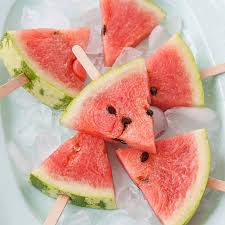
13. Homemade Watermelon Popsicles
Store-bought popsicles can be fun, but making your own gives you more control over the ingredients.
Blend watermelon until smooth. Pour it into popsicle moulds and freeze.
For a more interesting version, blend watermelon with strawberries or add a little lime juice.
You can also make layered pops using different fruits.
They’re especially lovely when you have children at home and want something cold without turning every afternoon into an ice-cream run.
Just remember: a fruit popsicle can contribute to hydration, but it doesn’t replace drinking water.
14. Orange + A Handful of Nuts
Oranges are juicy, refreshing, and easy to carry.
Pair one with a small handful of nuts for a snack that combines fruit with protein and healthy fats.
This is a particularly useful office snack because it doesn’t require much preparation.
Throw an orange and a small container of nuts into your bag before leaving home.
Done.
No elaborate meal prep. No tiny jars lined up like a laboratory experiment.
Just food that works.
15. Homemade Frozen Yoghurt Fruit Bites
These are almost too easy.
Spoon small circles of yoghurt onto a tray lined with parchment paper. Add chopped strawberries, blueberries, mango, or another fruit. Freeze until firm.
Store the bites in an airtight container.
They make a cool snack for hot afternoons, and you can prepare them in advance.
For a more filling version, sprinkle chopped nuts or seeds over the top before freezing.
The Best Hydrating Snacks Aren’t Always Sweet
Here’s something worth remembering.
When people hear “hydrating summer snacks,” they often think about fruit.
Fruit is fantastic. But vegetables deserve a place in the conversation too.
Cucumbers, tomatoes, leafy greens, bell peppers, celery, and summer squash can all contribute water along with important nutrients. MyPlate lists vegetables as sources of nutrients including potassium, fibre, folate, vitamin A, and vitamin C.
That means you don’t need to spend the whole summer eating watermelon.
Mix it up.
One day, have berries and yoghurt. The next, make cucumber and hummus bites. Another day, reach for tomato toast.
Variety makes healthy eating easier to stick with.
Hydrating Summer Snacks for Busy Workdays
You don’t need a perfect meal-prep routine.
Instead, create a small “snack system.”
At the beginning of the week, wash a few fruits and vegetables. Portion nuts or seeds into small containers. Keep yoghurt chilled. Cut some watermelon or pineapple. Make one batch of chia pudding.
Then build snacks from whatever is ready.
For example:
Morning meeting: Greek yoghurt + berries
Midday: Cucumber + hummus
Afternoon slump: Orange + nuts
After a workout: Water + fruit + yogurt
The goal isn’t to eat constantly.
It’s to make better choices easier when hunger appears.
Because when you’re hungry, tired, and already late for something, you’re not likely to create a Pinterest-worthy snack board from scratch.
You’ll eat what’s available.
So make the good stuff available.
Hydrating Snacks for Moms and Young Children
Summer can be particularly hectic when you’re caring for children.
Someone wants a snack.
Someone else wants a drink.
Someone has lost a shoe.
And somehow you’ve been holding the same cup of coffee for two hours.
Simple foods help.
Keep easy options in the refrigerator:
- Watermelon cubes
- Cucumber sticks
- Berries
- Orange segments
- Yogurt
- Homemade fruit pops
- Fruit kabobs
- Smoothies
- Tomato and avocado toast
For young children, adapt foods to their developmental stage and cut round, firm foods appropriately to reduce choking risk.
You don’t need to create elaborate snacks every day. A bowl of chilled fruit can be enough.
Sometimes simple really is the answer.
Hydrating Snacks for Students
Students have their own version of summer chaos.
Classes. Assignments. Exams. Part-time work. Late nights. Early mornings.
And somewhere between all of that, you’re supposed to remember to eat.
Try creating a study snack box with:
- Grapes
- Strawberries
- Cucumber
- Carrot sticks
- Hummus
- Yogurt
- Nuts
- Whole-grain crackers
Then keep a reusable water bottle nearby.
This isn’t glamorous, but it works.
Hydration and concentration are closely linked to overall well-being, and dehydration can affect how you feel physically and mentally. Water is also essential for many basic body functions, including temperature regulation and digestion.
You don’t need to micromanage every sip.
Just don’t wait until you’re completely parched to remember your water bottle exists.
What About Juice?
Juice can be refreshing, but whole fruit is often the more satisfying choice.
Why?
Whole fruit provides fibre and takes longer to eat. Harvard’s nutrition guidance recommends water as the main beverage and suggests limiting juice to a small glass rather than relying on it as your primary hydration source.
If you enjoy juice, you don’t have to make it forbidden.
You can simply treat it as one part of your diet rather than your main source of fluids.
And if you want a fruity drink, try adding lemon, lime, orange slices, cucumber, mint, or berries to plain water. Harvard also recommends infused water as an easy way to make water more appealing without loading it with added sugar.
Small changes count.
A Quick Note About Electrolytes
Electrolytes have become a major wellness buzzword, especially during summer.
But here’s the thing: you don’t necessarily need a fancy electrolyte drink every time you sweat.
For ordinary daily activities, water and a balanced diet are generally enough for most healthy people. Electrolyte replacement can matter more during prolonged, intense exercise or situations involving substantial fluid loss.
And this is where social media can make things confusing.
Not every warm afternoon requires a special hydration powder.
Sometimes you need water, a meal, and a little shade.
That’s it.
If you’re experiencing significant fluid loss, have a medical condition affecting hydration, or have been advised to manage fluids or electrolytes in a particular way, follow your healthcare professional’s guidance.
Common Summer Hydration Mistakes
Even people who drink water regularly can fall into a few easy traps.
1. Waiting until you’re extremely thirsty
Thirst is an important signal, but it doesn’t have to be your only reminder.
Keep water nearby during work, study, errands, and outdoor activities.
2. Relying on sugary drinks
A cold soda or sweetened iced drink can be tempting when it’s 32°C outside.
But sugary beverages can add a lot of sugar without providing much nutritional value. Harvard recommends water instead of sugary drinks as a general healthy-eating choice.
3. Forgetting about food
Hydration isn’t only about beverages.
Water-rich fruits and vegetables can contribute to your total fluid intake, too.
4. Making hydration too complicated
You don’t need twelve supplements, a special bottle, and a colour-coded hydration spreadsheet.
Water.
Fruit.
Vegetables.
Balanced meals.
That’s a pretty good foundation.
How to Make Hydrating Snacks a Daily Habit
The easiest healthy habit is usually the one that fits into your existing routine.
Try this simple approach:
Keep fruit visible.
Harvard recommends keeping ready-to-eat fruit where you can see it because visibility can make it easier to reach for.
Prep two or three ingredients, not twenty.
Wash berries. Cut cucumber. Portion nuts. That’s enough.
Use your refrigerator strategically.
Keep chilled fruit at eye level so it’s easy to grab.
Carry one portable snack.
An orange, banana, small container of grapes, or nuts can save you from making desperate food decisions later.
Pair water-rich foods with satisfying ingredients.
Fruit + yoghurt. Cucumber + hummus. Tomato + avocado. Watermelon + feta.
This makes snacks more balanced and enjoyable.
A Simple 7-Day Hydrating Summer Snack Plan
If you don’t want to think about what to eat every afternoon, here’s a simple rotation.
Monday: Watermelon + feta + mint
Tuesday: Greek yogurt + strawberries + chia seeds
Wednesday: Cucumber + hummus + whole-grain crackers
Thursday: Frozen grapes + a handful of nuts
Friday: Tomato + avocado toast
Saturday: Pineapple + mango + cucumber cups
Sunday: Homemade watermelon popsicles + yoghurt
And you can swap freely.
That’s the beauty of it.
There’s no need to eat the same thing every day just because it’s “healthy.”
The Bigger Picture: Hydration Is a Habit, Not a Summer Challenge
It’s easy to turn hydration into another goal you feel like you’re failing at.
Drink this much.
Avoid that.
Track everything.
Buy this bottle.
Download that app.
Honestly, it can become exhausting.
A gentler approach is often more sustainable.
Drink water throughout the day. Eat plenty of fruits and vegetables. Include balanced meals. Keep refreshing snacks within reach. Pay attention to thirst, especially when you’re exercising or spending time in hot weather.
Water is essential for regulating body temperature, supporting digestion, lubricating tissues, and replacing fluid lost through sweating and other normal body processes.
And yes, your food can help too.
That cold slice of watermelon isn’t just a sweet summer treat. Those cucumber sticks aren’t merely crunchy. Berries, tomatoes, oranges, leafy greens, and other produce can all help you build a more varied, nourishing diet.
You don’t need perfection.
You need options.
Frequently Asked Questions About Hydrating Summer Snacks
What are the best hydrating summer snacks?
Some of the easiest options include watermelon, cucumber with hummus, berries with yoghurt, oranges with nuts, tomato and avocado toast, frozen grapes, fruit kabobs, chia pudding, and smoothies.
Choose a mix of water-rich fruits and vegetables along with protein, healthy fats, or whole grains when you want a more filling snack.
Does eating fruit help with hydration?
Yes. Many fruits contain a high percentage of water and can contribute to total fluid intake. Harvard notes that water-rich foods, particularly fruits and vegetables, provide part of the water people consume each day.
Is watermelon a good summer snack?
Watermelon is an excellent refreshing summer choice because it’s naturally water-rich and easy to eat chilled. Pairing it with something like yoghurt, nuts, or feta can make the snack more substantial.
What are good hydrating snacks for work?
Try Greek yoghurt with berries, cucumber and hummus, watermelon and feta, an orange with nuts, or a container of pineapple and cucumber.
The best work snack is usually one you can prepare quickly and store safely.
What are good hydrating snacks for kids?
Watermelon, berries, cucumber, yoghurt, fruit kabobs, homemade fruit popsicles, and smoothies can all work well, depending on the child’s age and developmental stage.
Remember to prepare foods in age-appropriate shapes and textures and follow appropriate choking-safety guidance.
Do I still need to drink water if I eat hydrating foods?
Yes.
Water-rich foods contribute to hydration, but they don’t replace the need for fluids. Plain water remains an excellent everyday beverage for most people.
Are smoothies hydrating?
Smoothies can contribute fluid and provide fruit or vegetables, depending on the ingredients. Using whole fruits and vegetables rather than straining them into juice also helps preserve fibre.
Final Thoughts
Summer snacks don’t have to be complicated.
Sometimes the best choice is a bowl of cold watermelon. Sometimes it’s cucumber and hummus between meetings. Sometimes it’s yoghurt and berries before school pickup, or frozen grapes while you’re answering emails.
The common thread is simple: choose foods that refresh you while also giving your body useful nutrition.
Keep fruit chilled.
Prep a few vegetables.
Carry water.
Pair juicy produce with protein, healthy fats, or whole grains when you need something more filling.
And don’t make it harder than it needs to be.
The perfect summer snack isn’t the one that looks impressive online. It’s the one you actually want to eat when the afternoon is hot, your schedule is packed, and you need a little reset.
So grab that watermelon.
Add the cucumber.
Keep the yogurt cold.
Summer just got a whole lot easier.