
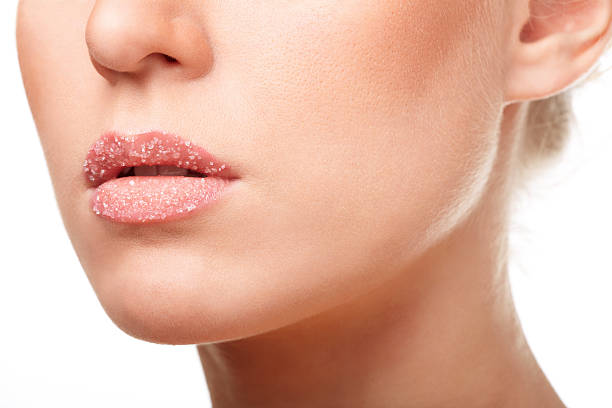
There’s something about summer that makes us feel healthier. We drink more water, spend extra time outdoors, swap heavy meals for fresh fruit, and finally remember where we packed our sunglasses.
Yet somehow, our lips often get left behind.
Most people think chapped lips belong to winter. Cold winds, indoor heating, and dry air usually get the blame. But here’s the surprise: summer can be just as harsh, sometimes even worse.
Think about a typical summer day. You’re sitting outside with an iced coffee, walking between meetings, spending an afternoon at the beach, or watching your kids at the playground. The sun is intense. The wind is warm. Air conditioning keeps running indoors. Before long, your lips start feeling tight.
You lick them.
They feel better for a minute.
Then they’re even drier.
Sound familiar?
The truth is, lips don’t have the same protection as the rest of your skin. They lose moisture quickly, burn easily, and recover more slowly after damage. That’s why a dedicated summer lip care routine isn’t about beauty alone, it’s part of keeping your skin healthy.
The good news?
You don’t need a shelf full of products or an expensive routine. A few smart habits, paired with the right ingredients, can keep your lips soft, comfortable, and healthy all season.
Let’s start with why summer causes so much trouble in the first place.
Summer Isn’t as Gentle as It Looks
Summer feels refreshing.
Your lips would probably disagree.
Most people focus on UV damage to their face and shoulders but forget that lips receive the same sunlight. In fact, the lower lip is particularly vulnerable because it faces upward and receives more direct UV exposure.
Unlike the rest of your skin, your lips contain very little melanin, the pigment that helps protect against ultraviolet rays. Less melanin means less natural protection.
That’s only part of the story.
During summer, several things happen at once:
- UV rays break down the skin’s natural barrier.
- Heat increases water loss.
- Wind removes surface moisture.
- Salt water leaves lips dehydrated.
- Chlorine strips away natural oils.
- Air conditioning reduces indoor humidity.
- Sweat evaporates quickly, taking moisture with it.
None of these sounds dramatic on its own.
Together, though, they create the perfect conditions for dry, flaky lips.
You may even drink more water than usual and still experience dryness. That’s because hydration starts from within, but the outer skin barrier also needs support.
Think of your lips like a sponge left in the sun. Even if there’s water nearby, constant heat makes it dry faster than it can recover.
Why Lips Dry Out Faster Than the Rest of Your Face
Here’s something many people don’t realise.
Your lips aren’t exactly skin.
They’re a special type of tissue that’s much thinner than facial skin.
Compared with your cheeks or forehead, lips have:
- fewer protective oil glands
- a thinner outer barrier
- very little melanin
- less ability to retain moisture naturally
That’s why lips can’t moisturise themselves the way your face does.
Your cheeks produce oils throughout the day.
Your lips don’t.
Every time you smile, eat, talk, laugh, or drink, the delicate surface stretches slightly. Without enough moisture, tiny cracks begin to form.
They’re often too small to notice at first.
Instead, your lips simply feel rough.
A day later, they begin peeling.
Another day passes, and suddenly you’re searching for lip balm every thirty minutes.
It’s a cycle many people know well.
Little Signs Your Lips Are Asking for Help
You don’t have to wait until your lips crack or bleed before giving them attention.
Early signs are easy to miss.
Watch for things like:
- tightness after washing your face
- lipstick settling into fine lines
- flaky patches
- rough texture
- burning after spicy foods
- increased sensitivity to citrus fruits
- constant urge to lick your lips
These are often the first signals that your moisture barrier needs support.
Addressing the problem early is much easier than repairing severely damaged lips later.
Your Morning Summer Lip Care Routine
Mornings set the tone for the rest of the day.
Most people already have a skincare routine.
Adding lip care takes less than two minutes.
Step 1: Start With Hydration
Before coffee.
Before tea.
Before scrolling on your phone.
Drink a glass of water.
Does water alone prevent chapped lips?
Not entirely.
But dehydration can make dryness worse, especially during hot weather.
If you’re exercising outside or spending long hours in the sun, remember that you’re losing water through sweat too.
Your lips notice.
Step 2: Clean Lips Gently
There’s usually no need for a separate lip cleanser.
When washing your face with a gentle cleanser, simply rinse your lips with lukewarm water.
Avoid scrubbing with washcloths every morning.
The skin here is already thin.
Too much friction removes what little protection your lips have.
Step 3: Apply a Moisturising Lip Balm
This is where many routines succeed, or fail.
Not all lip balms are created equal.
A good summer lip balm should contain ingredients that attract moisture, soften the skin, and reduce water loss.
Look for ingredients such as:
- Shea butter
- Ceramides
- Petrolatum
- Squalane
- Beeswax
- Lanolin (if you’re not sensitive)
- Castor seed oil
- Coconut oil
- Vitamin E
These ingredients work together to strengthen your skin barrier rather than simply making lips feel temporarily smooth.
Some trendy balms rely heavily on fragrance or flavour instead.
They smell amazing.
They just don’t do much for lasting hydration.
Step 4: Never Skip SPF
This might be the single most overlooked step in summer lip care.
Your lips can sunburn.
Many people don’t realise it until it happens.
Sunburned lips become:
- swollen
- dry
- painful
- flaky
- more likely to peel
Over time, repeated UV exposure can also contribute to premature aging and increase the risk of precancerous changes on the lips.
Choose a broad-spectrum SPF 30 or higher lip balm and reapply it every two hours when outdoors, or more often after swimming, eating, or drinking.
If you’re hiking, spending time at the beach, attending outdoor events, or driving for long periods in direct sunlight, this step becomes even more important.
Think of SPF lip balm the same way you think about sunscreen for your face.
You wouldn’t skip one.
Don’t skip the other.
Step 5: Let Products Set Before Lipstick
If you wear lipstick or lip tint, give your lip balm a minute or two to absorb.
This small pause helps products apply more evenly.
It can also reduce patchiness, especially with matte lipsticks that tend to highlight dry areas.
A hydrated base makes almost every lip colour look better.
And honestly, it feels better too.
Keep Your Lips Happy All Day Long
A good morning routine gives your lips a strong start, but summer has a way of testing even the best habits.
You finish your commute. Sip iced coffee during a meeting. Grab lunch outdoors. Maybe you spend the afternoon by the pool or cheering at your child’s soccer game. By evening, your lips have been exposed to sun, wind, food, drinks, and constant movement.
That means lip care isn’t a one-time task. It’s a habit you sprinkle throughout the day.
The good news? It doesn’t take much effort.
Reapply Lip Balm, Yes, More Often Than You Think
Lip balm isn’t meant to last all day.
Every time you:
- eat
- drink
- wipe your mouth
- swim
- sweat heavily
- talk for hours
…you remove some of the protective layer.
If you’re outdoors, reapply your SPF lip balm at least every two hours. If you’re mostly indoors, you can simply refresh whenever your lips begin to feel less comfortable.
A quick swipe takes seconds but helps prevent that familiar cycle of dryness followed by peeling.
Don’t Let Lip Licking Become a Habit
Almost everyone does it.
Your lips feel dry, so you lick them.
For a few seconds, they seem softer.
Then they feel even drier.
Here’s why.
Saliva evaporates quickly, taking moisture with it. It also contains digestive enzymes designed to break down food, not protect delicate lip tissue. Over time, repeated lip licking weakens the skin barrier and can trigger irritation known as lip-licker’s dermatitis.
If you notice yourself doing it without thinking, keep a nourishing lip balm nearby. Replacing the habit is much easier than trying to stop it altogether.
Be Mindful of What You’re Eating
Summer usually means:
- citrus drinks
- spicy barbecue
- salty snacks
- frozen treats
- acidic fruits
There’s nothing wrong with enjoying them.
But if your lips are already cracked, these foods can sting and slow recovery.
That doesn’t mean avoiding your favourite meals forever. It simply means giving your lips a chance to heal first.
Stay Hydrated From the Inside
People often ask:
“Does drinking more water cure chapped lips?”
Not exactly.
Dry lips can have many causes, including sun exposure, weather, certain medications, mouth breathing, or irritation from products.
Still, dehydration makes everything worse.
A practical tip is to drink consistently throughout the day instead of waiting until you’re thirsty.
You don’t need expensive hydration powders for everyday life. For most healthy adults, plain water paired with water-rich foods, like watermelon, cucumber, oranges, strawberries, and tomatoes, does a great job.
Your Evening Lip Recovery Routine
Nighttime is when your skin gets a chance to repair itself.
Your lips are no different.
A few minutes before bed can make a surprising difference by morning.
Step 1: Remove Lip Products Gently
Long-wear lipstick and lip stains often cling stubbornly.
Avoid rubbing aggressively.
Instead:
- Use a gentle cleansing oil, micellar water, or fragrance-free makeup remover.
- Hold a cotton pad against your lips for a few seconds.
- Let the product dissolve.
- Wipe softly.
Less friction means less irritation.
Step 2: Skip Harsh Scrubbing
You may have seen DIY lip scrubs made with sugar and lemon.
They look beautiful on social media.
They’re not always kind to your lips.
If your lips are cracked, peeling, or sore, scrubbing can create tiny tears that delay healing.
Instead, soften flaky skin first.
After applying a thick layer of lip balm for several minutes, gently wipe away any loose flakes with a soft, damp cloth. If nothing comes off easily, leave it alone.
Your lips know how to shed dead skin naturally.
Step 3: Apply a Rich Overnight Treatment
Night is the perfect time to use a thicker product.
Look for ingredients like:
- Petrolatum
- Shea butter
- Ceramides
- Squalane
- Lanolin (if tolerated)
- Beeswax
These ingredients help reduce overnight water loss while giving the skin barrier time to recover.
Apply a generous layer before bed and let it do the work while you sleep.
Step 4: Think Beyond Lip Balm
Sometimes dry lips aren’t caused by the lips themselves.
Ask yourself:
- Is your bedroom air very dry?
- Do you sleep with your mouth open?
- Are you using a toothpaste that irritates your lips?
- Have you started a new medication?
If you wake up with dry lips every morning despite good lip care, one of these factors could be contributing.
A bedroom humidifier may help if indoor air is especially dry, especially if you’re using air conditioning every night.
Weekly Lip Treatments That Actually Help
You don’t need a complicated weekly routine.
Once or twice a week is enough for most people.
Gentle Exfoliation. Only When Needed
Healthy lips don’t need frequent scrubbing.
If you notice loose flakes that won’t come away naturally, gentle exfoliation can help.
Use:
- a soft washcloth
- a damp cotton cloth
- a silicone lip brush designed for delicate skin
Skip anything that feels rough or abrasive.
If your lips hurt, bleed, or are badly cracked, don’t exfoliate.
Focus on healing first.
Lip Masks
Overnight lip masks have become increasingly popular, and some genuinely work well.
The main benefit isn’t magic ingredients.
It’s simply that they create a thicker barrier that helps prevent moisture loss overnight.
Whether the product is called a “lip mask” or “overnight balm,” the most important thing is its ingredient list, not the marketing.
Ingredients Your Lips Will Thank You For
Choosing products becomes much easier once you know what to look for.
Barrier Protectors
These reduce water loss.
- Petrolatum
- Beeswax
- Dimethicone
- Lanolin
Moisture Helpers
These soften the skin.
- Glycerin
- Hyaluronic acid
- Aloe vera
- Panthenol
Skin Barrier Support
These help repair damaged lips.
- Ceramides
- Squalane
- Shea butter
- Jojoba oil
Antioxidants
Helpful for overall skin health.
- Vitamin E
- Vitamin C (used carefully in lip formulations)
- Green tea extract
Ingredients That Can Sometimes Cause Problems
Not everyone reacts the same way.
Still, dermatologists often recommend caution with products containing:
- Excess menthol
- Camphor
- Phenol
- Strong peppermint oil
- Cinnamon flavoring
- Eucalyptus oil
- Heavy fragrance
- Artificial flavourings if irritation develops
These ingredients may create a cooling or tingling feeling that seems refreshing but can irritate already damaged lips.
If your lips sting every time you apply a product, that’s usually a sign to stop using it.
Common Summer Lip Care Mistakes
Even people who take good care of their skin make these mistakes.
Forgetting SPF
This is probably the biggest one.
Your face gets sunscreen.
Your lips deserve it too.
Using Only Matte Lipsticks
Matte formulas can look beautiful but often emphasise dryness.
Try applying a hydrating balm underneath or alternating with creamier formulas.
Peeling Flaky Skin
It’s tempting.
Really tempting.
But pulling away loose skin often causes tiny wounds that take longer to heal.
Patience usually wins.
Assuming Expensive Means Better
A luxury lip balm isn’t automatically more effective.
Sometimes a simple, fragrance-free formula with proven ingredients performs just as well—or even better.
Read ingredient lists before reading the price tag.
Ignoring Persistent Problems
If your lips stay cracked for weeks despite regular care, it’s worth checking with a healthcare professional.
Persistent lip irritation can occasionally be linked to allergies, nutritional deficiencies, infections, certain medications, or skin conditions that need proper diagnosis and treatment.
Lip Care for Different Lifestyles
Students
Keep an SPF lip balm in your backpack.
Walking across campus adds up to more sun exposure than you might realise.
Busy Professionals
Store one lip balm at your desk, another in your bag, and another in your car (if the product tolerates heat). Having one within reach makes regular use much more likely.
Parents
If you’re spending hours outdoors with children, remember that you’re getting plenty of incidental sun exposure too.
Applying sunscreen to everyone else while forgetting yourself happens more often than people admit.
Don’t skip your lips.
Outdoor Exercisers
Running, cycling, hiking, or playing sports increases exposure to both UV rays and wind.
Reapply SPF lip balm before you start and again during longer sessions.
What About DIY Lip Remedies?
Homemade treatments can sound appealing, but “natural” doesn’t always mean gentle.
A few common examples:
- Plain petroleum jelly: Excellent for sealing in moisture.
- Honey: May help soothe lips because of its humectant and antimicrobial properties, but it shouldn’t replace medical care for severe cracking or infection.
- Coconut oil: Can soften lips, though it doesn’t provide the same protective barrier as petrolatum.
- Aloe vera gel: May feel cooling after sun exposure if it’s formulated for skin use and doesn’t contain added alcohol or fragrance.
On the other hand, recipes using lemon juice, baking soda, or harsh sugar scrubs are more likely to irritate already sensitive lips than help them.
Sometimes the simplest approach is also the most effective.
Summer Lip Care for Different Skin Types
Not every pair of lips behaves the same way. Your skin type, daily environment, and even your favourite lipstick can influence how much care your lips need.
Instead of following a one-size-fits-all routine, make small adjustments based on what your lips are telling you.
If You Have Dry Skin
If your face is naturally dry, your lips are likely to need extra support too.
Focus on products that strengthen the skin barrier rather than simply making your lips feel glossy.
A simple routine works well:
- Apply a moisturising lip balm after brushing your teeth.
- Use an SPF 30+ lip balm before heading outdoors.
- Reapply throughout the day, especially after meals.
- Finish with a thick overnight lip treatment before bed.
Consistency matters more than using lots of different products.
If You Have Oily or Combination Skin
Many people with oily skin skip lip care because the rest of their face doesn’t feel dry.
Your lips are different.
Since they don’t produce oil like the rest of your skin, they still need hydration and sun protection.
A lightweight, fragrance-free lip balm with SPF is usually all you need during the day.
If You Have Sensitive Skin
Sensitive lips react more easily to ingredients that many people tolerate without problems.
Choose products labelled:
- Fragrance-free
- Flavor-free
- Dermatologist-tested
- Suitable for sensitive skin
Before trying a new lip product, apply it for a few days and watch for burning, itching, swelling, or redness.
If irritation develops, stop using it and switch to a simpler formula.
If You Wear Lipstick Every Day
Long-lasting lipsticks can be drying, especially matte formulas.
You don’t have to stop wearing them.
Instead:
- Moisturise before application.
- Choose hydrating formulas when possible.
- Remove makeup gently each evening.
- Use an overnight lip treatment regularly.
Healthy lips make every lipstick look better.
Lip Care Across Every Age
Your lips change over time, just like the rest of your skin.
Teenagers and College Students
Long days outdoors, sports, and skipping sunscreen are common.
Keeping an SPF lip balm in your backpack is one of the easiest healthy habits to build.
Young Professionals
Air-conditioned offices, coffee breaks, and long commutes can quietly dry out your lips.
Keep a lip balm on your desk and another in your work bag so you’re never searching for one.
Mothers
Between school runs, outdoor playtime, errands, and work, lip care often falls to the bottom of the list.
The good news is that it doesn’t need to be complicated.
A nourishing SPF lip balm in your handbag covers most daytime needs.
Mature Skin
As we age, our skin naturally produces fewer lipids, making lips more prone to dryness.
Rich moisturisers, ceramides, and overnight lip treatments become even more valuable for maintaining comfort and reducing the appearance of fine lines around the lips.
When Should You See a Dermatologist?
Most dry lips improve with good daily care.
Sometimes, though, persistent symptoms deserve medical attention.
Consider seeing a healthcare professional if you notice:
- Cracked lips that don’t improve after two to three weeks.
- Bleeding that happens repeatedly.
- Severe swelling.
- Pain that interferes with eating or speaking.
- A sore that doesn’t heal.
- White, scaly, or thickened patches.
- Frequent infections at the corners of your mouth.
These symptoms may be linked to allergies, infections, nutritional deficiencies, certain medications, or skin conditions that require proper diagnosis.
Frequently Asked Questions
Is Vaseline good for dry lips?
Yes. Plain petroleum jelly is one of the most effective occlusive ingredients available. It helps reduce moisture loss and supports the skin barrier. For daytime use outdoors, pair it with a separate SPF lip product unless the petroleum jelly product already contains sun protection.
Should I exfoliate my lips every day?
No.
Daily exfoliation can damage the delicate lip barrier.
Once a week, or only when loose flakes are present, is enough for most people.
Why do my lips stay dry even when I drink plenty of water?
Hydration is important, but it isn’t the only factor.
Sun exposure, wind, air conditioning, allergies, medications, mouth breathing, and irritating lip products can all contribute to dryness.
Can lips get sunburned?
Absolutely.
Because lips contain very little melanin, they’re especially vulnerable to ultraviolet radiation.
Using a broad-spectrum SPF 30 or higher lip balm is one of the simplest ways to protect them.
Is flavoured lip balm bad?
Not always.
However, some flavourings and fragrances can irritate sensitive lips.
If your lips sting or become red after using a product, switching to a fragrance-free option is worth considering.
Does licking my lips really make them drier?
Yes.
Saliva evaporates quickly and contains digestive enzymes that can further irritate the skin, leading to a cycle of dryness and inflammation.
Your Summer Lip Care Checklist
If you remember only a few things from this guide, make them these:
Drink water regularly throughout the day.
Use a nourishing lip balm morning and night.
Wear broad-spectrum SPF 30+ on your lips every day.
Reapply after eating, drinking, or swimming.
Avoid licking or peeling your lips.
Choose fragrance-free products if you have sensitive skin.
Skip harsh DIY scrubs.
Repair your lips overnight with a richer balm.
See a dermatologist if persistent symptoms don’t improve.
Simple habits, repeated consistently, are what keep lips healthy—not a cabinet full of products.
Final Thoughts
Summer is a season for sunshine, vacations, outdoor lunches, beach days, and long evenings with friends and family. It should leave you with great memories, not painful, peeling lips.
The good news is that healthy lips don’t require an elaborate routine. A gentle cleanser, a nourishing lip balm, reliable SPF, and a few mindful habits are often enough to make a noticeable difference.
Think of lip care the same way you think about sunscreen for your face. It’s not something you reach for only after damage appears. It’s something you use consistently to help prevent problems before they start.
Your lips work hard every single day. They help you smile, speak, laugh, eat, and express yourself. Giving them a few moments of care each morning and evening is a small investment that pays off all summer long.
At SkinEvoa, we believe healthy skin starts with simple, evidence-based habits that fit into real life. Whether you’re heading to class, managing meetings, chasing toddlers around the park, or enjoying a weekend outdoors, taking care of your lips is one of the easiest ways to keep your skin comfortable, healthy, and ready for every sunny adventure.