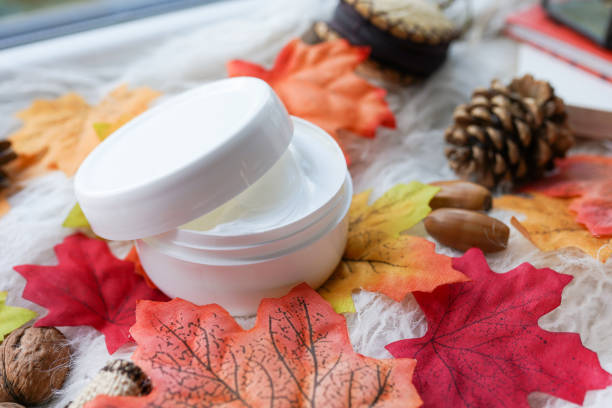
There’s a very specific moment when you realise your summer skincare routine isn’t cutting it anymore.
Your skin feels a little tighter after washing. Makeup doesn’t sit the same. And suddenly, that lightweight gel moisturiser you loved in July? It just disappears.
That’s fall for you.
Not dramatic. Not obvious. Just subtle shifts that add up, and your skin notices before you do.
Let me explain what’s really happening, and more importantly, what to use instead.
When the Air Changes, Your Skin Notices First


5
Here’s the thing: fall isn’t just “slightly cooler summer.” It’s a transition season, and your skin barrier is doing quiet overtime.
Humidity drops. Indoor heating starts creeping in. Wind becomes a regular guest. And all of that? It pulls moisture out of your skin faster than you’d expect.
So what worked a few weeks ago suddenly feels, underwhelming.
You might think:
- “Maybe I just need more of my usual moisturiser.”
But honestly? It’s not about more, it’s about different.
What Actually Makes a Good Fall Moisturiser?
Before we talk products, let’s talk logic. Because not all moisturisers are built for seasonal shifts.
A solid fall moisturiser usually does three things well:
1. Holds onto water (humectants)
Think hyaluronic acid, glycerin. These pull water into your skin.
2. Seals it in (occlusives)
Ingredients like shea butter, ceramides, squalane. They prevent that water from escaping.
3. Repairs your barrier (lipids + soothing agents)
This is where niacinamide, fatty acids, and panthenol come in.
You don’t need a chemistry degree. Just remember this:
If your moisturiser only hydrates but doesn’t seal, it won’t last in fall.
Cream, Gel, or Balm… What’s the Real Difference?
Let’s keep this practical.
- Gel moisturisers: lightweight, fast-absorbing. Great in summer. Often not enough in fall.
- Creams: balanced hydration + protection. The sweet spot for most people.
- Balms: thick, rich, protective. Ideal for very dry or stressed skin.
Here’s the mildly confusing part:
Sometimes your skin needs a cream during the day, and a balm at night.
Sounds extra, but it’s actually efficient.
Best Moisturisers for Fall (By Skin Type & Real Life)


6
Let’s get into specifics. Not just what works, but what fits into an actual schedule.
For Dry Skin (The “My Face Feels Tight by Noon” Group)
You need richness. No way around it.
Look for:
- Ceramide-heavy creams
- Shea butter or squalane
- Slightly thicker textures
Solid options:
- CeraVe Moisturising Cream
- La Roche-Posay Lipikar Balm AP+
- First Aid Beauty Ultra Repair Cream
These aren’t trendy picks; they’re dependable. And honestly, that matters more.
For Oily or Acne-Prone Skin (Yes, You Still Need Moisturiser)
This is where people get it wrong.
Skipping moisturiser doesn’t reduce oil; it usually makes it worse.
Instead:
- Go for light creams, not gels
- Look for niacinamide + lightweight oils
Good fits:
- Neutrogena Hydro Boost Gel-Cream (fragrance-free version)
- Paula’s Choice Clear Oil-Free Moisturiser
- COSRX Oil-Free Ultra-Moisturizing Lotion
You’ll feel like it’s “too much” at first. It’s not. Your skin just isn’t used to balance.
For Sensitive Skin (The Easily Irritated Type)
Fall can be rough here: wind, dryness, sudden reactions.
You want:
- Minimal ingredients
- No fragrance
- Barrier-repair focus
Reliable picks:
- Avène Skin Recovery Cream
- Vanicream Moisturising Cream
- Bioderma Atoderm Intensive Baume
These are the quiet overachievers. No drama, just results.
For Busy People (Because Real Life Is Busy)
Let’s be honest. You don’t always have time for layering serums, essences, and “wait 60 seconds” steps.
So your moisturiser needs to multitask.
Look for:
- Hydration + barrier repair in one
- Fast absorption
- Works under makeup
Easy wins:
- Embryolisse Lait-Crème Concentré
- Clinique Moisture Surge Intense
- e.l.f. Holy Hydration! Face Cream
These are the “apply and go” options. And sometimes, that’s exactly what you need.
Morning vs Night: A Small Shift That Changes Everything


8 Here’s something people don’t always think about:
Your skin behaves differently during the day and at night.
- Morning: needs protection, lighter layers, compatibility with SPF/makeup
- Night: repair mode, slower, more receptive to richer products
So ideally:
- Use a lighter cream in the morning
- Switch to a richer moisturiser at night
It’s not about doing more, it’s about doing the right thing at the right time.
Mistakes That Quietly Ruin Good Moisturisers
Even a great product won’t help if the application is off.
A few things to watch:
- Applying on dry skin → reduces absorption
- Using too little → doesn’t create a protective layer
- Skipping neck area → noticeable over time
- Layering incorrectly → thinner products should go first
And one more, this one’s subtle:
Switching products too quickly.
Fall skincare takes a little patience. Give it a week or two before judging results.
A Simple Fall Routine (That Actually Fits Your Day)
Let’s keep this realistic.
Morning:
- Gentle cleanser
- Hydrating toner or serum (optional)
- Moisturiser (light cream)
- Sunscreen
Night:
- Cleanser
- Treatment (if any)
- Richer moisturizer
That’s it.
You don’t need a 10-step routine; you need a consistent one.
So. Do You Need a New Moisturiser?
Honestly? Probably yes.
Not because your current one is bad, but because seasons change, and your skin isn’t static.
Think of it like switching from summer clothes to something warmer. You wouldn’t wear linen in cold wind and expect to feel fine.
Same idea.
Your moisturiser should match your environment, your schedule, and your skin’s mood, which, let’s be honest, can shift week to week.
Final Thought (The One That Actually Matters)
If your skin feels comfortable, soft, and balanced, you’re doing it right.
Not perfect. Not flawless. Just right.
And in fall, that usually comes down to one thing:
A moisturiser that does a little more than it did before.