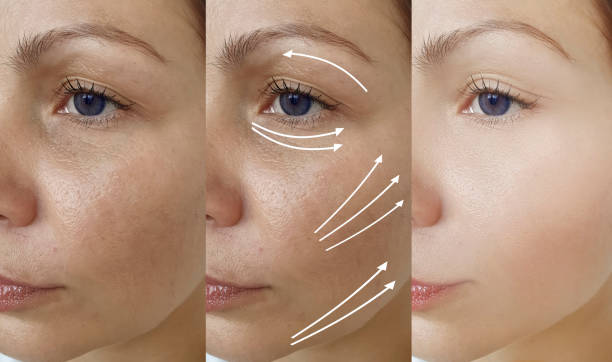
One morning you catch your reflection in the bathroom mirror. Maybe it’s after a late night, maybe it’s just the morning light being a little too honest. You notice a tiny line near your eyes that wasn’t there before, or at least you never paid attention to it.
Sound familiar?
Fine lines are one of the first visible signs that our skin is changing. They don’t appear overnight, and they certainly don’t mean you’ve suddenly become “old.” They’re simply part of life. Smiling, laughing, squinting at your laptop, spending afternoons in the sun, sleeping a little less than you should, your skin remembers all of it.
The good news? While no natural method can completely erase every line, many healthy habits can help soften their appearance and slow new ones from forming. Better yet, these habits don’t require an overflowing skincare shelf or expensive treatments.
Let’s look at what really helps.
What Causes Fine Lines?
Your skin is constantly renewing itself, but that process slows with age.
In your twenties, collagen production gradually starts to decline. Elastin, the protein that keeps skin springy, also becomes less abundant. Add years of UV exposure, pollution, stress, dehydration, and repeated facial expressions, and those tiny creases slowly become more noticeable.
Several factors play a role:
- Natural aging
- Sun damage
- Dry skin
- Smoking
- Poor sleep
- Chronic stress
- Air pollution
- High sugar intake
- Repeated facial movements
Some of these are outside your control. Many aren’t.
That’s encouraging because small daily choices really do add up.
Fine Lines vs. Wrinkles: What’s the Difference?
People often use these terms interchangeably, but they’re not quite the same.
Fine lines are shallow and usually appear first around areas where your face moves the most, including:
- Around the eyes (crow’s feet)
- Forehead
- Around the mouth
- Between the eyebrows
Wrinkles are deeper folds that develop as collagen continues to decline over many years.
Think of fine lines as gentle pencil marks. Wrinkles are more like folds in a piece of fabric that has been bent repeatedly.
Taking care of fine lines early often helps delay deeper wrinkles later.
Can You Really Reduce Fine Lines Naturally?
Here’s the honest answer.
Yes, but with realistic expectations.
Natural methods won’t produce overnight changes like cosmetic procedures. However, they can improve skin hydration, strengthen the skin barrier, support collagen production, and reduce the appearance of fine lines over time.
In many cases, healthier skin simply reflects light better, making lines appear softer and less noticeable.
Consistency matters far more than perfection.
15 Natural Ways to Reduce Fine Lines
1. Never Skip Sunscreen
If there were one skincare habit dermatologists could choose for everyone, sunscreen would probably win.
UV rays break down collagen faster than almost anything else. Even on cloudy days, ultraviolet light reaches your skin.
Choose a broad-spectrum sunscreen with SPF 30 or higher every morning.
If you’re outdoors for long periods, reapply every two hours.
It sounds almost too simple. Yet this single habit can make one of the biggest long-term differences.
2. Keep Your Skin Well Hydrated
Dry skin tends to make every fine line look deeper.
Moisturised skin reflects light more evenly, giving it a smoother appearance.
Look for moisturisers containing ingredients like:
- Hyaluronic acid
- Glycerin
- Ceramides
- Squalane
These ingredients help attract and retain moisture without feeling overly heavy.
3. Drink Enough Water
Water isn’t a miracle cure for wrinkles.
Let’s clear that up.
However, staying hydrated supports overall skin health and helps maintain your body’s normal functions.
If you’re dehydrated, your skin often looks dull and tired.
Aim to drink water consistently throughout the day rather than trying to “catch up” all at once.
4. Fill Your Plate with Colour
Your skincare routine doesn’t stop at the bathroom sink.
Foods rich in antioxidants help protect skin cells from damage caused by free radicals.
Include plenty of:
- Berries
- Citrus fruits
- Tomatoes
- Spinach
- Sweet potatoes
- Bell peppers
- Nuts
- Seeds
- Fatty fish
Omega-3 fatty acids found in salmon, sardines, and mackerel may also support the skin barrier.
5. Sleep As Your Skin Depends on It
Honestly, it kind of does.
While you sleep, your body carries out many repair processes.
Poor sleep is linked to dull skin, slower recovery, and increased signs of aging.
Try aiming for seven to nine hours most nights.
If possible, sleep on a silk or satin pillowcase. While it won’t erase wrinkles, reducing friction may help minimise sleep creases over time.
6. Cleanse Gently
Many people accidentally make fine lines look worse by stripping away their skin’s natural oils.
Harsh cleansers can leave skin feeling tight.
That squeaky-clean feeling? It’s usually not a good sign.
Instead, choose a gentle cleanser that removes sunscreen, makeup, and dirt without disrupting your skin barrier.
7. Moisturise Morning and Night
Think of moisturiser like sealing a wooden table.
Without protection, moisture escapes.
With regular care, the surface stays smoother for longer.
Apply moisturiser after cleansing while your skin is still slightly damp.
That helps lock in hydration.
8. Use Antioxidants Daily
Vitamin C is one of the most studied skincare ingredients for brighter, healthier-looking skin.
It helps defend against environmental damage while supporting collagen production.
Many people like applying a vitamin C serum in the morning before sunscreen.
Together, they form an excellent daytime skincare combination.
9. Try Facial Massage
You know what?
Facial massage feels relaxing, and that’s reason enough for many people.
There’s also some evidence that gentle massage may temporarily improve circulation and reduce facial tension.
Use clean hands and a facial oil or moisturiser to avoid tugging the skin.
Keep pressure light.
More isn’t always better.
10. Support Collagen Naturally
Collagen supplements continue to gain popularity.
Some research suggests hydrolysed collagen peptides may improve skin hydration and elasticity after consistent use.
Beyond supplements, your body also needs nutrients involved in collagen production, including:
- Vitamin C
- Zinc
- Copper
- Protein
Eating a balanced diet provides many of these building blocks naturally.
11. Stay Active
Exercise increases blood circulation.
That means oxygen and nutrients are delivered more efficiently throughout the body—including your skin.
You don’t need marathon training.
A brisk walk, cycling, swimming, dancing, or strength training several times a week can all contribute to healthier skin over time.
12. Stress Less (Even a Little)
Stress shows up in surprising places.
Your skin is one of them.
Long-term stress raises cortisol levels, which may affect collagen and skin repair.
No one eliminates stress.
But even small habits can help:
- Walking outdoors
- Deep breathing
- Reading
- Meditation
- Stretching
- Journaling
Sometimes fifteen quiet minutes can change the entire tone of your day.
13. Avoid Smoking
Smoking accelerates visible skin aging.
It narrows blood vessels, reduces oxygen delivery, and contributes to collagen breakdown.
If you’re trying to maintain smoother-looking skin, quitting smoking is one of the most meaningful changes you can make.
14. Cut Back on Added Sugar
Here’s something many people don’t realise.
Excess sugar contributes to a process called glycation.
During glycation, sugar molecules attach to proteins like collagen and elastin, making them less flexible over time.
That doesn’t mean dessert is forbidden.
It simply means moderation matters.
15. Be Patient
Perhaps this is the hardest tip.
Natural skincare works gradually.
Most healthy habits need several weeks or even a few months before noticeable improvements appear.
The people with consistently healthy-looking skin usually aren’t chasing miracle products every week.
They’re simply consistent.
And consistency quietly beats perfection.
Ingredients That Pair Well with a Natural Routine
Natural habits create the foundation, but certain skincare ingredients can make your routine even more effective.
Hyaluronic Acid
Helps attract water to the skin, making fine lines appear softer.
Niacinamide
Supports the skin barrier, reduces moisture loss, and improves overall texture.
Vitamin C
Brightens skin while helping protect collagen from environmental damage.
Peptides
Support healthier-looking skin and may improve firmness over time.
Retinol
Although it’s not a “natural” ingredient, retinol remains one of the best-researched ingredients for improving fine lines. If you’re new to it, start slowly and always pair it with sunscreen.
Common Mistakes That Can Make Fine Lines Look Worse
Sometimes it’s not what you’re missing, it’s what you’re doing too often.
Watch out for these habits:
- Skipping sunscreen
- Washing your face with very hot water
- Over-exfoliating
- Sleeping in makeup
- Smoking
- Frequently dehydrating yourself
- Constantly trying new skincare products without giving them time to work
- Ignoring your neck and chest during skincare
Your skincare routine doesn’t need ten complicated steps.
Often, a simple routine followed every day produces better results.
Frequently Asked Questions
At what age do fine lines usually appear?
Many people begin noticing fine lines in their late twenties or early thirties, although sun exposure and genetics can influence timing.
Can drinking more water remove wrinkles?
Not completely. Staying hydrated supports healthy skin, but it won’t erase existing wrinkles on its own.
Are natural oils enough to reduce fine lines?
Natural oils like rosehip, jojoba, and argan oil can help seal in moisture and improve skin softness. However, they work best as part of a complete skincare routine rather than as a standalone solution.
Is retinol necessary?
Not necessarily. Many people see improvements with sunscreen, moisturisers, antioxidants, and healthy lifestyle habits. Retinol simply has stronger evidence for improving signs of aging.
How long does it take to notice results?
Most people notice healthier-looking skin after six to twelve weeks of consistent skincare and lifestyle changes.
Final Thoughts
Fine lines aren’t something you have to fear. They’re a normal part of living, laughing, working late, raising children, travelling, celebrating milestones, and simply growing older.
That said, taking care of your skin is an act of self-care, not a battle against time.
Start with the basics: protect your skin from the sun, moisturise consistently, eat nourishing foods, sleep well, stay active, and choose skincare ingredients backed by research. None of these habits is flashy, yet together they create something powerful: a routine your skin can rely on.
You don’t need perfection. You don’t need a cabinet full of expensive products. What you need is patience and consistency.
Months from now, your future self will be glad you started today.