
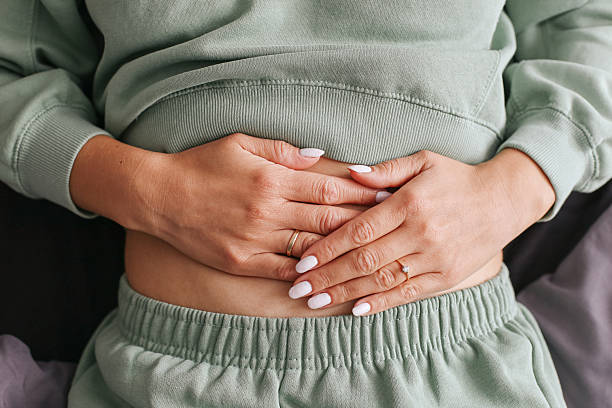
Your Skin Might Be Talking About Your Gut
Most of us blame our skin when something goes wrong.
A breakout before an important meeting? We switch cleansers.
Dry patches? We buy a richer moisturiser.
Redness? Time for another serum.
Sometimes those products help. Sometimes they don’t. That’s because the skin isn’t always the place where the problem starts.
Here’s the thing: your skin and your gut are constantly communicating. Scientists even have a name for this relationship: the gut-skin axis.
Think of it like two close friends texting all day. When one feels stressed, the other notices. When your digestive system is thriving, your skin often reflects that. When your gut is struggling, your complexion may be one of the first places to show it.
That doesn’t mean every pimple begins in your stomach. Life isn’t that simple. Hormones, genetics, sleep, stress, weather, and skincare products all play important roles. But gut health has become one piece of the puzzle that’s getting a lot more attention, and for good reason.
Let’s look at why.
What Exactly Is Your Gut Microbiome?
Your digestive tract is home to trillions of microorganisms.
That might sound alarming until you realise most of them are actually helping you.
Together, these bacteria, fungi, and other microbes form what’s known as your gut microbiome. Imagine a bustling city where every resident has a job. Some help digest food. Others produce vitamins. Many help train your immune system so it knows when to react and when to stay calm.
When the community stays balanced, everything tends to run smoothly.
When harmful bacteria begin to outnumber beneficial ones, a condition sometimes called dysbiosis, the balance shifts. Digestion can become less efficient, inflammation may increase, and your immune system can become overactive.
Since about 70% of the immune system is closely connected with the gut, changes there can ripple throughout the body.
Including your skin.
Meet the Gut-Skin Axis
So, what is the gut-skin axis?
It’s the communication network linking your digestive system, immune system, nervous system, and skin.
It sounds technical, but the idea is surprisingly simple.
If your gut lining stays healthy, it acts like a well-built security fence. Nutrients pass through. Harmful substances stay out.
When that barrier becomes irritated or damaged, unwanted particles can enter the bloodstream more easily. Your immune system notices and may respond with inflammation.
That inflammation doesn’t always stay inside your digestive tract.
It can appear elsewhere, including your skin.
Researchers continue studying how this connection affects conditions like acne, eczema, rosacea, and psoriasis. While gut health isn’t the only cause, growing evidence suggests it can influence how severe symptoms become in some people.
That’s encouraging because your gut is something you can actively support every day.
Could Your Gut Be Showing Up on Your Face?
Skin doesn’t come with warning lights.
Instead, it gives subtle clues.
Some signs that may be linked with poor gut health include:
- Frequent acne breakouts
- Persistent redness
- Dry or flaky skin
- Eczema flare-ups
- Rosacea symptoms
- Slow wound healing
- Dull complexion
At the same time, digestive symptoms often appear alongside skin concerns:
- Bloating
- Gas
- Constipation
- Diarrhea
- Food sensitivities
- Frequent stomach discomfort
Of course, these symptoms don’t automatically mean your gut is the culprit. Many medical conditions can cause similar issues.
Still, when skin and digestion seem to struggle together, it’s worth paying attention.
Your body often whispers before it shouts.
Everyday Habits That Can Upset Your Gut
Modern life isn’t always kind to our microbiome.
Honestly, it’s not just fast food.
Several common habits can gradually reduce the diversity of healthy gut bacteria.
Highly Processed Diets
Many packaged foods are low in fibre and high in refined sugars.
Beneficial bacteria love fibre.
Without enough of it, they simply don’t have much to eat.
Chronic Stress
You know that nervous feeling before a big presentation?
Your stomach usually notices too.
Stress changes digestion, alters gut bacteria, and may increase inflammation. It’s one reason stressful periods sometimes coincide with acne flare-ups.
Poor Sleep
One late night isn’t usually a problem.
Several weeks of poor sleep? That’s another story.
Research suggests sleep and gut bacteria influence one another more than many people realise.
Frequent Antibiotic Use
Antibiotics save lives.
They’re also incredibly effective at killing bacteria, including beneficial ones.
That’s why healthcare providers encourage taking antibiotics only when medically necessary.
Lack of Dietary Variety
Eating the same meals every day isn’t necessarily unhealthy.
But your gut microbiome loves diversity.
Different plants feed different bacteria.
More variety generally means a stronger microbial community.
Feed Your Gut, Feed Your Skin
The exciting part?
Many foods that support gut health also provide nutrients your skin loves.
It’s a two-for-one deal.
Fiber-Rich Foods
Fibre acts as food for beneficial gut bacteria.
Try adding more:
- Oats
- Beans
- Lentils
- Apples
- Pears
- Berries
- Broccoli
- Sweet potatoes
These foods also provide vitamins and antioxidants that help support healthy skin.
Fermented Foods
Fermented foods naturally contain beneficial bacteria.
Popular choices include:
- Plain yoghurt with live cultures
- Kefir
- Kimchi
- Sauerkraut
- Miso
- Tempeh
Not every fermented food contains live probiotics after processing, so check labels if that’s your goal.
Healthy Fats
Skin needs healthy fats to maintain its protective barrier.
Great options include:
- Avocados
- Walnuts
- Chia seeds
- Flaxseeds
- Salmon
- Sardines
Omega-3 fats may also help reduce inflammation in some people.
Colourful Fruits and Vegetables
Bright colours usually signal powerful plant compounds.
Aim for a colourful plate throughout the week.
Blueberries.
Spinach.
Carrots.
Tomatoes.
Bell peppers.
Every colour brings something slightly different to the table.
Plenty of Water
Water doesn’t magically erase wrinkles.
That’s a common myth.
But staying hydrated helps digestion work well and supports your skin’s natural moisture balance.
Sometimes the basics matter most.
Probiotics and Prebiotics: They’re Not the Same
These two terms often get mixed up.
Here’s an easy way to remember them.
Probiotics are the beneficial bacteria themselves.
Prebiotics are the fibres that feed those bacteria.
Think of probiotics as gardeners.
Prebiotics are their lunch.
Without food, even the best gardeners can’t do much.
Many people immediately buy probiotic supplements, but whole foods often provide an excellent starting point. Supplements may help certain individuals, though choosing one depends on your specific health needs.
If you have digestive conditions or a weakened immune system, it’s smart to speak with a healthcare professional before starting supplements.
Lifestyle Habits That Help Both Gut and Skin
Healthy skin isn’t built by one miracle product.
It’s the result of small habits repeated consistently.
Move Your Body
Regular physical activity supports digestion, circulation, and stress management.
That doesn’t always mean intense workouts.
Walking counts.
Dancing in your kitchen counts too.
Sleep As It Matters
Because it does.
During sleep, your body repairs tissues—including your skin.
Aim for seven to nine hours most nights.
Manage Stress
This sounds obvious.
It’s also incredibly difficult.
Even ten minutes of deep breathing, stretching, reading, or sitting quietly with tea can help interrupt the stress cycle.
Little moments add up.
Eat Slowly
Busy mornings often mean eating while answering emails or driving.
Your digestive system prefers a slower pace.
Chewing well helps digestion begin before food even reaches your stomach.
Don’t Overdo Skincare
Here’s a mild contradiction.
Taking care of your skin is important.
Doing too much isn’t always better.
Layering ten different active ingredients can weaken your skin barrier, making existing inflammation worse.
Sometimes simpler routines work surprisingly well.
How Long Before You Notice a Difference?
This is probably the question everyone asks.
The honest answer?
It depends.
Some people notice digestive improvements within a few weeks after increasing fibre and fermented foods.
Skin usually takes longer.
Since skin naturally renews itself over several weeks, visible improvements often appear gradually rather than overnight.
Consistency matters more than perfection.
Missing one healthy meal won’t ruin your progress.
Neither will one slice of birthday cake.
Health is built over months, not Mondays.
Common Myths About Gut Health and Skin
Let’s clear up a few misconceptions.
Myth: Probiotics cure acne.
Reality: They may help some people by supporting gut health, but they aren’t a guaranteed treatment.
Myth: Every skin problem starts in the gut.
Reality: Genetics, hormones, allergies, medications, stress, and skincare habits all contribute.
Myth: Detox teas clean your gut.
Reality: Your liver and kidneys already handle detoxification remarkably well.
Many detox products simply cause temporary water loss.
Myth: Expensive supplements always work better.
Reality: Healthy eating patterns usually have a much larger impact than expensive bottles on a shelf.
Myth: Sugar alone causes acne.
Reality: Diet is complex.
Highly processed diets may contribute to inflammation for some people, but acne is influenced by many different factors.
When It’s Time to Get Professional Help
Lifestyle changes can support healthy skin.
They aren’t a replacement for medical care.
Consider speaking with a healthcare professional if you experience:
- Severe or painful acne
- Blood in your stool
- Ongoing digestive symptoms
- Rapid, unexplained weight loss
- Persistent eczema or rosacea that doesn’t improve
- Frequent abdominal pain
- Skin changes that suddenly worsen
A dermatologist and a registered dietitian or gastroenterologist can often work together to identify possible contributing factors.
Sometimes the answer isn’t one thing.
It’s several small pieces finally fitting together.
Small Changes Really Do Add Up
Healthy skin isn’t only about what goes on your face.
It’s also about what happens inside your body every single day.
That can feel overwhelming at first.
Then again, maybe it’s actually good news.
You don’t have to overhaul your life overnight.
Add another serving of vegetables.
Swap one sugary snack for fruit and nuts.
Take a short walk after dinner.
Get to bed thirty minutes earlier.
Drink another glass of water.
Those choices may seem ordinary. They don’t make flashy social media videos. Yet they’re often the habits that quietly support both your gut and your skin for years to come.
Your complexion tells part of the story.
Your gut tells another.
When you care for both, they often reward you together.
Frequently Asked Questions
Can poor gut health cause acne?
Poor gut health doesn’t directly cause every case of acne, but an unhealthy gut may contribute to inflammation that can make acne worse in some people. Hormones, genetics, and skincare habits also play important roles.
What foods improve gut health and skin?
Fibre-rich fruits and vegetables, whole grains, legumes, fermented foods like yoghurt and kefir, and healthy fats from fish, nuts, and seeds all support both gut health and healthy skin.
Are probiotics good for your skin?
Some studies suggest probiotics may support skin health by promoting a balanced gut microbiome and helping regulate inflammation. However, results vary from person to person.
How long does it take to improve the gut-skin connection?
Digestive improvements may appear within a few weeks, while visible skin changes often take one to three months of consistent healthy habits.
Does drinking more water clear your skin?
Water supports healthy skin and overall body function, but drinking more water alone isn’t a cure for acne or other skin conditions. It works best as part of a balanced lifestyle.
Key Takeaways
- Your gut and skin communicate through the gut-skin axis.
- A balanced gut microbiome supports immune health and may reduce inflammation.
- Fibre-rich foods, fermented foods, and healthy fats benefit both digestion and skin.
- Stress, poor sleep, processed foods, and unnecessary antibiotic use can affect gut balance.
- Healthy skin comes from consistent daily habits rather than quick fixes.
- If skin or digestive symptoms are persistent or severe, seek advice from a qualified healthcare professional.