
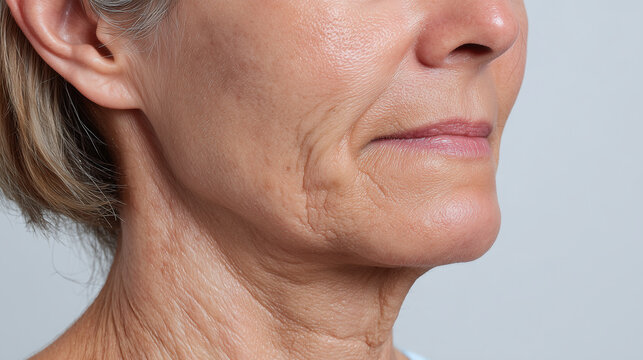
There comes a moment almost everyone has.
You’re washing your face, leaning a little closer to the bathroom mirror, and suddenly you notice a tiny line near your eye. Maybe it’s beside your mouth. Maybe it’s across your forehead.
Your first thought?
“Wait…was that there yesterday?”
Probably not. Or maybe it was, and you simply hadn’t noticed.
Fine lines have a funny way of arriving quietly. They don’t announce themselves. They don’t appear overnight. Instead, they slowly become more noticeable after years of smiling, laughing, working late, skipping sunscreen once too often, and simply…living.
Here’s the encouraging part.
Fine lines aren’t something to fear. They’re one of the earliest signs that your skin is changing, and the earlier you understand what’s happening, the easier it is to care for your skin in a way that keeps it looking healthy for years.
Let’s talk about what actually causes fine lines, and, more importantly, what really helps.
First Things First. What Are Fine Lines?
Fine lines are shallow creases that form on the skin’s surface.
Unlike deeper wrinkles, they’re often only visible when your face moves or when your skin becomes dehydrated. They’re usually the first noticeable signs of skin aging.
You’ll commonly see them around:
- The eyes (crow’s feet)
- Forehead
- Between the eyebrows
- Around the mouth
- Neck
- Upper lip
Think of your skin like a brand-new cotton T-shirt.
Fresh out of the package, it’s smooth and firm. After hundreds of washes, it softens, stretches, and develops little folds. It still works perfectly, it simply tells the story of time.
Your skin behaves much the same way.
Why Are People Getting Fine Lines Earlier?
Here’s something dermatologists have noticed over the past decade.
Many people are spotting fine lines in their mid-20s instead of their late 30s.
That sounds alarming until you understand why.
It’s usually not because skin is aging dramatically faster. Rather, modern lifestyles expose our skin to more stress than ever before.
Some of the biggest contributors include:
- Daily UV exposure
- Long hours staring at screens
- Air pollution
- Chronic stress
- Lack of quality sleep
- Processed diets
- Dehydrated skin
- Smoking and vaping
- Repeated facial expressions
Busy professionals often rush through skincare before heading to work. Students pull all-night study sessions. Parents rarely get uninterrupted sleep.
Life happens.
Your skin notices.
The Biggest Causes of Fine Lines
Sun Exposure: The Silent Troublemaker
If skincare had one golden rule, it would probably be this:
Protect your skin from the sun.
Ultraviolet rays slowly break down collagen and elastin, the proteins that keep skin firm and springy.
This damage doesn’t always show immediately.
Instead, it builds over years.
You may think, “I don’t spend much time outside.”
But sunlight reaches your skin while driving, walking into the office, hanging laundry, sitting near windows, or enjoying lunch outdoors.
Those small moments add up.
Dehydration Makes Everything More Visible
Have you ever noticed your skin looks tired after a long flight or a stressful week?
That’s often dehydration talking.
Dry skin can’t reflect light as evenly, so tiny lines become easier to see.
This doesn’t mean drinking one extra bottle of water will magically erase them.
Hydration works both inside and outside.
Using moisturisers with ingredients like hyaluronic acid and glycerin helps your skin hold onto water more effectively.
Collagen Naturally Slows Down
Around your mid-20s, collagen production gradually starts declining.
It’s a slow process.
You won’t wake up one birthday with dramatically older skin.
Instead, year after year, your skin becomes a little less firm.
This is completely normal.
Facial Expressions Aren’t the Enemy
People sometimes worry they’ll create wrinkles by smiling too much.
Honestly, that’s not a great reason to stop smiling.
Repeated facial movements do contribute to expression lines over time, but laughter, joy, and conversation are part of a life well lived.
The goal isn’t to freeze your face.
It’s to support healthy skin while living normally.
Stress Shows Up on Your Face
Stress hormones affect more than your mood.
Long periods of stress can disrupt your skin barrier, increase inflammation, reduce sleep quality, and encourage habits like rubbing your eyes or forgetting your skincare routine.
Sound familiar?
Modern life keeps many of us permanently switched on.
Your skin appreciates moments when you aren’t.
Fine Lines vs. Wrinkles
People often use these words interchangeably, but they’re not quite the same.
| Fine Lines | Wrinkles |
|---|---|
| Shallow | Deeper folds |
| Often temporary at first | Usually permanent |
| Easier to improve | Harder to reverse |
| Usually appear first | Develop later |
Fine lines often respond well to good skincare and healthy habits.
Deep wrinkles generally require professional treatments if someone wants dramatic improvement.
Ingredients Worth Looking For
Skincare shelves can feel overwhelming.
Every bottle promises younger-looking skin.
Not every ingredient deserves the hype.
These are the ones backed by solid research.
Retinol
Retinol remains one of the most studied ingredients for reducing fine lines.
It encourages skin cell turnover and supports collagen production.
If you’re new to it:
- Start slowly.
- Use it two or three nights each week.
- Always wear sunscreen the next morning.
More isn’t always better.
Consistency beats intensity.
Vitamin C
Vitamin C brightens skin while helping protect it from environmental damage.
Used in the morning beneath sunscreen, it can become one of the hardest-working products in your routine.
Hyaluronic Acid
This ingredient attracts water into the skin.
The result?
Skin often appears plumper, smoother, and healthier almost immediately.
It’s especially helpful if dehydration is making your fine lines look worse than they really are.
Peptides
Peptides are short chains of amino acids that help support your skin’s natural repair processes.
Think of them as gentle encouragement rather than instant fixes.
Results take time.
Niacinamide
Niacinamide is one of those ingredients that seems to get along with almost everyone.
It helps strengthen the skin barrier, improves texture, reduces redness, and supports healthier-looking skin overall.
Habits That Quietly Speed Up Fine Lines
Sometimes it isn’t what you’re putting on your skin.
It’s what you’re doing every day.
Common habits include:
- Sleeping in makeup
- Forgetting sunscreen
- Smoking
- Frequent tanning
- Not moisturizing
- Poor sleep
- High sugar intake
- Constant face rubbing
- Using harsh cleansers
- Over-exfoliating
Ironically, using too many skincare products can sometimes leave skin looking worse.
More products don’t automatically mean better skin.
A calm, consistent routine often wins.
A Simple Morning Routine
Morning skincare doesn’t need twelve steps.
Here’s a practical routine.
- Gentle cleanser
- Vitamin C serum
- Lightweight moisturizer
- Broad-spectrum SPF 30 or higher
That’s it.
If you’re rushing out the door with coffee in one hand and your laptop in the other, simplicity makes consistency easier.
Evening Is When Skin Gets to Work
At night, your skin naturally shifts into repair mode.
A good evening routine might include:
- Gentle cleanser
- Retinol (a few nights weekly)
- Hydrating serum
- Moisturizer
If you’re using retinol, patience matters.
Visible improvements often take several weeks or even months.
Lifestyle Changes That Matter More Than People Expect
Sleep
Beauty sleep sounds like an old saying.
There’s actually truth behind it.
Your skin repairs itself while you sleep.
Consistently getting enough rest supports healthier-looking skin over time.
Eat More Colour
Fruits and vegetables provide antioxidants that help your body manage oxidative stress.
Aim for colourful meals rather than perfect ones.
No single smoothie can erase fine lines, but healthy eating supports your skin from the inside out.
Stay Active
Exercise improves circulation.
Better blood flow helps deliver oxygen and nutrients throughout the body—including your skin.
You don’t need marathon training.
Regular walks count.
Manage Stress
No one eliminates stress.
That’s unrealistic.
Finding small moments to slow down- reading, stretching, praying, journaling, spending time outdoors, or simply putting your phone away for half an hour- can benefit both your mind and your skin.
Common Myths About Fine Lines
Myth: Expensive skincare always works better.
Price doesn’t guarantee results.
Some affordable products contain the same active ingredients found in luxury brands.
Myth: You only need sunscreen at the beach.
UV rays reach your skin during ordinary days too.
Clouds don’t block all ultraviolet radiation.
Myth: Drinking lots of water removes fine lines.
Hydration supports healthy skin.
But it doesn’t erase established lines by itself.
Topical hydration matters too.
Myth: Natural products are always safer.
Natural doesn’t automatically mean gentle.
Poison ivy is natural.
So is sunlight.
Patch testing new products is always a smart idea.
When Professional Treatments May Help
Sometimes skincare reaches its limits.
If fine lines continue bothering you despite consistent skincare, treatments from a qualified dermatologist or licensed skincare professional may be worth discussing.
Options can include:
- Chemical peels
- Microneedling
- Laser resurfacing
- Prescription retinoids
- Neuromodulator injections for dynamic expression lines
- Skin resurfacing procedures
Professional treatments work best alongside a good daily routine—not instead of one.
Frequently Asked Questions
Can fine lines disappear completely?
Very early dehydration lines often improve significantly with hydration and moisturizers. Age-related fine lines usually soften rather than disappear completely.
At what age do fine lines start?
Many people notice them between ages 25 and 35, although genetics, sun exposure, and lifestyle can make them appear earlier or later.
Is retinol safe for beginners?
Yes, when introduced gradually. Start with a low strength, use it only a few nights each week, and apply sunscreen every morning.
Does sunscreen really make that much difference?
Absolutely.
Daily sunscreen remains one of the most effective ways to slow premature skin aging.
Can men get fine lines too?
Of course.
Everyone’s skin changes over time.
The underlying biology is the same, although skin thickness, shaving habits, and hormones can influence how those changes appear.
The Bottom Line
Fine lines aren’t a sign that you’ve done something wrong.
They’re part of being human.
Every smile, every late-night conversation, every laugh with friends, every season spent outdoors leaves a small imprint. That’s life. Still, healthy skin isn’t about chasing perfection or trying to erase every expression from your face.
The real goal is to keep your skin strong, well cared for, and protected.
A gentle cleanser. Daily sunscreen. Moisturizer. Proven ingredients like retinol and vitamin C. Better sleep when you can get it. A diet rich in colourful foods. Those simple habits, repeated consistently, often make a bigger difference than the latest viral skincare trend.
Your skin doesn’t expect perfection.
It responds to consistency.
And years from now, your future self will probably be grateful that you started today.