Beautiful hair usually gets all the attention. We admire shiny curls, smooth straight strands, thick ponytails, and glossy waves. But here’s the thing, none of that happens without a healthy scalp.
Think of your scalp as the soil in a garden. You can buy the most expensive seeds and water them every day, but if the soil is dry, unhealthy, or packed with weeds, nothing grows the way it should. Hair works much the same way.
Many people spend hundreds of dollars on hair masks, leave-in conditioners, and styling products while barely thinking about what’s happening underneath. Then they wonder why their hair feels thin, breaks easily, or refuses to grow past a certain length.
If that sounds familiar, you’re not alone.
Students juggling deadlines, young professionals rushing through busy mornings, career women balancing meetings, and moms trying to care for everyone else often put scalp care at the bottom of the list. It’s understandable. Life gets busy. Washing your hair quickly seems good enough.
Yet a few small changes can make a surprising difference.
This guide explains everything you need to know, from understanding your scalp type to building a routine that supports stronger, healthier hair. No complicated routines. No miracle promises. Just practical advice backed by science and everyday experience.
Why Your Scalp Matters More Than You Think
Your scalp is living skin.
It contains thousands of hair follicles, oil glands, blood vessels, sweat glands, and a community of microorganisms known as the scalp microbiome. Together, they create the environment where every strand of hair begins.
When this environment stays balanced, hair grows through stronger follicles and maintains better moisture.
When it doesn’t, problems often appear first on the scalp before showing up in your hair.
A neglected scalp can contribute to:
- Excess oil
- Dryness
- Flaking
- Itching
- Redness
- Product buildup
- Weak hair growth
- Increased hair shedding
- Hair breakage
Interestingly, healthy hair isn’t always a sign of a healthy scalp. Someone may have shiny hair while quietly dealing with inflammation beneath the surface.
That’s why dermatologists often examine the scalp before focusing on the hair itself.
Your Scalp Is Talking. Are You Listening?
Your scalp gives clues long before bigger problems appear.
Some signals are obvious.
Others are easy to ignore.
It feels itchy all the time
An itchy scalp doesn’t automatically mean dandruff. It could result from dryness, allergies, product buildup, eczema, psoriasis, or even stress.
Your roots become oily within a day
Overactive sebaceous glands may be producing too much oil.
Sometimes harsh shampoos actually make this worse. Strip away too much natural oil, and your scalp responds by producing even more.
A bit ironic, isn’t it?
Flakes keep showing up
Not all flakes are dandruff.
Small white flakes usually point toward dryness.
Larger yellow flakes often suggest excess oil or seborrheic dermatitis.
Knowing the difference matters because each needs different care.
Hair seems thinner than before
Hair shedding can happen for many reasons: stress, illness, hormones, nutrition, or genetics, but scalp inflammation may also play a role.
Ignoring persistent shedding rarely helps.
What Causes Scalp Problems?
There isn’t usually one single reason.
More often, several factors stack together.
Product buildup
Dry shampoo.
Hair spray.
Leave-in creams.
Heat protectants.
Texturising powders.
Over time, these products collect around follicles, making the scalp feel heavy and irritated.
Overwashing
Yes, washing too much can be a problem.
Frequent washing with harsh cleansers removes protective oils faster than the scalp can replace them.
Underwashing
On the other hand, stretching washes too far allows oil, sweat, dead skin cells, and pollution to build up.
Finding balance matters more than following strict rules.
Hormones
Pregnancy, postpartum recovery, menopause, puberty, and conditions like PCOS all affect oil production.
Many women notice significant scalp changes after giving birth.
Stress
Honestly, stress affects nearly every part of the body.
The scalp is no exception.
High stress levels can contribute to increased shedding and irritation.
Weather
Cold winters often lead to dry scalps.
Hot, humid summers usually increase oil production and sweat.
Your routine shouldn’t stay the same all year.
First, Figure Out Your Scalp Type
Before buying another shampoo, ask yourself a simple question:
“What kind of scalp do I actually have?”
Oily Scalp
Signs include:
- Greasy roots within 24 hours
- Flat-looking hair
- Frequent buildup
Look for lightweight clarifying shampoos.
Dry Scalp
Common signs:
- Tight feeling
- Small white flakes
- Itching
- Dull hair
Gentle moisturising products usually work better.
Combination Scalp
Oily near the roots.
Dry through the lengths.
Sound familiar?
Many people fit this category.
Sensitive Scalp
Products sting.
Fragrance irritates.
Your scalp becomes red easily.
Simple ingredient lists are often your friend.
Building a Simple Scalp Care Routine
The best routine is the one you’ll actually follow.
Step 1: Cleanse Properly
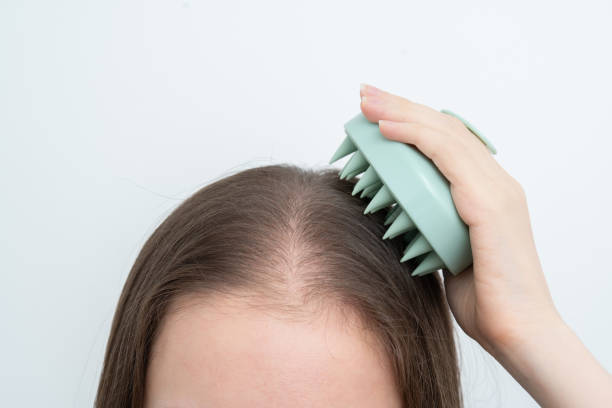
Focus shampoo on the scalp, not the ends.
Use your fingertips.
Not your nails.
Massage gently for one to two minutes.
This removes oil without damaging the skin.
Step 2: Rinse Thoroughly
Leftover shampoo causes more problems than people realise.
Take an extra minute.
It’s worth it.
Step 3: Condition the Hair
Conditioner belongs mainly on the mid-lengths and ends.
Applying heavy conditioner directly onto the scalp can increase buildup for some people.
Step 4: Dry Carefully
Avoid aggressive towel rubbing.
Pat instead.
A microfiber towel reduces friction.
Step 5: Protect Before Styling
Heat styling isn’t automatically harmful.
Repeated high heat without protection is.
Heat protectants reduce damage to both hair and, indirectly, the scalp by helping preserve healthier strands.
Shampoo Shopping Doesn’t Have to Be Confusing
Walk into any beauty store, and you’ll see shelves packed with choices.
Volumizing.
Strengthening.
Hydrating.
Clarifying.
Repairing.
Colour-safe.
Anti-frizz.
It feels endless.
Instead of chasing marketing claims, pay attention to ingredients and your scalp’s needs.
A gentle sulfate-free shampoo may help dry or sensitive scalps.
Clarifying shampoos remove buildup but shouldn’t usually be used every day.
Those with dandruff may benefit from active ingredients such as zinc pyrithione alternatives where available, ketoconazole, selenium sulfide, or salicylic acid, depending on the cause and medical advice.
Should You Exfoliate Your Scalp?
You know what?
Many people don’t realise the scalp can benefit from occasional exfoliation.
Just not too often.
Scalp exfoliation removes:
- Dead skin cells
- Excess oil
- Product buildup
- Sweat residue
There are two main types.
Physical exfoliants use fine particles.
Chemical exfoliants use ingredients like salicylic acid.
Chemical options are often gentler when used correctly.
Once every one or two weeks is enough for most people.
What About Scalp Oils?
Hair oils have become incredibly popular.
Some deserve the attention.
Some don’t.
Lightweight oils may help reduce dryness and improve comfort.
Common choices include:
- Rosemary oil blends
- Jojoba oil
- Argan oil
- Squalane
- Coconut oil for certain hair types
Remember, oil isn’t a treatment for every scalp issue.
If your scalp is already oily or inflamed, adding more oil may not help.
Food Matters More Than Most People Realise
Hair doesn’t grow from expensive products alone.
Your follicles need nutrients every single day.
A balanced eating pattern that includes protein, healthy fats, iron-rich foods, zinc, omega-3 fatty acids, and vitamins A, C, D, E, and several B vitamins supports healthy hair growth.
Hydration matters too.
No, drinking one glass of water won’t suddenly fix a dry scalp.
But staying consistently hydrated supports healthy skin throughout the body.
Stress Shows Up in Your Hair
Ever noticed more hair shedding after exams, moving house, or a particularly stressful season at work?
That’s common.
The body often shifts resources during prolonged stress, and hair growth may slow while shedding temporarily increases.
Simple stress-management habits- walking, regular exercise, mindfulness, prayer or meditation, journaling, and good sleep- can support overall well-being and may indirectly benefit scalp health.
Your Scalp Changes with the Seasons
Spring
Wash away winter buildup.
Introduce lighter products.
Summer
Sweat increases.
UV exposure rises.
Wear hats when spending long periods outdoors.
Wash after heavy sweating.
Autumn
Hair shedding often feels more noticeable.
Gentle hydration becomes important again.
Winter
Indoor heating dries the skin.
Switch to richer moisturising products if needed.
Avoid very hot showers.
They feel wonderful.
Your scalp usually disagrees.
Everyday Habits That Can Hurt Your Scalp
Sometimes the biggest problems come from habits we barely notice.
These include:
- Sleeping with wet hair regularly
- Wearing extremely tight hairstyles every day
- Scratching aggressively
- Sharing combs and brushes
- Ignoring scalp irritation for months
- Using very hot water
- Applying heavy products directly to follicles
- Rarely cleaning brushes and combs
Tiny adjustments often make a bigger difference than buying another expensive product.
Five Common Scalp Myths
“Hair grows faster if you wash it less.”
Not necessarily.
Healthy growth depends on genetics, hormones, nutrition, and scalp health—not avoiding shampoo.
“Natural always means better.”
Natural ingredients can still trigger allergies.
Patch testing remains important.
“Dandruff means your scalp is dry.”
Sometimes.
But oily dandruff is actually quite common.
“More shampoo cleans better.”
Usually not.
One thorough wash is often enough.
“Hair oil fixes everything.”
It doesn’t.
Different scalp conditions need different solutions.
When Should You See a Dermatologist?
Most scalp concerns improve with a consistent routine.
Still, don’t ignore symptoms that persist.
Seek professional evaluation if you notice:
- Heavy hair shedding lasting more than a few months
- Painful sores
- Bleeding
- Thick crusts
- Sudden bald patches
- Severe itching
- Persistent redness
- Signs of infection
- Scalp symptoms that don’t improve with over-the-counter care
Early treatment often leads to better outcomes.
Final Thoughts
Healthy hair begins long before you pick up a curling iron or smooth on a styling cream. It starts at the scalp, the place every strand calls home.
You don’t need a shelf full of products or an hour-long routine. A gentle cleanser, the right shampoo for your scalp type, occasional exfoliation, thoughtful styling habits, balanced nutrition, and a little patience can go a long way.
Remember, scalp care isn’t about chasing perfection. It’s about consistency. Some weeks will be better than others, especially if you’re balancing work deadlines, school assignments, parenting, or simply trying to keep up with everyday life. That’s okay.
Pay attention to what your scalp is telling you. Adjust your routine when the seasons change. Give new products time to work instead of switching every week. And if something doesn’t feel right, don’t hesitate to seek advice from a healthcare professional.
Treat your scalp like the foundation it is. When it’s healthy, your hair has the best chance to look and feel its strongest, for months and years to come.