Something is frustrating about spending time on your hair only to have it feel dry, rough, or brittle a few hours later. Maybe your curls have lost their bounce. Maybe your straight hair has become frizzy no matter what serum you use. Or perhaps you’ve noticed more breakage every time you brush.
If any of that sounds familiar, you’re not alone.
Hair damage affects almost everyone at some point. Heat styling, colouring, tight hairstyles, pollution, stress, and even changing seasons all leave their mark. The good news? While you can’t magically heal split ends, you can improve the condition of damaged hair, prevent further breakage, and help new hair grow stronger than before.
Let’s talk about what actually works, and what doesn’t.
What Is Damaged Hair?
Hair looks simple, but it’s surprisingly complex.
Each strand has three layers, with the outer layer (called the cuticle) acting like tiny overlapping roof shingles. When the cuticle lies flat, hair feels smooth and reflects light beautifully.
When those protective layers become lifted or broken, problems begin.
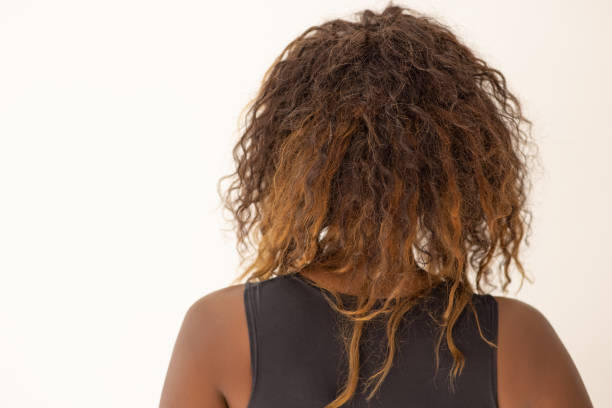
Damaged hair often becomes:
- Dry
- Dull
- Frizzy
- Tangled
- Brittle
- Difficult to style
- Prone to split ends
- More likely to snap during brushing
Here’s the thing: hair is technically dead tissue. Once a strand grows out from your scalp, it can’t repair itself the way skin does. Hair care products don’t “heal” damage. Instead, they temporarily patch weak spots, protect the strand, and improve its appearance while healthy hair grows in.
That may sound disappointing, but it’s actually empowering. Once you understand how damage happens, you can stop making it worse.
Why Hair Gets Damaged
Damage usually isn’t caused by one big mistake.
It’s the small things repeated week after week.
Heat Styling
Flat irons can reach temperatures above 400°F (204°C).
At those temperatures, moisture inside the hair shaft evaporates quickly. Over time, repeated heat weakens the cuticle and reduces elasticity.
Blow dryers, curling irons, hot brushes, and even frequent diffusing can contribute if heat protection isn’t used.
Chemical Treatments
Hair colour, bleach, relaxers, perms, and keratin treatments all change the hair’s structure.
Bleach is especially harsh because it removes natural pigment while breaking down protective proteins.
That’s why bleached hair often feels rougher than untreated hair.
Environmental Stress
Sunlight doesn’t just affect skin.
UV rays slowly weaken hair proteins. Add wind, humidity, chlorine, saltwater, and pollution, and your hair has plenty to deal with throughout the year.
Summer vacations are fun.
Your hair might disagree.
Mechanical Damage
Sometimes the damage comes from everyday habits.
Examples include:
- Brushing aggressively
- Tight ponytails
- Rough towel drying
- Sleeping on cotton pillowcases
- Hair ties with metal parts
- Constant touching
None seems dramatic alone.
Together, they matter.
How Can You Tell If Your Hair Is Damaged?
Some signs appear gradually.
Others seem to happen overnight.
Watch for these clues:
- Ends split easily
- Hair feels rough
- Strands snap before stretching
- More shedding during brushing
- Persistent frizz
- Lack of shine
- Difficulty holding styles
- Knots form quickly
- Hair dries unusually fast
Healthy hair should bend slightly before breaking.
Damaged hair often snaps almost immediately.
Can Damaged Hair Be Repaired?
Yes, and no.
That sounds contradictory, but let me explain.
Existing damage cannot permanently reverse.
Split ends won’t fuse permanently.
Broken protein structures won’t regenerate.
However, modern hair care products can temporarily rebuild weak areas, smooth the cuticle, reduce breakage, and dramatically improve how hair looks and feels.
Meanwhile, your scalp continues growing fresh, healthy hair.
Think of it like repairing an old wooden fence.
You can sand rough areas, paint over weathered spots, and reinforce weak sections, but replacing rotten boards is still necessary eventually.
Hair works much the same way.
Build a Hair Repair Routine That Actually Works
You don’t need twenty products.
Consistency beats complexity almost every time.Step 1: Use a Gentle Shampoo
Avoid harsh cleansing every day.
Look for shampoos with moisturising ingredients rather than strong detergents if your hair feels dry.
Most people with damaged hair benefit from washing two to four times weekly, depending on hair type and lifestyle.
Step 2: Never Skip Conditioner
Conditioner isn’t optional.
It replaces lubrication lost during washing, reduces friction, and makes hair easier to comb.
Apply mainly to the mid-lengths and ends.
Step 3: Deep Condition Weekly
This is where noticeable improvements often begin.
Deep conditioning masks provide concentrated moisture and conditioning agents that stay on longer than regular conditioners.
Leave them on according to directions rather than overnight unless the product specifically recommends it.
Step 4: Add Leave-In Protection
Leave-in conditioners help:
- Reduce tangles
- Control frizz
- Add softness
- Protect against daily wear
- Improve manageability
Busy mornings become much easier.
Step 5: Seal Ends with Hair Oil
Hair oils don’t moisturise hair directly.
Instead, they reduce moisture loss and add lubrication.
Only a few drops are usually enough.
Too much leaves hair looking greasy rather than healthy.
Protein or Moisture? Why You Need Both
This confuses many people.
Protein strengthens hair.
Moisture improves flexibility.
Too much protein can leave hair stiff.
Too much moisture can make it overly soft and stretchy.
Healthy hair needs balance.
Signs you need more protein include:
- Hair breaks easily
- Hair feels mushy when wet
- Excessive elasticity
Signs you need more moisture include:
- Dry texture
- Frizz
- Rough ends
- Lack of softness
Many quality repair masks combine both.
Heat Styling Without Starting Over
You don’t have to abandon your favourite styling tools forever.
Just use them more wisely.
A few habits make a huge difference:
- Always apply heat protectant
- Lower temperature whenever possible
- Avoid multiple passes
- Let hair air dry partially first
- Reserve high heat for special occasions
Honestly, many people discover they like their hair better after reducing heat.
It often becomes shinier within weeks.
Natural Oils That Can Help
Natural oils won’t reverse damage, but they can improve softness and reduce breakage.
Popular choices include:
Coconut Oil
Helps reduce protein loss in many hair types.
Excellent before shampooing.
Argan Oil
Lightweight and rich in antioxidants.
Adds shine without feeling heavy.
Jojoba Oil
Similar to the scalp’s natural oils.
Works well for finer hair.
Avocado Oil
Rich in nourishing fatty acids.
Helpful for coarse, dry hair.
Ingredients Worth Looking For
Product labels can feel overwhelming.
Focus on ingredients backed by good evidence.
Look for:
- Hydrolyzed keratin
- Hydrolysed wheat protein
- Ceramides
- Glycerin
- Panthenol (Vitamin B5)
- Shea butter
- Amino acids
- Squalane
- Argan oil
- Coconut oil
These ingredients often improve softness, reduce breakage, and smooth damaged cuticles.
Eat for Healthier Hair
Hair health starts at the scalp.
A balanced diet supports stronger new growth.
Include plenty of:
Protein
Hair is mostly protein.
Choose:
- Eggs
- Fish
- Chicken
- Beans
- Lentils
- Greek yogurt
Healthy Fats
Omega-3 fats help support scalp health.
Good sources include:
- Salmon
- Sardines
- Walnuts
- Chia seeds
- Flaxseeds
Iron
Low iron can contribute to increased hair shedding.
Foods include:
- Spinach
- Lean beef
- Pumpkin seeds
- Lentils
Vitamin C
Supports collagen production and iron absorption.
Enjoy:
- Oranges
- Kiwi
- Strawberries
- Bell peppers
Zinc
Supports normal hair growth.
Find it in:
- Nuts
- Seeds
- Seafood
- Whole grains
Hydration matters too.
Water won’t directly moisturise hair strands, but staying hydrated supports overall scalp health.
Habits That Quietly Cause More Damage
Sometimes it isn’t the expensive colour appointment causing problems.
It’s everyday routines.
Watch out for:
- Sleeping with wet hair
- Tight buns every day
- Brushing from roots downward
- Washing with extremely hot water
- Skipping trims
- Overusing dry shampoo
- Constantly changing hair colour
- Picking at split ends
Little improvements add up surprisingly fast.
When Should You Get a Trim?
Many people avoid trimming because they want longer hair.
Ironically, avoiding trims often leads to more breakage.
Split ends continue splitting upward if ignored.
A small trim every eight to twelve weeks helps keep damage from spreading.
Think of trimming as protecting your progress rather than losing length.
How Long Does Hair Repair Take?
Results depend on how damaged your hair is.
Many people notice:
After one week
- Softer texture
- Less frizz
After one month
- Improved shine
- Easier detangling
- Less breakage
After three months
- Stronger new growth
- Fewer split ends
- Better elasticity
After six months
Consistent routines often produce noticeably healthier hair overall.
Patience really matters here.
Hair grows only about half an inch each month.
Frequently Asked Questions
Can split ends be repaired permanently?
No. Products can temporarily smooth split ends, but trimming is the only permanent solution.
Is coconut oil good for damaged hair?
For many people, yes. Coconut oil may help reduce protein loss and improve softness, especially when used before shampooing.
Should damaged hair be washed less often?
Not necessarily. Focus on using gentle products and conditioning well rather than avoiding washing altogether.
Does brushing damage hair?
It can if done roughly. Use a wide-tooth comb or a brush designed for detangling, and begin at the ends before working upward.
Is expensive hair care always better?
No. Many affordable shampoos, conditioners, and masks contain effective ingredients. Consistent use matters far more than price.
Final Thoughts
Damaged hair can feel discouraging, especially when you’ve tried product after product without seeing lasting results. But healthy hair isn’t built overnight, and it rarely comes from a single miracle treatment.
Small habits- using less heat, conditioning regularly, eating a balanced diet, protecting your hair while you sleep, and trimming damaged ends- work together over time. The goal isn’t perfection. It’s steady improvement.
Your hair tells the story of the care it receives month after month. Treat it gently, give it the moisture and strength it needs, and be patient with the process. Before long, you’ll likely notice what matters most: fewer broken strands, smoother texture, more shine, and hair that simply feels healthier every time you run your fingers through it.