One day your favourite moisturiser feels amazing.
The next? It stings.
Your cheeks turn red after washing your face. Sunscreen burns. A serum that everyone on TikTok swears by leaves your skin angry for days.
Sound familiar?
If so, you’re far from alone. Sensitive skin is incredibly common, especially among students juggling late nights, busy professionals spending hours in air conditioning, new moms with changing hormones, and anyone who has tried “fixing” their skin by layering too many products.
Here’s the interesting part: sensitive skin isn’t always a skin type. Often, it’s a condition. That means your skin can become more reactive because its protective barrier has been weakened by weather, stress, over-exfoliation, harsh products, or even lack of sleep.
The good news?
Most sensitive skin improves when you stop trying to do everything and start doing the right things.
Let’s talk about how.
First Things First, What Is Sensitive Skin?
Sensitive skin reacts more easily than normal skin.
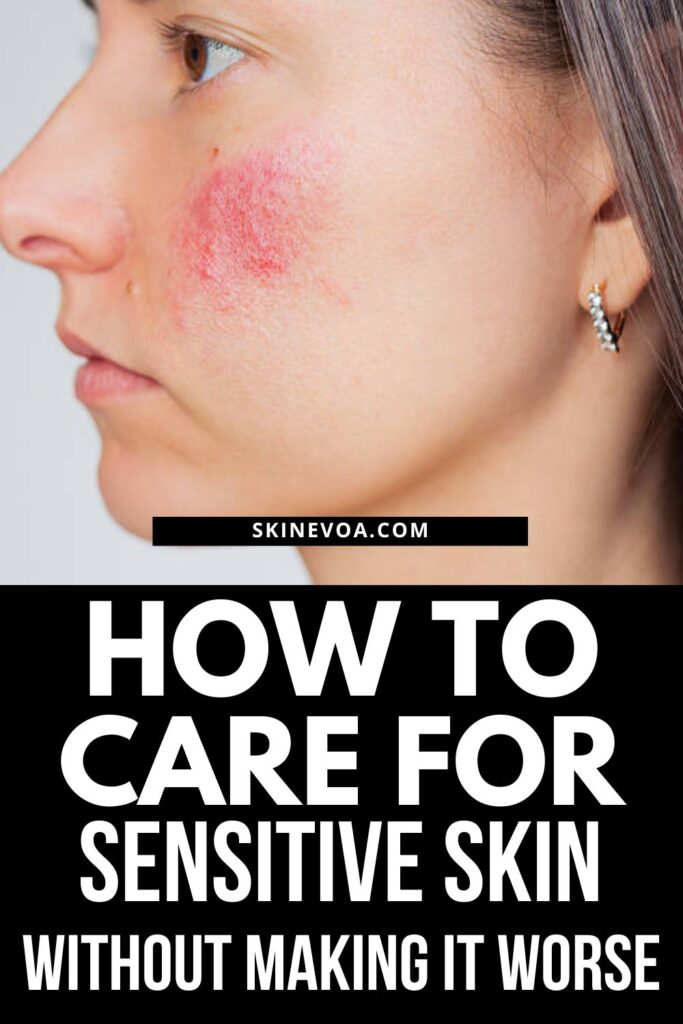
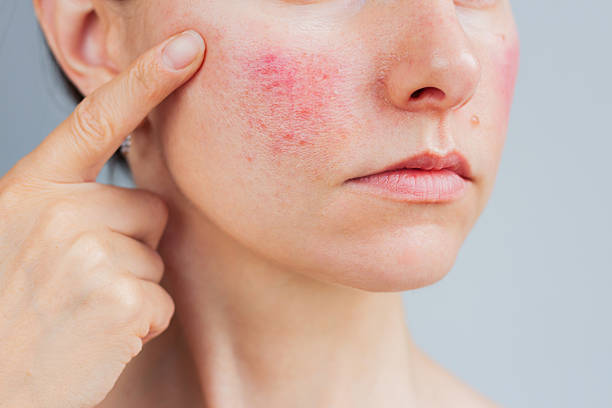
That reaction might look like:
- Burning after applying skincare
- Redness that lingers
- Itching
- Tightness
- Dry patches
- Stinging after cleansing
- Products suddenly “not agreeing” with your skin
Sometimes the reaction lasts only a few minutes.
Sometimes it hangs around for days.
People often think sensitivity means dry skin, but oily skin can be sensitive too. In fact, acne-prone skin is frequently over-treated with strong ingredients, leaving the skin barrier damaged and reactive.
Here’s the thing: sensitivity is your skin’s way of asking for a break.
Meet Your Skin Barrier (The Hero Nobody Talks About)
Imagine your skin is a brick wall.
The skin cells are the bricks.
Natural lipids, including ceramides, are the mortar holding everything together.
When that wall is healthy:
- Moisture stays inside.
- Irritants stay outside.
- Your skin feels comfortable.
When it becomes damaged, tiny gaps appear.
Water escapes.
Pollution sneaks in.
Fragrance becomes irritating.
Even plain water can sting.
This is why dermatologists often focus less on “fixing redness” and more on rebuilding the skin barrier first. Ceramides, glycerin, panthenol, and colloidal oatmeal are among the ingredients most commonly recommended because they support barrier repair while calming irritation.
Why Does Skin Suddenly Become Sensitive?
Honestly, it’s rarely just one thing.
Sometimes it’s a combination of small habits that slowly wear your skin down.
Common causes include:
- Over-exfoliating
- Using multiple active ingredients together
- Harsh cleansers
- Fragrance-heavy products
- Weather changes
- Air conditioning
- Sun exposure
- Hormonal shifts
- Stress
- Allergies
- Skin conditions like eczema or rosacea
You know what?
Sometimes the newest skincare trend is the very thing causing the problem.
More isn’t always better.
Your Morning Routine Doesn’t Need Ten Steps
If your skin is reactive, simplicity usually wins.
Step 1: Use a Gentle Cleanser
Your cleanser should leave your face feeling clean—not squeaky.
Look for:
- Cream cleansers
- Fragrance-free formulas
- Low-foam products
- Glycerin
- Ceramides
Some people with very dry, sensitive skin don’t even need cleanser every morning. A rinse with lukewarm water can be enough.
Step 2: Apply a Hydrating Serum (Optional)
If your skin feels dehydrated, try one calming ingredient rather than several.
Good options include:
- Hyaluronic acid
- Panthenol (Vitamin B5)
- Centella asiatica
- Low-strength niacinamide
Think of this as giving your skin a glass of water before sealing it in.
Step 3:Moisturisee
This is where barrier repair happens.
A good moisturiser should contain ingredients like:
- Ceramides
- Glycerin
- Cholesterol
- Fatty acids
- Squalane
Rich doesn’t always mean greasy.
Modern barrier creams can feel surprisingly lightweight.
Step 4: Never Skip Sunscreen
Sensitive skin and UV damage are not friends.
Choose:
- SPF 30 or higher
- Fragrance-free formulas
- Products labelled for sensitive skin
Daily sunscreen doesn’t just help prevent ageing.
It also reduces inflammation triggered by UV exposure.
Nighttime Is Repair Time
Evening skincare should help your skin recover, not challenge it.
A simple routine looks like this:
Cleanser.
Moisturizer.
That’s it.
If your barrier feels damaged, resist the temptation to add five treatment products.
Sometimes less really is more.
Ingredients Sensitive Skin Usually Loves
Ceramides
These naturally occur in healthy skin and help strengthen the protective barrier.
Think of them as replacing missing pieces in a puzzle.
Colloidal Oatmeal
This ingredient has been trusted for decades because it calms itching, redness, and irritation while helping protect the skin. It’s ever recognised as an over-the-counter skin protectant in the United States.
Glycerin
Simple.
Affordable.
One of the best humectants available.
It attracts water into the skin without causing unnecessary irritation.
Panthenol (Vitamin B5)
Panthenol hydrates while helping the skin recover from irritation.
It’s a quiet performer, not flashy, but remarkably dependable.
Niacinamide
Not everyone tolerates high concentrations.
However, lower concentrations are often well suited to sensitive skin and may help support the skin’s own barrier function over time.
Centella Asiatica (Cica)
Popular in Korean skincare, Centella helps calm redness while supporting healing.
It’s become a favourite for people recovering from over-exfoliation.
Ingredients to Be Careful With
Not every ingredient is “bad.”
Timing matters.
If your skin barrier is already compromised, consider pressing pause on:
- High-strength retinoids
- Strong AHAs
- Frequent BHA exfoliation
- Physical scrubs
- Alcohol-heavy toners
- Essential oils
- Fragrance
- Highly perfumed skincare
You can always reintroduce active ingredients later once your skin has settled.
The Patch Test Everyone Skips
We’ve all been there.
Excited about a new serum.
Open it.
Apply it everywhere.
Regret it by bedtime.
Instead:
Apply a small amount behind your ear or along your jawline.
Wait 24–48 hours.
No reaction?
Then slowly introduce it to your whole face.
It’s a tiny habit that can save weeks of irritation.
What About Makeup?
Sensitive skin doesn’t mean giving up makeup.
It simply means being more selective.
Look for:
- Fragrance-free foundations
- Clean brushes
- Fresh mascara every three months
- Gentle micellar water
- Non-irritating removers
And never sleep in makeup.
Your future skin will thank you.
Seasonal Changes Matter More Than You Think
Winter usually means:
- Dryness
- Tightness
- More moisturizer
Summer often brings:
- Sweat
- Sunscreen reapplication
- Lighter moisturizers
Rainy seasons can create another challenge.
Humidity feels hydrating, but constant sweating can irritate already sensitive skin.
Adjust your routine instead of using the same products all year.
Lifestyle Habits That Quietly Affect Your Skin
Skincare doesn’t end at your bathroom mirror.
Sometimes the biggest improvements come from everyday habits.
Try to:
- Sleep consistently
- Drink enough water
- Reduce unnecessary stress
- Wash pillowcases weekly
- Clean makeup brushes
- Avoid very hot showers
- Keep indoor humidity comfortable if possible
No, these habits won’t magically erase sensitivity overnight.
But together, they help create an environment where your skin can recover.
Popular Products Worth Looking At
You don’t need luxury skincare.
Many dermatologist-favourite products are available at drugstores.
Brands commonly recommended for sensitive skin include:
- CeraVe
- Cetaphil
- La Roche-Posay
- Avène
- Vanicream
- Bioderma
Focus less on the logo and more on the ingredient list.
A simple moisturiser you’ll actually use every day is often more valuable than an expensive serum sitting half-finished on your shelf.
Common Mistakes That Keep Sensitive Skin Stuck
Let’s be honest.
Many of us have done at least one of these.
- Buying products because they’re trending
- Layering five active ingredients together
- Changing your routine every week
- Washing with very hot water
- Scrubbing redness away
- Ignoring sunscreen
- Using heavily fragranced skincare
Consistency almost always beats complexity.
When Should You See a Dermatologist?
Sensitive skin can usually be managed at home.
However, it’s worth booking an appointment if you notice:
- Persistent burning
- Severe itching
- Cracked skin
- Bleeding
- Frequent rashes
- Swelling
- Symptoms lasting several weeks
- Suspected eczema, rosacea, or allergic reactions
A dermatologist can identify whether you’re dealing with ordinary sensitivity or an underlying skin condition that needs specific treatment.
Frequently Asked Questions
Can sensitive skin become normal again?
Often, yes. If the sensitivity is caused by a weakened skin barrier rather than an underlying medical condition, gentle care and barrier repair can significantly reduce symptoms over time.
Is sensitive skin always dry?
No. Oily, combination, and acne-prone skin can all be sensitive.
Should I exfoliate?
Yes, but carefully. Wait until your skin barrier feels healthy again, then exfoliate gently and infrequently.
Does natural skincare mean it’s safer?
Not necessarily.
Natural ingredients like essential oils, citrus extracts, and botanical fragrances can still trigger irritation.
How many products do I really need?
A gentle cleanser, moisturiser, and sunscreen form the foundation for most people. Additional products should solve a specific concern rather than add unnecessary complexity.
Final Thoughts
Sensitive skin can feel unpredictable, especially when products that worked yesterday suddenly sting today. But most of the time, your skin isn’t trying to make life difficult; it’s sending a clear signal that its protective barrier needs support.
Start with the basics: a gentle cleanser, a fragrance-free moisturiser rich in barrier-supporting ingredients like ceramides and glycerin, and a broad-spectrum sunscreen every morning. Resist the urge to chase every trend or add multiple active ingredients at once. Give your routine time to work.
Healthy skin rarely comes from doing more. It usually comes from doing the right things consistently.