
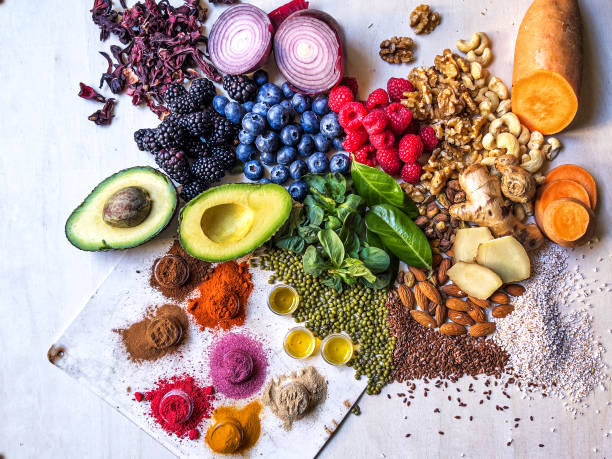
Let’s start with something simple.
You’re tired, but not just “I need a nap” tired. More like… foggy, sluggish, slightly irritable for no obvious reason. Your skin might be acting up. Your energy dips mid-afternoon. You wake up feeling like you didn’t quite reset overnight.
Sound familiar?
A lot of that, more than people realize, can trace back to chronic, low-grade inflammation. Not the dramatic kind (like swelling after an injury), but the quiet, persistent kind that hums in the background.
And here’s the thing: your food plays a bigger role than you think.
Not in a restrictive, punishing way. Not in a “perfect diet” way. But in small, consistent, almost boring choices that stack up over time.
Let me explain.
So, What Is Inflammation, Really?
Inflammation isn’t the villain. It’s actually your body doing its job.
Think of it like your internal security system. When something goes wrong, an infection, a cut, even intense stress, your body sends out signals to protect and repair.
That’s acute inflammation, and it’s helpful.
But when that system never quite switches off? That’s where things get messy.
Chronic inflammation has been linked to:
- Fatigue
- Hormonal imbalances
- Digestive issues
- Skin problems (hello, acne flare-ups)
- Long-term conditions like heart disease and diabetes
And no, you don’t need a diagnosis to feel its effects. Sometimes it just shows up as “I don’t feel like myself.”
Here’s the Slightly Uncomfortable Truth
You don’t need junk food to trigger inflammation.
That’s the part people miss.
Yes, ultra-processed foods can contribute, but so can:
- Chronic stress
- Poor sleep
- Skipping meals (and then overeating later)
- Too much caffeine, not enough hydration
- Even healthy foods, if your body doesn’t tolerate them well
So when we talk about anti-inflammatory foods, we’re not chasing perfection.
We’re building a baseline that supports your body instead of stressing it.
The Core Anti-Inflammatory Foods (The Ones That Actually Matter)
You don’t need a 50-item grocery list. You really don’t.
Most anti-inflammatory eating patterns come back to a handful of powerful, accessible foods.
1. Leafy Greens (Yes, They Deserve the Hype)
Spinach, kale, sukuma wiki, these aren’t just “healthy,” they’re nutrient-dense regulators.
They’re packed with:
- Antioxidants
- Fiber
- Magnesium (which helps with stress and sleep)
And honestly? You don’t need to love salads.
Toss them into:
- Smoothies
- Omelets
- Stir-fries
Done.
2. Fatty Fish (Your Brain Will Thank You)
Think salmon, sardines, mackerel.
These are rich in omega-3 fatty acids, which actively help reduce inflammation markers.
But here’s a practical note, if fresh fish isn’t always realistic (budget, access, time), canned options still work. Really well.
A quick sardine toast or tuna salad? That counts.
3. Berries (Small but Powerful)
Blueberries, strawberries, even local seasonal fruits.
They’re loaded with compounds that protect your cells from oxidative stress.
And here’s a little trick: frozen berries are just as good nutritionally, and way more convenient.
4. Healthy Fats (Not the Enemy Actually the Fix)
Avocados, olive oil, nuts, seeds.
For years, fat got a bad reputation. But the right fats are stabilizing.
They help:
- Balance blood sugar
- Support hormones
- Keep you full (which reduces stress-eating later)
A spoon of peanut butter. A drizzle of olive oil. A handful of groundnuts.
Simple. Effective.
5. Whole Grains (But Not All Are Equal)
Oats, brown rice, quinoa.
These provide steady energy, which matters more than people think.
Because blood sugar spikes and crashes? They quietly fuel inflammation.
6. Spices That Do More Than Taste Good
Turmeric, ginger, garlic.
These aren’t just flavor boosters, they’re functional.
Turmeric (especially with black pepper) has strong anti-inflammatory properties. Ginger helps with digestion. Garlic supports immunity.
And you don’t need to overthink it. Add them to everyday cooking.
7. Fermented Foods (Your Gut’s Best Friend)
Yogurt, kefir, fermented vegetables.
Your gut health plays a huge role in inflammation. A balanced gut = a calmer system overall.
Even a small daily serving helps.
“But I’m Busy” Let’s Make This Real
You don’t need a full meal prep Sunday.
You need a few systems.
Here’s what actually works in real life:
The 3-Part Plate Shortcut
Instead of complicated meal plans, think:
- Protein (fish, eggs, beans)
- Fiber (vegetables, whole grains)
- Healthy fat (avocado, oil, nuts)
That’s it. Build meals around that and you’re already ahead.
Keep “Emergency Healthy Foods” Around
Because life happens.
Stock:
- Boiled eggs
- Yogurt
- Fruits
- Nuts
- Leftover rice or sweet potatoes
So when you’re tired, you still have a decent option.
Smoothies = The Shortcut No One Talks About Enough
Honestly, smoothies are underrated.
Throw in:
- Spinach
- Banana
- Peanut butter
- Milk (or plant-based)
You’ve got a balanced, anti-inflammatory meal in under 5 minutes.
A Few Easy Meal Ideas (Nothing Fancy)
You don’t need gourmet recipes.
Just simple combinations that work:
- Oats + berries + nuts
- Rice + beans + avocado + sautéed greens
- Whole-grain toast + eggs + tomatoes
- Yogurt + fruit + seeds
- Stir-fried vegetables + chicken or tofu
That’s real life eating. Not Instagram-perfect, and that’s okay.
The Myth of “Perfect Anti-Inflammatory Eating”
Here’s where things get interesting.
Some people think anti-inflammatory eating means:
- No sugar ever
- No carbs
- No fun foods
That’s not only unrealistic, it can backfire.
Because stress (including food stress) also affects inflammation.
So yes, whole foods matter. But so does flexibility.
A balanced approach beats a rigid one every time.
Let’s Talk About Coffee, Sugar, and Reality
You don’t need to give up coffee.
You don’t need to eliminate sugar completely.
But here’s the nuance:
- Too much caffeine + poor sleep = inflammation trigger
- High sugar intake + low fiber = energy crashes
So instead of cutting everything out, adjust:
- Pair coffee with food
- Add protein to sweet meals
- Stay hydrated
Small shifts. Big impact.
A Slight Contradiction (That Actually Makes Sense)
You can eat “clean” and still feel off.
Why?
Because inflammation isn’t just about food.
It’s also:
- Stress levels
- Sleep quality
- Movement (or lack of it)
So yes, food matters, but it’s part of a bigger system.
Think of it like this: your body isn’t just reacting to what you eat. It’s reacting to how you live.
What This Looks Like Over Time
Not dramatic change.
Not overnight transformation.
But gradually:
- More stable energy
- Fewer crashes
- Clearer skin
- Better digestion
- A general sense of “I feel better, but I can’t pinpoint why”
That’s the real win.
If You’re Just Starting. Keep It Simple
Don’t overhaul everything.
Pick 2–3 small changes:
- Add vegetables to one meal a day
- Swap sugary snacks for fruit + nuts
- Drink more water
- Include healthy fats more consistently
That’s enough to begin.
Final Thought (The Part People Skip)
Anti-inflammatory eating isn’t a trend.
It’s a support system for your body.
And honestly? It shouldn’t feel like pressure.
It should feel like relief.
Less guessing. Less crashing. Less “why do I feel like this?”
More stability. More clarity. More ease.
And maybe, just maybe, you start to feel like yourself again.
