There’s something almost unfair about sunburn.
You spend a lovely afternoon at the beach, enjoy a family picnic, walk around campus between classes, or simply run errands on a sunny afternoon. Everything feels perfectly fine, until later.
Your skin starts feeling warm.
Then hot.
Then painfully tender.
By evening, even your favourite cotton T-shirt feels like sandpaper.
Sound familiar?
Sunburn is one of the most common skin injuries worldwide. While mild cases usually heal on their own, knowing how to treat sunburn fast can reduce pain, minimise inflammation, prevent complications, and help your skin recover sooner.
The good news? Most sunburns can be managed at home if you act quickly. The first few hours after getting burned matter more than many people realise.
Let’s walk through exactly what works and what doesn’t.
What Exactly Is Sunburn?
Sunburn is your skin’s inflammatory response after being damaged by the sun’s ultraviolet (UV) rays.
Most of the damage comes from UVB radiation, although UVA rays also play a role by penetrating deeper into the skin and contributing to premature aging.
Think of it like this.
Imagine your skin is a brick wall protecting your home. UV rays slowly chip away at those bricks. When too many rays hit at once, the wall becomes damaged, triggering your body’s emergency repair system.
That repair process causes:
- Redness
- Swelling
- Pain
- Warmth
- Tenderness
- Peeling later on
Unfortunately, a tan isn’t your skin becoming healthier. It’s actually a sign that your skin has already been injured and is trying to defend itself.
Why Do People Get Sunburned So Easily?
Honestly, it happens faster than most people expect.
Many people think they need hours in the sun to burn. That’s not always true.
Several factors affect how quickly your skin burns:
- Fair skin
- Light-colored eyes
- Blonde or red hair
- High UV Index
- Reflective surfaces like water, sand, or snow
- Higher altitude
- Certain medications
- Forgetting sunscreen
- Not reapplying sunscreen after swimming or sweating
Even on cloudy days, up to 80% of UV rays can still reach your skin.
That’s why people often come home surprised by an unexpected burn after an overcast afternoon.
Signs You’ve Got a Sunburn
Symptoms usually begin within 2 to 6 hours after sun exposure.
The burn often reaches its worst point between 12 and 24 hours later.
Common signs include:
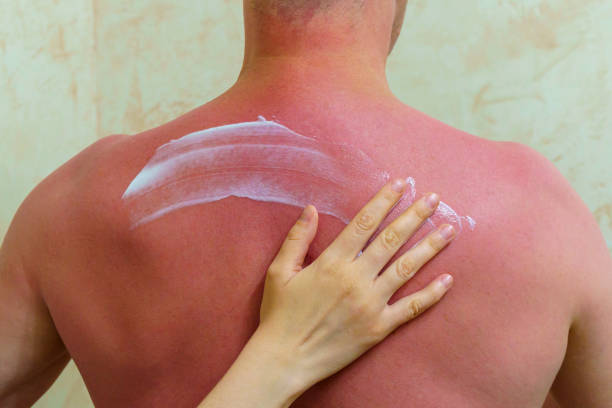
- Pink or bright red skin
- Warm or hot skin
- Pain when touched
- Tenderness
- Tight-feeling skin
- Mild swelling
- Itching
- Dryness
A more severe sunburn may also include:
- Large blisters
- Headache
- Fever
- Chills
- Nausea
- Dizziness
- Fatigue
- Dehydration
These symptoms deserve closer attention because they can signal a more serious injury.
The First Hour Matters: What to Do Immediately
Here’s the thing.
Many people wait until bedtime before treating a sunburn.
That’s a mistake.
Your skin continues reacting long after you’ve stepped indoors. Acting quickly can help reduce ongoing inflammation.
1. Get Out of the Sun Immediately
This sounds obvious, yet plenty of people stay outside after noticing redness.
The damage doesn’t stop simply because your skin feels warm.
Move indoors or into deep shade as soon as possible.
2. Cool the Skin
Cooling helps lower skin temperature and eases inflammation.
Try:
- A cool shower
- A cool bath
- A damp towel
- Cool compresses for 15–20 minutes
Avoid ice.
Ice can further damage already injured skin.
Cool, not freezing, is the goal.
3. Pat Dry Instead of Rubbing
After showering, gently pat your skin dry.
Leave a little moisture behind.
That leftover water helps moisturisers work better.
4. Moisturise Right Away
Don’t wait until your skin feels dry.
Apply a fragrance-free moisturiser while your skin is still slightly damp.
Look for ingredients like:
- Aloe vera
- Glycerin
- Ceramides
- Hyaluronic acid
- Colloidal oatmeal
These ingredients help restore your skin barrier and reduce moisture loss.
5. Drink More Water
Sunburn pulls fluid toward damaged skin.
That can leave the rest of your body slightly dehydrated.
Drink extra water throughout the day.
Fresh fruit with high water content, like watermelon, oranges, cucumbers, and strawberries, can also help.
It isn’t a miracle cure, but every little bit supports recovery.
The Best Home Remedies That Actually Help
Let’s separate helpful remedies from internet myths.
Some home treatments genuinely soothe sunburn.
Others simply make a mess.
Aloe Vera
Aloe vera remains one of the most trusted natural remedies.
It provides:
- Cooling relief
- Light hydration
- Temporary pain reduction
Choose products with a high percentage of pure aloe and minimal added fragrance or alcohol.
If you have an aloe plant at home, fresh gel from the leaf can also be soothing.
Cool Oatmeal Baths
Oatmeal isn’t only for breakfast.
Colloidal oatmeal helps calm irritated skin and reduce itching.
A lukewarm oatmeal bath for about 15 minutes can feel surprisingly comforting, especially if larger areas of your body are burned.
Fragrance-Free Moisturisers
Sometimes the simplest solution works best.
Keeping burned skin moisturised reduces tightness and supports healing.
Apply moisturiser several times a day.
Your skin will likely absorb more than usual.
Hydrating Foods
Recovery isn’t only about what goes on your skin.
Foods rich in:
- Vitamin C
- Water
- Antioxidants
- Healthy fats
can support your body’s natural repair processes.
Think colourful fruits, leafy greens, nuts, seeds, and fatty fish.
Rest
You know what?
People often overlook this part.
Healing takes energy.
If your body feels tired after a significant sunburn, listen to it.
Getting enough sleep gives your immune system more opportunity to repair damaged skin.
Products That May Help Sunburn Heal Faster
Not every skincare product belongs on sunburned skin.
In fact, some can make things worse.
Look for products designed to support sensitive or compromised skin.
Helpful ingredients include:
Ceramides
These strengthen your skin barrier and help lock in moisture.
Panthenol (Vitamin B5)
Panthenol is known for its soothing and moisturising properties.
It helps reduce dryness while supporting skin recovery.
Hyaluronic Acid
Despite the fancy name, it’s simply a powerful moisture-binding ingredient.
It attracts water to the skin and helps reduce that uncomfortable tight feeling.
Colloidal Oatmeal
Especially useful if your skin becomes itchy as it heals.
Hydrocortisone Cream
For mild inflammation, a low-strength hydrocortisone cream may provide short-term relief during the first day or two.
Avoid using it on broken or blistered skin unless advised by a healthcare professional.
What Makes Sunburn Worse?
Sometimes people accidentally slow their own recovery.
Avoid these common mistakes:
- Picking peeling skin
- Scrubbing with exfoliants
- Using retinol
- Using glycolic acid
- Using salicylic acid on badly burned areas
- Applying heavily fragranced lotions
- Taking very hot showers
- Wearing tight clothing
- Spending more time in direct sunlight
Your skin is already working overtime.
Give it a chance to recover before returning to your usual skincare routine.
Can You Pop Sunburn Blisters?
No.
Blisters act like your body’s natural bandage.
They protect the new skin growing underneath.
If a blister breaks on its own:
- Wash gently with mild soap and water.
- Apply a thin layer of petroleum jelly.
- Cover it with a clean, non-stick bandage.
- Watch for signs of infection, such as increasing redness, pus, or worsening pain.
How Long Does Sunburn Take to Heal?
This is probably one of the first questions people ask after getting burned.
The answer depends on how severe the burn is.
A mild sunburn may start feeling better within a few days, while a more serious one can take over a week, or even longer, to fully heal.
Here’s a general timeline:
| Sunburn Severity | Typical Healing Time |
|---|---|
| Mild redness | 3–5 days |
| Moderate redness with tenderness | 5–7 days |
| Severe sunburn with blisters | 7–14 days or longer |
You might notice that your skin actually looks worse the day after you got burned. That’s completely normal. Sunburn often peaks about 24 hours after UV exposure before it gradually begins to improve.
Why Does Sunburn Peel?
Peeling can feel frustrating, especially if you’ve been moisturising and taking good care of your skin. But it’s a natural part of the healing process.
When UV rays damage skin cells beyond repair, your body removes them and replaces them with new, healthy cells.
In other words, peeling is your skin’s cleanup crew at work.
As tempting as it is, don’t pull or peel loose skin. Doing so can expose sensitive new skin underneath, increase irritation, and even raise the risk of infection.
Instead:
- Keep the area moisturised.
- Let peeling happen naturally.
- Wear soft, breathable clothing.
- Continue protecting healing skin from the sun.
Can You Prevent Sunburn From Peeling?
Honestly, not always.
Once enough damage has occurred, peeling may happen regardless of what you do.
What you can do is make peeling less severe by keeping your skin hydrated from the beginning.
Focus on:
- Applying moisturiser several times a day
- Drinking plenty of water
- Avoiding long, hot showers
- Not scratching itchy skin
- Wearing loose cotton clothing
Think of moisturisers like adding water to dry soil. They won’t erase the damage, but they make the recovery process much smoother.
How to Relieve Sunburn Pain
Pain usually reaches its peak during the first 24 to 48 hours.
Fortunately, several simple strategies can make you much more comfortable.
Cool Compresses
A clean washcloth soaked in cool water can provide quick relief.
Apply it for 15 to 20 minutes several times throughout the day.
Avoid using ice directly on burned skin. It may seem like a good idea, but extreme cold can damage already stressed tissue.
Over-the-Counter Pain Relievers
If you’re otherwise healthy and can safely take them, over-the-counter pain relievers may help reduce discomfort and inflammation.
Follow the package directions, and speak with a healthcare professional if you have questions about which option is appropriate for you.
Stay Hydrated
Here’s something people don’t always connect with sunburn.
Burned skin draws fluid toward the damaged areas, which means your body may need extra hydration.
Besides water, you can include foods with high water content, such as:
- Watermelon
- Cucumbers
- Oranges
- Pineapple
- Tomatoes
- Strawberries
These foods won’t magically heal a sunburn, but they support your body’s recovery.
Wear Soft Clothing
Sometimes the smallest changes make the biggest difference.
Loose cotton shirts, breathable dresses, lightweight pyjamas, and soft fabrics reduce friction against sensitive skin.
If every movement hurts, your clothing may be part of the problem.
Should You Keep Moisturising?
Absolutely.
Moisturising isn’t just about comfort.
Healthy skin depends on a strong moisture barrier, and sunburn weakens that barrier.
Choose fragrance-free products designed for sensitive skin.
Look for ingredients like:
- Ceramides
- Glycerin
- Aloe vera
- Hyaluronic acid
- Panthenol
- Colloidal oatmeal
Avoid products that contain a lot of alcohol, strong fragrances, or exfoliating acids while your skin heals.
Skincare Ingredients to Avoid Until You’re Healed
If you already have a skincare routine, you may need to press pause on a few products.
Wait until your skin has fully recovered before using:
- Retinol
- Retinal
- Tretinoin
- Glycolic acid
- Salicylic acid
- Lactic acid
- Vitamin C serums that sting
- Physical scrubs
- Exfoliating brushes
- Strong chemical peels
These ingredients are excellent when your skin is healthy, but not when it’s trying to recover from a burn.
What About Makeup?
If your face is sunburned, wearing makeup can feel uncomfortable.
If possible, give your skin a day or two without foundation or heavy products.
If you need to wear makeup:
- Start with a gentle moisturiser.
- Choose lightweight formulas.
- Avoid products containing alcohol.
- Remove makeup carefully at the end of the day.
- Don’t scrub.
Your skin will thank you later.
When Is Sunburn Serious?
Most sunburns improve at home, but some require medical attention.
Seek medical care if you experience:
- Large blisters covering a significant area
- Severe swelling
- High fever
- Chills
- Persistent vomiting
- Confusion
- Difficulty staying awake
- Severe headache
- Fainting
- Signs of dehydration, such as dizziness or very dark urine
- Signs of infection, including increasing redness, pus, or worsening pain
Children, older adults, and people with certain medical conditions should be evaluated sooner if they develop a severe sunburn.
Can Sunburn Cause Permanent Skin Damage?
Unfortunately, yes.
Here’s the part many people don’t realise.
Even if your skin heals beautifully, the DNA inside skin cells may have been damaged by UV radiation.
Repeated sunburns increase the risk of:
- Premature wrinkles
- Dark spots
- Uneven skin tone
- Loss of skin elasticity
- Sunspots
- Certain types of skin cancer
That’s why preventing the next sunburn is every bit as important as treating the current one.
How to Protect Healing Skin
Freshly healed skin is especially sensitive to UV rays.
For the next several weeks:
- Wear sunscreen every day.
- Cover healing skin with lightweight clothing.
- Wear a wide-brimmed hat if your face was burned.
- Stay in the shade during the middle of the day.
- Reapply sunscreen every two hours when outdoors.
Even a short walk can expose healing skin to enough UV radiation to trigger another burn.
How to Prevent Future Sunburn
Let’s be honest.
Most of us have forgotten sunscreen at least once.
The goal isn’t perfection. It’s consistency.
A few simple habits make a huge difference.
Wear Broad-Spectrum Sunscreen Every Day
Choose:
- SPF 30 or higher
- Broad-spectrum protection
- Water-resistant if swimming or exercising
Apply sunscreen about 15 minutes before going outside and reapply every two hours, or sooner if you’re swimming or sweating.
Don’t Forget Commonly Missed Areas
People often remember their face but forget:
- Ears
- Neck
- Back of the hands
- Feet
- Scalp (if exposed)
- Lips
- Back of the legs
These areas burn surprisingly often.
Wear Protective Clothing
Clothing provides one of the simplest forms of sun protection.
Helpful options include:
- Long-sleeved lightweight shirts
- UV-protective clothing
- Sunglasses with UV protection
- Wide-brimmed hats
Sometimes covering your skin is easier than remembering another layer of sunscreen.
Check the UV Index
You know what?
A sunny day isn’t always the most dangerous day.
The UV Index tells you how intense ultraviolet radiation is, even when temperatures feel comfortable or clouds are overhead.
Checking it before heading outside takes only a few seconds and can help you plan smarter.
Don’t Skip Sunscreen Indoors
If you spend hours near windows, drive frequently, or work in a bright office with lots of natural light, daily sunscreen is still worth considering.
UVA rays can pass through standard window glass and contribute to skin aging over time.
Frequently Asked Questions About Treating Sunburn Fast
1. What’s the fastest way to treat a sunburn?
The quickest way to relieve a mild sunburn is to get out of the sun immediately, cool your skin with a cool shower or compress, apply a fragrance-free moisturiser or aloe vera gel, drink plenty of water, and avoid additional sun exposure until your skin heals.
While you can’t make a sunburn disappear overnight, acting within the first few hours can reduce discomfort and help your skin recover more efficiently.
2. Does aloe vera really help sunburn?
Yes. Pure aloe vera gel can provide a cooling sensation and help soothe irritated skin. While it won’t repair UV damage instantly, it may reduce discomfort and support your skin’s natural healing process.
Choose a product with minimal added fragrance or alcohol, as these ingredients can irritate sensitive skin.
3. Should I put ice on a sunburn?
No.
Applying ice directly to sunburned skin can reduce blood flow and may damage already injured tissue.
Instead, use:
- Cool (not cold) compresses
- A cool shower
- A lukewarm bath
These options lower skin temperature without causing additional irritation.
4. How long will my sunburn hurt?
Pain usually peaks within the first 24 to 48 hours.
Most mild sunburns become much more comfortable after two or three days, while severe burns may remain painful for a week or longer.
5. Can I stop my skin from peeling?
Not always.
Peeling is your body’s way of removing damaged skin cells. Keeping your skin moisturised and well hydrated may reduce the amount of peeling, but it won’t necessarily prevent it.
Never pull peeling skin. Let it shed naturally.
6. Is it okay to exercise with a sunburn?
If your sunburn is mild, light activity may be fine. However, intense exercise can increase body temperature, worsen discomfort, and contribute to dehydration.
If your skin feels hot, tight, or painful, giving yourself a rest day is often the better choice.
7. Can I swim with a sunburn?
It’s usually best to wait.
Chlorinated pools and saltwater can sting irritated skin, while additional sun exposure may make the burn worse.
Allow your skin time to recover before spending long periods in the water or the sun.
8. Should I moisturise peeling skin?
Yes.
Continue applying a gentle, fragrance-free moisturiser several times a day. Moisturised skin feels more comfortable and is less likely to crack or itch.
9. Can sunscreen make a sunburn worse?
No, provided you’re applying it to intact skin and using a product your skin tolerates well.
If your skin is blistered or extremely tender, covering up with lightweight clothing and staying in the shade may feel more comfortable than applying sunscreen until the skin settles.
10. Can one bad sunburn increase skin cancer risk?
Yes.
Research shows that repeated sunburns, especially blistering sunburns, can increase the risk of developing skin cancer later in life.
That’s one reason daily sun protection is so important, even if you don’t burn easily.
11. When should I see a doctor?
Seek medical attention if you develop:
- Large blisters covering much of your body
- Fever or chills
- Severe dehydration
- Confusion or fainting
- Persistent vomiting
- Severe swelling
- Increasing redness, pus, or signs of infection
These symptoms may indicate a more serious burn or complications that require medical care.
12. Can I use petroleum jelly on a fresh sunburn?
Not immediately.
During the first day, your skin is trying to release heat. Heavy occlusive products like petroleum jelly may trap heat against the skin.
Once the skin has cooled and begun healing, petroleum jelly can help protect dry or cracked areas, especially around broken blisters.
13. Does toothpaste help sunburn?
No.
This is a common internet myth.
Toothpaste contains ingredients meant for cleaning teeth, not soothing damaged skin. It may actually increase irritation or cause an allergic reaction.
Stick with products designed for sensitive skin instead.
14. Is coconut oil good for sunburn?
Not during the first stage.
Fresh sunburn is an inflammatory injury. Heavy oils may trap heat and make the skin feel more uncomfortable.
Wait until the initial heat and redness have settled before using richer moisturisers if your skin feels very dry.
15. Can I tan after my sunburn heals?
It’s better not to.
A tan is another sign of UV exposure, and healing skin is particularly vulnerable to further damage.
If you enjoy spending time outdoors, protect your skin with sunscreen, hats, sunglasses, and protective clothing instead.
Sunburn Myths vs. Facts
| Myth | Fact |
|---|---|
| A base tan protects you from sunburn. | A tan offers only minimal protection and still indicates skin damage. |
| You can’t get sunburned on cloudy days. | Up to 80% of UV rays can penetrate clouds. |
| Darker skin never burns. | While darker skin contains more melanin, it can still burn and experience UV damage. |
| Sunburn only happens in summer. | UV rays can damage skin year-round, even during cooler months. |
| Once redness fades, your skin is fully healed. | Deeper cellular repair continues long after visible redness disappears. |
Quick Sunburn Recovery Checklist
If you’re dealing with a mild sunburn, here’s a simple checklist to keep you on track:
Get out of the sun immediately
Take a cool shower or use a cool compress
Apply a fragrance-free moisturiser or aloe vera gel
Drink extra water throughout the day
Wear loose, breathable clothing
Avoid exfoliating acids and retinoids
Don’t pick peeling skin or pop blisters
Stay out of direct sunlight while healing
Apply sunscreen daily once your skin can tolerate it
Seek medical care if symptoms become severe
Key Takeaways
Sunburn may seem like a temporary inconvenience, but it’s your skin’s way of telling you it’s been injured. The sooner you begin treating it, the better your chances of reducing pain and supporting a smoother recovery.
Remember these essentials:
- Cool the skin; don’t use ice.
- Moisturise often with gentle, fragrance-free products.
- Stay hydrated inside and out.
- Avoid harsh skincare products until your skin heals.
- Protect healing skin from additional UV exposure.
- Watch for signs that require medical attention.
The best treatment for sunburn is still prevention. A daily broad-spectrum sunscreen, protective clothing, and a little shade during peak sunlight hours can save your skin a lot of discomfort and help protect it for years to come.
Conclusion
Almost everyone gets sunburned at some point. Maybe it happens during a beach vacation, a long afternoon watching your child’s soccer game, a weekend hike, or simply walking between classes. It happens quickly, and often when you least expect it.
The encouraging news is that most mild sunburns respond well to prompt care. Cooling your skin, restoring moisture, drinking plenty of water, and giving your body time to heal can make a noticeable difference in both comfort and recovery.
Think of sunburn as more than a temporary redness. It’s a reminder that your skin works hard to protect you every day. Treat it gently, give it what it needs to recover, and make sun protection part of your daily routine, not just something you remember on vacation.
Healthy skin isn’t about perfection. It’s about consistent habits that add up over time. A bottle of sunscreen by the front door, a hat in your bag, and a few extra minutes spent protecting your skin today can help prevent pain tomorrow.