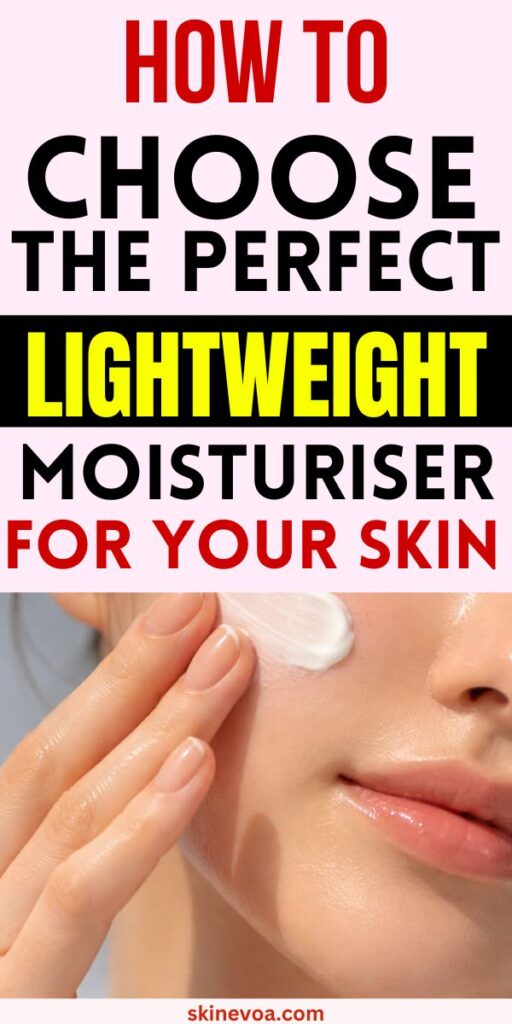
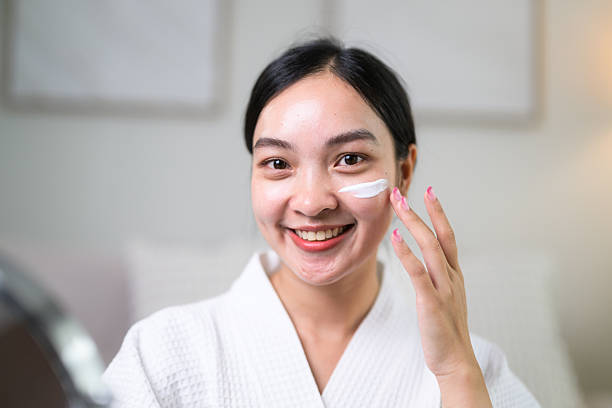
Finding a moisturiser should be simple. Yet somehow, the skincare aisle makes it feel like you’re sitting an exam. Gel creams, water creams, lotions, emulsions, barrier creams- the choices seem endless.
Here’s the thing: your skin doesn’t necessarily need a thick cream to stay healthy.
For many people, especially students rushing between lectures, young professionals spending hours in air-conditioned offices, busy mothers juggling work and family, and anyone living in warm, humid climates, a lightweight moisturiser can be exactly what the skin needs.
A good lightweight moisturiser hydrates without leaving your face shiny or sticky. It sinks in quickly, layers well under sunscreen and makeup, and helps your skin stay comfortable throughout the day.
Even better, modern lightweight formulas do much more than simply add moisture. Many help repair the skin barrier, calm irritation, reduce water loss, and support healthier-looking skin over time.
Let’s look at why they deserve a permanent place in your skincare routine.
Why Your Skin Still Needs Moisturiser, Even If It’s Oily
One of the biggest skincare myths refuses to disappear.
“My skin is already oily, so I don’t need moisturiser.”
It sounds logical.
It just isn’t true.
Your skin produces oil and holds water separately. Oil doesn’t automatically mean hydration. In fact, skin can be oily on the surface while still lacking enough water underneath.
When skin becomes dehydrated, it sometimes responds by producing even more oil. That creates a frustrating cycle:
- Skin feels greasy.
- You wash your face more often.
- Skin becomes dehydrated.
- Oil production increases again.
A lightweight moisturiser helps break that cycle by replacing moisture without overwhelming the skin.
Think of it like watering a houseplant. Too little water isn’t good. Too much isn’t good either. The goal is balance.
What Makes a Moisturiser “Lightweight”?
Not all moisturisers feel the same.
Some are rich enough for winter weather or very dry skin. Others disappear into the skin almost immediately.
Lightweight moisturisers usually come as:
- Gel moisturisers
- Gel-cream hybrids
- Lightweight lotions
- Water creams
- Emulsions
They typically contain more water than heavy creams while still including ingredients that help keep moisture where it belongs.
The result?
Hydrated skin that doesn’t feel like it’s wearing a mask.
Many people also notice that lightweight formulas absorb within seconds, making them perfect before applying sunscreen or foundation.
Who Benefits Most from Lightweight Moisturisers?
Almost everyone can use one, but certain lifestyles make them especially useful.
Students Always on the Move
Walking across campus, spending hours in libraries, commuting on public transport, it all affects your skin.
A lightweight moisturiser fits easily into a backpack, absorbs quickly between classes, and doesn’t leave your face looking shiny before that afternoon presentation.
When exam season arrives, and sleep becomes optional (or at least it feels that way), keeping your skin hydrated helps it look healthier even when you’re running on coffee.
Young Professionals
Office air conditioning is surprisingly drying.
One minute you’re outside in warm weather. The next you’re sitting under cool air for eight hours.
That constant shift can leave skin feeling tight by lunchtime.
A lightweight moisturiser creates a comfortable layer that helps reduce moisture loss without making your skin look oily during meetings or video calls.
And because most modern formulas work well under sunscreen, they fit neatly into a busy morning routine.
Career Women Balancing Busy Schedules
Some mornings move fast.
Breakfast.
School drop-off.
Traffic.
Emails before you’ve even reached the office.
Skincare needs to keep up.
A lightweight moisturiser simplifies your routine because it absorbs quickly, allowing sunscreen and makeup to glide on instead of pilling or separating.
Small convenience, big difference.
Busy Moms
Parents rarely have twenty-step skincare routines.
Most are happy if they manage three.
Cleanser.
Moisturiser.
Sunscreen.
That’s enough for many people.
A lightweight moisturiser helps maintain healthy skin without demanding extra time or effort.
People Living in Warm or Humid Climates
Humidity changes how products feel.
Heavy creams that feel comforting during winter can seem overwhelming in tropical weather.
That’s why lightweight moisturisers have become increasingly popular across many African, Asian, and coastal regions.
They provide hydration while allowing skin to feel fresh rather than coated.
Understanding Your Skin Type First
Buying a moisturiser before knowing your skin type is a bit like buying shoes without knowing your size.
It might work.
It probably won’t.
Let’s keep it simple.
Oily Skin
Look for:
- Gel moisturisers
- Oil-free formulas
- Non-comedogenic products
- Ingredients like niacinamide and hyaluronic acid
Avoid assuming that every oil-free moisturiser is automatically good. Some contain high amounts of drying alcohol, which can leave skin feeling stripped.
Combination Skin
This is probably the most common skin type.
Your forehead, nose, and chin may become oily while your cheeks stay comfortable, or even dry.
A lightweight lotion usually strikes the right balance.
If needed, you can always apply a little extra on drier areas.
Dry Skin
Dry skin can absolutely use lightweight moisturisers.
The trick is choosing formulas that contain ingredients like ceramides, glycerin, and squalane instead of relying only on water.
Some people even layer a lightweight moisturiser under a richer cream during colder months.
It sounds contradictory at first. In practice, it works surprisingly well.
Sensitive Skin
Sensitive skin appreciates simplicity.
Fragrance-free products often reduce the chance of irritation.
Patch testing any new skincare product for a couple of days before applying it across your face is still a smart habit.
Your skin has its own personality. Giving it time to respond saves a lot of frustration later.
Why Texture Matters More Than Many People Realise
Texture isn’t only about comfort.
It affects whether you’ll actually use the product every day.
A moisturiser that feels sticky may sit untouched on your bathroom shelf after a week.
One that absorbs in thirty seconds? You’ll probably reach for it every morning without thinking.
Consistency matters more than perfection.
Using a lightweight moisturiser every day generally produces better long-term results than applying a luxury cream once in a while because it feels too heavy.
And that’s an encouraging thought. Good skincare doesn’t have to be complicated or expensive.
The Ingredients That Actually Matter
Turn a moisturiser around, and you’ll probably find a long list of ingredients with names that sound more suited to a chemistry lab than your bathroom shelf. It can feel overwhelming, but you don’t need to understand every single ingredient to make a smart choice. Knowing a handful of key ones is often enough.
Hyaluronic Acid: The Moisture Magnet
Hyaluronic acid has become one of the most talked-about skincare ingredients, and for good reason. It attracts water to the skin, helping it look smoother and feel more comfortable.
Despite the word acid, it isn’t an exfoliating ingredient. Instead, it’s known for hydration. That’s why you’ll often find it in lightweight gel moisturisers designed for daily use.
If your skin feels tight after cleansing but becomes oily later in the day, hyaluronic acid can be especially helpful.
Glycerin: The Unsung Hero
Glycerin rarely gets the attention it deserves.
It’s one of the oldest and most reliable hydrating ingredients in skincare. It draws moisture into the skin, supports the skin barrier, and works well for almost every skin type.
Many affordable moisturisers rely on glycerin because it simply works.
Ceramides: The Barrier Builders
Think of your skin barrier as a brick wall.
Your skin cells are the bricks.
Ceramides are part of the “cement” holding those bricks together.
When ceramide levels drop, skin may feel dry, irritated, or more sensitive than usual. Moisturisers containing ceramides help reinforce that barrier, reducing moisture loss over time.
They’re particularly useful if you’ve started using active ingredients like retinol or exfoliating acids.
Niacinamide: The Multi-Tasker
Few ingredients wear as many hats as niacinamide.
It can help improve uneven skin tone, support the skin barrier, reduce excess oil, and calm redness. Better yet, it plays well with many other skincare ingredients, making it a popular addition to lightweight moisturisers.
For students and professionals dealing with stress-related breakouts or long hours indoors, niacinamide is often a welcome bonus.
Squalane: Lightweight Nourishment
Some people hear the word “oil” and immediately worry about clogged pores.
Squalane tends to challenge that assumption.
It’s lightweight, fast-absorbing, and helps lock in moisture without feeling greasy. Many moisturisers use plant-derived squalane to add softness without the heavy finish associated with richer oils.
Ingredients That May Not Suit Everyone
No ingredient is universally bad. Context matters. Your skin type, climate, and even the season can influence how a product feels.
Still, it’s worth paying attention to a few things.
Heavy Fragrance
A pleasant scent can make a product enjoyable, but heavily fragranced formulas may irritate sensitive skin. If your skin often reacts to new products, fragrance-free options are usually the safer choice.
Drying Alcohols
Not all alcohols are problematic. Fatty alcohols such as cetyl alcohol help moisturise and improve texture.
Simple alcohols, however, can dry out the skin when present in high amounts. If your skin already feels dehydrated, they may make matters worse.
Essential Oils
Natural doesn’t always mean gentle.
Some essential oils can irritate, particularly for people with eczema or sensitive skin. If you’ve had reactions before, keep ingredient lists simple.
Common Moisturising Mistakes
Sometimes the product isn’t the problem. The way it’s used can make all the difference.
Applying Moisturiser to Completely Dry Skin
Moisturisers work best when applied to slightly damp skin.
After washing your face, gently pat away excess water but don’t wait until your skin feels tight. Applying moisturiser while the skin is still slightly damp helps lock in hydration.
Using Too Much Product
More isn’t always better.
A pea-sized amount is often enough for the face. Applying too much can leave skin feeling sticky and may cause makeup or sunscreen to pill.
Skipping Moisturiser in Humid Weather
Warm weather doesn’t eliminate your skin’s need for hydration.
In fact, air conditioning, sun exposure, and frequent cleansing can all contribute to dehydration, even during hot months.
A lightweight formula solves this without making your skin feel weighed down.
Forgetting Your Neck
It’s easy to focus entirely on the face, but your neck is exposed to the same environmental stressors.
A little extra moisturiser takes only a few seconds to apply and helps keep your skincare routine consistent.
Building a Simple Morning Routine
A skincare routine doesn’t have to involve ten different products.
For most people, a straightforward routine is easier to maintain and often produces better results.
A typical morning routine looks like this:
- Cleanse with a gentle face wash.
- Apply a lightweight moisturiser.
- Finish with a broad-spectrum sunscreen.
That’s it.
If you wear makeup, allow the moisturiser to absorb for a minute or two before applying primer or foundation. This helps create a smoother finish and reduces the chance of products rolling or separating.
Evening Is When Your Skin Gets to Work
Night-time is a good opportunity to support your skin’s natural repair process.
After removing makeup and cleansing, apply your lightweight moisturiser. If you use treatment products such as retinol or exfoliating acids, follow the instructions for those products and finish with moisturiser if appropriate.
If your skin feels particularly dry during colder months, you can layer a richer cream over your lightweight moisturiser. It might sound like an extra step, but it can make a noticeable difference when the air is dry.
Lightweight Moisturisers Worth Considering
The “perfect” moisturiser doesn’t exist because everyone’s skin is different. A product that feels amazing on your friend’s skin might not suit yours. That said, a few moisturisers have earned a strong reputation for their gentle formulas, reliable hydration, and compatibility with different skin types.
For Oily and Acne-Prone Skin
If your skin becomes shiny a few hours after washing your face, look for oil-free, non-comedogenic formulas with a lightweight gel texture.
Some popular choices include:
- CeraVe PM Facial Moisturising Lotion – Despite the name, many people use it during the day as well. It contains ceramides, niacinamide, and hyaluronic acid in a lightweight lotion.
- Neutrogena Hydro Boost Water Gel – Known for its refreshing gel texture that absorbs quickly without leaving a greasy finish.
- La Roche-Posay Toleriane Double Repair Face Moisturiser supports the skin barrier while remaining comfortable for combination and oily skin.
For Combination Skin
Combination skin usually needs balance rather than heavy hydration.
Products with lotion or gel-cream textures tend to perform well because they hydrate dry areas without making the T-zone feel overly oily.
Popular options include:
- Cetaphil Daily Hydrating Lotion
- Beauty of Joseon Red Bean Water Gel
- Round Lab Birch Juice Moisturising Cream
These products are lightweight enough for everyday use while still helping the skin stay comfortable throughout the day.
For Dry Skin That Doesn’t Like Heavy Creams
Dry skin doesn’t automatically require thick, rich moisturisers.
Many people prefer layering lightweight hydration instead.
Good options include:
- CeraVe Moisturising Lotion
- Vanicream Daily Facial Moisturiser
- Aveeno Calm + Restore Oat Gel Moisturiser
These formulas combine hydration with ingredients that support the skin’s protective barrier.
For Sensitive Skin
Sensitive skin generally benefits from products with shorter ingredient lists and minimal fragrance.
Consider looking at:
- La Roche-Posay Toleriane Sensitive Fluide
- Avène Hydrance Aqua-Gel
- Cetaphil Moisturising Lotion
Remember, even highly recommended products can irritate some people. Patch testing remains one of the smartest habits in skincare.
Budget-Friendly Doesn’t Mean Low Quality
One of the nicest things about skincare today is that effective products are available across many price points.
A moisturiser doesn’t have to cost a fortune to work well.
Many pharmacy brands invest heavily in research and ingredient development, making them excellent choices for everyday use.
If you’re a student or managing a household budget, focus on ingredients rather than fancy packaging. A simple moisturiser with glycerin, ceramides, and hyaluronic acid often delivers excellent results without stretching your wallet.
Frequently Asked Questions
Can I use a lightweight moisturiser every day?
Yes. In fact, daily use is recommended for most skin types. Consistency helps maintain hydration and supports a healthy skin barrier.
Is a lightweight moisturiser enough during winter?
For many people, yes. If your skin becomes very dry, you can layer a richer cream over your lightweight moisturiser at night.
Will moisturiser make my skin oilier?
Not necessarily.
A well-formulated lightweight moisturiser hydrates the skin without adding excess grease. In some cases, keeping the skin properly hydrated may even reduce the appearance of excess oil over time.
Can I skip moisturiser if I wear sunscreen?
It depends on the sunscreen.
Some sunscreens provide enough hydration for oily skin, while others are designed primarily for sun protection. If your skin feels tight or dry, applying a lightweight moisturiser underneath is usually a good idea.
How long before I notice results?
You’ll often notice softer, more comfortable skin after the first few applications. Improvements in the skin barrier and overall texture usually become more noticeable after several weeks of consistent use.
Should men use lightweight moisturisers too?
Absolutely.
Healthy skin isn’t tied to gender. The same principles apply whether you’re a student, office worker, parent, or athlete.
Final Thoughts
Skincare doesn’t have to be complicated to be effective.
A lightweight moisturiser is one of the simplest additions you can make to your daily routine, yet it can have a lasting impact on your skin’s health and comfort. Whether you’re rushing to an early lecture, preparing for a busy day at the office, or balancing work and family responsibilities, a product that hydrates without feeling heavy can make your routine easier to stick with.
The key is choosing a formula that matches your skin type, contains proven hydrating ingredients, and feels comfortable enough to use every day. Consistency matters far more than having an overflowing skincare shelf.
Remember these key takeaways:
- Moisturising isn’t just for dry skin; every skin type benefits from proper hydration.
- Lightweight formulas absorb quickly, making them ideal for warm climates, busy mornings, and layering under sunscreen or makeup.
- Ingredients like glycerin, hyaluronic acid, ceramides, niacinamide, and squalane offer reliable hydration and help strengthen the skin barrier.
- A simple routine- cleanse, moisturise, and apply sunscreen- is enough for many people to maintain healthy-looking skin.
- Expensive products aren’t always better. A well-formulated, affordable moisturiser can deliver excellent results when used consistently.
At the end of the day, the best lightweight moisturiser is the one you’ll actually use. Find a formula that suits your skin, fits your budget, and feels good every time you apply it. Healthy, hydrated skin is built through small, consistent habits, not complicated routines.