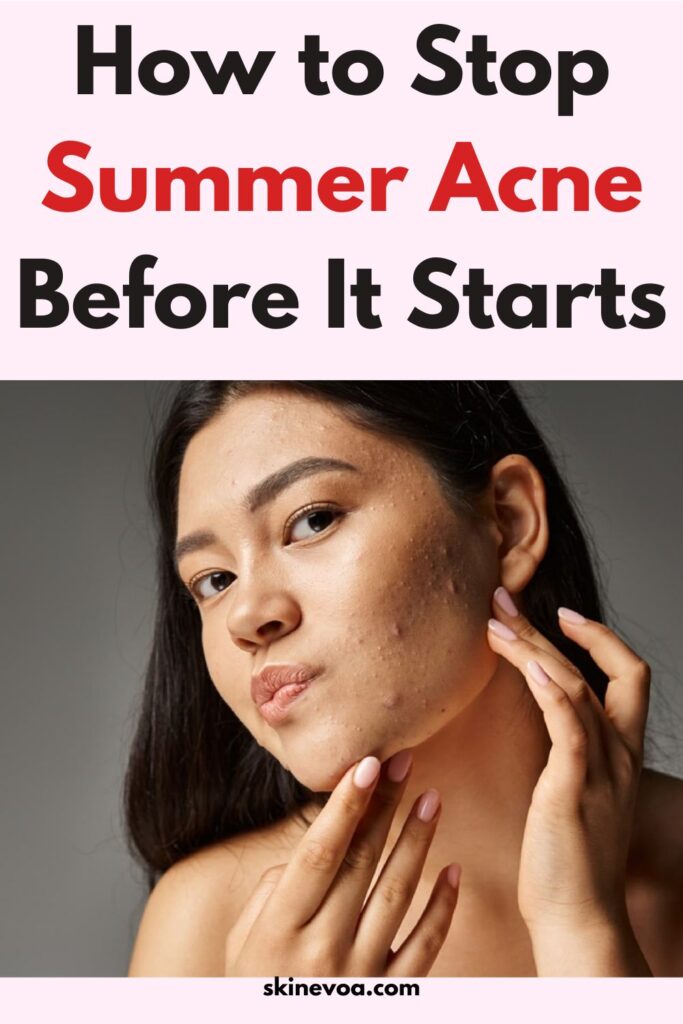

Summer has a way of making everything feel lighter. Longer days, beach trips, road adventures, outdoor brunches, and spontaneous evening walks- it all sounds perfect until your skin starts acting up.
One week your complexion looks calm and healthy. The next? Tiny bumps appear across your forehead. Your nose feels oily by lunchtime. Pimples seem to pop up overnight.
Sound familiar?
You’re definitely not alone.
Many people notice their acne gets worse during the hottest months of the year. Students rushing between classes, professionals commuting through the heat, busy moms chasing toddlers around the park—summer doesn’t discriminate. Heat, humidity, sweat, sunscreen, and excess oil create the perfect environment for clogged pores.
The good news is that summer acne isn’t something you simply have to accept.
Once you understand why it happens, preventing it becomes much easier. Small adjustments to your skincare routine, and even a few daily habits, can make a remarkable difference.
Let’s walk through everything you need to know about how to prevent summer acne without making your skincare routine complicated or expensive.
Why Does Summer Cause More Acne?
Here’s the thing.
Heat alone doesn’t cause acne.
Instead, it creates conditions that make breakouts much more likely.
During hot weather, your body naturally produces more sweat to cool itself down. At the same time, your sebaceous glands often produce more oil.
Sweat isn’t the enemy. Oil isn’t either.
The real problem starts when sweat, oil, sunscreen, dead skin cells, makeup, and environmental pollution mix together inside your pores.
Imagine trying to pour water through a kitchen sink that’s already full of grease and food scraps. Eventually, everything backs up.
Your pores work in a surprisingly similar way.
When they become blocked, acne-causing bacteria can multiply, leading to whiteheads, blackheads, inflamed pimples, and painful cysts.
Several summer habits can make things even worse:
- Sweaty workouts
- Wearing hats or helmets
- Touching your face more often
- Heavy makeup
- Thick moisturizers
- Humid weather
- Not washing sunscreen off properly
It’s rarely just one thing. More often, it’s several small factors stacking up over the course of the day.
Understanding Summer Acne
Not every bump that appears during summer is the same.
Knowing what you’re dealing with helps you choose the right treatment.
Whiteheads
Closed pores filled with oil and dead skin.
Blackheads
Open pores where trapped oil oxidises and turns dark.
Papules
Small, tender red bumps without visible pus.
Pustules
Classic pimples with white or yellow centres.
Cystic Acne
Large, painful breakouts deep beneath the skin that often require professional treatment.
Sweat-Related Folliculitis
Sometimes people think they have acne when it’s actually inflamed hair follicles caused by heat, moisture, and yeast overgrowth.
The treatment isn’t always identical, which is why persistent breakouts deserve a closer look if home care isn’t helping.
15 Smart Ways to Prevent Summer Acne
1. Wash Your Face But Don’t Overdo It
Honestly, washing your face five times a day won’t give you clearer skin.
It usually does the opposite.
Over-cleansing strips away natural oils, encouraging your skin to produce even more oil to compensate.
Stick to washing your face twice daily and after heavy sweating.
Choose a gentle cleanser rather than something that leaves your skin feeling tight or squeaky clean.
2. Switch to a Lightweight Moisturiser
A common misconception is that oily skin doesn’t need moisturiser.
Actually, dehydrated skin often produces more oil.
Look for lightweight gel or water-based moisturisers labelled:
- Oil-free
- Non-comedogenic
- Fragrance-free (if you’re sensitive)
Your skin still needs hydration, even during a heatwave.
3. Wear Sunscreen Every Single Day
You know what?
Some people skip sunscreen because they think it causes acne.
Older formulas sometimes did.
Today’s lightweight sunscreens are much better.
Choose products labelled:
- Non-comedogenic
- Oil-free
- SPF 30 or higher
- Broad-spectrum protection
Sunburn causes inflammation, and inflamed skin often struggles to heal acne marks.
4. Cleanse After Sweating
After exercising or spending time outdoors, try not to let sweat dry on your skin for hours.
You don’t always need a full shower immediately.
Even rinsing your face or using a gentle cleanser can remove salt, oil, and bacteria before they settle into your pores.
5. Skip Heavy Makeup
Summer is a great excuse to let your skin breathe a little.
Instead of full-coverage foundation, consider:
- Tinted sunscreen
- Mineral powder
- Lightweight BB cream
Less product means less chance of clogged pores.
6. Exfoliate Carefully
Exfoliation removes dead skin cells before they become trapped inside pores.
But more isn’t better.
Two or three times a week is enough for most people.
Chemical exfoliants like salicylic acid often work better for acne-prone skin than harsh scrubs.
7. Use Salicylic Acid
If summer acne is your biggest skincare battle, salicylic acid deserves a permanent place in your routine.
Because it’s oil-soluble, it can travel inside pores where many cleansers can’t.
That makes it especially useful for:
- Blackheads
- Whiteheads
- Oily skin
- Congested pores
8. Keep Your Hands Off Your Face
It sounds simple.
It’s surprisingly difficult.
Phones, keyboards, steering wheels, shopping carts- we touch countless surfaces every day.
Each time you rest your chin in your hand, you transfer oil, dirt, and bacteria.
Small habit.
Big difference.
9. Wash Pillowcases Frequently
Your pillow collects:
- Sweat
- Hair products
- Skin oils
- Dust
- Dead skin
Changing pillowcases every three to four days can noticeably reduce facial breakouts.
10. Clean Your Phone
Think about how often your phone touches your face.
Now think about everywhere your phone has been.
Exactly.
A quick disinfecting wipe once a day is a surprisingly effective acne prevention habit.
11. Stay Hydrated
Drinking water won’t magically cure acne.
That’s a common myth.
But hydration supports your skin barrier and helps it function properly.
Especially during hot weather, replacing lost fluids matters.
12. Wear Breathable Clothing
Tight synthetic fabrics trap sweat.
Loose cotton and moisture-wicking athletic materials allow your skin to breathe.
This is especially helpful for chest and back acne.
13. Shower Soon After Exercise
Letting sweat sit for hours gives oil and bacteria more time to collect.
If possible, shower within 30 minutes after workouts.
Use a gentle body wash if body acne is a concern.
14. Choose Hair Products Carefully
Hair oils and styling creams often migrate onto your forehead.
This is sometimes called pomade acne.
During summer, lighter hair products can help reduce forehead breakouts.
15. Be Consistent
Here’s a small contradiction.
The best acne routine isn’t the fanciest one.
It’s the one you’ll actually follow.
Consistency beats perfection almost every time.
Your Ideal Morning Summer Skincare Routine
A simple routine usually works best.
- Gentle cleanser
- Vitamin C serum (optional)
- Lightweight moisturizer
- SPF 30–50 sunscreen
That’s it.
No ten-step routine required.
Your Evening Routine
Nighttime is when your skin begins repairing itself.
A balanced evening routine could look like this:
- Remove sunscreen and makeup.
- Cleanse thoroughly.
- Apply a salicylic acid or retinoid product on alternate nights if tolerated.
- Use a lightweight moisturiser to support the skin barrier.
If you’re introducing active ingredients, start slowly, perhaps two or three nights a week, and increase only if your skin remains comfortable.
Summer Skincare Mistakes That Can Make Acne Worse
Sometimes it’s not what you add to your routine but what you do without realising it.
Common mistakes include:
- Sleeping in makeup after a long day.
- Reapplying sunscreen without first blotting away excess sweat and oil.
- Scrubbing pimples aggressively.
- Picking or popping blemishes.
- Using products that are too drying.
- Layering too many active ingredients at once.
- Forgetting to clean makeup brushes and sponges.
Many people think their skin needs stronger products when it becomes oily. Ironically, stripping away too much oil can leave your skin irritated and encourage even more oil production. Gentle, consistent care often works better.
Can Your Diet Affect Summer Acne?
Food isn’t the sole cause of acne, but diet may play a supporting role for some people.
Research suggests that certain eating patterns may influence breakouts, although responses vary from person to person.
Foods that support overall skin health include:
- Colourful fruits and vegetables rich in antioxidants.
- Fatty fish like salmon for omega-3 fats.
- Whole grains.
- Nuts and seeds.
- Beans and lentils.
- Plenty of water throughout the day.
Some people notice fewer breakouts when they reduce sugary drinks, highly processed snacks, or foods with a high glycemic index. Others find dairy affects their skin, while many notice no difference at all. Keeping a simple food and skin journal for a few weeks can help you spot your own patterns instead of following internet trends blindly.
Summer Acne Tips for Every Skin Type
Oily Skin
If your skin becomes shiny within a few hours, focus on controlling excess oil without over-drying it.
Helpful choices include:
- Gel cleansers.
- Niacinamide serum.
- Salicylic acid.
- Lightweight gel moisturiser.
- Oil-free sunscreen.
Blotting papers can also be handy during long days without disturbing sunscreen or makeup.
Dry Skin
Dry skin can still develop acne.
The goal is to protect your skin barrier while keeping pores clear.
Look for hydrating cleansers, moisturisers with ceramides or hyaluronic acid, and acne treatments used only as needed to avoid irritation.
Combination Skin
Combination skin often means an oily T-zone and drier cheeks.
You may benefit from applying oil-control products only where they’re needed instead of across your entire face.
Sensitive Skin
Sensitive skin needs a slower approach.
Choose fragrance-free products whenever possible.
Introduce one new product at a time and give your skin a couple of weeks before deciding whether it’s helping.
When Is It Time to See a Dermatologist?
Most mild summer breakouts improve with a thoughtful skincare routine.
However, it’s worth scheduling an appointment if:
- Acne is painful or cystic.
- Breakouts leave dark marks or scars.
- Over-the-counter products haven’t helped after about two to three months of consistent use.
- Acne is affecting your confidence or daily life.
- You suspect your bumps might actually be folliculitis or another skin condition.
A dermatologist can recommend prescription treatments, evaluate underlying causes, and tailor a plan to your skin.
Frequently Asked Questions
Does sweating cause acne?
Not directly. Sweat itself isn’t the problem. Acne develops when sweat mixes with oil, dead skin cells, sunscreen, and bacteria, increasing the chance of clogged pores.
Should I wash my face every time I sweat?
After heavy sweating, yes. A gentle cleanse or even a rinse with lukewarm water can help remove sweat and oil before they build up.
Is sunscreen bad for acne-prone skin?
Not if you choose the right one. Look for a lightweight, non-comedogenic sunscreen that’s designed for the face.
Can humidity make acne worse?
Yes. High humidity often increases oil production and sweating, which can make clogged pores more likely.
Will drinking more water cure acne?
No. Water isn’t a cure for acne, but staying hydrated supports your skin’s natural barrier and overall health.
Final Thoughts
Learning how to prevent summer acne isn’t about chasing flawless skin or buying every trending product on social media. It’s about understanding how your skin behaves when temperatures rise and giving it the support it needs.
A gentle cleanser, a lightweight moisturiser, daily sunscreen, consistent cleansing after sweating, and a few smart habits can go a long way. Progress may not happen overnight, and that’s okay. Skin responds best to routines you can stick with, not routines that look impressive on a bathroom shelf.
If you notice occasional breakouts this summer, don’t be discouraged. Adjust your routine, stay patient, and give your skin time to respond. Small, steady changes often lead to the biggest improvements, leaving you with healthier, clearer skin that feels comfortable no matter how hot the season gets.