
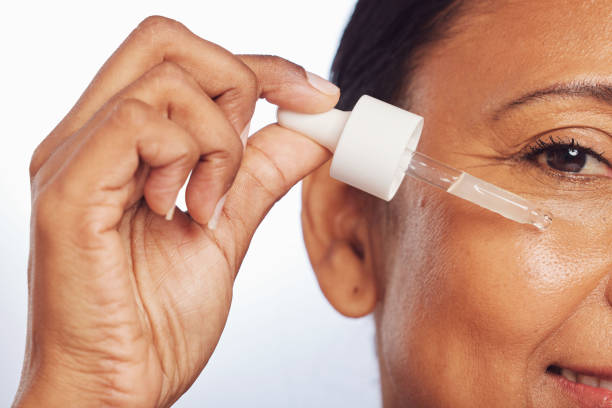
If there were a skincare ingredient with something close to celebrity status, retinol would probably top the list. Scroll through skincare videos, ask a dermatologist, or browse the beauty aisle, and you’ll see it everywhere.
There’s a reason for that.
Retinol has decades of research behind it. It can soften fine lines, improve uneven skin tone, reduce acne breakouts, fade dark spots, and help skin look smoother over time. Dermatologists have recommended vitamin A derivatives for years because they consistently deliver results when used correctly.
The tricky part?
Many people quit before they ever see those results.
Maybe their skin became dry after the first week. Maybe they layered it with three other strong products because someone on social media said they should. Or perhaps they expected overnight changes and felt disappointed when nothing dramatic happened.
Here’s the thing: retinol isn’t difficult, but it does reward patience.
This guide explains exactly how to use retinol correctly, avoid the common mistakes, and build a routine that actually works, whether you’re a student on a budget, a busy professional, or a mom trying to squeeze skincare into a hectic evening.
What Is Retinol?
Retinol is a form of vitamin A, belonging to a family of ingredients known as retinoids.
Your skin converts retinol into retinoic acid, the active form that encourages skin cells to renew themselves more efficiently.
Think of your skin like a workplace.
Older skin cells are employees who should have retired months ago but keep showing up. Retinol gently encourages them to move on while helping fresh, healthy cells take their place.
Over time, this process can help:
- Smooth fine lines
- Improve skin texture
- Reduce acne
- Fade post-acne marks
- Brighten dull skin
- Stimulate collagen production
- Minimise clogged pores
Why Dermatologists Recommend Retinol
Few skincare ingredients have been studied as extensively.
Retinoids were originally approved to treat acne, but doctors soon noticed another benefit—their patients’ skin looked smoother, firmer, and more even over time.
Today, retinol is widely recommended because it helps:
Reduce Fine Lines
Retinol encourages collagen production, which naturally declines with age.
Improve Uneven Skin Tone
Old pigmented cells are shed faster, helping fade sun spots and post-inflammatory hyperpigmentation.
Fight Acne
Retinol keeps pores from becoming clogged, reducing blackheads and breakouts.
Smooth Rough Texture
Many people notice their skin simply feels softer after several months of consistent use.
Notice one word keeps appearing?
Consistent.
Retinol is a marathon, not a sprint.
Should Everyone Use Retinol?
Not necessarily.
Retinol works well for many people, but it’s not suitable for everyone.
It may be a good option if you have:
- Mild acne
- Fine lines
- Uneven skin tone
- Enlarged pores
- Sun damage
- Rough skin texture
However, avoid retinol or speak with a dermatologist first if you:
- Are pregnant or trying to become pregnant
- Are breastfeeding (consult your healthcare provider)
- Have severe eczema
- Have uncontrolled rosacea
- Have extremely damaged skin barriers
What Age Should You Start Retinol?
People often ask whether they should start at 20, 25, or wait until wrinkles appear.
Honestly, there’s no magic birthday.
Many dermatologists suggest introducing a gentle retinol in your mid-20s if your goal is prevention, while others begin earlier to treat acne. The decision depends more on your skin concerns than your age.
Choosing the Right Strength
This is where many beginners accidentally sabotage their skin.
Stronger doesn’t mean better.
A lower-strength retinol used consistently almost always beats an aggressive product that leaves your skin too irritated to continue.
A simple guide:
Beginners
- Around 0.2–0.3%
Intermediate Users
- Around 0.5%
Experienced Users
- Around 1%
Recent dermatologist recommendations continue to emphasise starting with the lowest effective concentration and increasing only after your skin adapts.
How to Use Retinol Correctly (Step by Step)
Now let’s put everything together.
Step 1: Cleanse
Use a gentle cleanser.
Avoid harsh scrubs or cleansing brushes before applying retinol.
Step 2: Dry Your Skin
This matters more than people realise.
Applying retinol to damp skin can increase irritation because damp skin absorbs products more quickly.
Wait about 10–20 minutes after washing if your skin is easily irritated.
Step 3: Apply a Pea-Sized Amount
Really, a pea-sized amount.
Not a grape.
Not a pump and a half.
A single pea-sized amount is generally enough for your entire face.
Step 4: Avoid Sensitive Areas
Skip:
- Eyelids
- Corners of the nose
- Corners of the mouth
- Lips
These areas tend to become irritated first.
Step 5: Moisturise
Follow with a moisturiser.
Many beginners find the “retinol sandwich” helpful:
- Moisturizer
- Retinol
- Moisturizer
This method helps reduce irritation without eliminating the benefits.
Step 6: Wear Sunscreen Every Morning
This isn’t optional.
Retinol increases your skin’s sensitivity to sunlight, making daily broad-spectrum SPF 30 or higher one of the most important parts of your routine.
A Beginner Retinol Routine
Morning
- Gentle cleanser
- Vitamin C serum (optional)
- Moisturizer
- Sunscreen SPF 30+
Evening (2 Nights Per Week)
- Cleanser
- Moisturizer
- Retinol
- Moisturizer
After several weeks, increase to three nights weekly if your skin remains comfortable.
Intermediate Routine
If you’ve used retinol consistently for several months without significant irritation:
Morning
- Gentle cleanser
- Antioxidant serum
- Moisturizer
- Sunscreen
Evening
- Cleanser
- Retinol
- Moisturizer
Many experienced users eventually apply retinol most nights, but daily use isn’t necessary for everyone.
The Biggest Retinol Mistakes
Using Too Much
More product doesn’t create faster results.
It usually creates more peeling.
Starting Every Night
Your skin needs time to adapt.
Begin slowly.
Forgetting Sunscreen
Retinol and sunscreen work as partners.
One repairs.
The other protects.
Mixing Too Many Active Ingredients
Combining retinol with strong exfoliating acids every night often overwhelms the skin, especially when you’re just starting.
Giving Up Too Soon
Most visible improvements appear after three to six months of consistent use, with collagen-related changes taking even longer.
Is It Purging or Irritation?
This is probably the most confusing part of starting retinol.
Purging
Purging happens because retinol speeds up cell turnover.
Signs include:
- Small breakouts
- Whiteheads
- Existing acne surfacing faster
Purging usually occurs where you normally get acne.
Irritation
Irritation looks different.
You may notice:
- Burning
- Stinging
- Persistent redness
- Flaking
- Tightness
- Painful dryness
If this happens, reduce how often you use retinol and focus on moisturizing until your skin settles.
Ingredients That Pair Well With Retinol
Retinol doesn’t have to work alone.
Some of its best companions include:
Hyaluronic Acid
Adds hydration and helps reduce dryness.
Ceramides
Support your skin barrier.
Niacinamide
Can calm redness while supporting barrier function.
Peptides
May complement your overall anti-aging routine.
Ingredients to Introduce Carefully
You don’t necessarily have to avoid these forever, but beginners should be cautious about layering them in the same evening.
These include:
- Glycolic acid
- Salicylic acid
- Lactic acid
- Strong exfoliating masks
- Benzoyl peroxide (unless directed by a healthcare professional)
Many people alternate these products on different nights instead.
How Long Before You See Results?
Retinol asks for patience.
Here’s a general timeline:
Weeks 1–4
- Dryness
- Mild peeling
- Skin adjustment
Weeks 6–12
- Smoother texture
- Fewer clogged pores
- More even-looking skin
Months 3–6
- Brighter complexion
- Reduced breakouts
- Softening of fine lines
After 6–12 Months
- More noticeable improvements in collagen-related changes with continued, consistent use.
Frequently Asked Questions
Can I use retinol every night?
Eventually, many people can. Beginners should start with one or two nights per week and increase gradually if their skin tolerates it.
Can I use retinol with vitamin C?
Yes. A common approach is vitamin C in the morning and retinol at night.
Should I moisturise before or after retinol?
Either works, but moisturising before and after the “sandwich method” can help reduce irritation for beginners.
Can I use retinol around my eyes?
Use caution. The skin around the eyes is delicate. Unless the product specifically states it’s suitable for that area, avoid applying too close to the eyelids.
Can I use retinol if I have sensitive skin?
Often yes, provided you choose a gentle formulation, start slowly, and moisturise well. If irritation persists or you have conditions such as eczema or rosacea, consult a dermatologist before continuing.
Final Thoughts
Retinol has earned its reputation because it works, but only when it’s used consistently and thoughtfully.
You don’t need the strongest formula on the shelf. You don’t need a complicated ten-step routine. And you certainly don’t need to chase overnight results.
Start with a gentle strength, apply only a pea-sized amount, moisturise generously, and wear sunscreen every morning. Those simple habits make the biggest difference over time.
Healthy skin is built gradually. Week by week, month by month, your routine becomes less about chasing perfection and more about supporting your skin in a way that’s realistic, sustainable, and backed by decades of dermatology research.