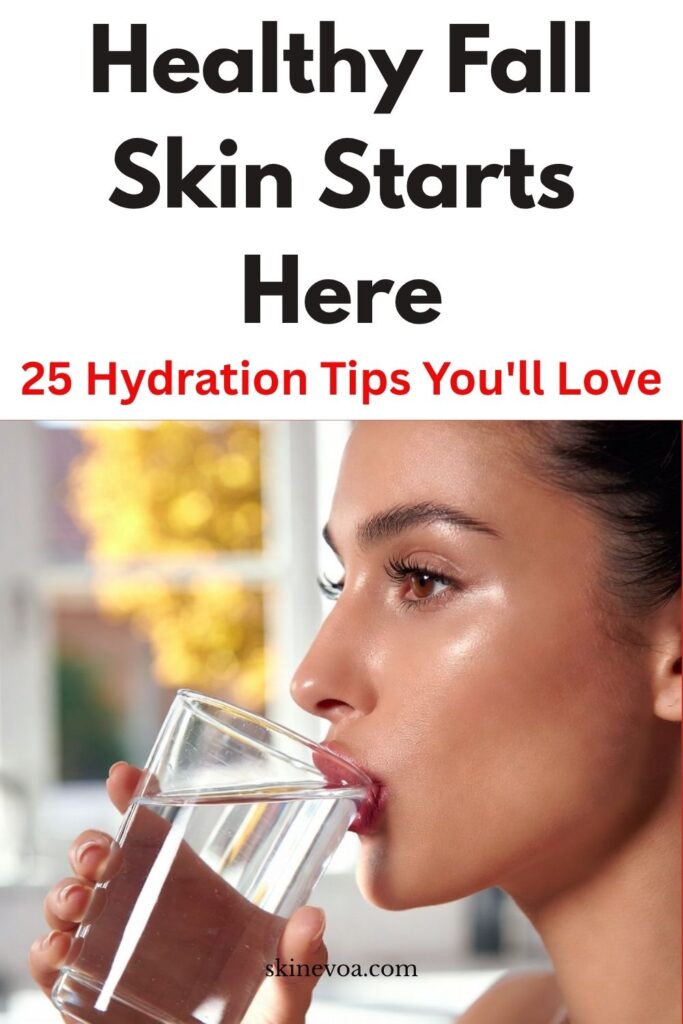

The first chilly morning usually feels refreshing.
Windows stay open a little longer. Coffee tastes better. That oversized sweater finally comes out of storage. Everything about fall feels comfortable, until your skin suddenly doesn’t.
Your lips start cracking.
Your hands feel rough after washing them.
Your face somehow feels oily and dry at the same time.
Sound familiar?
Here’s the interesting part: many people think dehydration is mostly a summer problem. After all, you’re sweating less once temperatures begin to fall. But the truth is almost the opposite. Fall quietly creates the perfect conditions for dehydration, both inside your body and on the surface of your skin.
Busy mornings, long workdays, school runs, endless meetings, heated indoor spaces, and cooler air all work together without announcing themselves. You simply wake up one day wondering why your moisturiser suddenly “stopped working.”
It didn’t.
Your environment changed.
The good news? A few small habits can make an enormous difference. You don’t need a complicated routine or a shelf full of expensive products. You simply need to understand what your body is asking for during the season.
Let’s talk about it.
Why Fall Makes Hydration More Difficult Than You Think
Summer dehydration is obvious.
You sweat.
You feel thirsty.
You reach for water.
Fall dehydration is much sneakier.
The air becomes cooler, but it also becomes significantly drier. As humidity drops, moisture evaporates from your skin much faster. Then heating systems start running indoors, making the air even drier.
Think of your skin like a sponge.
A sponge sitting in water stays soft.
Leave that same sponge on the kitchen counter overnight, and it becomes stiff and brittle.
Your skin isn’t much different.
As moisture escapes, the skin barrier weakens. Once that protective barrier starts struggling, dryness, redness, irritation, and even acne become more common.
Yes—acne.
That surprises many people.
Dry skin often produces more oil as it tries to compensate. More oil mixed with dead skin cells can clog pores, leading to breakouts even though your skin feels tight.
It’s frustrating, but it’s completely normal.
Your Body Needs Water Even When You Aren’t Sweating
One of the biggest myths about hydration is that thirst tells you everything.
It doesn’t.
By the time you feel thirsty, your body has already started asking for help.
During fall, people naturally drink less water because they aren’t constantly overheated.
Instead, they replace water with coffee.
Or tea.
Or hot chocolate.
Nothing wrong with enjoying those drinks, many actually contribute to daily fluid intake, but relying only on them isn’t ideal.
Water still matters.
Every cell in your body depends on it.
Proper hydration supports:
- Healthy skin
- Better concentration
- Energy levels
- Digestion
- Joint lubrication
- Temperature regulation
- Headache prevention
For students balancing classes, professionals sitting through back-to-back meetings, or parents constantly on the move, even mild dehydration can quietly reduce productivity.
You may simply think you’re tired.
Sometimes you’re just dehydrated.
The Small Signs People Usually Ignore
Dehydration doesn’t always look dramatic.
More often, it whispers.
You might notice:
- Lips that constantly need lip balm
- Skin that feels tight after cleansing
- Hands becoming rough
- More noticeable fine lines
- Dull complexion
- Dry patches around the nose
- Increased skin sensitivity
- Frequent headaches
- Afternoon fatigue
- Dark yellow urine
- Feeling hungry shortly after eating
Interestingly, thirst and hunger can feel surprisingly similar.
That’s why some nutrition experts suggest drinking a glass of water before reaching for another snack, especially if you’ve recently eaten.
Sometimes your body is asking for water, not more food.
Skin Hydration Isn’t Just About Drinking Water
Here’s where people often get confused.
Drinking enough water is essential.
But it won’t magically moisturise dry skin by itself.
Your skin also needs help keeping that moisture from escaping.
Imagine filling a bucket with water that has holes in the bottom.
No matter how much water you pour in, it keeps leaking.
That’s essentially what happens when the skin barrier becomes damaged.
You need both:
- Water inside your body
- Ingredients that help seal moisture into your skin
That’s where a consistent skincare routine becomes valuable.
Not longer.
Not more expensive.
Just smarter.
The Ingredients Your Skin Loves During Fall
As temperatures cool, certain skincare ingredients become especially helpful.
Hyaluronic Acid
Despite the word “acid,” this ingredient is incredibly gentle.
It acts like a tiny moisture magnet, attracting water toward the skin.
For many people, applying hyaluronic acid to slightly damp skin works better than applying it to completely dry skin.
Follow it with a moisturiser to help keep that hydration in place.
Ceramides
Think of ceramides as the mortar between bricks.
Your skin cells are the bricks.
Ceramides hold everything together.
When ceramide levels drop, moisture escapes more easily.
That’s why moisturisers containing ceramides often feel especially comforting during cooler months.
Glycerin
This ingredient has been around forever.
For good reason.
It’s affordable, effective, and suitable for most skin types.
Glycerin draws moisture toward the skin and helps reduce dryness throughout the day.
Sometimes the simplest ingredients really are the most reliable.
Squalane
If your moisturiser suddenly doesn’t feel rich enough during fall, squalane may help.
It supports the skin barrier without leaving a heavy or greasy finish.
Even oily skin types often tolerate it well.
Petrolatum
This ingredient occasionally gets a bad reputation, but dermatologists continue recommending it because it works.
Petrolatum creates a protective seal that dramatically reduces water loss from the skin.
It’s especially useful for:
- Dry hands
- Chapped lips
- Cracked heels
- Dry elbows
Sometimes old-school skincare earns its reputation.
Your Morning Routine Doesn’t Need Twenty Steps
Social media can make skincare feel overwhelming.
Ten serums.
Five masks.
Three facial tools.
Honestly?
Most people don’t need all that.
A simple fall morning routine could look like this:
- Gentle cleanser
- Hydrating serum
- Moisturizer
- Sunscreen
Yes.
Sunscreen still matters during fall.
Clouds don’t block all UV rays, and UVA rays remain active year-round.
Your future skin will thank you.
Evening Is When Skin Does Most of Its Repair Work
Nighttime is the perfect opportunity to replenish moisture.
A simple evening routine might include:
- Gentle cleanse
- Hydrating serum
- Richer moisturizer
- Lip treatment if needed
If you’re using retinol or exfoliating acids, fall dryness may make your skin more sensitive.
That doesn’t necessarily mean stopping them.
It may simply mean reducing frequency and focusing more on barrier support.
Sometimes less really is more.
Hydrating Foods Count Too
Water isn’t the only source of hydration.
Many everyday foods contain impressive amounts of water while also providing vitamins, minerals, and antioxidants.
Some excellent choices include:
- Cucumbers
- Oranges
- Apples
- Pears
- Grapes
- Celery
- Tomatoes
- Bell peppers
- Soups
- Oatmeal
- Yogurt
Warm vegetable soups deserve special mention.
They’re comforting, filling, and naturally contribute to fluid intake.
Perfect for busy evenings when nobody feels like preparing an elaborate meal.
Don’t Forget Healthy Fats
Hydration isn’t only about water.
Healthy fats help support the skin barrier.
Consider adding foods like:
- Salmon
- Walnuts
- Almonds
- Avocados
- Chia seeds
- Flaxseeds
- Olive oil
These foods provide nutrients that help skin remain flexible and resilient.
Coffee Isn’t the Enemy
This surprises many people.
Moderate coffee intake doesn’t automatically dehydrate healthy adults.
You don’t have to give up your morning latte.
Just don’t let coffee replace water entirely.
A simple habit works well:
For every cup of coffee, drink a glass of water sometime afterwards.
Nothing complicated.
Just balance.
Common Fall Hydration Mistakes
Even people who care about skincare often make these mistakes.
Taking Very Hot Showers
They feel wonderful.
Especially on cold mornings.
Unfortunately, very hot water strips away natural oils that protect your skin.
Warm showers are usually a better compromise.
Washing Hands Constantly Without Moisturising
Between work, parenting, commuting, and cold season precautions, hands get washed frequently.
Each wash removes some protective oils.
Keeping a hand cream near your sink or workstation makes moisturising much easier to remember.
Convenience often beats motivation.
Waiting Until Skin Feels Dry
Prevention is easier than repair.
Moisturising while skin still feels healthy helps maintain the barrier before problems appear.
Forgetting About Lips
Lip skin is thinner than facial skin.
It dries faster.
Applying a protective lip balm before bed can make a noticeable difference after just a few nights.
Busy Schedule? Here’s a Routine That Actually Fits
Life rarely slows down during fall.
School resumes.
Projects pick up.
Holiday planning quietly begins.
The last thing most people want is another complicated routine.
Try this instead.
Morning
Drink a glass of water before coffee.
Apply moisturiser while skin is still slightly damp.
Carry a reusable water bottle.
Midday
Refill your bottle.
Eat fruit with lunch.
Take short stretching breaks if you spend long hours at a desk.
Afternoon
Notice your energy levels.
Instead of automatically reaching for another coffee, drink water first.
You might be surprised.
Evening
Choose a nourishing dinner.
Apply moisturiser before bed.
Run a humidifier if indoor heating makes your home feel especially dry.
Small habits repeated consistently often outperform ambitious routines that last only a week.
Hydration Looks Different for Every Skin Type
Oily Skin
Don’t skip moisturiser.
Your skin still needs water.
Look for lightweight gel or lotion textures that hydrate without feeling heavy.
Dry Skin
Cream-based moisturisers often provide longer-lasting comfort.
Layering a hydrating serum underneath can also help.
Combination Skin
Use lighter products during the day and richer moisturisers at night if certain areas become especially dry.
Sensitive Skin
Keep routines simple.
Fragrance-free products with barrier-supporting ingredients often reduce irritation during seasonal transitions.
Lifestyle Habits That Quietly Improve Hydration
Hydration extends beyond skincare.
Sleep matters.
Stress matters.
Exercise matters.
Even indoor humidity matters.
It’s easy to focus entirely on products while overlooking everyday habits that influence how skin behaves.
Getting enough sleep allows your skin more time to repair itself overnight.
Regular movement improves circulation.
Managing stress may reduce inflammation that contributes to skin concerns.
Everything connects more than we sometimes realise.
Frequently Asked Questions
How much water should I drink during fall?
There’s no single number that works for everyone. Activity level, body size, climate, and overall health all affect your needs. A practical approach is to drink consistently throughout the day and monitor signs like thirst and urine colour rather than forcing a specific amount.
Do I need a heavier moisturiser in fall?
Many people do. If your summer moisturiser suddenly leaves your skin feeling tight after a few hours, switching to a richer formula or layering a hydrating serum underneath can provide better comfort.
Can drinking more water fix dry skin?
Not by itself.
Internal hydration is important, but your skin also needs products that strengthen the skin barrier and reduce moisture loss.
Should I stop exfoliating?
Usually not.
You may simply need to exfoliate less often while increasing hydration. If your skin becomes irritated, scale back and focus on moisturising until your barrier feels healthy again.
Is sunscreen necessary in fall?
Absolutely.
Ultraviolet rays remain present throughout the year, even on cloudy days. Daily sunscreen helps protect against premature aging, hyperpigmentation, and skin damage regardless of the season.
Final Thoughts
Fall has a way of slowing the pace just enough to make us notice small changes. The air feels crisper, routines shift, and our skin starts sending little signals that it’s time to adjust. Paying attention to those signals doesn’t require a complete lifestyle overhaul.
Drink water consistently, even when you don’t feel thirsty. Eat foods that naturally support hydration. Use skincare that helps strengthen your skin barrier instead of simply masking dryness. And remember that consistency usually beats perfection.
Whether you’re rushing to lectures, balancing work deadlines, managing a household, or somehow doing all three, a few thoughtful hydration habits can help you feel more comfortable throughout the season. Healthy, well-hydrated skin isn’t about chasing trends; it’s about giving your body steady support as the weather changes.