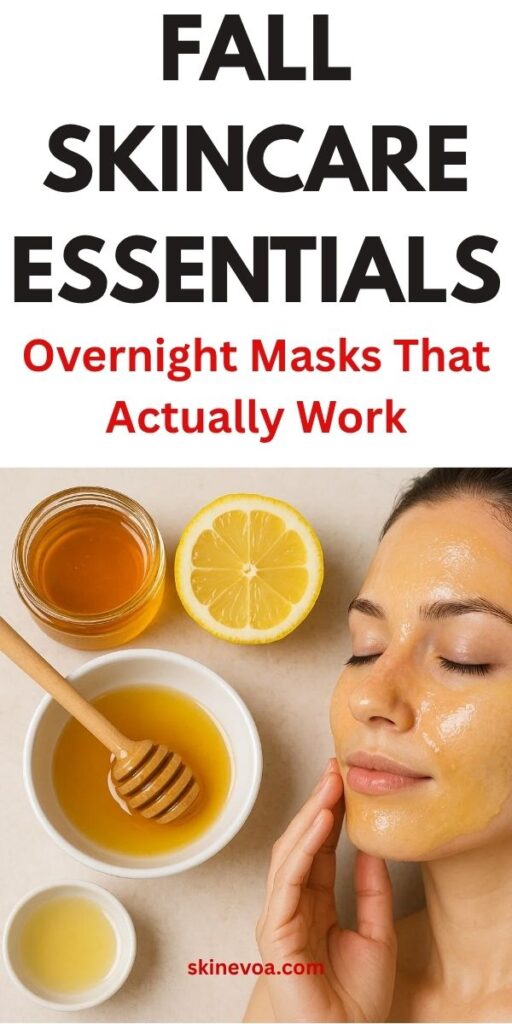
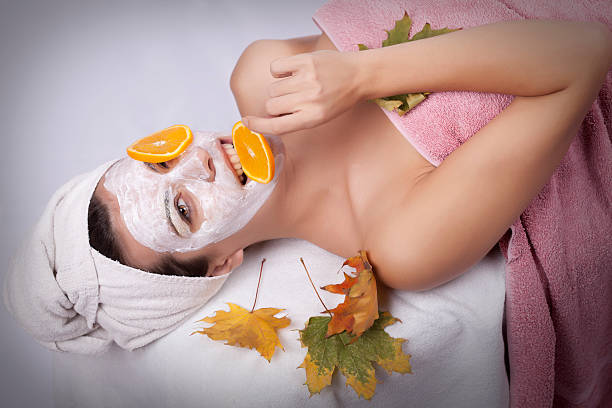
(Because your skin deserves more than a rushed moisturiser and good intentions)
There’s something about autumn that feels… restorative. The air softens, routines settle, and suddenly you’re more aware of your skin in a way you weren’t during humid, chaotic summer days.
And here’s the thing: your skin notices the shift too.
Cooler air. Lower humidity. Indoor heating creeping in at night. It all adds up to one quiet but persistent problem: moisture loss. Not dramatic, not instant, but slow, subtle, and frustrating.
That’s exactly where overnight masks come in.
They’re not just “thicker moisturisers,” despite what some labels suggest. They’re more like a strategic pause button, giving your skin several uninterrupted hours to repair, hydrate, and rebalance while you sleep.
And honestly? That’s the kind of low-effort, high-impact solution most busy people need.
So, Why Overnight Masks Work Better in Autumn
Let me explain.
During the day, your skin is multitasking, fighting UV exposure, pollution, makeup, stress (yes, that shows up too). At night, things slow down. Skin permeability increases, repair processes kick in, and water loss can spike if the barrier isn’t supported.
Autumn amplifies that last part.
The environment pulls moisture out faster, and your usual routine, especially if it’s light or summer-based, starts falling short.
An overnight mask acts like a seal. Not suffocating, just protective. It slows down water loss and gives active ingredients time to actually do their job instead of evaporating into thin air.
Think of it like wrapping leftovers properly versus leaving them uncovered in the fridge. Same food, very different outcome.
What Actually Changes in Your Skin This Season
You might not notice it immediately, but the signs creep in:
- That “tight” feeling after cleansing
- Makeup sitting differently (patchy, uneven)
- Dullness that wasn’t there before
- Fine lines suddenly more visible
And here’s a slightly uncomfortable truth:
Sometimes it’s not aging, it’s dehydration.
The skin barrier gets compromised more easily in cooler weather, and once that happens, everything else- texture, sensitivity, breakouts- starts acting up.
So instead of layering five different serums and hoping for the best, it often makes more sense to simplify and let something sit on your skin long enough to work.
Not All Overnight Masks Are the Same (And That’s a Good Thing)
You’ll see a lot of options, but they generally fall into a few categories:
1. Hydrating Masks
These focus on water retention and barrier support. Think hyaluronic acid, glycerin, ceramides.
Best for:
Dry, tight, or dull skin that just feels “off.”
2. Repairing Masks
These go deeper, supporting skin recovery with ingredients like peptides, niacinamide, or panthenol.
Best for:
Stressed, sensitive, or over-exfoliated skin.
3. Brightening Masks
Usually contain vitamin C derivatives or mild exfoliating acids.
Best for:
Uneven tone, post-summer pigmentation.
4. Sleeping Packs with Oils
A bit richer, often with squalane or botanical oils.
Best for:
Very dry skin or those dealing with flakiness.
Here’s where people get it slightly wrong:
They pick based on trend, not need.
If your skin is dehydrated, a brightening mask won’t fix the root issue. It might help a little, but not in a lasting way.
Ingredients That Quietly Make a Difference
You don’t need to memorise long ingredient lists. But a few standouts are worth recognising:
- Hyaluronic Acid – pulls water into the skin (but works best when sealed in)
- Ceramides – repair the skin barrier (honestly underrated)
- Niacinamide – balances, soothes, and supports resilience
- Panthenol (Vitamin B5) – calming and deeply hydrating
- Squalane – mimics natural oils, lightweight but effective
- Centella Asiatica – great for sensitive or reactive skin
If a mask combines a few of these? That’s usually a good sign.
The Best Overnight Masks to Try This Autumn
Let’s keep this practical. These are widely loved, accessible, and actually deliver.
1. Laneige Water Sleeping Mask
Lightweight, gel-based, absorbs quickly.
Why people love it:
It hydrates without feeling heavy. Perfect if you hate thick products but still need that overnight boost.
2. CeraVe Skin Renewing Night Cream
A bit richer, packed with ceramides.
Why it works:
It’s less “luxury mask” and more “quiet repair tool.” Reliable, especially for barrier support.
3. Glow Recipe Watermelon Glow Sleeping Mask
Hydration plus gentle exfoliation.
Best for:
Skin that looks dull or uneven but can’t handle strong acids.
4. La Roche-Posay Cicaplast Baume B5 (used as a mask)
Technically a balm, but used overnight, it works like a recovery mask.
Why it stands out:
If your skin is irritated, this calms things down fast.
5. Kiehl’s Ultra Facial Overnight Hydrating Mask
Balanced, hydrating but not greasy.
Best for:
People who want something effective but uncomplicated.
And yes, you don’t need all of them. One solid option, used consistently, beats a shelf full of half-used jars.
How to Use Overnight Masks (Without Overcomplicating It)
Honestly, this is where most routines fall apart, not because of the product, but the approach.
Here’s a simple structure:
- Cleanse your face (gently, no harsh stripping)
- Apply a lightweight serum if you use one
- Layer the overnight mask as your final step
That’s it.
You don’t need a 10-step routine unless you genuinely enjoy it.
Frequency?
2–4 times a week is enough for most people.
More isn’t always better. In fact, overdoing it can make skin feel congested or overly dependent on heavy layers.
Mistakes That Sneak In (Even With Good Intentions)
Let’s call a few out:
Using too much product
A thick layer doesn’t mean better results. It just means wasted product and potential clogged pores.
Skipping moisturiser underneath (sometimes)
Some masks seal, but don’t hydrate deeply. If your skin is very dry, layering matters.
Expecting overnight miracles
You’ll see improvement, yes, but real change comes from consistency.
Mixing too many actives
If your mask already has exfoliating ingredients, don’t stack it with strong acids. That’s how irritation starts.
A Real-Life Autumn Night Routine (That Actually Fits Busy Schedules)
You don’t need perfection; you need something repeatable.
Try this:
- Quick cleanse after dinner (not right before bed, you’ll be too tired)
- Light serum (optional)
- Overnight mask
- Lip balm (don’t forget, autumn hits lips hard too)
Done in under five minutes.
Because let’s be honest, if it takes 20 minutes every night, it won’t last.
One Slightly Unexpected Thought
Sometimes your skin doesn’t need more products; it needs better timing.
Using one good overnight mask consistently can outperform a complicated routine used inconsistently.
It sounds almost too simple. But it works.
Final Thoughts: It’s Less About the Mask, More About the Habit
You could pick any of the masks listed above and see results if you use it regularly.
That’s the part people skip.
Autumn is actually the perfect reset point. Not dramatic, not overwhelming, just a quiet shift toward taking better care of your skin before winter makes things harder.
So start small.
One mask. A few nights a week. Pay attention to how your skin feels, not just how it looks.
Because when your skin feels comfortable again?
That’s when you know you’re doing something right.