When the weather turns cooler, many of us notice the same thing.
Our favourite moisturiser suddenly isn’t enough. Makeup sits differently. Skin feels tighter after washing your face. That healthy summer glow? It seems to disappear almost overnight.
If you’re a student juggling lectures, a young professional racing between meetings, or a busy mom trying to keep everyone fed before thinking about yourself, your skin often reflects your schedule before anything else.
Here’s the thing.
While expensive serums and trendy beauty products have their place, healthy-looking skin begins long before you stand in front of your bathroom mirror. It starts in your kitchen.
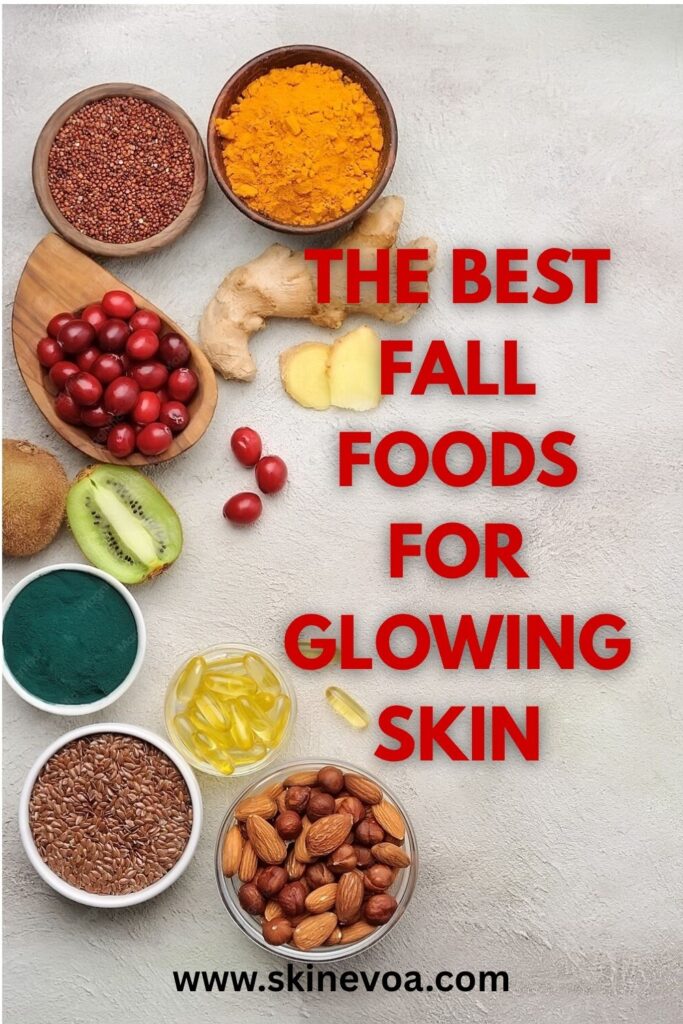
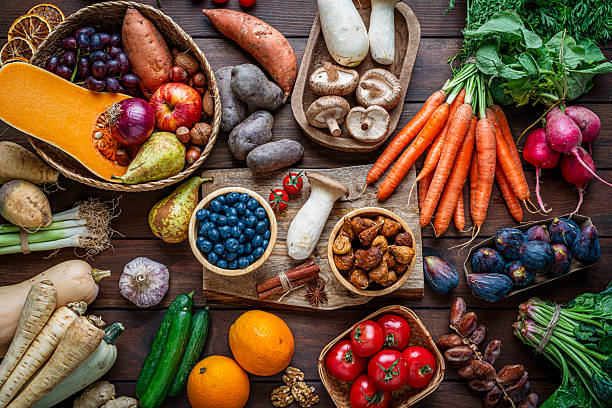
Fall happens to be one of the best seasons for foods that naturally support skin health. Bright orange vegetables, crisp apples, leafy greens, juicy pears, and colourful berries are packed with vitamins, antioxidants, healthy fats, and minerals that help your skin stay hydrated, repair itself, and maintain a healthy glow. Seasonal produce is often fresher because it’s harvested closer to its peak, which may help preserve nutrients that gradually decline during storage.
The best part?
You don’t need a complicated diet or expensive “beauty foods.” Most of these ingredients are affordable, easy to find, and fit naturally into everyday meals.
Let’s talk about the foods worth adding to your shopping cart this fall.
Why Does Skin Look Duller During Fall?
Have you ever wondered why your skin seems perfectly happy in late summer, then suddenly starts acting up in October?
It’s not your imagination.
Cooler temperatures usually mean lower humidity. Indoor heating removes even more moisture from the air. Your skin loses water more easily, making it feel dry, flaky, or rough.
Now add everyday life.
Late nights finishing assignments.
Coffee replacing breakfast.
Takeout several times a week.
Stress before presentations.
Running after toddlers who somehow have endless energy.
It’s no surprise your skin starts asking for a little extra help.
That’s why autumn is the perfect season to focus on foods that support hydration, collagen production, and healthy skin cells from the inside.
Can Food Actually Make Your Skin Glow?
Yes, but probably not in the dramatic way social media promises.
No single food will erase acne overnight or make wrinkles disappear by next Tuesday.
Healthy skin is built gradually.
Think of your skin like a house.
Moisturisers paint the walls.
Nutrition strengthens the foundation.
Without enough vitamins, minerals, healthy fats, protein, and water, your skin has fewer building blocks to repair itself.
That’s why dermatologists often recommend looking at both skincare and nutrition together instead of treating them as separate things.
The Nutrients Your Skin Loves Most
Before talking about specific foods, it helps to know what your skin actually needs.
Vitamin C supports collagen production, which helps skin stay firm.
Vitamin A encourages healthy skin cell turnover.
Vitamin E protects skin from oxidative stress.
Beta-carotene converts into vitamin A and gives many orange vegetables their vibrant colour.
Omega-3 fats help support the skin’s natural barrier.
Zinc plays a role in healing.
Polyphenols and antioxidants help reduce damage caused by everyday environmental stress.
Luckily, fall produce is full of these nutrients.
1. Pumpkin. More Than Pumpkin Spice
Let’s clear something up.
Pumpkin spice lattes don’t really count.
Actual pumpkin is where the magic happens.
Pumpkin is naturally rich in beta-carotene, fibre, vitamin C, potassium, and vitamin E. Your body converts beta-carotene into vitamin A, which supports healthy skin renewal.
Easy ideas:
- Stir pumpkin puree into oatmeal.
- Blend it into smoothies.
- Add it to soups.
- Mix it into pancake batter.
- Make overnight oats with pumpkin and cinnamon.
It tastes like fall without the mountain of added sugar.
2. Sweet Potatoes Bring Comfort, and Skin Benefits
Few foods feel as cozy as roasted sweet potatoes.
They’re filling, naturally sweet, and incredibly versatile.
They’re also loaded with beta-carotene, fibre, and antioxidants that support healthy skin while keeping you satisfied longer.
Busy evening?
Bake several sweet potatoes on Sunday.
Use them all week for:
- Lunch bowls
- Breakfast hash
- Burritos
- Soups
- Quick side dishes
Meal prep doesn’t have to be complicated.
3. Apples Deserve More Credit
An apple probably isn’t the first food that comes to mind when you think about glowing skin.
Maybe it should be.
Apples contain vitamin C, fibre, and polyphenols that help support overall health. Keeping the peel on gives you even more beneficial plant compounds.
They’re also one of the easiest snacks to carry between classes or meetings.
Honestly, convenience matters.
Healthy food only helps if you actually eat it.
4. Pears Are Surprisingly Good for Skin
Pears don’t get nearly as much attention as apples.
That’s a shame.
They’re naturally hydrating and provide vitamin C, fibre, and antioxidants. Even better, much of their beneficial polyphenols are found in the peel.
Try slicing pears into:
- Greek yogurt
- Oatmeal
- Spinach salads
- Whole-grain toast with almond butter
Simple combinations often become everyday favourites.
5. Brussels Sprouts Might Change Your Mind
Maybe you hated them as a kid.
A lot of people did.
But roasted Brussels sprouts are a completely different experience.
They’re packed with vitamins C and K, fibre, and phytochemicals that support overall wellness.
Roast them with olive oil, garlic, and black pepper until the edges become crispy.
You might be surprised.
6. Kale and Spinach Are Quiet Superstars
Leafy greens rarely go viral.
They just quietly keep doing their job.
Kale and spinach provide vitamins A, C, and K, along with antioxidants that support healthy skin.
Add handfuls to:
- Smoothies
- Omelets
- Pasta
- Soups
- Grain bowls
No complicated recipes required.
7. Beets Add More Than Colour
Beets are rich in folate, vitamin C, potassium, fibre, and antioxidants. Their deep colour comes from compounds that help fight oxidative stress.
If you’re not a fan of plain beets, try them:
- Roasted
- Blended into hummus
- Added to salads
- Mixed into grain bowls
Even beet greens are nutritious.
Don’t throw them away.
8. Broccoli Is One of the Best All-Around Choices
Broccoli isn’t flashy.
It doesn’t need to be.
It’s loaded with vitamin C, vitamin K, fibre, and beneficial plant compounds. Vitamin C is especially important because your body needs it to make collagen.
Steam it.
Roast it.
Stir-fry it.
Almost any method works.
9. Pomegranates Look Fancy but Are Worth It
Opening a pomegranate feels like a small project.
Still, those ruby-red seeds are worth the effort.
They’re rich in antioxidants that help protect cells from everyday damage and support overall health.
Sprinkle them over:
- Yogurt
- Salads
- Oatmeal
- Cottage cheese
Instant color.
Instant crunch.
10. Cranberries Offer More Than Holiday Flavour
Fresh cranberries are naturally tart, which is why they’re often sweetened.
When used wisely, though, they’re packed with vitamin C and antioxidant compounds called proanthocyanidins.
Try adding small amounts to homemade oatmeal, trail mix, or roasted vegetable dishes.
11. Walnuts Are Tiny Nutrition Powerhouses
Not every glow food grows in the produce section.
Walnuts contain healthy fats, including plant-based omega-3 fatty acids that help support the skin’s natural barrier.
They’re easy to keep in your desk drawer, backpack, or diaper bag.
Sometimes the healthiest snack is simply the one that’s already within reach.
12. Salmon Makes the List Every Time
If you eat fish, salmon deserves a regular place on your menu.
It’s rich in omega-3 fats and high-quality protein, both of which support healthy skin.
You don’t have to cook elaborate dinners.
Baked salmon with roasted vegetables and brown rice comes together surprisingly quickly.
Even canned salmon works well for sandwiches or salads.
Simple Fall Meals That Busy People Can Actually Make
Let’s be realistic.
Most of us aren’t preparing restaurant-worthy dinners on a Wednesday night.
These meals take very little planning.
Breakfast
Greek yoghurt with pears, walnuts, and cinnamon.
Lunch
Roasted sweet potato, kale, grilled chicken, pumpkin seeds, and balsamic dressing.
Afternoon snack
Apple slices with peanut butter.
Dinner
Baked salmon with roasted Brussels sprouts and broccoli.
Dessert
Warm baked apples with cinnamon and plain Greek yoghurt.
Nothing fancy.
Just nourishing food that happens to taste like fall.
Food Works Better with These Everyday Habits
Nutrition matters.
But it works even better when paired with a few simple habits.
Drink enough water throughout the day, especially once indoor heating starts drying out the air.
Aim for consistent sleep whenever possible. Your skin performs much of its repair work while you rest.
Manage stress in realistic ways. Even a short walk between meetings can help you reset.
Wear sunscreen year-round. Cloudy autumn skies don’t block all UV rays.
And don’t forget protein.
Collagen isn’t built from vitamin C alone. Your body also needs amino acids from foods like eggs, dairy, beans, lentils, poultry, fish, tofu, or lean meat.
Common Mistakes That Can Leave Skin Looking Tired
Sometimes what we leave out matters just as much as what we add.
A few habits can make skin appear dull:
- Living on coffee and skipping meals
- Eating very little fruit or vegetables
- Drinking too little water
- Relying heavily on sugary seasonal treats
- Sleeping only four or five hours most nights
Enjoy the pumpkin pie.
Have the holiday cookies.
Just don’t let those become the only “fall foods” on your plate.
Balance usually wins over perfection.
The Bottom Line
Healthy skin isn’t created by one magical ingredient.
It’s built meal by meal, week after week.
This fall, let your grocery cart reflect the season. Fill it with colourful vegetables, crisp fruits, leafy greens, healthy fats, and quality protein. Not because you’re chasing flawless skin, but because these foods support your whole body, and your skin simply benefits along the way.
For busy students, career women, professionals, and moms, that’s encouraging news.
You don’t need an expensive wellness routine.
You need consistent, nourishing meals that fit real life.
So the next time you’re walking through the produce aisle surrounded by pumpkins, sweet potatoes, apples, pears, kale, and Brussels sprouts, remember this: autumn isn’t just bringing cooler weather. It’s bringing some of the best foods of the year for healthier, naturally radiant skin.