
Summer has a funny way of convincing us that our skincare routine is perfect.
Your lightweight gel moisturiser feels amazing. Your foaming cleanser leaves your face squeaky clean. You exfoliate three or four nights a week because your skin can handle it. Everything seems to work.
Then fall shows up.
The mornings become cooler. The air gets drier. Office heating systems switch on. College lecture halls and classrooms feel stuffy. Suddenly your skin feels tight after cleansing, your makeup doesn’t sit quite right, and those little dry patches around your nose seem to appear overnight.
Sound familiar?
Here’s the thing: your skin doesn’t know it’s September because it looked at a calendar. It responds to what’s happening around it. Lower humidity, cooler temperatures, wind, and indoor heating gradually weaken the skin barrier, meaning moisture escapes faster than it did in summer. Dermatologists commonly recommend adjusting skincare seasonally rather than keeping the same routine year-round.
That doesn’t mean throwing away every product on your bathroom shelf. Far from it.
It simply means some ingredients deserve a break, or at least a lighter touch, while others become much more valuable.
Whether you’re rushing between lectures, balancing work meetings with daycare pickup, or squeezing skincare into a five-minute morning routine, these seasonal changes can make a surprising difference.
Let’s talk about the ingredients your skin may not love as much once sweater weather arrives.
Wait, Should You Really Change Your Routine?
Short answer?
Usually, yes.
Think about your wardrobe. You probably wouldn’t wear sandals during a chilly October morning. Your skincare works the same way.
During summer, your skin often produces more oil because heat and humidity encourage it. Once temperatures drop, that natural oil production slows, while moisture evaporates more quickly.
It’s a bit like leaving a damp towel outside on a windy day. The water disappears much faster.
That’s why products that once felt refreshing can suddenly feel harsh.
1. Strong Foaming Sulfates
There’s something satisfying about rich bubbles.
Unfortunately, your skin doesn’t care how luxurious the foam feels.
Ingredients like:
- Sodium Lauryl Sulfate (SLS)
- Sodium Laureth Sulfate (SLES) in aggressive cleansers
can strip away natural oils your skin needs even more during cooler months.
If your face feels “squeaky clean,” that’s not always a good sign.
Honestly, squeaky often means stripped.
Instead, switch to creamy or hydrating cleansers containing glycerin, ceramides, or gentle surfactants that clean without disrupting the skin barrier. Dermatologists often recommend gentler cleansers as humidity drops.
2. Alcohol-Heavy Toners
Not every alcohol is bad.
Fatty alcohols like cetyl alcohol and stearyl alcohol are actually moisturising.
The concern is high amounts of drying alcohols, including:
- Alcohol Denat.
- Ethanol
- Isopropyl Alcohol
These evaporate quickly and can leave skin feeling even drier once the weather changes.
If your toner makes your skin feel tight after a minute or two, your skin is probably telling you something.
A hydrating toner with panthenol, glycerin, or hyaluronic acid usually makes more sense during fall.
3. Daily Physical Scrubs
Remember those apricot scrubs everyone used years ago?
Some people still love them.
But fall isn’t their best season.
Large exfoliating particles can create tiny surface injuries, especially when your skin barrier is already stressed by cooler weather.
That doesn’t mean exfoliation becomes the enemy.
It simply means gentler methods usually win.
Many dermatologists suggest reducing harsh physical exfoliation during fall and winter because dry skin is more vulnerable to irritation.
4. Overusing Glycolic Acid
This one surprises people.
Glycolic acid is fantastic.
Really.
It smooths texture, fades discolouration, and encourages healthy cell turnover.
But frequency matters.
If you’ve been using a strong glycolic acid toner every night during summer, fall may be the time to reduce it to once or twice weekly.
Why?
Because lower humidity already makes skin lose water more easily.
Adding daily exfoliation on top can leave your skin red, flaky, and uncomfortable.
Less can actually become more.
5. Too Much Salicylic Acid
People with oily or acne-prone skin often panic when someone says to reduce salicylic acid.
Don’t.
If you genuinely need it for acne, keep using it.
Just pay attention to your skin.
You may find that daily use becomes every other day once autumn arrives.
Many dermatologists recommend reducing frequent use of drying exfoliating acids during colder months if irritation develops.
6. High-Strength Retinoids Every Night
Here’s a small contradiction.
Fall is actually one of the best seasons to begin retinol because UV exposure is often lower.
But…
Using it every night immediately?
That’s where trouble starts.
Dry air plus retinoids can equal peeling, irritation, and redness.
Instead, many people do better starting with two or three nights each week before gradually increasing frequency.
Slow progress is still progress.
7. Clay Masks Every Weekend
Clay masks absorb oil beautifully.
That’s exactly why they can become too drying in autumn.
If your skin already feels slightly tight after washing, a weekly clay mask may push it over the edge.
Rather than eliminating masks, swap toward hydrating formulas featuring:
- Oatmeal
- Honey
- Ceramides
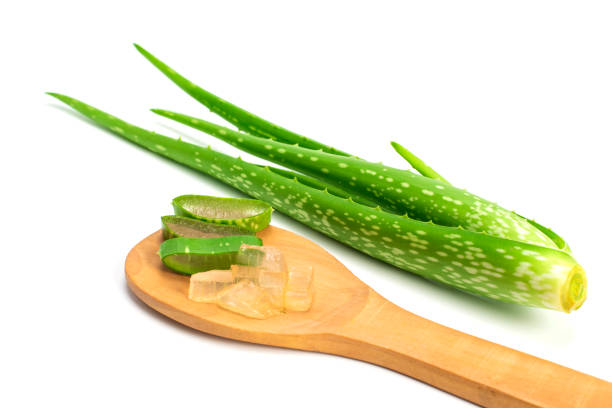
- Aloe vera
Your skin will probably thank you.
8. Heavy Fragrance
This isn’t because fragrance suddenly becomes harmful.
It’s because irritated skin becomes more reactive.
When the skin barrier weakens, products with strong fragrance may sting or trigger redness, especially around the cheeks and nose.
Busy mornings are stressful enough without wondering why your moisturiser suddenly burns.
Fragrance-free options are often easier to tolerate if your skin becomes sensitive during cooler months.
9. Lightweight Gel Moisturisers
This one isn’t about avoiding an ingredient.
It’s about texture.
Those refreshing water-gel moisturisers you loved in July may no longer provide enough protection.
You know what?
Many people keep buying richer body lotions for winter but forget their face needs a seasonal change too.
Creams containing:
- Ceramides
- Shea butter
- Squalane
- Glycerin
- Hyaluronic acid
often provide longer-lasting hydration during fall.
10. Too Many Active Ingredients Together
Social media has made skincare routines longer than some morning meetings.
Vitamin C.
Retinol.
AHA.
BHA.
Niacinamide.
Peptides.
Exfoliating toner.
Brightening serum.
Three different masks.
That’s exhausting.
And sometimes it’s exhausting for your skin too.
Dermatologists increasingly encourage simpler routines when irritation appears, rather than layering numerous actives every day.
Fall is a great season to simplify.
What Should You Use Instead?
If you’re reducing drying ingredients, what fills the gap?
Focus on barrier-supporting ingredients.
Ceramides
Think of ceramides as the mortar between bricks.
Your skin cells are the bricks.
Without enough mortar, moisture leaks out.
Ceramides help keep everything sealed.
Glycerin
One of skincare’s quiet heroes.
It’s inexpensive, incredibly effective, and found in many dermatologist-recommended moisturisers.
Hyaluronic Acid
Despite the scary-sounding name, hyaluronic acid isn’t an exfoliating acid.
It’s a humectant.
It helps attract water into the skin and works especially well when paired with a moisturiser to help reduce moisture loss.
Squalane
Lightweight.
Non-greasy.
Excellent for supporting softer skin without feeling heavy.
Colloidal Oatmeal
Especially helpful if your skin becomes itchy or easily irritated as temperatures cool.
A Simple Fall Routine for Busy Schedules
Life gets hectic.
Assignments pile up.
Deadlines don’t disappear because the weather changed.
So keep your routine realistic.
Morning
- Gentle cleanser
- Hydrating serum (optional)
- Moisturizer
- Sunscreen
Yes, sunscreen still matters in fall. UV rays don’t disappear just because the air feels cooler.
Evening
- Gentle cleanser
- Retinol or exfoliant (only on scheduled nights)
- Moisturizer
Simple.
Consistent.
Manageable.
Common Mistakes People Make Every Fall
One mistake stands above the rest.
Changing everything at once.
Maybe you’ve done it.
New cleanser.
New serum.
New moisturiser.
New exfoliant.
New eye cream.
Then your skin gets irritated, and you have no idea which product caused it.
Introduce one new product at a time.
Give it at least a week or two before adding another.
That makes troubleshooting much easier if something doesn’t agree with your skin.
Frequently Asked Questions
Should oily skin change routines during fall?
Usually, yes. Even oily skin can become dehydrated as humidity drops. You may still need acne-fighting ingredients, but perhaps less often and with more emphasis on hydration.
Can I still exfoliate?
Absolutely.
Just avoid overdoing it.
One or two sessions each week is often enough for many people during cooler weather.
Do I stop retinol?
Not necessarily.
You may simply reduce frequency while increasing moisturiser.
Should I wear sunscreen?
Every day.
Clouds and cooler temperatures don’t block all ultraviolet radiation.
Final Thoughts
Fall isn’t about abandoning your skincare favourites. It’s about recognising that your skin’s needs shift with the season.
You don’t have to throw out every exfoliating acid, retire retinol until spring, or replace your entire bathroom shelf overnight. In fact, making too many changes at once often causes more problems than it solves.
Instead, pay attention to what your skin is telling you. If it feels tighter after cleansing, flakes around your nose, or suddenly becomes more sensitive, those are useful clues, not signs that your routine has failed.
For students racing across campus, professionals hopping from meeting to meeting, and parents squeezing self-care into the quiet moments after bedtime, a simple seasonal adjustment usually beats a complicated ten-step routine. A gentler cleanser, a richer moisturiser, fewer harsh actives, and consistent sunscreen can carry your skin comfortably through autumn.
The goal isn’t perfect skin. It’s healthy skin that feels comfortable, resilient, and ready for whatever the season brings. And sometimes, that’s less about adding another trendy ingredient and more about knowing when to give your skin a little breathing room.