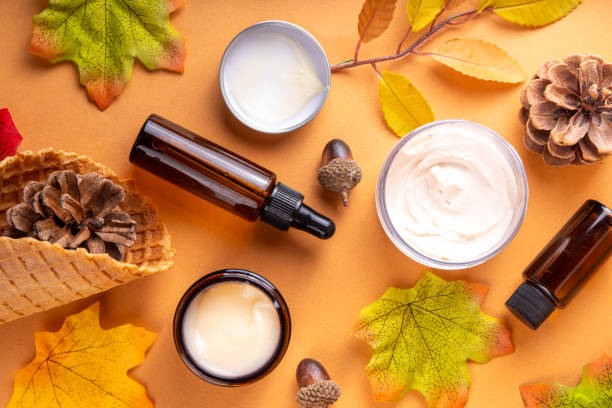
There’s something comforting about fall.
The air feels crisp. Coffee somehow tastes better. Sweaters come out of storage, and suddenly everyone is lighting cinnamon candles. It’s a welcome change after months of heat and humidity.
Your skin, though? It doesn’t always celebrate the season quite so enthusiastically.
If you’ve ever noticed that your face feels tight after washing it in October, or your foundation suddenly looks flaky despite using the same products all summer, you’re not imagining things. Fall has a way of exposing weaknesses in your skincare routine.
Here’s the thing: your skin reacts to its surroundings much like a house reacts to changing weather. During summer, there’s plenty of moisture in the air. Once cooler temperatures arrive, humidity drops, indoor heating starts running, and your skin begins losing water faster than before.
The result?
Dry patches.
Redness.
A rough texture.
Sometimes even more breakouts, which sounds backwards until you realise dehydrated skin often produces extra oil to compensate.
The good news is that you don’t need an entirely new skincare shelf. You simply need ingredients that work with the season instead of against it.
Whether you’re a university student rushing between lectures, a young professional balancing meetings and deadlines, or a busy mom who barely has five uninterrupted minutes in the bathroom, choosing the right ingredients makes your routine easier and much more effective.
Let’s talk about the ones that deserve a permanent spot in your fall lineup.
Why Fall Is Tough on Your Skin
Summer skin and fall skin behave differently.
Heat encourages sweating, which helps keep skin naturally hydrated. Humidity slows water loss from the outer layer of the skin.
Fall changes both.
Cooler air carries less moisture, while indoor heaters create even drier conditions. Every time you wash your face with hot water or spend hours in climate-controlled offices, your skin barrier loses a little more of the moisture it works so hard to keep.
Think of your skin barrier like a brick wall.
The skin cells are the bricks.
Natural oils and lipids are the mortar holding everything together.
When that mortar weakens, tiny gaps appear. Water escapes, irritants get in, and suddenly your skin feels rough, itchy, or unusually sensitive.
That’s why fall skincare isn’t really about using heavier products.
It’s about supporting your skin barrier while giving it enough hydration to stay balanced.
And that starts with choosing the right ingredients.
1. Ceramides: The Repair Crew Your Skin Has Been Waiting For
If there were an employee-of-the-month award for skincare ingredients, ceramides would probably win every fall.
Ceramides are fats that naturally exist in your skin. They help seal moisture inside while keeping pollutants and irritants outside where they belong.
Unfortunately, cold weather, frequent cleansing, and aging reduce the amount your skin naturally produces.
Adding ceramides back through moisturisers helps rebuild that protective layer.
You’ll notice:
- Less tightness after cleansing
- Fewer dry patches
- Softer skin
- Reduced redness
- Better tolerance for active ingredients like retinol
Students pulling all-night study sessions often underestimate how much stress and poor sleep affect the skin barrier. Ceramides won’t replace a full night’s sleep, but they’ll certainly help your skin recover a little faster.
2. Hyaluronic Acid: The Water Magnet
You’ve probably heard about hyaluronic acid.
It’s everywhere.
And for good reason.
Despite its intimidating name, hyaluronic acid isn’t harsh. It’s actually one of the gentlest hydration ingredients available.
Imagine a sponge sitting on your kitchen counter.
Now imagine that sponge holding hundreds of times its own weight in water.
That’s essentially what hyaluronic acid does inside your skincare routine.
One small tip many people miss:
Apply it to slightly damp skin.
Doing this gives the ingredient moisture to hold onto before sealing everything in with a cream.
Otherwise, especially in dry indoor environments, it may not work quite as well.
3. Glycerin: The Quiet Hero
Honestly, glycerin doesn’t receive nearly enough attention.
It isn’t trendy.
It doesn’t have flashy marketing campaigns.
Most people couldn’t even tell you whether it’s in their moisturiser.
Yet dermatologists have trusted glycerin for decades because it consistently works.
Like hyaluronic acid, glycerin attracts water into the skin.
Unlike some trendy ingredients that promise dramatic overnight changes, glycerin quietly improves hydration day after day.
It’s particularly helpful if your skin feels rough by lunchtime or develops flaky areas around your nose and cheeks.
Sometimes the simplest ingredients end up being the hardest workers.
4. Niacinamide: A Little Bit of Everything
Few skincare ingredients wear as many hats as niacinamide.
Think of it as the reliable coworker who somehow manages every project without making a fuss.
Niacinamide can help:
- Calm redness
- Reduce excess oil
- Improve uneven skin tone
- Support the skin barrier
- Minimise the appearance of enlarged pores
That combination makes it useful for almost every skin type.
Young professionals dealing with office air conditioning often find their skin becomes oily and dry at the same time. It sounds contradictory, but it’s surprisingly common.
Niacinamide helps restore balance without making your routine more complicated.
5. Squalane: Lightweight Comfort
Many people hear the word “oil” and immediately worry about clogged pores.
Squalane changes that conversation.
This lightweight oil closely resembles natural oils already found in healthy skin.
Instead of sitting heavily on the surface, it absorbs quickly while reducing moisture loss.
If your moisturiser suddenly doesn’t seem rich enough once temperatures drop, adding just a few drops of squalane can make a noticeable difference without leaving your face greasy.
6. Oat Extract and Colloidal Oatmeal: Calm in a Bottle
Fall isn’t only about dryness.
It’s also a season when sensitive skin tends to become…well, extra sensitive.
Wind.
Temperature swings.
Indoor heating.
Long hot showers.
All of them can trigger irritation.
Colloidal oatmeal helps soothe itching, calm redness, and support a damaged skin barrier.
If you’ve ever wrapped yourself in a warm blanket after coming inside from the cold, you’ll understand the feeling oatmeal gives irritated skin.
Gentle.
Comforting.
Reliable.
7. Vitamin C: Keep That Summer Glow Going
It’s easy to think of vitamin C as a “summer ingredient.” After all, everyone seems to talk about brighter skin when the sun is shining.
But here’s the interesting part: it may be even more valuable during fall.
Summer often leaves behind reminders: uneven skin tone, lingering dark spots from acne, or pigmentation caused by UV exposure. While sunscreen helps prevent further damage, vitamin C supports your skin’s natural repair process and gradually brightens those areas.
It’s also a powerful antioxidant. Think of antioxidants as your skin’s support team. They help protect against environmental stressors like pollution and free radicals, which don’t disappear just because the temperature drops.
For most people, applying a vitamin C serum in the morning works well, followed by moisturiser and sunscreen.
Yes, sunscreen.
Even in fall.
Cloudy skies don’t block all UV rays, and those rays are still capable of contributing to premature aging and discolouration.
8. Retinol: Fall Is the Perfect Time to Start
If you’ve been curious about retinol but kept putting it off, fall is a smart time to begin.
Why?
Because you’re generally spending less time in intense sunlight than during summer vacations or beach weekends.
Retinol encourages skin cell turnover. Over time, it can help improve:
- Fine lines
- Uneven skin tone
- Acne
- Rough texture
- Post-acne marks
That sounds impressive, and it is, but there’s a catch.
More isn’t better.
Starting with a high-strength retinol every night often leads to redness, peeling, and frustration. A slower approach usually wins.
Try using it once or twice a week at first. As your skin adjusts, you can gradually increase the frequency if needed.
And always follow with a nourishing moisturiser. Your skin will thank you.
9. Peptides: Small Ingredients, Big Job
Peptides don’t always make the headlines, yet they’re becoming increasingly popular for good reason.
These short chains of amino acids help support proteins like collagen and elastin, which give skin its firmness and bounce.
Think of peptides as little messengers.
They encourage your skin to maintain and repair itself, especially when paired with a healthy skincare routine.
They’re also generally gentle, making them a good option for people whose skin becomes more reactive during cooler months.
Busy schedules often mean less sleep and more stress, two things your skin notices quickly. While no serum replaces healthy habits, peptides can help support skin that’s under everyday pressure.
10. Lactic Acid: Gentle Exfoliation Without the Drama
Dry, flaky skin has a habit of making everything else look worse.
Foundation clings to rough patches.
Moisturiser seems to sit on the surface.
Even healthy skin can lose its natural glow.
That’s where lactic acid comes in.
Unlike stronger exfoliating acids, lactic acid removes dead skin cells while also helping attract moisture.
It’s a nice balance.
Instead of aggressively stripping the skin, it smooths rough areas and allows your hydrating products to work more effectively.
One or two evenings a week is enough for many people.
If your skin starts feeling irritated, scale back. Consistency matters much more than intensity.
11. Shea Butter: Rich Moisture for Dry Days
Not everyone needs a thick moisturiser during fall.
But if your skin constantly feels tight, or you’re dealing with cold, windy weather, shea butter can be incredibly comforting.
Derived from the nuts of the African shea tree, this ingredient has been used for generations to soften and protect dry skin.
It creates a protective layer that slows moisture loss without feeling overly heavy when formulated well.
It’s especially useful for:
- Dry cheeks
- Chapped hands
- Rough elbows
- Neck and chest
- Lips
Young mothers, healthcare workers, and anyone washing their hands frequently often notice dryness first on their hands. A shea butter hand cream kept in your bag or on your desk can make a surprising difference over the course of a week.
12. Mineral Sunscreen: Yes, You Still Need It
This one surprises people every year.
“The sun isn’t strong anymore, so I can skip sunscreen.”
Not quite.
Ultraviolet rays remain present throughout the year, even on cool or cloudy days. If you’re using ingredients like retinol, vitamin C, or exfoliating acids, daily sun protection becomes even more important.
Mineral sunscreens made with zinc oxide or titanium dioxide are often a good choice for sensitive skin because they tend to be well tolerated.
Think of sunscreen as the final step that protects all the work your other skincare products are doing.
Without it, you’re making your routine work harder than it needs to.
Putting It All Together: A Simple Fall Routine
One of the biggest skincare myths is that you need ten or twelve products to see results.
You don’t.
For most students, professionals, and busy parents, a simple routine is easier to stick with—and that’s what really matters.
Morning
- Gentle cleanser
- Vitamin C serum (optional but helpful)
- Hydrating serum with hyaluronic acid or glycerin
- Ceramide-rich moisturiser
- Mineral sunscreen (SPF 30 or higher)
Evening
- Gentle cleanser
- Retinol (2–3 nights a week) or lactic acid (1–2 nights a week)
- Ceramide moisturizer
- A few drops of squalane if your skin still feels dry
You don’t need every ingredient every day. Think of your routine as a balanced meal rather than an all-you-can-eat buffet.
Ingredient Pairings That Work Well
Some ingredients naturally complement each other.
For example:
- Hyaluronic acid + ceramides: Hydrates first, then helps lock that moisture in.
- Niacinamide + peptides: Supports the skin barrier while promoting smoother-looking skin.
- Vitamin C + sunscreen: Helps defend against environmental damage during the day.
- Retinol + ceramide moisturiser: Encourages renewal while reducing the chance of dryness.
- Glycerin + squalane: A great combination for very dry skin during colder weather.
On the other hand, avoid introducing several strong active ingredients at once. If you begin using retinol, exfoliating acids, and a high-strength vitamin C serum all in the same week, it can be difficult to tell what’s helping and what’s irritating.
Common Fall Skincare Mistakes
Even with the right products, a few habits can work against you.
One is taking long, hot showers. They feel wonderful after a chilly commute, but hot water strips away the natural oils that protect your skin.
Another is continuing to use a lightweight summer moisturiser long after your skin starts asking for more hydration. If your face feels tight an hour after moisturising, that’s a sign it may be time for a richer formula.
Skipping sunscreen is another common mistake, as is over-exfoliating in an attempt to remove flaky skin. Gentle exfoliation helps; too much can weaken your skin barrier and make dryness worse.
Finally, don’t forget the rest of your body. Hands, lips, neck, and even your feet often become dry before your face does.
Budget-Friendly and Premium Product Ideas
You don’t have to spend a fortune to care for your skin.
Affordable brands often include many of the same well-researched ingredients found in luxury products.
If you’re shopping on a budget, look for moisturisers with ceramides and glycerin, a simple hyaluronic acid serum, and a broad-spectrum mineral sunscreen.
If you enjoy premium skincare, products that combine peptides, antioxidants, and nourishing lipids can add a luxurious feel while still focusing on ingredients with evidence behind them.
The label matters less than the formula. Reading the ingredient list is often more useful than paying attention to marketing claims.
Frequently Asked Questions
Can I keep using my summer skincare products?
Some of them, yes. You may only need to switch to a richer moisturiser or add a hydrating serum rather than replacing your entire routine.
How long does it take to notice a difference?
Hydration can improve within a few days. Ingredients like retinol and peptides usually require several weeks of consistent use before changes become noticeable.
Is oily skin still dry in fall?
It can be. Oily skin can become dehydrated, leading to excess oil production as your skin tries to compensate. Hydrating ingredients can actually help restore balance.
Do I need both hyaluronic acid and glycerin?
Not necessarily. Many products contain both. If your moisturiser already includes them, you may not need separate serums.
Should I exfoliate every day?
For most people, no. Once or twice a week is usually enough during fall, especially if you’re also using retinol.
Final Thoughts
Fall is a season of transition, and your skin notices that shift just as much as your wardrobe does.
The good news is that healthy skin doesn’t depend on having dozens of products or chasing every new trend. A thoughtful routine built around proven ingredients- ceramides, hyaluronic acid, glycerin, niacinamide, squalane, peptides, vitamin C, retinol, lactic acid, shea butter, colloidal oatmeal, and daily sunscreen-can go a long way.
Whether you’re hurrying to an early lecture, preparing for a busy day at work, or juggling family responsibilities, a few consistent steps each morning and evening are often enough to keep your skin comfortable, resilient, and glowing throughout the season.
Sometimes the simplest routines are the ones that last. And when your skin feels healthy, you spend less time worrying about it and more time enjoying everything fall has to offer.