
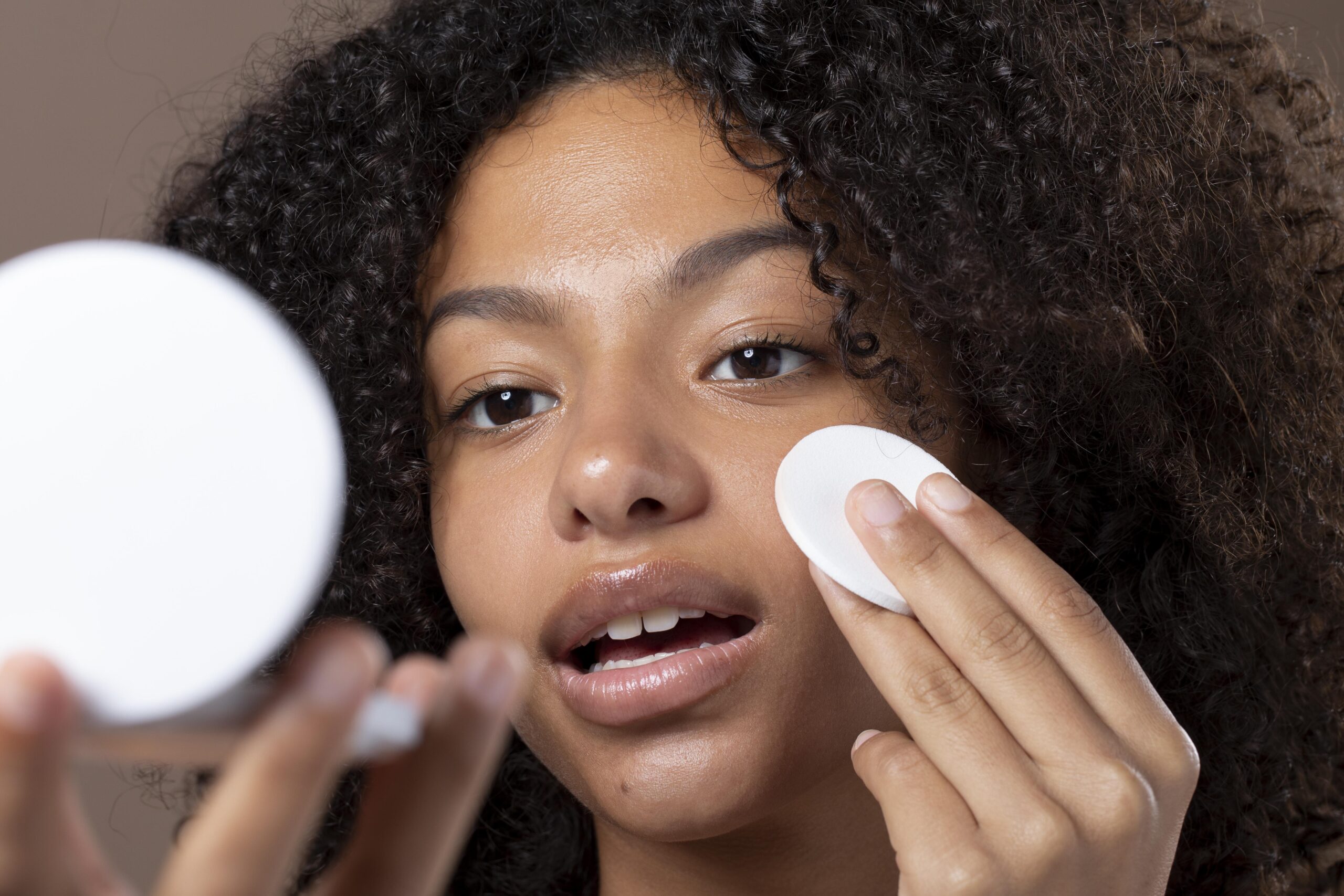
Summer fades almost overnight. One week your face feels shiny by lunchtime, and the next you’re wondering why your forehead is oily while your cheeks suddenly feel tight.
Sound familiar?
Fall has a funny way of confusing oily skin. Many people expect less humidity to solve every oil-related problem, but that’s rarely what happens. Instead, your skin starts sending mixed signals. It still produces oil, yet it also loses moisture faster because cooler air and indoor heating gradually dry out the skin’s surface.
That combination can leave your complexion looking both greasy and dehydrated at the same time.
The good news? You don’t need an entirely new skincare shelf every season. A few thoughtful adjustments are usually enough to help oily skin stay balanced, comfortable, and healthy all autumn long.
Whether you’re rushing between college lectures, heading into back-to-back meetings, or trying to squeeze skincare into the few quiet minutes before the kids wake up, this guide will help you build a realistic routine, and one you’ll actually stick with.
Why Does Oily Skin Change During Fall?
Here’s the thing.
Your skin doesn’t suddenly stop producing oil because the weather gets cooler.
Sebaceous glands continue doing their job, but the environment around your skin changes dramatically.
During fall, several factors begin working together:
- Lower humidity pulls moisture from your skin.
- Cooler outdoor temperatures weaken the skin barrier.
- Indoor heating creates dry air.
- Hot showers become more tempting (and more damaging).
- Wind increases water loss from your skin.
When your skin loses moisture, it sometimes responds by producing even more sebum. That’s why your face can look shiny while still feeling tight.
It’s a frustrating combination, but it’s completely normal.
Think of your skin barrier like the roof of a house. If a few shingles go missing, rain starts leaking inside. Your skin reacts similarly. Once the protective barrier becomes slightly damaged, moisture escapes more easily, and irritation becomes much more likely.
The Biggest Mistakes People Make Every Fall
Interestingly, many people don’t struggle because they have oily skin.
They struggle because they keep using a summer routine long after summer has ended.
Let’s look at a few common habits.
Using Strong Cleansers Twice a Day
That squeaky-clean feeling can seem satisfying.
Unfortunately, it’s usually a sign you’ve removed too much of your skin’s natural protection.
Harsh foaming cleansers and high-strength acne washes may leave oily skin feeling fresh for an hour or two, but afterwards, many people notice even more oil production.
A gentle gel cleanser usually works much better during fall.
Skipping Moisturizer
Honestly, this is probably the biggest myth surrounding oily skin.
People assume moisturiser equals more shine.
In reality, dehydrated skin often becomes oilier because it’s trying to compensate for moisture loss.
A lightweight moisturiser with ingredients that strengthen the skin barrier helps restore balance without feeling heavy.
Forgetting Sunscreen
Clouds don’t block most UV rays.
Even during cool autumn mornings, ultraviolet radiation continues to damage collagen and contribute to dark spots and premature aging.
A lightweight SPF 30 or higher should remain part of your daily routine.
Yes, even if you’re mostly indoors.
Overusing Acne Treatments
Salicylic acid, benzoyl peroxide, and retinoids are excellent ingredients.
But using all of them aggressively during fall can leave your skin irritated and flaky.
Sometimes less really is more.
Build a Fall Routine That Actually Fits Real Life
If your mornings already feel rushed, don’t worry.
A good skincare routine doesn’t have to involve ten different products.
Consistency matters far more than complexity.
Here’s a simple framework.
Morning
- Gentle cleanser
- Hydrating toner or essence (optional)
- Niacinamide serum
- Lightweight moisturizer
- Broad-spectrum sunscreen
That’s it.
Five minutes, maybe less.
Evening
- Remove sunscreen and makeup
- Gentle cleanser
- Treatment serum (retinol or salicylic acid on alternating nights)
- Moisturizer
Simple routines are easier to maintain, and that’s often why they work better.
Ingredients Your Oily Skin Will Appreciate This Fall
Choosing ingredients becomes easier once you understand what your skin needs.
Instead of trying to remove every drop of oil, focus on supporting your skin barrier while controlling excess shine.
Niacinamide
Few ingredients are as versatile.
Niacinamide helps reduce excess oil, strengthens the skin barrier, minimises the appearance of pores, and calms redness.
It’s one of the easiest ingredients to fit into almost any routine.
Hyaluronic Acid
Despite the intimidating name, hyaluronic acid isn’t an exfoliating acid.
It’s actually a powerful humectant that attracts water to the skin.
When followed by moisturiser, it helps keep oily skin hydrated without making it greasy.
Ceramides
Think of ceramides as tiny bricks that help rebuild your skin barrier.
As cooler weather arrives, these lipids become especially valuable because they reduce moisture loss.
Green Tea Extract
Green tea contains antioxidants that soothe inflammation and may help reduce excess oil production.
It’s particularly helpful if stress breakouts tend to appear during busy work or school weeks.
Panthenol
Also known as provitamin B5, panthenol helps calm irritated skin while supporting hydration.
It’s a quiet performer that deserves more attention.
Ingredients to Use More Carefully
This doesn’t mean avoiding them completely.
It simply means adjusting how often you use them.
Salicylic Acid
Excellent for unclogging pores.
During fall, however, you may only need it two or three times each week instead of every day.
Retinol
Retinol supports smoother skin and helps prevent acne.
But cooler weather can increase dryness during the first few weeks of use.
Pair it with a nourishing moisturiser to minimise irritation.
Benzoyl Peroxide
Very effective for inflamed acne.
It can also be drying, so spot treatment often works better than applying it across your entire face.
Morning Routine for Busy Days
Let’s be realistic.
Not everyone has twenty peaceful minutes before leaving home.
If you’re getting kids ready for school or racing to an early lecture, simplicity wins.
A practical morning routine might look like this:
- Wash with a gentle cleanser.
- Apply a niacinamide serum.
- Use a lightweight moisturiser.
- Finish with sunscreen.
Done.
Even on hectic mornings, that’s manageable.
Evening Is Where the Magic Happens
Nighttime is when your skin naturally repairs itself.
That makes your evening routine especially valuable.
If you’ve worn sunscreen, makeup, or spent hours commuting through city pollution, cleansing thoroughly matters more than adding extra products.
After cleansing, apply your treatment serum before sealing everything in with moisturiser.
You don’t need a cabinet full of expensive products.
You need consistency.
Fall Skincare for Oily Skin (Part 2)
Weekly Treatments That Actually Make a Difference
Daily routines do most of the heavy lifting, but weekly treatments help maintain healthy skin through the changing season. Think of them as regular maintenance rather than emergency fixes. If you wait until your skin feels irritated or congested, you’re already playing catch-up.
The key is balance. More treatments don’t necessarily mean better results.
Clay Masks: Once a Week Is Usually Plenty
Clay masks are a favourite for oily skin because they absorb excess sebum and leave your face feeling refreshed. During summer, you might have reached for one twice a week. In fall, though, your skin often benefits from cutting back.
Using a clay mask once every seven to ten days is enough for most people. Focus on your T-zone if that’s where oil tends to build up.
If your cheeks feel dry after masking, that’s a sign to shorten the application time or switch to a gentler formula.
Gentle Chemical Exfoliation
Exfoliation helps remove dead skin cells that can clog pores and leave your complexion looking dull.
The important word here is gentle.
Look for products with a low concentration of salicylic acid or polyhydroxy acids (PHAs). These help clear pores without stripping the skin barrier.
Skip harsh scrubs with rough particles. They may feel satisfying for a moment, but they can create tiny tears in the skin and increase irritation.
Hydrating Masks
Here’s something many people with oily skin overlook: hydration masks.
Yes, really.
A lightweight gel mask with ingredients like hyaluronic acid, glycerin, aloe vera, or panthenol can restore moisture without making your face feel greasy.
It’s a nice reset after a long week of commuting, studying, or spending hours in an air-conditioned office.
Lifestyle Habits That Quietly Affect Your Skin
Skincare products matter, but they aren’t the whole story.
Your daily habits can either support your routine or quietly work against it.
Sleep Still Matters
You probably saw this coming.
When you’re sleep-deprived, your body produces more stress hormones. Those hormonal shifts can increase oil production and trigger breakouts.
No moisturiser can fully make up for consistently poor sleep.
Aim for a regular sleep schedule when you can. It doesn’t have to be perfect. Even adding an extra half hour each night can make a noticeable difference over time.
Stay Hydrated
Drinking water won’t magically “flush out” acne, despite what you may have heard.
What it does do is support your body’s normal functions, including healthy skin.
Carry a reusable water bottle if you’re often on the move. It’s a simple habit that’s easy to forget during busy days.
Manage Stress. As Best You Can
Stress shows up in surprising ways.
For some people, it’s jawline breakouts before an important presentation. For others, it’s an oily forehead during exam week.
You can’t eliminate stress, but small habits help:
- Take a short walk during lunch.
- Stretch between meetings.
- Put your phone away before bed.
- Spend a few quiet minutes reading instead of scrolling.
These moments seem small, but they can help lower stress levels over time.
Don’t Overwash Your Face
If your skin feels oily halfway through the day, washing it again might seem like the obvious answer.
Ironically, it often makes things worse.
Instead, blot excess oil with blotting papers or a clean tissue. Save cleansing for your regular morning and evening routine unless you’ve been sweating heavily after exercise.
Fall Skincare Tips for Students
Student life isn’t exactly predictable.
Some mornings start at 7 a.m. Others end at 2 a.m. after finishing an assignment you definitely didn’t mean to leave until the last minute.
Your skincare routine should work around your schedule, not the other way around.
Keep a few essentials in your backpack:
- Oil blotting sheets
- Lip balm
- Travel-size sunscreen
- A small, fragrance-free moisturiser
If you wear makeup to class, blotting papers usually refresh your look better than layering on more powder.
And don’t forget to wash your face after the gym. Sweat mixed with sunscreen and oil can contribute to clogged pores if it sits on your skin for hours.
Fall Skincare Tips for Career Women
Busy mornings often mean multitasking.
You’re making coffee, checking emails, and mentally running through your to-do list before you’ve even left the house.
A simple routine saves time and reduces decision fatigue.
Choose products that multitask:
- A moisturiser with barrier-supporting ingredients.
- A lightweight sunscreen that sits well under makeup.
- A serum with niacinamide to help with oil control and uneven skin tone.
If your office has dry indoor heating, consider keeping a moisturiser at your desk. A small amount applied to dry areas in the afternoon can make your skin feel much more comfortable.
Fall Skincare Tips for Busy Moms
If you’re a mom, uninterrupted skincare time can feel like a luxury.
Some evenings, you’re lucky if you remember to remove your makeup before collapsing into bed.
That’s okay.
Focus on the basics first.
If you only have five minutes, prioritise:
- Cleanse.
- Moisturize.
- Apply any acne treatment where you need it.
Everything else is a bonus.
Keeping your routine visible, rather than tucked away in a cabinet, can also make it easier to stay consistent.
Myths About Oily Skin That Need to Go
Some skincare advice sticks around long after we’ve learned it’s wrong.
Let’s clear up a few common myths.
“Oily skin doesn’t need moisturiser.”
False.
Oily skin still needs hydration. The trick is choosing lightweight, non-comedogenic products.
“The more your face tingles, the better the product works.”
Not necessarily.
A strong tingling sensation often signals irritation rather than effectiveness.
“Natural products are always safer.”
Not always.
Poison ivy is natural, too.
Many plant extracts are wonderful, but “natural” doesn’t automatically mean gentle or suitable for every skin type.
“You should wash oily skin several times a day.”
Twice daily is enough for most people.
Overwashing can weaken the skin barrier and encourage more oil production.
Frequently Asked Questions
Why is my skin oily and flaky at the same time?
This usually means your skin is dehydrated. It lacks water, not oil. Adding a lightweight moisturiser and reducing harsh exfoliation often helps restore balance.
Should I stop using salicylic acid during fall?
Not usually.
Many people simply benefit from using it less often. Two or three times a week may be enough to keep pores clear without causing excessive dryness.
Is sunscreen still necessary when it’s cloudy?
Yes.
Ultraviolet rays pass through clouds, and daily sunscreen helps protect against sun damage, dark spots, and premature skin aging.
Can I keep using my summer products?
Some can stay.
Others may need replacing if they’re too drying. Pay attention to how your skin feels rather than following the calendar.
How long does it take for skin to adjust to a new routine?
Most people notice early improvements within two to four weeks. More significant changes, especially with ingredients like retinol, often take eight to twelve weeks of consistent use.
A Simple Fall Checklist for Oily Skin
As the seasons change, you don’t need to overhaul your routine. A few smart adjustments often make the biggest difference.
Here’s a quick recap:
- Switch to a gentle cleanser if your current one feels drying.
- Keep using a lightweight moisturiser every day.
- Wear SPF 30 or higher, even on cloudy days.
- Cut back on exfoliation if your skin feels tight.
- Use salicylic acid or retinol on alternate nights if needed.
- Add barrier-supporting ingredients like ceramides and niacinamide.
- Drink enough water and get as much sleep as your schedule allows.
- Resist the urge to scrub away every bit of oil.
Final Thoughts
Fall asks your skin to adapt, and your routine should adapt with it.
If you’ve been treating oily skin as something to battle, this season is a good reminder to shift your mindset. The goal isn’t to remove every trace of shine. It’s to keep your skin balanced, comfortable, and healthy.
Small, consistent habits almost always outperform complicated routines filled with trendy products. A gentle cleanser, a well-formulated moisturiser, targeted treatments, and daily sunscreen can carry you through the season with far less frustration.
So as the air turns cooler and the leaves begin to change, let your skincare routine change a little, too. Listen to what your skin is telling you. Make adjustments when it needs them. And remember, healthy skin isn’t about perfection. It’s about giving your skin what it needs, one day at a time.
