
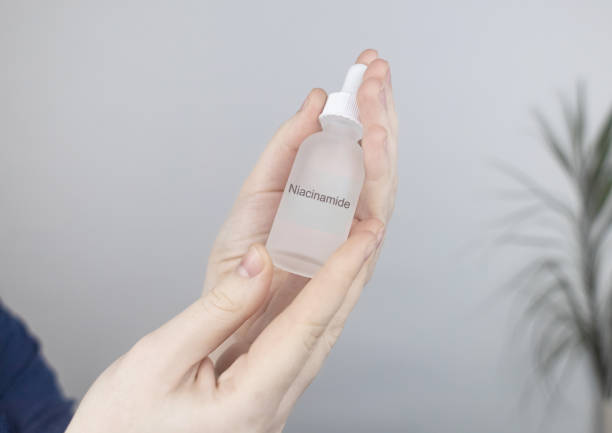
If you’ve spent any time on skincare TikTok or wandered down a Pinterest rabbit hole at 1 AM, you’ve seen the word niacinamide about a hundred times. It’s in the serums, the moisturisers, the toners, even the deodorants now, apparently. And somewhere in all that hype, a real question gets buried: are you actually using it right?
Because here’s the thing nobody tells you upfront: niacinamide is genuinely one of the most forgiving, multi-tasking ingredients in skincare. But “forgiving” doesn’t mean “foolproof.” Layer it wrong, pair it with the wrong actives, or expect overnight miracles, and you’ll end up writing it off as another overhyped bottle collecting dust on your shelf. Let’s make sure that doesn’t happen to you.
Okay, But What Is Niacinamide, Really?
Niacinamide is a form of vitamin B3, and honestly, it’s kind of the Swiss Army knife of your routine. It doesn’t do one flashy thing; it does several quiet, useful things at once. Think oil regulation, a stronger skin barrier, fading dark spots, calming redness, and minimising the appearance of pores, all from one ingredient. That’s a lot of range for something that usually costs less than your morning coffee run.
Dermatologists like it because it’s stable, well-tolerated by most skin types, and backed by a solid stack of research, not just influencer testimonials. It works by supporting your skin’s natural barrier function (that outer layer keeping moisture in and irritants out) while also calming inflammatory responses underneath. So if your skin’s been feeling reactive, patchy, or just generally “off,” niacinamide is often one of the gentler places to start rebuilding.
Who Actually Needs This in Their Routine?
Short answer: almost everyone. Longer answer, because skin is never that simple,
Oily and acne-prone skin benefits from niacinamide’s ability to regulate sebum production. Less excess oil generally means fewer clogged pores down the line, though it won’t replace your actual acne treatment.
Dry and sensitive skin gets a barrier boost, which sounds technical but basically means your skin holds onto moisture better and reacts less dramatically to weather changes, new products, or that one AC unit at work that’s clearly set to “Arctic.”
Combination skin, the type stuck between oily T-zone and dry cheeks, tends to love niacinamide because it doesn’t pick a side. It balances rather than overcorrects.
Anyone dealing with hyperpigmentation or post-acne marks will find niacinamide a slower, gentler alternative to harsher brightening ingredients. It won’t erase a dark spot in a week, but give it consistent use over two or three months, and you’ll likely notice a real difference.
How Much Should You Actually Be Using?
Here’s where people go wrong, and it’s an easy mistake to make: more isn’t better with niacinamide. A concentration between 5% and 10% is the sweet spot for most people. Anything higher doesn’t necessarily mean faster results; it just increases your odds of irritation, tingling, or that annoying flushed feeling some people report at high percentages.
If you’re new to it, start at the lower end. A 4% or 5% niacinamide serum, used a few times a week before working up to daily, gives your skin time to adjust without overwhelming it. You know what they say about running before you can walk; the same logic applies here, just with fewer scraped knees and more redness prevention.
When and How to Apply It (The Part Everyone Gets Wrong)
Niacinamide fits into your routine right after cleansing and toning, but before heavier creams and oils. Think of your skincare layers like building a sandwich; thinnest, most watery textures go first, thicker and richer textures go last. Niacinamide serums are usually light and water-based, so they belong early in that stack.
A basic order looks something like this:
- Cleanser
- Toner (if you use one)
- Niacinamide serum
- Other treatment serums (if applicable, more on layering below)
- Moisturizer
- SPF (mornings only, but non-negotiable)
Apply a few drops, pat it in gently rather than rubbing; your face isn’t a chalkboard you’re erasing, and give it thirty seconds or so to absorb before moving to the next step. Rushing this part is a bit like trying to paint over wet paint; you just end up with a smudgy mess instead of clean layers.
Can You Mix It With Other Actives? Let’s Clear This Up
This is probably the most googled question about niacinamide, and honestly, the internet has muddied it more than clarified it. Let’s sort through the noise.
Niacinamide and vitamin C: For years, the advice was to keep these apart because older research suggested they could cancel each other out or cause flushing. Newer formulations have mostly resolved this; most modern products are stable enough to use together without issue. That said, if your skin’s on the sensitive side, using vitamin C in the morning and niacinamide at night sidesteps the debate entirely and keeps both ingredients working at full strength.
Niacinamide and retinol: This pairing is actually a great one. Retinol can be drying and irritating on its own, and niacinamide’s barrier-supporting properties help soften some of that harshness. A lot of formulators now combine the two in a single product for exactly this reason.
Niacinamide and hyaluronic acid: No conflict here at all; apply your niacinamide first, follow with hyaluronic acid for hydration, and let your moisturiser seal it all in. This combination is honestly one of the easiest “safe pairings” in skincare, so if you’re overwhelmed by the acid-and-actives maze, start here.
Niacinamide and AHAs/BHAs (like glycolic or salicylic acid): These can be used together, but go gently if your skin leans sensitive. Using them on alternating days, rather than stacking them in the same routine, reduces your risk of irritation while still letting you get the benefits of both.
How Long Until You See Results?
Here’s the honest, slightly less exciting truth: niacinamide is a slow burn, not a quick fix. Most people notice smoother texture and a calmer overall look within two to four weeks of consistent use. Fading dark spots and visibly refined pores tend to take longer, somewhere in the eight-to-twelve-week range, depending on how consistent you are and what else is happening with your skin.
I know that’s not the answer anyone wants when they’re staring at a stubborn dark mark before a big event. But skincare, real skincare, rewards patience more than panic. Chasing overnight fixes usually just means cycling through five different products a month and never giving any of them a fair shot.
A Few Mistakes Worth Avoiding
Let’s talk about where this can go sideways, because it happens more than you’d think.
Using it inconsistently is probably the biggest one. Niacinamide builds results over time through repeated, steady use; skipping it for a week here and there resets some of that progress, the same way skipping gym sessions eventually shows up even if you don’t notice day to day.
Layering too many actives at once is another common trap. If your routine already includes retinol, an exfoliating acid, and a vitamin C serum, tossing niacinamide into the mix without adjusting anything else can overwhelm your skin barrier rather than strengthen it. Sometimes less really is more, especially if your skin’s been reactive lately.
And storing products in direct sunlight or heat- I see this one constantly, usually because someone’s bathroom shelf sits right under a window. Niacinamide is fairly stable, but heat and light exposure over time can still degrade the formula, meaning you’re not getting the concentration the label promises anymore.
Fitting This Into a Realistically Busy Life
For students juggling early classes and even earlier deadlines, a niacinamide serum takes maybe fifteen extra seconds in a routine you’re already doing. Apply, pat, move on with your morning.
For working professionals whose skin bears the brunt of stress, recycled office air, and forgotten water bottles, niacinamide’s calming properties make it one of the lower-effort, higher-reward additions you can make. It doesn’t demand a ten-step routine to earn its keep.
And for moms whose skincare window might genuinely be the ninety seconds between putting a toddler down and someone calling for you again, a niacinamide-infused moisturiser that combines hydration and treatment in one step means you’re not sacrificing your routine just because your day doesn’t have room for extra steps.
The Bottom Line
Niacinamide earns its reputation, but only when you use it with a bit of intention. Start low, go slow, layer it thoughtfully, and give it the weeks it actually needs to show up in your skin. It’s not going to transform your face overnight, and honestly, be a little wary of anything that promises it will. What niacinamide does offer- a calmer, more balanced, more resilient complexion over time- tends to be worth a lot more than a quick fix ever was anyway.
So the next time you’re standing in front of the skincare aisle, or scrolling past yet another glowing review, you’ll know exactly what you’re looking at, and exactly how to make it earn its spot in your routine.