You probably reach for a glass of water when you’re thirsty. That’s a good habit. But here’s something people often overlook: a surprising amount of your daily water intake can come from food.
Fresh fruits and vegetables are packed with water, along with vitamins, minerals, fibre, and natural compounds that help your body actually use that water. It’s a bit like filling a sponge instead of simply pouring water over a rock. The hydration tends to last longer because these foods release water gradually as they’re digested.
That’s especially helpful if you’re a busy student racing between classes, a professional spending hours at a desk, or a parent who’s somehow managed to keep everyone else hydrated while forgetting about yourself.
Let’s look at the foods that quietly do some of the heavy lifting.
Why Hydration Is About More Than Drinking Water
Most people know they should drink enough water each day. Yet hydration isn’t simply about how many glasses you finish.
Your body constantly loses fluids through:
- Sweating
- Breathing
- Digestion
- Urination
- Physical activity
- Hot weather
Replacing those fluids requires more than plain water. Electrolytes like potassium, magnesium, sodium, and calcium help move water into your cells where it’s needed most.
That’s why eating water-rich foods often leaves you feeling refreshed in a way plain water sometimes doesn’t.
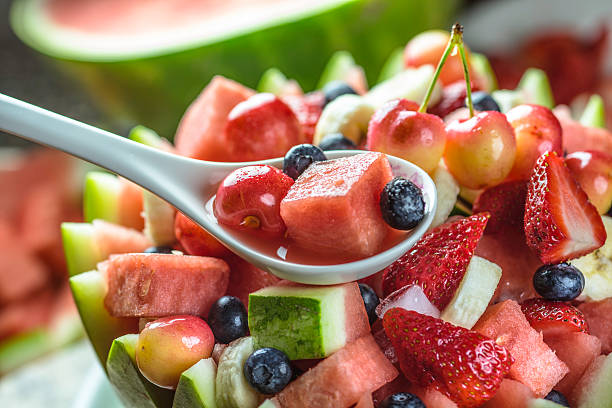
Think about eating a chilled slice of watermelon on a hot afternoon. It isn’t only refreshing because it’s cold. You’re also getting water, natural sugars for energy, potassium, vitamin C, and antioxidants all working together.
What Makes a Food Hydrating?
Hydrating foods generally contain:
- 85–96% water
- Natural electrolytes
- Fiber
- Vitamins
- Minerals
- Antioxidants
Fibre deserves special attention here.
It slows digestion slightly, allowing your body to absorb fluids more gradually. Instead of passing through quickly, that moisture sticks around longer.
It’s a small difference, but over the course of a busy day, it adds up.
15 Best Hydrating Foods
1. Watermelon
Water content: About 92%
Watermelon earns its reputation.
One large slice delivers plenty of water while also providing vitamin C, vitamin A, potassium, and lycopene, a powerful antioxidant linked to heart health and skin protection.
It’s especially welcome during hot summer afternoons when appetite is low, but your body still needs fluids.
Easy ideas:
- Blend into smoothies
- Freeze into popsicles
- Add to fruit salads
- Pair with feta cheese and mint
2. Cucumber
Water content: Around 96%
Few foods contain as much water as cucumber.
It’s crisp, refreshing, low in calories, and surprisingly versatile.
Cucumbers also contain vitamin K, small amounts of magnesium, and antioxidants that may help reduce inflammation.
Simple ways to enjoy them:
- Add slices to water
- Toss into salads
- Layer into sandwiches
- Snack with hummus
Honestly, even a few cucumber slices in your lunch can make a noticeable difference.
3. Strawberries
Water content: Around 91%
These bright berries do more than satisfy a sweet craving.
They’re rich in:
- Vitamin C
- Fiber
- Manganese
- Antioxidants
Their natural sweetness makes them perfect for people trying to reduce sugary snacks.
Try them:
- Mixed into yoghurt
- Overnight oats
- Smoothies
- Fresh by themselves
4. Lettuce
Water content: Up to 96%
Not all lettuce is created equal.
Romaine generally offers more nutrients than iceberg, although both contribute plenty of water.
They’re excellent bases for meals because they add volume without many calories.
A simple salad can quietly boost your hydration while making lunch feel more satisfying.
5. Celery
Water content: Around 95%
Celery has become something of an internet celebrity thanks to juice trends.
The reality?
Whole celery offers more benefits because you keep the fibre.
It’s also a source of:
- Potassium
- Vitamin K
- Folate
Spread peanut butter on celery sticks for a filling snack that balances hydration with healthy fats.
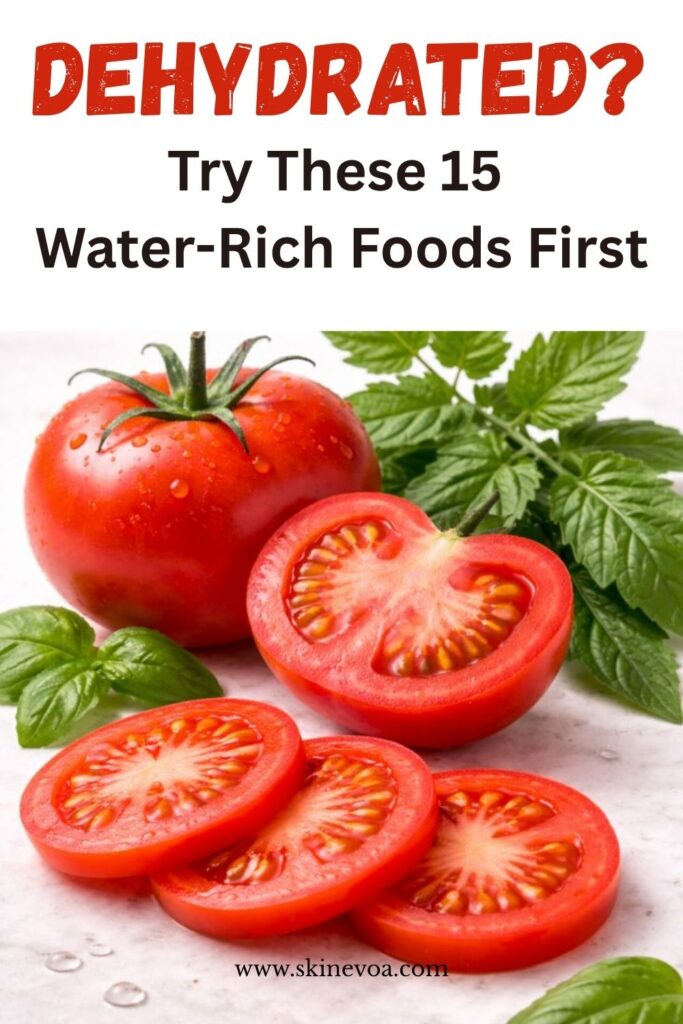
6. Tomatoes
Water content: Around 94%
Fresh tomatoes are incredibly versatile.
They’re loaded with:
- Vitamin C
- Potassium
- Lycopene
Cooking actually increases the availability of lycopene, while fresh tomatoes provide more vitamin C.
So yes, fresh tomatoes and tomato sauce both have their place.
7. Oranges
Water content: Around 87%
When people think hydration, oranges don’t always come to mind.
Maybe they should.
Besides their high water content, oranges provide potassium and enough vitamin C to support immune function.
Whole oranges are generally a better choice than juice because the fibre slows sugar absorption.
8. Peaches
Water content: About 89%
Peaches bring natural sweetness along with:
- Vitamin A
- Vitamin C
- Potassium
- Fiber
Fresh peaches make excellent afternoon snacks when energy begins to dip.
9. Pineapple
Water content: Around 86%
Pineapple contains bromelain, an enzyme that helps break down proteins.
While research continues, bromelain may also support healthy digestion and recovery after exercise.
It’s another fruit that feels almost like eating flavoured water, but with considerably more nutrition.
10. Bell Peppers
Water content: About 92%
Red, yellow, and orange peppers contain:
- Vitamin C
- Vitamin A
- Fiber
- Antioxidants
Red peppers actually contain more vitamin C than many citrus fruits.
That’s a fun surprise.
11. Zucchini
Water content: Around 94%
Zucchini blends easily into countless meals.
Try it:
- Grilled
- Spiralized
- Roasted
- Added to soups
Its mild flavour makes it ideal for families with picky eaters.
12. Spinach
Water content: Around 91%
Spinach offers hydration alongside:
- Iron
- Folate
- Magnesium
- Vitamin K
Adding a handful to smoothies barely changes the taste but significantly improves nutrition.
13. Cantaloupe
Water content: About 90%
Sweet, refreshing, and rich in beta-carotene, cantaloupe is another summer favourite.
It’s also an excellent source of potassium, helping support healthy fluid balance.
14. Broth-Based Soups
Not every hydrating food has to be raw.
Vegetable soups and chicken broth provide fluids along with sodium, which helps retain water after sweating.
They’re especially comforting during colder months when people often drink less water without realising it.
15. Yoghurt
Water content: Around 85%
Yoghurt isn’t only about probiotics.
Its high water content, protein, calcium, and potassium make it surprisingly hydrating.
Greek yoghurt topped with berries creates a snack that supports hydration while keeping hunger under control.
Foods That Can Work Against Hydration
No single food “causes” dehydration, but some make it easier to fall behind.
These include:
- Highly salty processed snacks
- Sugary soft drinks
- Excess alcohol
- Large amounts of ultra-processed foods
- Very salty fast food meals
That doesn’t mean you can never enjoy them.
Here’s the thing: pairing salty foods with water-rich fruits and vegetables helps restore balance.
A burger and fries become a more balanced meal when served alongside tomatoes, lettuce, cucumber, or fruit.
Building Meals That Keep You Hydrated
Hydration works best when foods complement each other.
Here are a few combinations:
Breakfast
Greek yoghurt, strawberries, peaches, and chia seeds.
Lunch
Spinach salad with cucumber, tomatoes, grilled chicken, avocado, and citrus vinaigrette.
Afternoon Snack
Watermelon with mint.
Dinner
Grilled salmon, roasted zucchini, steamed broccoli, and vegetable soup.
Dessert
Frozen pineapple and berries blended into a simple fruit sorbet.
Notice something?
None of these meals is complicated.
That’s important because healthy eating has to fit real life.
Hydration Tips for Busy People
Life gets busy. Meetings pile up. Classes run late. Kids need rides.
Hydration often slips to the bottom of the list.
A few habits can help:
- Keep cut fruit visible in the refrigerator.
- Pack cucumber, berries, or oranges for work.
- Add vegetables to nearly every lunch and dinner.
- Start meals with soup or salad.
- Carry a reusable water bottle.
- Eat extra water-rich foods during hot weather.
- Replace some processed snacks with fresh produce.
Small habits beat dramatic changes every time.
Common Myths About Hydration
Myth: Coffee always dehydrates you.
Moderate coffee intake still contributes to your daily fluid intake. While caffeine has a mild diuretic effect, regular coffee drinkers generally retain enough fluid for coffee to count toward hydration.
Myth: You only need water.
Water is essential, but fruits, vegetables, milk, yoghurt, soups, and other beverages also help meet your fluid needs.
Myth: Thirst is the first sign of dehydration.
By the time you feel thirsty, your body is already asking for more fluids. Drinking regularly and eating hydrating foods throughout the day can help you stay ahead.
Myth: Sports drinks are necessary for everyone.
For most people, water and a balanced diet are enough. Sports drinks are usually most helpful during prolonged, intense exercise or heavy sweating.
Frequently Asked Questions
Which fruit is the most hydrating?
Cucumber is technically a fruit and contains about 96% water. Among commonly eaten sweet fruits, watermelon ranks among the highest at roughly 92% water.
Can hydrating foods replace drinking water?
No. They help increase your total fluid intake, but plain water remains essential. Think of hydrating foods as partners—not replacements.
Are frozen fruits still hydrating?
Yes. Frozen fruits retain most of their water and nutrients, making them a convenient option year-round.
Do cooked vegetables still provide hydration?
Absolutely. Although some water is lost during cooking, vegetables like zucchini, spinach, tomatoes, and soups continue to contribute meaningful amounts of fluid.
How much water should adults drink daily?
Fluid needs vary based on age, activity level, climate, and overall health. Many adults do well with around 2–3 litres of fluids a day from water, beverages, and foods, though some people need more.
Final Thoughts
Staying hydrated doesn’t have to mean forcing yourself to drink glass after glass of water. The foods you eat can make a meaningful difference, especially when they’re naturally rich in water, electrolytes, fibre, and essential nutrients.
Watermelon, cucumbers, strawberries, leafy greens, tomatoes, oranges, yoghurt, and broth-based soups all help support healthy hydration while bringing plenty of nutritional value to the table. They’re easy to mix into meals, snacks, and even desserts, making good hydration feel less like a chore and more like a natural part of eating well.
Whether you’re juggling classes, long workdays, or the constant demands of family life, small choices add up. Fill half your plate with colourful fruits and vegetables, keep a reusable water bottle nearby, and make water-rich foods a regular part of your routine. Your energy, skin, digestion, and overall well-being will thank you for it.