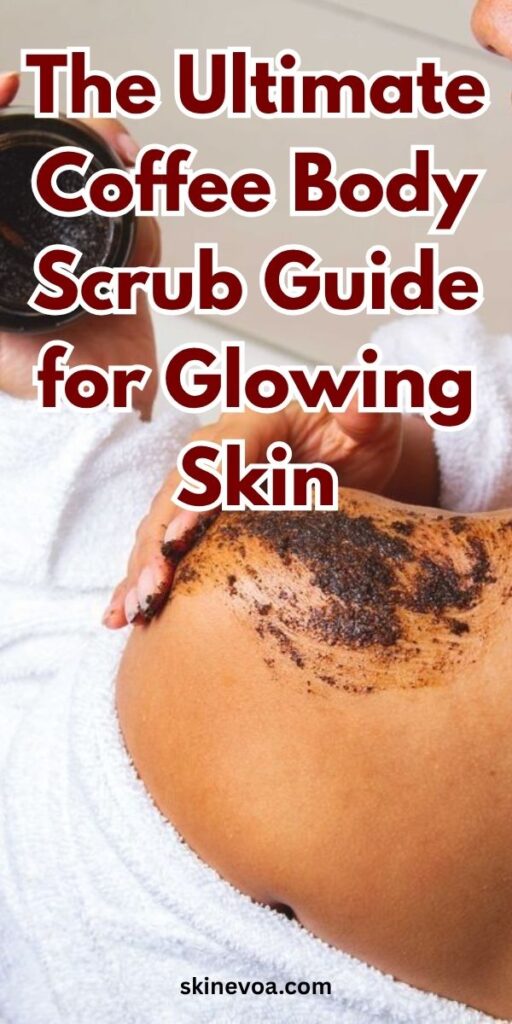
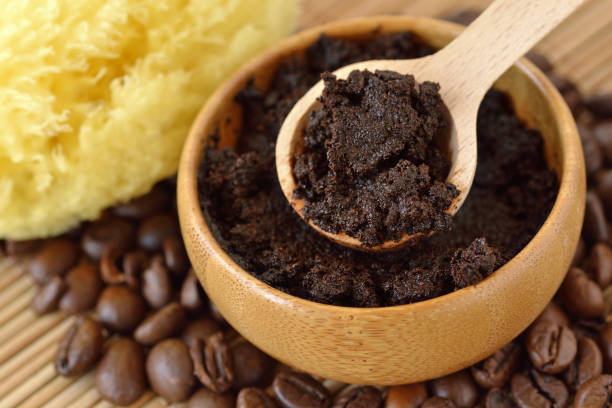
Walk into almost any beauty store, scroll through Pinterest, or spend five minutes on skincare TikTok and you’ll probably spot coffee body scrubs somewhere. They’re hardly new; people have been mixing used coffee grounds with oils for years, but they keep coming back because they’re simple, affordable, and surprisingly satisfying to use.
There’s something oddly comforting about them too. Maybe it’s the familiar smell of fresh coffee. Maybe it’s the feeling of polishing away dry skin after a long week. Either way, coffee body scrubs have become a staple for people who want softer skin without spending a fortune.
Still, popularity doesn’t always equal performance.
Can rubbing coffee grounds on your body actually improve your skin? Will it reduce cellulite? Fade stretch marks? Help with body acne?
The short answer is some claims have solid reasoning behind them, while others have grown much larger than the science.
Let’s sort through the hype and focus on what really happens when coffee meets your skin.
Why Coffee Has Become a Skincare Favourite
Coffee isn’t just a morning ritual anymore.
Beauty brands now add coffee extracts to creams, masks, eye treatments, soaps, and body scrubs. That’s because coffee naturally contains compounds that skin researchers have been studying for years.
Some of the most interesting include:
- Caffeine
- Chlorogenic acids
- Polyphenol antioxidants
- Small amounts of natural oils
When coffee is turned into a body scrub, though, two things happen at once.
First, the grounds physically exfoliate the skin. Second, caffeine and antioxidants sit on the skin’s surface for a short period before being rinsed away.
That combination explains why many people notice smoother skin almost immediately.
So, What Does a Coffee Body Scrub Actually Do?
Here’s the thing.
Many benefits come from the exfoliation itself, not necessarily the coffee.
As you gently massage the scrub over damp skin, it removes dead skin cells that have been sitting on the surface. Those old cells can make skin appear dull, rough, and uneven.
Once they’re gone, your skin often looks brighter simply because fresher skin is underneath.
Coffee adds a few interesting extras.
1. It Leaves Skin Feeling Softer
This is probably the biggest reason people keep buying coffee scrubs.
Removing dead skin creates a smoother surface, allowing moisturisers to absorb more evenly afterwards.
It’s a bit like sanding rough wood before applying paint. The surface simply becomes more even.
Many homemade recipes also include coconut oil, almond oil, or olive oil, which leave skin feeling hydrated after exfoliation.
2. It May Temporarily Improve the Look of Cellulite
This is where things get interesting.
Cellulite affects somewhere around 80–90% of women after puberty. It’s completely normal.
Caffeine doesn’t remove cellulite.
However, some studies suggest caffeine may temporarily tighten the skin by encouraging mild dehydration in the upper layers. Combined with massage, which increases local blood circulation, the skin can appear smoother for several hours.
Notice the word temporarily.
That’s an important distinction.
If someone promises a coffee scrub will permanently erase cellulite, they’re stretching the truth.
3. It Helps Remove Dry, Flaky Skin
Dry elbows.
Rough knees.
Ashy ankles.
Those stubborn patches respond well to gentle exfoliation once or twice each week.
Coffee grounds provide moderate physical exfoliation without feeling as harsh as coarse salt scrubs.
That makes them especially popular during colder months when skin tends to lose moisture more quickly.
4. It Can Make Skin Look Brighter
Dead skin cells scatter light unevenly.
Fresh skin reflects light more evenly.
That’s why exfoliation often creates an instant “glow.”
It’s not changing your skin tone, it simply reveals healthier-looking skin underneath.
5. Coffee Contains Antioxidants
Coffee beans naturally contain antioxidants called polyphenols.
These help fight oxidative stress in laboratory settings.
When applied to skin, antioxidants may help support the skin barrier against environmental stressors, although body scrubs stay on the skin only briefly compared with serums or creams.
So yes, antioxidants are a nice bonus, but they’re not the main reason coffee scrubs work.
Can Coffee Scrubs Help Cellulite?
Let’s spend a little more time here because this is probably the biggest reason people search for coffee scrubs.
You know what?
The before-and-after photos online can be convincing.
But lighting, body position, skin hydration, and even camera angles make an enormous difference.
Here’s what actually happens:
- Massage temporarily increases circulation.
- Caffeine may slightly tighten skin.
- Exfoliation smooths rough texture.
- Moisturised skin reflects light better.
Put all those together, and cellulite often appears less noticeable.
Noticeable.
Not gone.
For lasting improvements, regular exercise, strength training, healthy body weight, and professionally performed treatments have much stronger evidence than scrubs alone.
Coffee Scrub vs Sugar Scrub vs Salt Scrub
Choosing between them depends more on your skin than on trends.
| Coffee Scrub | Sugar Scrub | Salt Scrub |
|---|---|---|
| Medium exfoliation | Gentle exfoliation | Strong exfoliation |
| Good for dull skin | Great for sensitive skin | Better for very rough areas |
| Contains caffeine | No caffeine | Mineral-rich |
| Pleasant coffee scent | Sweet scent | Little fragrance |
| Better for regular body use | Beginner-friendly | Can sting cuts |
If your skin gets irritated easily, sugar is usually the gentlest choice.
If you have thick, rough patches on your feet, salt can work well, but it may sting.
Coffee sits comfortably in the middle.
DIY Coffee Body Scrub Recipes
One of the nicest things about coffee scrubs is that you probably already own most of the ingredients.
Classic Coffee Body Scrub
You’ll need:
- ½ cup used coffee grounds
- ¼ cup brown sugar
- 3 tablespoons coconut oil
- 1 teaspoon vanilla extract (optional)
Mix until evenly combined.
Massage onto damp skin for about one minute.
Rinse well.
For Very Dry Skin
Try mixing:
- Coffee grounds
- Shea butter
- Sweet almond oil
- A teaspoon of honey
This version feels richer and leaves a protective layer behind.
For Oily Skin
Mix:
- Coffee grounds
- Plain yogurt
- A little aloe vera gel
Skip heavy oils if your skin already feels greasy.
For Sensitive Skin
Reduce the amount of coffee grounds and combine them with finely ground oats and fragrance-free oil.
Less friction often means happier skin.
How Often Should You Use a Coffee Body Scrub?
More isn’t better.
In fact, scrubbing too often can damage your skin barrier.
A simple schedule works well:
- Normal skin: 1–2 times weekly
- Dry skin: Once weekly
- Oily skin: Twice weekly
- Sensitive skin: Every 10–14 days if tolerated
If your skin feels sore, tight, or unusually red afterwards, give it more time between uses.
How to Use It Correctly
Using a coffee scrub isn’t complicated, but a few small habits make a difference.
- Start with warm, not hot, water.
- Apply the scrub to damp skin.
- Massage gently using circular motions.
- Spend extra time on elbows, knees, and heels.
- Avoid broken or freshly shaved skin.
- Rinse thoroughly.
- Pat your skin dry.
- Apply moisturiser immediately afterwards.
That final step helps lock in moisture while the skin is still slightly damp.
Mistakes That Can Backfire
Coffee scrubs seem foolproof, but a few common habits can irritate your skin.
Scrubbing Too Hard
More pressure doesn’t equal better results.
Think polishing rather than sanding.
Using Very Coarse Grounds
Finely ground coffee usually feels gentler.
Large, sharp grounds may create tiny skin injuries.
Skipping Moisturizer
Freshly exfoliated skin loses water more easily.
Always moisturise afterwards.
Using It Every Day
Daily exfoliation sounds productive.
It usually isn’t.
Your skin needs time to repair itself.
Can Coffee Body Scrubs Help Body Acne?
Sometimes, but indirectly.
Coffee itself doesn’t treat acne.
What exfoliation does is remove dead skin that can trap oil and debris around hair follicles.
If body acne is caused mainly by clogged pores, gentle exfoliation may help reduce buildup.
However, inflamed acne should be treated carefully.
Scrubbing active breakouts aggressively often makes irritation worse.
What About Keratosis Pilaris?
Those tiny rough bumps on the backs of the arms?
Coffee scrubs can temporarily smooth the surface by removing excess dead skin.
Still, keratosis pilaris is a long-term condition.
Dermatologists usually recommend products containing:
- Lactic acid
- Urea
- Salicylic acid
Coffee scrubs can complement these treatments but shouldn’t replace them.
Can Coffee Help Ingrown Hairs?
Actually, yes, sometimes.
Ingrown hairs often develop when dead skin traps new hairs beneath the surface.
Regular, gentle exfoliation helps prevent that buildup.
This is why many people use coffee scrubs before shaving or waxing, though it’s best to avoid scrubbing immediately after hair removal because freshly treated skin is more sensitive.
Homemade vs Store-Bought Coffee Scrubs
Honestly, both have their place.
Homemade versions are inexpensive, customizable, and a great way to reuse brewed coffee grounds.
Store-bought scrubs, on the other hand, often include ingredients such as glycerin, shea butter, vitamin E, and carefully balanced preservatives that help them last longer and maintain a consistent texture.
If you make your own, prepare small batches and store them in a clean, dry container. If water gets into the jar, use it quickly to reduce the chance of microbial growth.
Are Coffee Body Scrubs Safe?
For most healthy adults, yes, when used correctly.
Still, you should avoid them if you have:
- Open cuts or wounds
- Sunburn
- Active eczema flare-ups
- Severe psoriasis on the area
- Skin infections
- A known allergy to any ingredient in the scrub
It’s also a good idea to patch-test a new recipe on a small area of skin before using it all over your body.
Frequently Asked Questions
Can I use fresh coffee grounds?
Yes, but used coffee grounds are often a little softer and less abrasive, making them more comfortable for many people.
Will coffee stain my skin?
No. It rinses away with water, though it may temporarily stain light-colored towels or shower surfaces if not cleaned promptly.
Can I use it on my face?
Generally, no. Facial skin is thinner and more delicate than the skin on your body. A facial exfoliant designed for the face is usually a better choice.
Can I use instant coffee?
Not really. Instant coffee dissolves in water, so it doesn’t provide the gentle physical exfoliation that ground coffee does.
Does caffeine get absorbed through the skin?
A small amount of caffeine can penetrate the skin, but a rinse-off body scrub stays on only briefly. Most of the visible effects come from exfoliation and massage rather than significant caffeine absorption.
Is a coffee scrub safe during pregnancy?
The small amount of caffeine exposure from a rinse-off body scrub is generally considered low, but if you’re pregnant or have concerns about specific ingredients such as essential oils, it’s wise to check with your healthcare provider before regular use.
Final Thoughts
Coffee body scrubs have earned their popularity for good reasons. They smooth rough patches, brighten dull-looking skin, and can leave your body feeling noticeably softer after just one use. The ritual itself—the warm shower, the rich coffee aroma, the gentle massage- also turns an ordinary skincare step into a small moment of self-care.
Where expectations need a little adjustment is with the bigger promises. A coffee scrub won’t erase cellulite, remove stretch marks, or replace targeted skincare treatments. What it can do is improve skin texture, encourage a healthy-looking glow, and help your moisturiser work more effectively by clearing away dead skin cells.
If you enjoy DIY skincare, a simple coffee scrub made from fresh grounds and nourishing oils is an easy weekend project. If convenience matters more, a well-formulated store-bought scrub offers consistency and longer shelf life. Either way, gentle use, once or twice a week, followed by a good moisturiser, is usually enough to keep your skin feeling smooth without overdoing it.
Sometimes the simplest routines are the ones we actually stick with, and that’s often where the biggest difference begins.