Something is fascinating about aloe vera.
Long before expensive hair serums filled store shelves or “miracle” ingredients started trending on social media, people were already slicing open thick green aloe leaves and scooping out the cool gel inside. It wasn’t flashy. It didn’t come in elegant packaging. Yet somehow, generation after generation kept coming back to it.
That alone makes you wonder: what’s so special about this plant?
If you’ve been scrolling through TikTok, Pinterest, or Instagram lately, you’ve probably noticed aloe vera making another comeback. Hair masks. Scalp treatments. Overnight growth routines. Some creators swear it’s the secret to waist-length hair, while others claim it instantly fixes dandruff.
Reality sits somewhere in the middle.
Aloe vera isn’t magic, but it’s far from hype. Research suggests it contains vitamins, minerals, amino acids, enzymes, and plant compounds that can support a healthier scalp, which, as it turns out, is where healthy hair begins.
And honestly? That’s good news for busy people.
Whether you’re juggling lectures, office meetings, school drop-offs, or simply trying to survive another hectic week, aloe vera is one of the few hair care ingredients that’s inexpensive, widely available, and surprisingly easy to use.
Let’s look at what the science actually says.
What Makes Aloe Vera Good for Hair?
Hair doesn’t grow from the strands you see.
It grows beneath the surface, inside tiny structures called hair follicles. Think of each follicle as a miniature factory. If the factory has enough nutrients, moisture, oxygen, and a healthy environment, it can produce stronger hair. If it’s irritated, inflamed, or clogged with excess oil and flakes, production slows down.
That’s where aloe vera may help.
Fresh aloe gel is mostly water, around 99%. The remaining portion contains more than 70 biologically active compounds, including:
- Vitamins A, C, and E
- Several B vitamins
- Amino acids
- Polysaccharides
- Minerals like zinc, magnesium, and copper
- Antioxidants
- Plant enzymes
These compounds don’t “feed” hair directly, hair itself is made of dead protein—but they can help maintain a healthier scalp environment.
It’s a bit like watering healthy soil instead of spraying water on a plastic flower. The real work happens at the roots.
The Benefits of Aloe Vera for Hair
It Can Calm an Angry, Itchy Scalp
Let’s start with the complaint almost everyone experiences at some point.
An itchy scalp.
Sometimes it’s dry weather. Sometimes it’s product buildup. Sometimes it’s sweat after long workouts or humid summer days.
Aloe vera contains compounds with anti-inflammatory properties that may help soothe irritated skin. The cooling sensation isn’t just pleasant; it can provide temporary relief while supporting the scalp’s natural healing process.
If you’ve ever applied fresh aloe after a sunburn, you’ll recognise that same refreshing feeling.
Your scalp appreciates it, too.
It May Help Reduce Dandruff
Dandruff isn’t simply “dry skin.”
In many cases, it’s linked to excess oil, irritation, and an overgrowth of a naturally occurring yeast called Malassezia. Because aloe vera has moisturising, soothing, and antimicrobial properties, researchers believe it may help ease mild dandruff symptoms.
That doesn’t mean it replaces medicated dandruff shampoos if your flakes are severe.
But for occasional flaking, it can be a helpful addition to your routine.
Many people notice their scalp feels cleaner and less irritated after consistent use.
It Helps Keep Hair Hydrated
Dry hair behaves a little like an old sponge.
Instead of bending, it snaps.
Instead of reflecting light, it looks dull.
Aloe vera contains water-binding compounds that help increase moisture without leaving hair feeling greasy.
That’s one reason curly-haired people often reach for aloe-based leave-in conditioners. The gel feels light, absorbs quickly, and doesn’t usually weigh curls down.
Fine hair can benefit too because hydration doesn’t always have to mean heavy oils.
Less Breakage Means Healthier-Looking Hair
Here’s something easy to forget.
Many people believe their hair has “stopped growing.”
Often, it hasn’t.
The new hair keeps growing at the scalp, but the ends break off at almost the same rate.
The result?
Hair that never seems to get longer.
By improving moisture and reducing friction, aloe vera may help lower breakage. It won’t change your genetics, but preserving the hair you already have can make a noticeable difference over several months.
It Can Help Balance an Oily Scalp
This sounds slightly contradictory.
How can something moisturising also help oily hair?
Here’s the thing.
Healthy skin tries to maintain balance. When the scalp is stripped by harsh shampoos, it may respond by producing even more oil.
Because aloe vera is lightweight and gentle, it cleanses without being overly harsh. Some people find their scalp feels fresher for longer after using aloe treatments.
It’s not about removing every drop of oil.
It’s about keeping things balanced.
It Adds Natural Shine
Healthy hair reflects light.
Damaged hair scatters it.
Since aloe vera smooths the outer layer of the hair shaft and improves moisture, strands often appear shinier after regular use.
No glittery serum required.
Just healthier-looking hair.
Can Aloe Vera Really Make Hair Grow Faster?
This is probably the biggest question people ask.
The honest answer?
Not exactly.
There’s currently no strong scientific evidence showing aloe vera directly speeds up hair growth.
However, it may create better conditions for growth by:
- Reducing scalp irritation
- Improving hydration
- Supporting the scalp’s protective barrier
- Reducing breakage
- Keeping follicles cleaner
Think about planting a garden.
You can’t force a plant to grow faster by watering it every hour.
But you can improve the soil, remove weeds, and make conditions ideal.
Hair works similarly.
How to Use Aloe Vera for Hair
One of the nicest things about aloe vera is its flexibility.
You don’t need an elaborate routine.
Fresh Aloe Gel
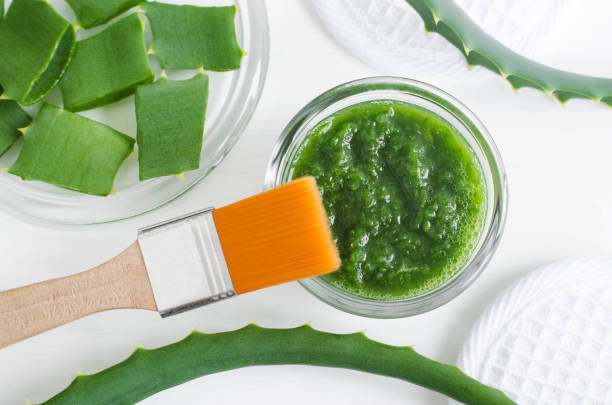
Cut a mature aloe leaf.
Scoop out the clear gel, avoiding the yellow latex just beneath the skin.
Blend the gel until smooth.
Massage it gently into your scalp.
Leave it on for about 20–30 minutes before washing with a mild shampoo.
Aloe Vera as a Hair Mask
Combine:
- 3 tablespoons aloe vera gel
- 1 tablespoon coconut oil
- 1 tablespoon plain yogurt
Apply from roots to ends.
Leave for 30 minutes.
Rinse thoroughly.
This combination works particularly well for dry or damaged hair.
Aloe Vera Leave-In Treatment
People with curls or textured hair often use a small amount of aloe vera gel on damp hair.
Use only a little.
Too much can leave hair feeling stiff once it dries.
Mixed With Shampoo
Some commercial shampoos already contain aloe vera.
You can also mix a teaspoon of pure aloe gel into your shampoo immediately before washing.
It’s a small change that many people enjoy.
DIY Aloe Vera Hair Treatments
For Dry Hair
Mix:
- Aloe vera
- Honey
- Olive oil
This creates a deeply moisturising treatment that works well after swimming or spending time in dry weather.
For Oily Hair
Blend:
- Aloe vera
- Lemon juice (a few drops)
- Green tea
The mixture feels refreshing, especially during hot summer months.
Be careful not to overdo the lemon, though.
Too much acidity may irritate sensitive skin.
For Dandruff
Mix aloe vera with a few drops of tea tree oil.
Tea tree oil is potent, so it should always be diluted.
Massage gently into the scalp before shampooing.
For Curly Hair
Combine:
- Aloe vera
- Flaxseed gel
- Argan oil
The result is a lightweight styling gel that helps define curls while reducing frizz.
Aloe Vera for Different Hair Types
Straight Hair
Provides lightweight hydration without making hair flat.
Wavy Hair
Helps reduce frizz while keeping movement natural.
Curly Hair
Works well as a moisture booster, especially when paired with leave-in conditioner.
Coily Hair
Supports hydration between wash days and layers nicely with richer creams and oils.
Fine Hair
Aloe’s light texture usually won’t weigh strands down.
Thick Hair
Makes detangling easier and adds softness.
Common Mistakes People Make
Sometimes aloe vera gets blamed for results it never promised.
Here are a few common mistakes:
- Using yellow aloe latex instead of the clear gel
- Expecting overnight hair growth
- Applying huge amounts
- Skipping shampoo after heavy treatments
- Using products filled with alcohol instead of pure aloe
- Ignoring scalp conditions that require medical treatment
Consistency matters more than quantity.
Are There Any Side Effects?
Aloe vera is generally well tolerated, but it isn’t perfect for everyone.
Some people develop skin irritation or allergic reactions.
Always perform a patch test before applying it across your scalp.
If burning, redness, or swelling develops, stop using it immediately.
People with eczema, psoriasis, or persistent scalp conditions should also check with a dermatologist before trying new treatments.
Frequently Asked Questions
Can I leave aloe vera in my hair overnight?
You can, but it isn’t usually necessary. Around 20 to 30 minutes is enough for most people. Overnight treatments may dry into a stiff film on some hair types.
How often should I use aloe vera on my hair?
One or two times each week works well for most routines. Very dry hair may benefit from slightly more frequent use, while oily scalps often do well with weekly treatments.
Is fresh aloe better than bottled gel?
Fresh gel contains no added preservatives or fragrances, but it’s less convenient and spoils quickly. If you buy bottled aloe vera gel, choose one with a high percentage of aloe and as few added ingredients as possible.
Can aloe vera replace conditioner?
Not completely. Aloe vera provides lightweight hydration, but many hair types, especially dry, curly, or chemically treated hair, still benefit from a conditioner that helps seal moisture into the hair shaft.
Can I use aloe vera on colour-treated hair?
Generally, yes. Aloe vera is gentle and doesn’t usually strip colour. It’s still a good idea to test any new product on a small section first, especially if your hair has been recently dyed.
Final Thoughts
Aloe vera has earned its place in hair care for a simple reason: it helps support the foundation of healthy hair, a comfortable, balanced, well-hydrated scalp.
Will it suddenly give you inches of new growth in a month? Probably not. Very few ingredients can honestly make that claim. What aloe vera can do is help reduce dryness, calm irritation, improve moisture, and limit breakage. Over time, those small improvements add up, and healthier hair often follows.
If you’re looking for a low-cost, easy addition to your routine, aloe vera is worth trying. Pair it with a balanced diet, gentle cleansing, regular trims, and good overall scalp care, and you’ll be giving your hair the kind of consistent support that tends to matter most in the long run.