
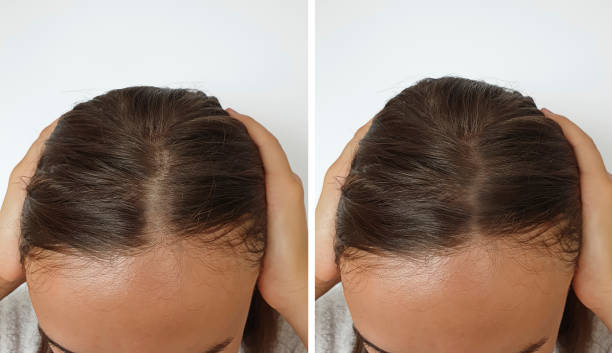
Let’s be honest, hair growth can feel painfully slow. You trim it, care for it, maybe even talk nicely to it (no judgment), and still it barely seems to move. Meanwhile, someone on your feed swears their hair grew “5 inches in a month,” and you’re left wondering what you’re doing wrong.
Here’s the thing: hair doesn’t actually respond well to pressure or panic. It responds to consistency. To small, repeated habits. To patience, yes, that one.
So instead of chasing overnight miracles, let’s talk about what actually helps hair grow faster, naturally, in a way that fits into a busy life. Because if it doesn’t fit your routine, it won’t last, and if it doesn’t last, it won’t work.
Quick roadmap (so we don’t get lost halfway)
- What “fast” hair growth really means
- The biology behind growth (simplified, promise)
- Daily habits that quietly make a difference
- Scalp care (the part most people skip)
- Nutrition because hair is built, not wished into existence
- Common mistakes that slow everything down
- Natural remedies that actually make sense
- A realistic routine for busy days
- When to consider clinical support
First, what does “faster” even mean?
Hair grows about 0.5 inches (1.25 cm) per month on average. That’s roughly 6 inches a year. Not exactly thrilling, but it’s steady.
When people talk about “faster” growth, they usually mean one of two things:
- Maximising your natural growth rate
- Preventing breakage so length actually shows
Because here’s the quiet truth: most people aren’t failing at growing hair. They’re losing length through damage, stress, or neglect.
So yes, you can encourage faster growth. But more importantly, you can stop losing progress.
Let me explain (without turning this into a biology lecture)
Hair grows from follicles in cycles:
- Anagen (growth phase) – lasts years
- Catagen (transition phase) – short pause
- Telogen (resting/shedding phase)
The longer your hair stays in the anagen phase, the longer it grows.
And what influences that?
- Nutrition
- Hormones
- Stress levels
- Scalp health
- Genetics (yes, but don’t panic, it’s not everything)
So instead of forcing growth, the goal is to create conditions where your hair wants to grow.
The small habits that quietly change everything
You don’t need a complicated routine. You need a consistent one.
1. Gentle handling (this is bigger than it sounds)
Hair doesn’t like rough treatment. Tugging, tight styles, aggressive brushing—it all adds up.
Try this instead:
- Use a wide-tooth comb on wet hair
- Start detangling from the ends
- Avoid tight ponytails daily
It sounds basic. It is basic. But basics done daily? That’s where results come from.
2. Scalp massage: yes, it actually matters
A few minutes of scalp massage can improve blood circulation, which supports follicles.
You don’t need fancy tools (though they’re nice). Just your fingertips.
- 3–5 minutes
- Gentle pressure
- Circular motion
Do it while watching a show. Or while thinking about your to-do list. It doesn’t have to be a ritual.
3. Oil but not how people overdo it
Oiling your hair can help, but drowning your scalp in oil overnight every day? Not necessary.
A simple approach:
- 1–2 times a week
- Light oils like coconut, argan, or castor (mixed)
- Massage into scalp, leave for 30–60 minutes
That’s it. No 12-hour marathons needed.
Let’s talk scalp health (because this is where growth starts)
Think of your scalp like soil. If the soil is off, nothing grows well.
Common issues:
- Product buildup
- Dandruff
- Inflammation
And here’s where people get it wrong, they treat hair but ignore the scalp.
Signs your scalp needs attention:
- Itching
- Flaking
- Excess oil or dryness
- Slow growth despite effort
What helps:
- Regular washing (yes, even if you want long hair)
- Occasional exfoliation
- Lightweight, non-clogging products
If dandruff is persistent, something like ketoconazole shampoo can help, but that’s more of a targeted fix, not a daily habit.
Nutrition: the part nobody wants to hear (but needs)
You can apply every oil in the world, but if your body lacks nutrients, hair growth slows down.
Hair is made of protein. So, your diet matters more than your serum.
Key nutrients for hair growth:
- Protein – eggs, beans, chicken
- Iron – spinach, lentils, red meat
- Biotin – nuts, seeds, whole grains
- Omega-3s – fish, flaxseeds
- Vitamin D – sunlight (yes, really), fortified foods
And hydration, simple, overlooked, important.
Honestly, if your diet is inconsistent (skipped meals, quick snacks, too much caffeine), your hair will reflect that.
The contradiction no one explains properly
You’ll hear:
“Don’t wash your hair too often, it dries it out.”
But also:
“Keep your scalp clean for growth.”
Both are true.
The balance?
- Wash often enough to keep scalp clean
- Not so often that you strip natural oils
For most people: 2–3 times a week works well. Adjust based on your hair type.
Natural remedies: what’s worth trying?
Let’s clear the noise.
1. Aloe vera
Soothes scalp, reduces irritation. Good if your scalp feels “angry.”
2. Onion juice
Yes, it smells. Yes, people swear by it. It contains sulfur, which may support growth.
Use occasionally. Not daily. And maybe not before social events.
3. Rosemary oil
This one has real backing. Some studies suggest it works similarly to minoxidil, without the harsh side effects.
Dilute it. Always.
The mistakes that quietly slow your progress
Sometimes growth isn’t the problem. Habits are.
Overstyling
Heat tools every day? That’s breakage waiting to happen.
Ignoring trims
Counterintuitive, but trimming split ends prevents further damage.
Stress (this one hurts)
Chronic stress can push hair into the shedding phase.
You might not “see” stress damage immediately, but it shows up later.
A realistic routine for busy lives
Because let’s be real, you don’t have time for a 12-step routine.
Weekly rhythm:
2–3x/week
- Wash hair
- Condition ends
1–2x/week
- Oil scalp (30–60 minutes before washing)
Daily (or most days)
- Gentle detangling
- 3-minute scalp massage
Weekly or biweekly
- Scalp exfoliation (optional but helpful)
That’s it. Simple, repeatable, sustainable.
When natural methods aren’t enough
Sometimes, despite doing everything right, growth stalls.
That’s when it’s worth considering medical options like minoxidil or checking for underlying issues (like anaemia or hormonal imbalance).
Not as a first step, but as a smart one when needed.
A quick reality check (the honest part)
Hair growth isn’t linear.
Some months it feels like progress. Other months… nothing.
And then suddenly, you notice length.
It’s slow. Uneven. A little unpredictable.
But consistency compounds. Quietly.
So, what actually works?
If you had to strip everything down to essentials:
- Keep your scalp healthy
- Eat well (consistently, not perfectly)
- Handle your hair gently
- Stick to simple routines
- Give it time
That’s it.
Not glamorous. Not viral. But effective.
Final thought (because this part matters more than you think)
You don’t need to try everything.
You don’t need a shelf full of products.
You don’t need a complicated system that only works when you’re not busy.
You need a few habits that fit your life, on tired days, on rushed mornings, on weeks that don’t go as planned.
Because hair growth isn’t built in perfect moments.
It’s built in ordinary ones.
And those? You already have plenty of.