Have you ever looked at your hairbrush and thought, “Was all of that really supposed to come out?” You’re not alone.
Hair shedding can feel alarming, especially when you’re juggling work, school, family life, or simply trying to stay healthy. The good news? Hair growth isn’t just about expensive shampoos or trendy serums. What you eat every day plays a surprisingly big role.
Think of your hair like a garden. You can water the leaves all you want, but if the soil lacks nutrients, growth slows down. Your scalp works much the same way. Healthy hair begins beneath the surface, where your body builds each strand using proteins, vitamins, minerals, and healthy fats from your diet.
That doesn’t mean one magical food will suddenly give you waist-length hair in a month. If only it were that easy.
Instead, consistent nutrition helps create the right conditions for stronger, shinier, and healthier hair over time.
Whether you’re a busy professional grabbing lunch between meetings, a student surviving on quick meals, or a mom trying to feed everyone before yourself, small food choices can make a noticeable difference.
Let’s talk about the foods that truly support hair growth, and why they work.
Why Nutrition Matters More Than You Think
Hair is made mostly of a protein called keratin. Unlike your heart or brain, hair isn’t considered essential for survival. So when your body doesn’t get enough nutrients, it naturally sends those nutrients to more important organs first.
Hair gets what’s left.
That’s why sudden weight loss, restrictive diets, chronic stress, illness, or nutrient deficiencies often show up in your hair before anywhere else.
You might notice:
- Increased shedding
- Hair growing more slowly
- Dry, brittle strands
- Split ends
- Thinning around the temples
- Hair that seems dull no matter what products you buy
Here’s the encouraging part: once nutritional deficiencies are corrected, healthier hair often follows. It takes patience because hair grows only about half an inch (roughly 1.25 cm) each month, but steady improvements add up.
The Nutrients Your Hair Loves
Before looking at specific foods, it helps to understand what your hair actually needs.
Protein
Hair is almost entirely protein. Without enough dietary protein, your body can’t build strong hair fibres.
Iron
Iron helps red blood cells carry oxygen throughout your body, including to hair follicles.
Low iron is one of the most common nutritional causes of hair shedding, particularly among women.
Biotin
Biotin supports keratin production. While true biotin deficiency is uncommon, getting enough still contributes to healthy hair.
Vitamin D
Low vitamin D levels have been linked with certain types of hair loss. Researchers are still learning exactly how they’re connected.
Zinc
Zinc helps repair hair tissue and supports healthy oil glands around hair follicles.
Omega-3 Fatty Acids
Healthy fats nourish both the scalp and hair shaft.
Vitamins A, C, and E
These antioxidants help protect hair follicles while supporting collagen production and healthy scalp circulation.
Now for the fun part, the food.
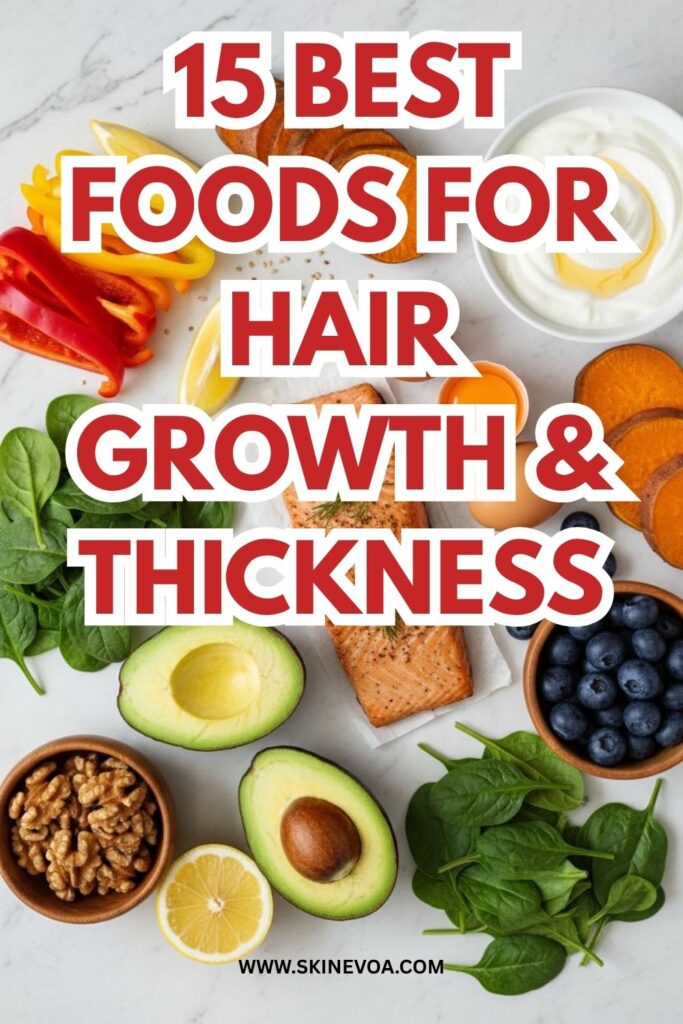
1. Eggs: Nature’s Hair Growth Package
Eggs are probably the closest thing to an all-in-one hair food.
They’re packed with:
- High-quality protein
- Biotin
- Vitamin B12
- Selenium
- Zinc
The protein in eggs provides the building blocks your hair needs every single day.
Whether you like them boiled, scrambled, poached, or folded into a vegetable omelette, they’re an affordable addition to almost any meal.
2. Salmon and Other Fatty Fish
Salmon is famous for heart health, but your hair benefits too.
It’s rich in:
- Omega-3 fatty acids
- Protein
- Vitamin D
- Selenium
Omega-3 fats help reduce scalp dryness and may support thicker-looking hair.
Not a salmon fan?
Try:
- Sardines
- Mackerel
- Trout
- Herring
Canned options are often just as nutritious and much easier on the grocery budget.
3. Spinach
Remember when cartoons insisted spinach made you stronger?
Well, they weren’t completely wrong.
Spinach contains:
- Iron
- Vitamin C
- Folate
- Vitamin A
Iron supports oxygen delivery to hair follicles, while vitamin C helps your body absorb that iron more effectively.
A spinach smoothie might sound unusual at first, but mixed with banana, berries, and yogurt, you barely notice it’s there.
4. Sweet Potatoes
Your scalp needs vitamin A, but not too much.
Sweet potatoes provide beta-carotene, which your body converts into vitamin A as needed.
This nutrient helps produce sebum—the natural oil that keeps your scalp moisturised.
Roasted sweet potato wedges are one of those meals that somehow feel both comforting and healthy.
5. Greek Yoghurt
Greek yoghurt delivers an impressive combination of:
- Protein
- Vitamin B12
- Calcium
- Probiotics
Protein supports hair growth while probiotics contribute to gut health, which may improve nutrient absorption.
Add berries and chopped nuts, and you’ve built a breakfast that’s working for your hair before the day even starts.
6. Berries
Blueberries, strawberries, raspberries, and blackberries are loaded with vitamin C.
Why does that matter?
Vitamin C helps produce collagen, a structural protein that supports healthy hair. It also improves iron absorption.
Plus, they’re delicious.
Sometimes healthy eating doesn’t need convincing.
7. Avocados
Creamy, satisfying, and incredibly versatile.
Avocados provide:
- Healthy fats
- Vitamin E
- Folate
- Fiber
Vitamin E helps protect hair follicles from oxidative stress, while healthy fats keep the scalp from becoming overly dry.
Spread avocado on whole-grain toast or toss slices into salads.
Simple works.
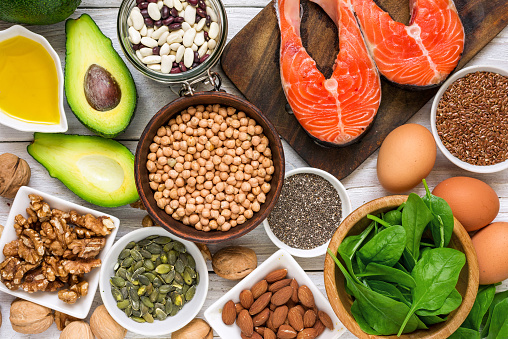
8. Nuts
Almonds, walnuts, pistachios, and Brazil nuts all offer different nutrients that support healthy hair.
Depending on the variety, you’ll get:
- Vitamin E
- Selenium
- Healthy fats
- Zinc
- Protein
A small handful makes an easy afternoon snack that beats reaching for another sugary treat.
9. Seeds
Pumpkin seeds deserve more attention.
They’re packed with:
- Zinc
- Iron
- Magnesium
- Healthy fats
Sunflower seeds, chia seeds, and flaxseeds are also excellent choices.
Sprinkle them over oatmeal, yoghurt, salads, or soups.
Tiny foods. Big nutritional payoff.
10. Beans and Lentils
Plant-based eaters, this one’s for you.
Beans and lentils provide:
- Protein
- Iron
- Zinc
- Biotin
- Fiber
They’re inexpensive, filling, and incredibly flexible.
Chilli, soups, salads, curries- you’ve got options.
11. Lean Chicken and Turkey
Lean poultry supplies complete protein without excessive saturated fat.
Hair follicles constantly rebuild themselves, so having enough protein each day matters far more than eating a large amount once a week.
Consistency wins.
12. Oysters
Oysters are among the richest natural sources of zinc.
Even mild zinc deficiency can contribute to hair shedding.
If oysters aren’t your thing, don’t worry.
Beef, pumpkin seeds, chickpeas, and lentils also provide zinc.
13. Citrus Fruits
Oranges, lemons, grapefruit, and tangerines supply plenty of vitamin C.
They’re refreshing, hydrating, and help maximise iron absorption from meals.
Try squeezing fresh lemon over spinach salad or lentil soup.
Small habit, worthwhile benefit.
14. Bell Peppers
Especially the red ones.
They actually contain more vitamin C than many citrus fruits.
Bell peppers also provide antioxidants that help protect cells—including those supporting healthy hair growth.
15. Whole Grains
Brown rice, oats, quinoa, and whole wheat bread provide:
- B vitamins
- Iron
- Zinc
- Fiber
Unlike refined carbohydrates, whole grains release energy more gradually, helping maintain balanced blood sugar levels while providing nutrients your hair can use.
Foods That May Work Against Healthy Hair
No food automatically causes hair loss on its own, but consistently eating a nutrient-poor diet may affect hair health over time.
Try limiting:
- Highly processed snacks
- Sugary drinks
- Excess alcohol
- Frequent crash diets
- Extremely restrictive eating plans
One day of fast food won’t ruin your hair.
Months of poor nutrition, though? That’s a different story.
Hair-Friendly Habits Beyond Your Plate
Food matters, but it’s only one piece of the picture.
Healthy hair also benefits from:
- Getting enough sleep
- Managing stress
- Drinking enough water
- Avoiding smoking
- Limiting excessive heat styling
- Protecting hair from harsh sunlight
- Being gentle when brushing wet hair
- Avoiding overly tight hairstyles every day
Here’s the thing: even the healthiest diet struggles to overcome constant physical damage.
Treat your hair kindly.
A Simple One-Day Hair Growth Meal Plan
If you’re wondering how this all fits together, here’s an easy example.
Breakfast
Greek yoghurt with blueberries, chia seeds, walnuts, and honey.
Morning Snack
An orange and a handful of almonds.
Lunch
Grilled salmon with quinoa, spinach salad, and roasted bell peppers.
Afternoon Snack
Carrot sticks with hummus.
Dinner
Chicken stir-fry with broccoli, mushrooms, brown rice, and sesame seeds.
Evening Snack
A boiled egg or a small serving of cottage cheese.
Nothing complicated. Just balanced meals repeated consistently.
Frequently Asked Questions
What food grows hair the fastest?
No single food can dramatically speed up hair growth. Hair typically grows about half an inch per month. A balanced diet rich in protein, iron, zinc, healthy fats, and vitamins supports healthy growth over time.
Which vitamin is best for hair growth?
Several nutrients contribute to healthy hair, including biotin, vitamin D, vitamin C, vitamin E, and vitamin A. Iron and zinc are also essential. Unless you have a diagnosed deficiency, getting these nutrients through food is generally recommended.
Can drinking more water help hair grow?
Water doesn’t directly make hair grow faster, but staying hydrated supports scalp health and overall body function. Dehydration may contribute to dry, brittle hair.
Is biotin worth taking?
Biotin supplements can help people with a true biotin deficiency, but deficiencies are relatively uncommon. Most people can meet their needs through a balanced diet. It’s best to speak with a healthcare provider before starting supplements.
How long does it take to notice healthier hair?
Hair grows slowly, so visible improvements usually take several months. Many people notice changes in texture or reduced shedding within three to six months after improving their diet and correcting nutrient deficiencies.
Final Thoughts
Healthy hair isn’t built by one smoothie, one supplement, or one expensive serum. It’s shaped by everyday habits—what you eat for breakfast, whether you include enough protein at lunch, and how consistently you nourish your body over time.
Some days won’t be perfect, and that’s okay. Life gets busy. Meetings run late, kids need attention, deadlines pile up, and dinner occasionally comes from a takeout box. What matters most is the overall pattern, not a single meal.
Fill your plate with colourful fruits and vegetables, lean proteins, healthy fats, whole grains, legumes, nuts, and seeds. These foods don’t just support your hair; they benefit your skin, nails, energy levels, and long-term health as well.
So the next time you’re shopping for hair care, pause for a moment before heading to the shampoo aisle. Your grocery cart may be one of the most powerful hair-care tools you have.
Healthy hair really does begin from within.