Summer has a way of making us think about sunscreen, lightweight skincare, and staying cool. Then fall quietly arrives, and suddenly your hair starts acting differently.
Maybe it feels rough when you brush it. Maybe your curls lose definition, or your scalp becomes itchy for no obvious reason. Some people notice more strands in the shower and immediately panic. Others simply wonder why their hair has lost that soft, healthy shine.
Here’s the thing, your hair isn’t betraying you. It’s responding to the changing season.
Cooler temperatures, lower humidity, stronger winds, indoor heating, and even changes in your daily routine all affect your hair and scalp. The products that worked beautifully in July may not give your hair enough moisture in October.
The good news? You don’t need an entirely new collection of expensive products.
A few thoughtful adjustments can help your hair stay soft, healthy, and easier to manage throughout fall.
Whether you’re a student rushing between classes, a busy professional balancing meetings, or a mom trying to squeeze self-care into a packed schedule, this guide will walk you through a practical fall hair care routine that actually fits real life.
Why Does Hair Change During Fall?
Hair behaves differently because the environment changes.
During summer, humidity often helps hair retain moisture, even if it creates frizz. Fall is different. The air becomes drier, humidity drops, and indoor heating begins pulling moisture from both your skin and your hair.
Think of your hair like a sponge.
When there’s enough moisture in the air, the sponge stays flexible. When the air dries out, the sponge becomes stiff and brittle.
Your hair works in much the same way.
You might notice:
- Dry, rough ends
- More tangles
- Increased frizz
- Static electricity
- Itchy scalp
- Hair that looks dull instead of shiny
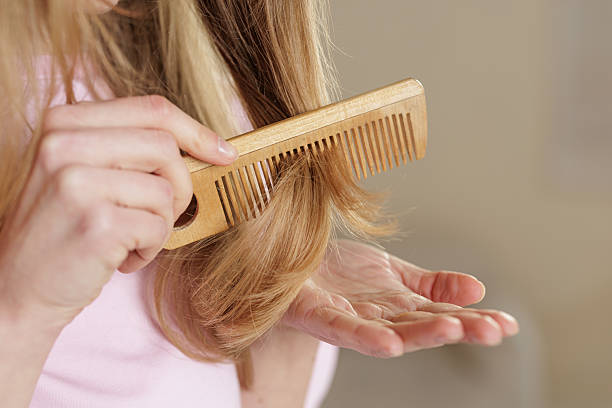
- More breakage during brushing
Some people also notice seasonal shedding. Losing around 50 to 100 hairs a day is considered normal, and many people naturally shed slightly more hair during early fall.
That doesn’t necessarily mean something is wrong.
The Most Common Fall Hair Problems
Every hair type experiences fall differently.
Straight hair often becomes flat while still feeling dry.
Wavy hair may lose definition.
Curly hair usually becomes thirstier because natural oils take longer to travel down the hair shaft.
Coily hair can become especially fragile if moisture isn’t replaced regularly.
No matter your hair type, these issues tend to appear first:
Dry Ends
Your ends are the oldest part of your hair. They’ve survived months, or even years, of washing, brushing, styling, sunlight, and heat.
By fall, they’re usually the first to lose moisture.
Itchy Scalp
Dry air doesn’t only affect your hair.
Your scalp can become tight, flaky, or irritated when humidity drops.
Static Hair
You know that annoying moment when your hair sticks to your sweater?
That’s static electricity, and dry fall air makes it much more common.
Extra Frizz
It sounds a little strange.
Humidity causes one kind of frizz.
Dryness causes another.
When hair lacks moisture, its outer layer becomes rough, making strands stick out instead of lying smoothly.
Step One: Choose a Gentler Shampoo
Many shampoos clean well, but they also remove natural oils.
During fall, your scalp usually needs those oils more than ever.
Look for moisturising shampoos that contain ingredients such as:
- Glycerin
- Aloe vera
- Coconut oil
- Argan oil
- Oat extract
- Shea butter
- Panthenol
Avoid washing with very hot water.
Honestly, this one surprises people.
A steaming shower feels wonderful on a chilly morning, but hot water strips away protective oils, leaving hair drier afterwards.
Warm water is a much better choice.
Moisture Is the Star of Your Fall Routine
If summer is all about lightweight products, fall is where richer hydration starts making sense.
That doesn’t mean making your hair greasy.
It simply means replacing moisture that’s disappearing into cooler air.
After every wash:
- Apply conditioner from mid-length to ends.
- Leave it on for several minutes.
- Rinse with cool or lukewarm water.
Cooler water helps smooth the hair cuticle, making hair look shinier.
Little habit. Big difference.
Your Scalp Deserves Attention Too
People often spend plenty of time treating their hair while forgetting the skin underneath it.
Healthy hair starts with a healthy scalp.
A simple scalp massage for two or three minutes during shampooing improves circulation and helps distribute natural oils.
If your scalp feels dry, lightweight scalp serums containing niacinamide or hyaluronic acid may help restore moisture without making roots oily.
Avoid scratching with your nails.
Instead, massage gently using your fingertips.
Get Rid of Summer Damage
Here’s a tiny contradiction.
Growing your hair longer often starts with cutting it.
Split ends never repair themselves.
They continue splitting higher up the hair shaft until they’re trimmed away.
Scheduling a trim every eight to twelve weeks helps hair look fuller, smoother, and healthier.
You don’t need a dramatic haircut.
Sometimes half an inch makes all the difference.
Wash Less, Condition More
Many people don’t actually need to shampoo every day.
Frequent washing removes protective oils that are especially valuable during fall.
Most people do well washing:
- Fine hair: every other day
- Medium hair: two to three times weekly
- Thick or curly hair: once or twice weekly
Adjust based on your lifestyle, workouts, and oil production.
There’s no universal rule.
Treat Your Hair to Weekly Deep Conditioning
Think of deep conditioning like giving your hair a weekend vacation.
Once a week, use a rich hair mask containing ingredients such as:
- Shea butter
- Ceramides
- Coconut oil
- Avocado oil
- Hydrolyzed proteins
- Argan oil
Leave the mask on for ten to twenty minutes.
You can read a book, finish your skincare routine, or simply enjoy a quiet moment while it works.
Busy schedules deserve little breaks too.
Heat Styling Needs Extra Care
Fall often means blow dryers come back into daily life.
Understandable.
Walking outside with wet hair isn’t exactly pleasant.
Still, heat styling removes moisture.
Always apply a heat protectant before using:
- Blow dryers
- Flat irons
- Curling irons
- Hot brushes
Keep temperatures as low as possible while still achieving your style.
Your future hair will thank you.
Indoor Heating Can Dry Hair Too
Here’s something many people forget.
Outdoor weather isn’t the only problem.
Indoor heating lowers humidity dramatically.
If your home feels dry enough that your lips keep needing lip balm, your hair probably feels it too.
A humidifier can help restore moisture to indoor air, benefiting both your hair and your skin.
Eat Foods That Support Healthy Hair
Hair care doesn’t stop in the shower.
Growing healthy hair requires nutrients your body gets from food.
Focus on meals rich in:
Protein
Hair is largely made from protein.
Choose:
- Eggs
- Fish
- Chicken
- Greek yogurt
- Lentils
- Beans
Omega-3 Fatty Acids
Healthy fats support scalp health.
Good sources include:
- Salmon
- Sardines
- Walnuts
- Chia seeds
- Flaxseeds
Iron
Low iron levels may contribute to increased hair shedding.
Iron-rich foods include:
- Spinach
- Lean beef
- Lentils
- Pumpkin seeds
Vitamin C
Vitamin C supports collagen production and helps your body absorb iron.
Great options include:
- Oranges
- Strawberries
- Bell peppers
- Kiwi
Zinc
Zinc supports healthy hair growth.
You’ll find it in:
- Pumpkin seeds
- Chickpeas
- Cashews
- Beef
Hydration matters too.
Even though the weather feels cooler, your body still needs enough water every day.
Ingredients Worth Looking For
When shopping for fall hair products, keep an eye out for ingredients that help retain moisture and strengthen hair.
Some of the best include:
- Shea butter
- Argan oil
- Coconut oil
- Jojoba oil
- Glycerin
- Ceramides
- Aloe vera
- Panthenol
- Hydrolyzed keratin
- Oat extract
Meanwhile, if your hair already feels dry, try limiting products with high amounts of drying alcohols.
A Realistic Weekly Fall Hair Care Routine
Let’s keep this simple.
Monday
Wash with moisturising shampoo, condition well, apply leave-in conditioner.
Tuesday
Brush gently, massage scalp for two minutes, use lightweight hair oil on ends.
Wednesday
Protect hair before heat styling.
Thursday
Wear a protective hairstyle if it’s windy outside.
Friday
Wash if needed and apply conditioner.
Saturday
Use a deep conditioning mask and let your hair air-dry whenever possible.
Sunday
Trim flyaways if necessary, clean brushes, and prepare products for the coming week.
Nothing complicated.
Consistency matters far more than perfection.
Fall Hair Care Mistakes to Avoid
Even a good routine can be undermined by a few habits.
Watch out for these common mistakes:
- Washing with very hot water
- Skipping conditioner
- Using heat tools without protection
- Ignoring scalp health
- Waiting too long between trims
- Sleeping on rough cotton pillowcases instead of satin or silk
- Brushing aggressively while hair is wet
- Using heavy oils on fine hair that doesn’t need them
Small changes often produce surprisingly noticeable results.
Frequently Asked Questions
Why does my hair seem to fall out more during autumn?
Seasonal shedding is common. Many people naturally lose slightly more hair during early fall. If shedding is severe, lasts several months, or comes with bald patches, it’s worth speaking with a healthcare professional.
Should I wash my hair less during fall?
Many people benefit from washing less often because cooler weather usually means less sweating and drier air. Your ideal schedule depends on your hair type and lifestyle.
Is coconut oil good for fall hair care?
For many people, yes. Coconut oil helps reduce protein loss and can improve moisture retention. If your hair is very fine, use only a small amount to avoid weighing it down.
Do I need a hair mask every week?
Once a week works well for most hair types. Very dry, curly, or chemically treated hair may benefit from two treatments weekly.
Can indoor heating really damage my hair?
Indirectly, yes. Heated indoor air reduces humidity, making hair lose moisture faster. Adding hydration through conditioners, leave-in products, and a humidifier can help balance that effect.
Final Thoughts
Fall isn’t a bad season for your hair. It simply asks for a different approach.
As temperatures cool and the air becomes drier, your hair needs a little more moisture, a little more patience, and a little less heat. Thankfully, those changes don’t require an expensive salon visit or a shelf full of new products.
A gentle shampoo, a nourishing conditioner, weekly deep conditioning, regular trims, and a few smart habits can keep your hair looking healthy well beyond autumn. Add in a balanced diet, enough water, and a bit of consistency, and you’ll give your hair the support it needs from root to tip.
Remember, healthy hair isn’t about chasing perfection. It’s about caring for it consistently, season after season. When you adjust your routine to match the weather, your hair usually responds with softer texture, better shine, and fewer frustrating bad hair days.
If you’re building your fall beauty routine, think of your hair the same way you think about your skin: the changing season calls for a little extra care. And honestly, that small shift can make all the difference.